


 Rifan Muazin
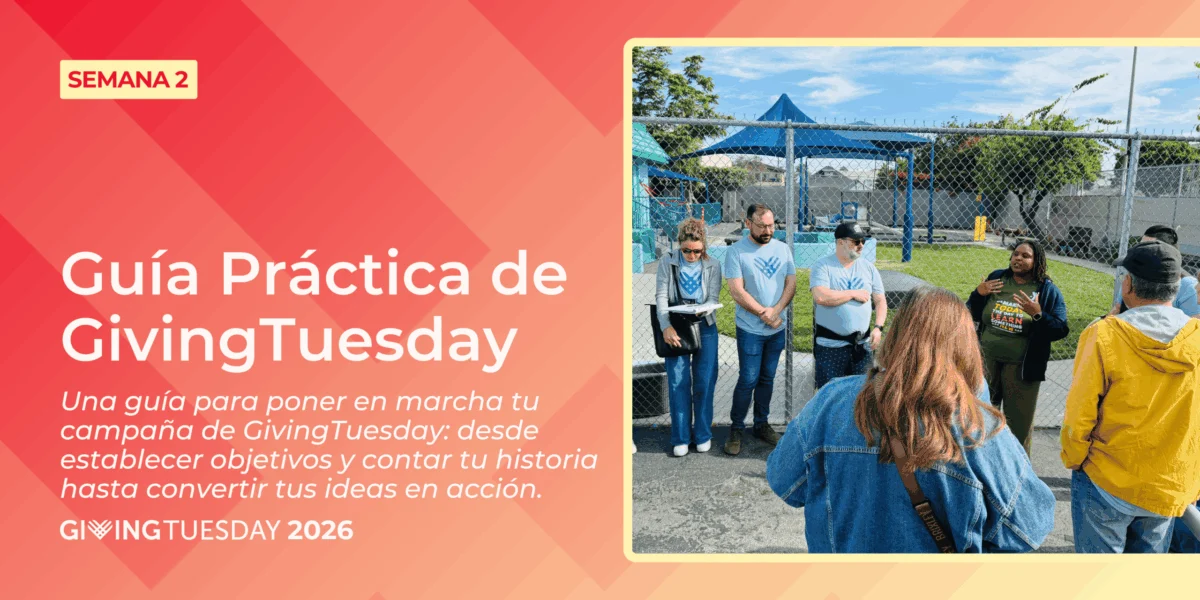
GivingTuesday—known globally as UnDíaParaDar—is far more than a single date on the calendar. While the event culminates on the first Tuesday of December, it serves as a powerful catalyst for long-term organizational growth, community engagement, and sustained philanthropic impact. For non-profits, grassroots leaders, and community activists, the true power of this movement lies not in the 24 hours of activity, but in the relationships solidified throughout the planning process.
Whether your primary objective is to drive revenue, increase brand awareness, recruit a new generation of volunteers, or simply weave a tighter fabric of community support, success hinges on a deliberate, scalable strategy.
The Foundation: Why Early Planning Defines Success
The most common pitfall for organizations participating in GivingTuesday is the "last-minute rush." While inspiration can strike at any moment, high-impact campaigns require the discipline of a structured timeline.
A Chronology for Impact
To maximize effectiveness, organizations should adopt a phased approach to their planning:
- Phase 1: The Strategic Inception (Late Summer): Planning should ideally commence by late summer. By September, you should be ready to introduce the conversation to your audience. This three-month lead time allows for goal setting, team assembly, and content development without the panic of a looming deadline.
- Phase 2: The Engagement Window (October): Use this time to build anticipation. Test your messaging, finalize your partnerships, and ensure your digital infrastructure (donation pages, volunteer portals) is optimized for high traffic.
- Phase 3: The Execution (November/December): By the time November arrives, your focus should shift entirely to distribution and community mobilization.
Starting in June can often feel premature, leading to donor fatigue, while waiting until October often results in a disjointed campaign. The "Goldilocks zone" of early autumn allows you to generate momentum without overtaxing your supporters’ attention span.
Defining Your Narrative: Telling Stories That Move People
At its core, philanthropy is human-centric. People give to people, not to abstract entities. Your GivingTuesday narrative must be actionable, transparent, and deeply personal.
Diversifying the "Ask"
The modern donor is multifaceted. While financial contributions are vital, the movement emphasizes that generosity takes many forms: time, specialized skills, physical goods, advocacy, and social capital.
The "Give Your Way" campaign by Brain Tumour Support in the UK serves as a gold-standard model. By offering a menu of participation options—from volunteering and sharing personal stories to direct financial donations—they empowered their supporters to contribute in ways that aligned with their personal capacities and values.
Content Strategy: Work Smarter, Not Harder
A single, well-crafted story can be the engine for your entire campaign. By breaking a cornerstone narrative into diverse formats—long-form blog posts, email newsletters, press releases, and short-form social media videos—you maximize reach across multiple demographics. Data-driven organizations are those that monitor engagement metrics (clicks, shares, views) in real-time, allowing them to pivot their strategy mid-stream based on what truly resonates with their audience.
The Mechanics of Growth: Setting Viable, SMART+IES Goals
Ambition is necessary, but it must be tethered to reality. If your organization lacks historical data, avoid the trap of benchmarking against larger, more established institutions. Instead, use your own previous performance as the primary indicator of growth.
The SMART+IES Framework
To ensure your goals are actionable, use the SMART+IES criteria:
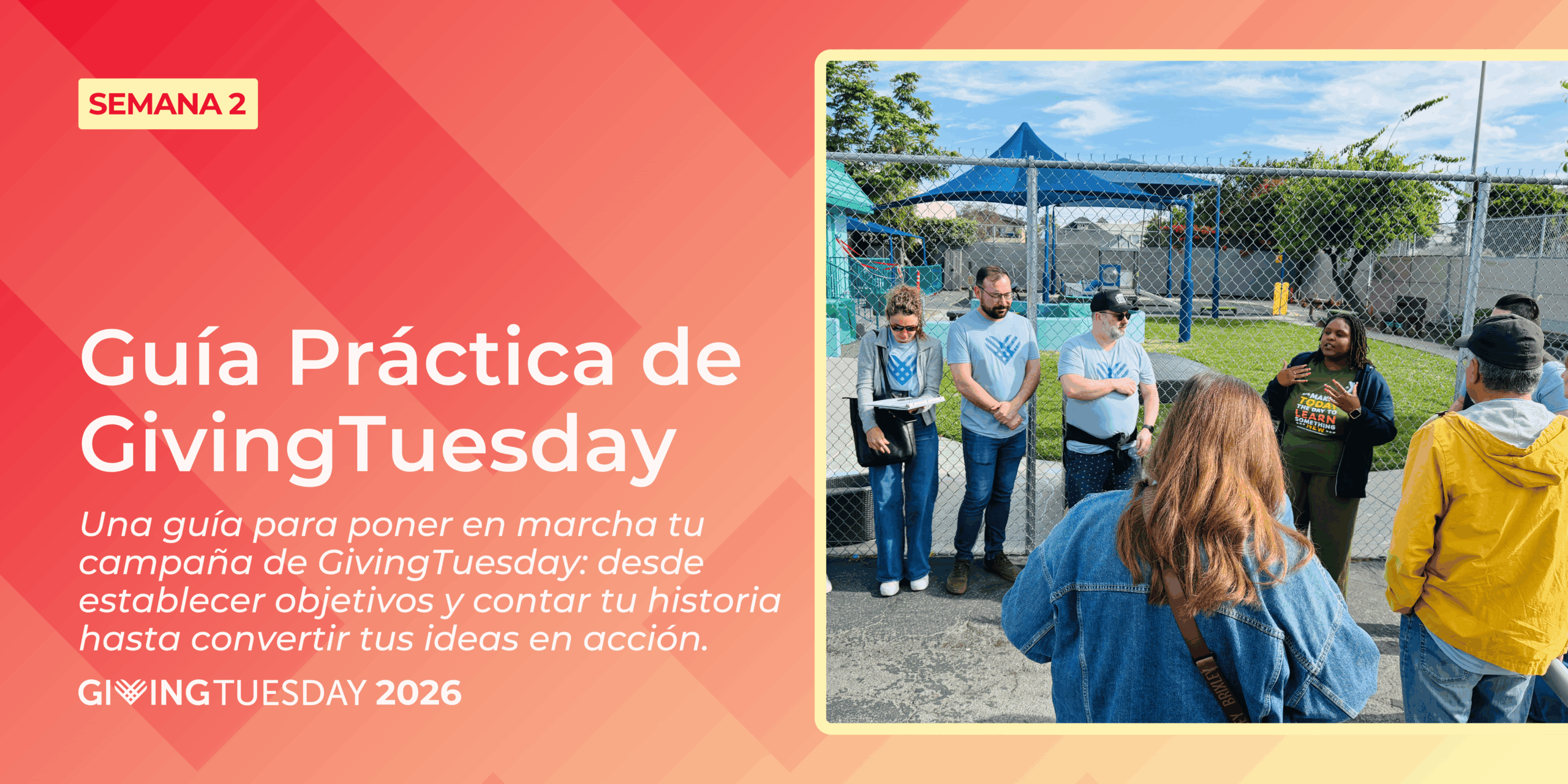
- Specific: Clearly define what you are aiming for (e.g., "100 new recurring donors" vs. "more money").
- Measurable: Ensure you have the tools to track progress.
- Achievable: Does this goal fit your current staffing and resource capacity?
- Relevant: Does this align with your organization’s core mission?
- Time-bound: Set a strict deadline (e.g., by midnight on December 1st).
The "IES" Addendum:
- Inclusive: Does your goal involve a diverse range of stakeholders?
- Equitable: Are you providing multiple entry points for supporters of different socioeconomic backgrounds?
- Sustainable: Does this campaign build long-term relationships, or is it a one-off transaction?
Human Capital: Building a Resilient Team
GivingTuesday is not a solo endeavor. To avoid burnout and ensure longevity, you must distribute both the workload and the decision-making power.
Mobilizing the Inner Circle
Your board members, existing volunteers, and long-term donors are your greatest assets. Rather than sending out a generic "we need help" blast, assign specific roles based on expertise. A board member with a marketing background is an ideal lead for social media strategy, while a volunteer with logistical experience can spearhead event coordination.
Cross-Sector Partnerships
The most successful global activations often stem from unlikely alliances. In Greece, the "speed-dating" networking events for non-profits and corporate social responsibility (CSR) departments have proven that short, high-value interactions create lasting partnerships. Similarly, in Tanzania, youth leaders organized market clean-ups, proving that impact can be achieved through tangible, community-led service projects that bridge the gap between local businesses and social needs.
Global Perspectives: Authenticity in Action
The beauty of GivingTuesday is its local adaptability. Whether it is UnDíaParaDar in Latin America or DiaDeDoar in Brazil, the movement flourishes when it is culturally localized.
In Manaus, Brazil, the DoaManaus campaign illuminated local landmarks in orange, turning a global brand into a local celebration. This visual mobilization, combined with the efforts of over 40 local organizations, demonstrated the power of collective identity. Similarly, in India, activists like Priti #BornGenerous recipient, focused on solving immediate, local crises—such as air pollution—by providing both protective equipment and financial literacy training to street vendors. These examples prove that the most effective campaigns are those that feel native to the community they serve.
Implications: Moving Beyond the "Big Day"
The final, and perhaps most important, piece of the puzzle is what happens after the sun sets on December 1st. Many organizations treat the end of GivingTuesday as the finish line, when it should be viewed as the starting block.
The Stewardship Cycle
First-time donors acquired during GivingTuesday have a high potential for retention, but only if they are properly stewarded.
- Gratitude: Have your thank-you notes drafted before the campaign begins. Personalize them whenever possible.
- Impact Reporting: Within a week of the campaign, share a summary of what was accomplished. Tell the donors exactly how their contributions—whether time or money—are being deployed.
- The Follow-Up: Invite donors to join your newsletter, attend a follow-up event, or participate in a future project.
Conclusion: Building for the Long Term
As you look toward the upcoming GivingTuesday, remember that you are part of a global ecosystem. You do not need a massive budget, a perfect marketing plan, or a large staff to make a significant difference. What you need is a clear strategy, an authentic story, and a commitment to your community.
GivingTuesday is, at its heart, an exercise in building a culture of generosity. By treating the day as a door-opener rather than a final destination, you ensure that the impact of your work continues to resonate long after the holiday season has passed. Start small, stay consistent, and remember: you are building a movement, not just a campaign.


 Pevita Pearce

 Reynand Wu






