


 Lina Hope
From the streets of Bangkok to the waters of the Pacific, the past week has seen a surge in global activism. Greenpeace, acting as both a witness to environmental degradation and a catalyst for change, has coordinated and supported a series of high-profile actions. Whether through symbolic demonstrations against plastic pollution, urgent climate calls in the face of rising sea levels, or social justice protests regarding the right to housing, the message remains clear: the intersection of human rights, environmental health, and corporate accountability is where the future of our planet will be decided.
The State of Global Activism: A Chronological Overview
The landscape of activism over the last seven days has been defined by urgency. As international delegations meet to discuss the fate of our oceans and atmosphere, civil society has stepped in to hold power to account.
- September 25: Severe flooding begins in Chachoengsao, Thailand, displacing thousands and triggering a humanitarian response from Greenpeace Thailand.
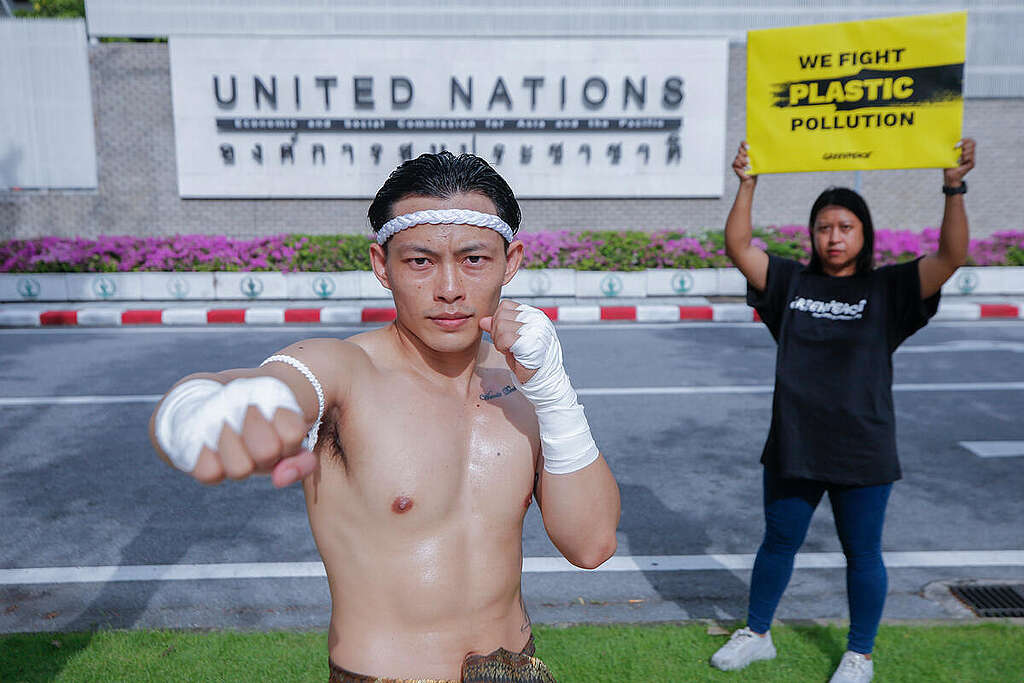
- Early October: As Heads of Delegation (HODs) convene in Bangkok for the Global Plastics Treaty negotiations, activists use the art of Muay Thai to symbolize the need for a aggressive "fight" against plastic production.
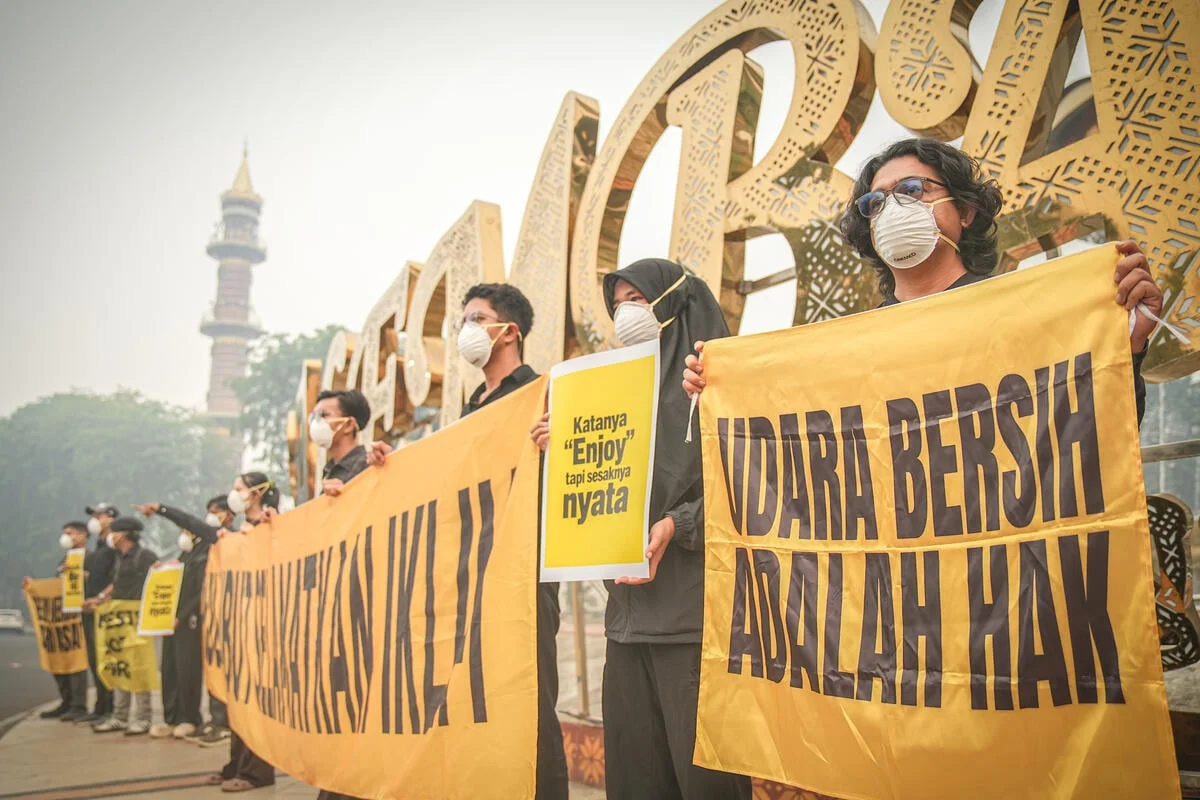
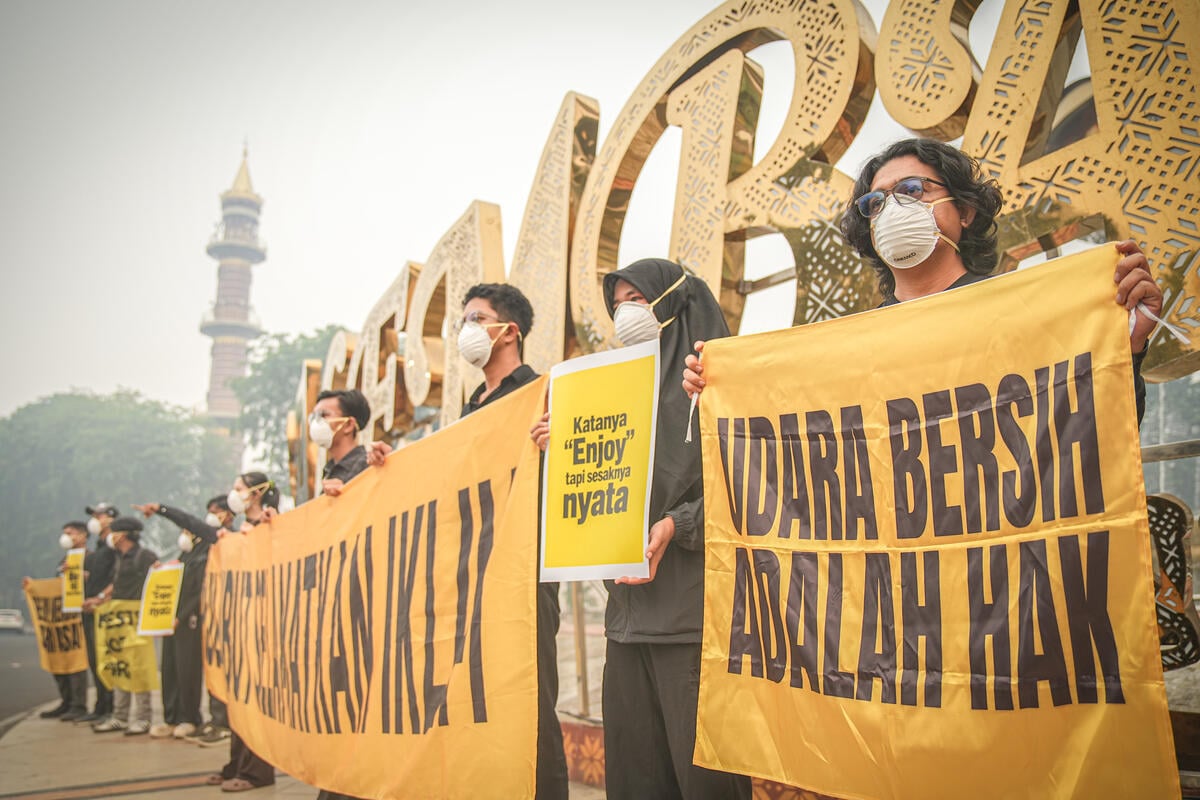
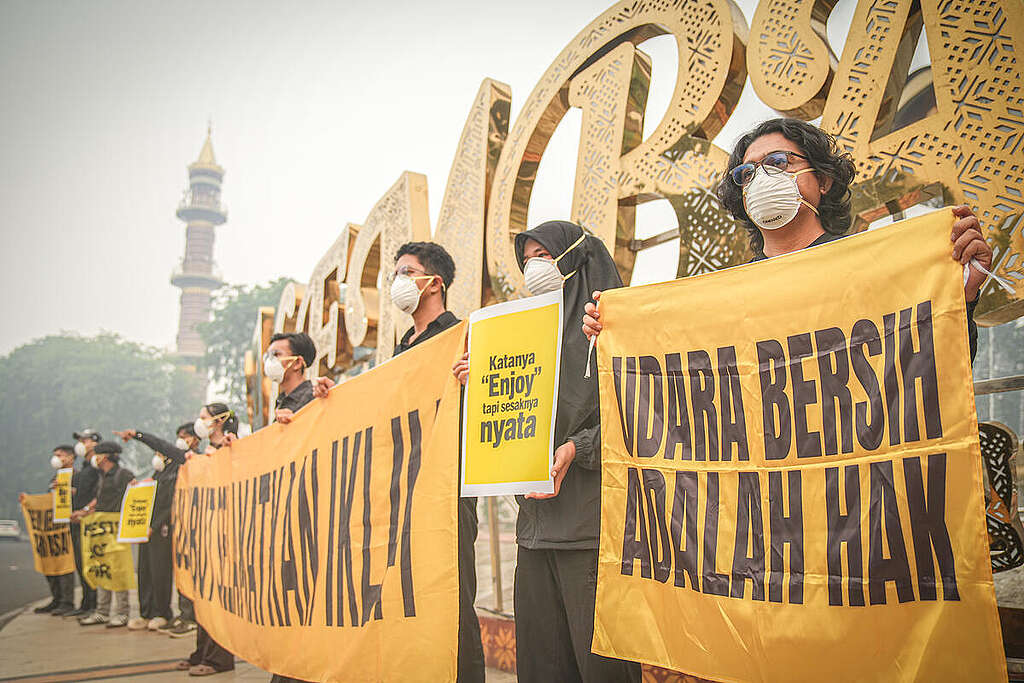
- October 7: Greenpeace Indonesia’s "Tim Cegah Api" (Forest Fires Prevent Team) protests in Palembang, South Sumatra, as hazardous haze from wildfires chokes the region.
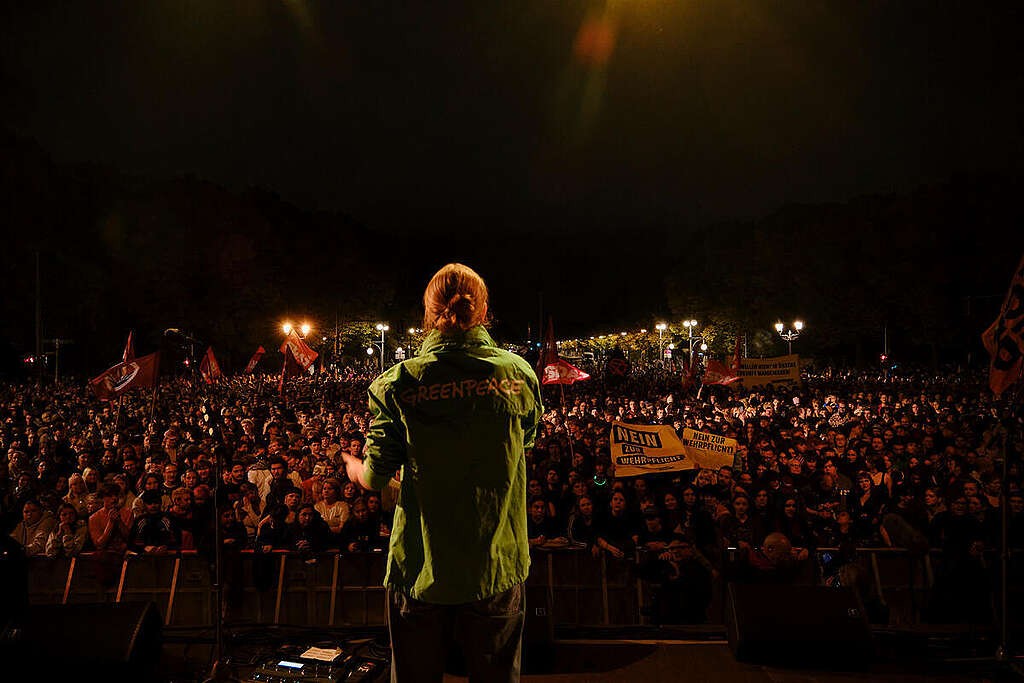
- Mid-Week: In Berlin, a coalition of youth and peace organizations, including Greenpeace, rallies against the potential reintroduction of military conscription.
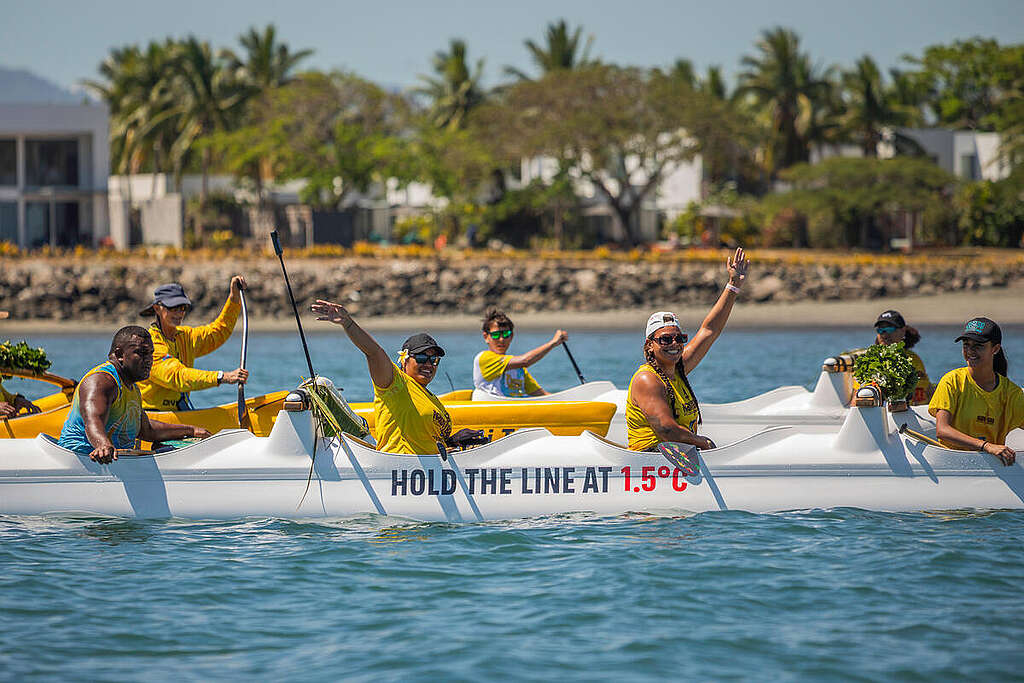
- Simultaneously: In Nadi, Fiji, a flotilla of traditional canoes and activists gathers at the Pre-COP climate summit to demand a hard line on the 1.5°C global temperature limit.
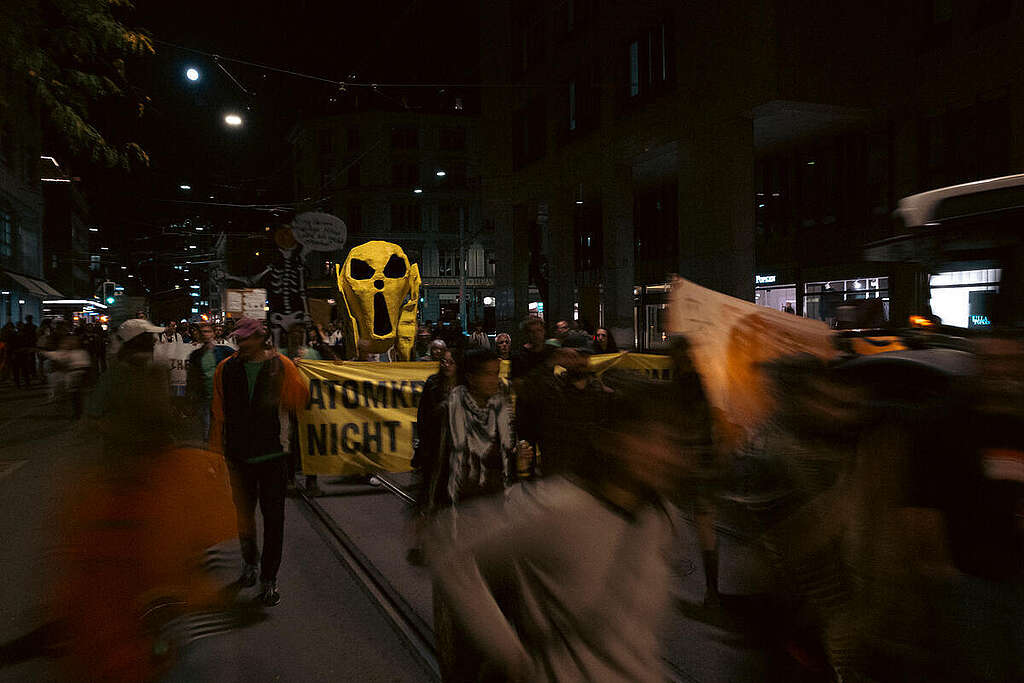
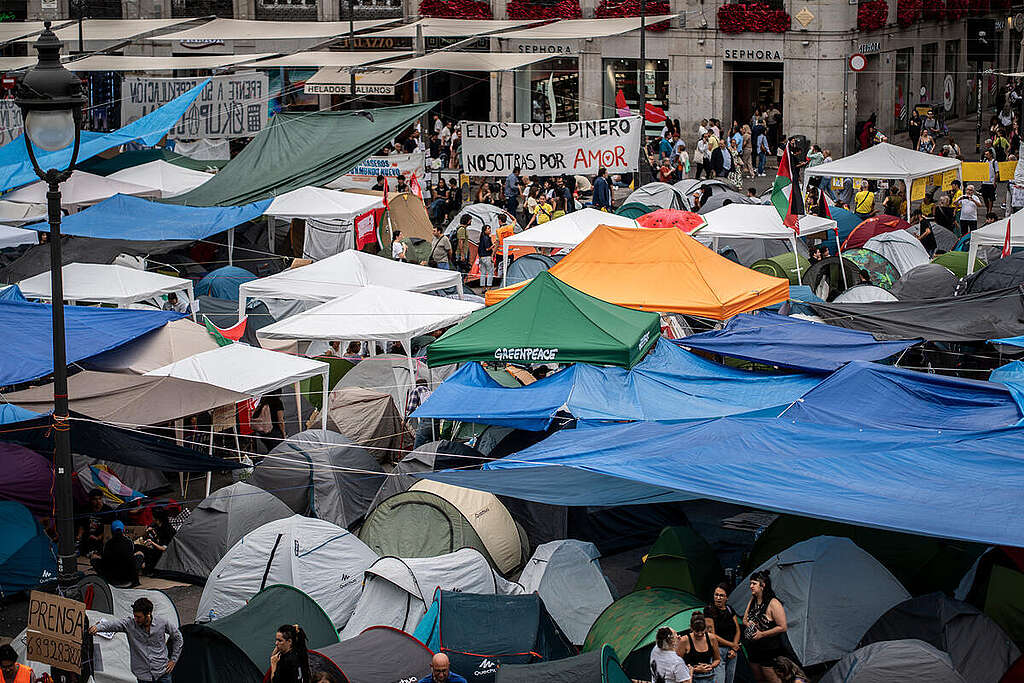
- Recent Days: Thousands march in Zurich, Switzerland, to demand climate adaptation policies, while in Madrid, Spain, citizens occupy public space to demand the fundamental right to decent housing.
The Fight for a Sustainable Future: Key Thematic Areas
1. Plastics and the Global Treaty
In Bangkok, the negotiations for a legally binding Global Plastics Treaty have reached a critical juncture. Greenpeace Thailand’s decision to utilize a Muay Thai fighter for their demonstration was more than a cultural nod; it was a tactical metaphor. By "tackling" plastic pollution at the source, the organization is pushing back against the petrochemical industry’s focus on recycling, which activists argue is a false solution. The demand is simple: governments must implement mandatory, systemic cuts in primary plastic production. Without these upstream restrictions, the treaty risks becoming a toothless administrative exercise rather than an environmental safeguard.
2. Climate Change and Survival Lines
In the Pacific, the stakes are existential. The Pre-COP climate summit in Nadi, Fiji, served as a stage for a colorful but somber flotilla. For island nations, the 1.5°C goal established in the Paris Agreement is not a scientific preference—it is a "non-negotiable survival line." With Australia set to lead the COP31 negotiations in Türkiye, the pressure is mounting to halt the expansion of fossil fuels. The imagery of traditional outrigger canoes alongside modern vessels serves as a poignant reminder that those who have contributed the least to global heating are the ones currently fighting the hardest to keep the planet inhabitable.
3. Air Quality and Industrial Impact
In Indonesia, the reality of climate-exacerbated wildfires is a daily struggle. The haze covering Palembang and affecting neighboring Singapore and Malaysia is a direct result of land management practices that leave forests vulnerable to ignition. The "Tim Cegah Api" protest highlights the failure of state and corporate bodies to protect air quality, which is now consistently reaching hazardous levels. This is a regional crisis that requires transboundary cooperation, yet activists note that the response remains sluggish, prioritizing industrial expansion over public health.
4. Urban Justice: Housing and Militarization
Environmental activism is increasingly intertwined with social stability. In Madrid, the sit-in at Puerta del Sol for the right to decent housing underscores a growing recognition that "environment" includes the human-made urban landscape. Similarly, in Berlin, the protest against the return of compulsory military service highlights the environmental and social costs of rearmament. Activists argue that the massive defense spending required for rearmament diverts funds away from the "Green Transition"—the very investment needed to combat the climate crisis.
Supporting Data and Evidence: The Cost of Inaction
The data supporting these actions paints a harrowing picture of a world in transition. In Chachoengsao, Thailand, over 23,790 households have been affected by flooding. The tragedy is compounded by the proposed "Burapha Power" project—a 540 MW fossil gas power plant. Critics point out the irony: building fossil fuel infrastructure in a region currently reeling from climate-induced floods is counterproductive.
In Switzerland, the march of 7,000 people under the banner "No 50°C Summers!" reflects a growing anxiety regarding extreme heat. Scientific models from the Intergovernmental Panel on Climate Change (IPCC) have repeatedly warned that mid-latitude regions will face unprecedented heat waves if carbon emissions are not halved by 2030. The coalition of 70 organizations involved in the Swiss protest highlights a shift in strategy: climate action is no longer just an environmental issue; it is now a priority for health, agricultural, and civil rights sectors.
Official Responses and the Policy Gap
Despite these demonstrations, official responses from the G20 and various national governments remain inconsistent. While some nations have pledged support for a robust Plastics Treaty, major fossil fuel producers continue to lobby for production quotas that contradict climate goals.
In the case of the Berlin protests, the government’s push for "Zeitenwende" (a historic turning point in defense policy) has met fierce resistance from civil society. Youth organizations argue that the government’s focus on military security ignores the "human security" aspects of climate change. A representative of the Greenpeace Youth noted, "Security is not merely the presence of soldiers; it is the presence of a stable climate, clean air, and affordable housing."
Implications for the Future
The implication of this week’s activities is a broadening of the environmental movement. We are witnessing a transition from "single-issue" advocacy to a more holistic approach that links climate, health, social justice, and national security.
The Role of Visual Activism
For over 50 years, Greenpeace has utilized "bearing witness" as a core pillar of its strategy. The images captured this week—the defiant Muay Thai fighter, the traditional canoes against the backdrop of industrial development, the haze-covered streets of Palembang—serve a dual purpose. First, they provide an indisputable record of the current state of the planet. Second, they serve as a rallying point for a global audience. In an era of digital noise, these visual artifacts help to crystallize the abstract concept of "the climate crisis" into concrete, urgent realities.
Conclusion: A Call to Continued Vigilance
The events of this week demonstrate that global civil society is not waiting for permission to act. From the local communities in Thailand supporting flood victims to the thousands marching in Zurich, the message is one of solidarity and shared destiny. As the world moves toward the upcoming COP negotiations, the pressure on policymakers to transition from rhetoric to radical change will only intensify.
Environmental injustice is not a remote possibility; it is a current reality. Whether it is the air we breathe in Sumatra, the homes we live in within Madrid, or the oceans that dictate the survival of Pacific islanders, the actions taken today will define the quality of life for generations to come. Greenpeace continues to act as the lens through which these injustices are exposed, but the power to change the trajectory of these events lies with the collective will of the public and the eventual capitulation of those in power to the demands of science and human rights.
As we look toward the remainder of 2026, the question is no longer whether we can solve these crises, but whether we have the political courage to implement the solutions that already exist. The "1.5°C survival line" is being drawn in the sand, and the world is watching to see who will step over it.


 Nila Kartika Wati

 Dwi Wanna




