



 Muslim
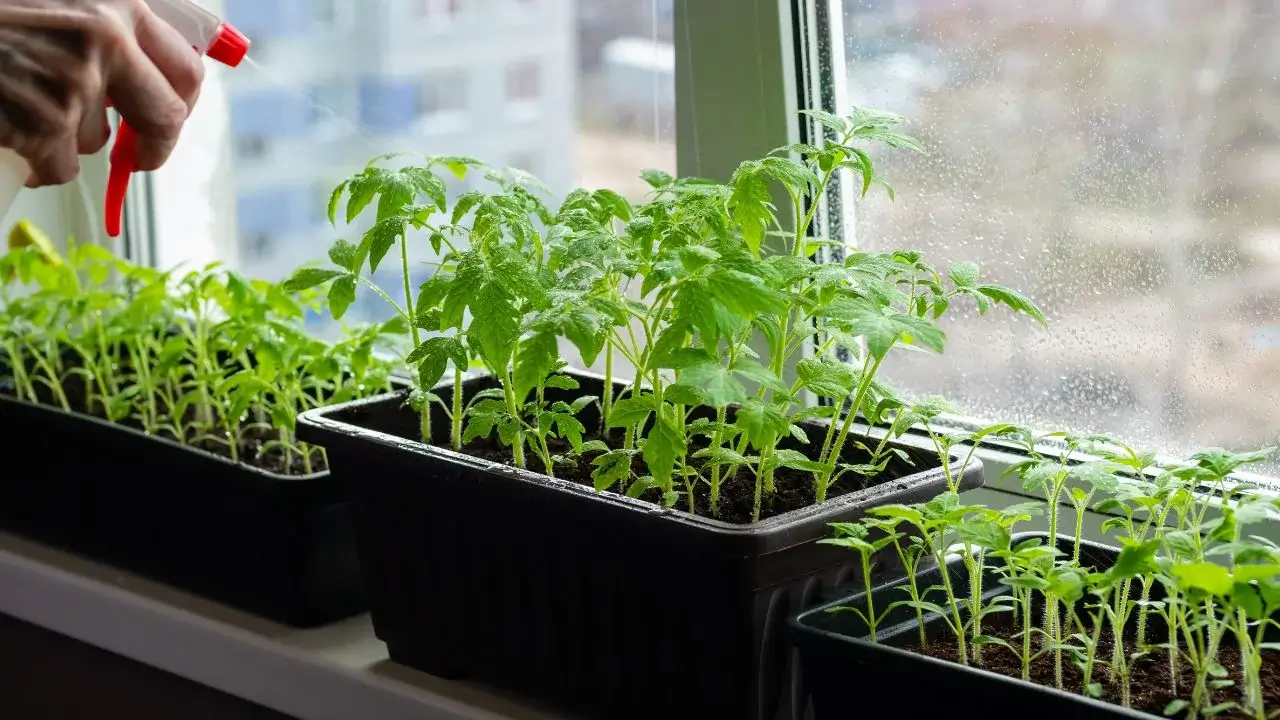
Tomatoes are the undisputed crown jewel of the late spring and early summer agricultural season. For home gardeners and commercial farmers alike, the sight of vibrant, heavy heirlooms in an array of colors—from deep purples and striped greens to classic, sun-kissed reds—lining market stalls is the hallmark of a successful growing season. However, the path to a bountiful harvest begins long before the first tomato is sliced.
For many in North America, where lingering winter frosts dictate the agricultural calendar, successful tomato production requires a strategic, indoor-first approach. Achieving a market-ready yield—whether for fresh consumption, canning, or commercial sale—demands precision, technical knowledge, and the right environmental controls.

The Foundations: Understanding Your Tomato Varieties
The first step in any successful tomato enterprise is selecting the cultivar best suited for your specific growing environment and business objectives. In the world of Solanum lycopersicum, the primary distinction lies between determinate and indeterminate growth habits.
Determinate vs. Indeterminate: Choosing Your Path
- Determinate Varieties: These are the "compact" performers of the garden. They grow to a fixed, predetermined height and produce their entire crop over a relatively short, concentrated window of time. For farmers in regions with shorter growing seasons, or those looking to maximize labor efficiency during harvest, determinate varieties are ideal. Many do not require extensive staking, and they generally reach maturity faster than their indeterminate counterparts.
- Indeterminate Varieties: These are the "vines" that keep on giving. Indeterminate tomatoes continue to grow, flower, and set fruit throughout the entire season until they are killed by frost. They are the preferred choice for long-season growers or regions with hot summers where plants may take a mid-season break from fruit set. These varieties require significant infrastructure for support and consistent, intensive pruning and maintenance.
Defining Your Market Goals
Before ordering seeds, growers must audit their needs. Are you targeting the high-end culinary market with flavorful beefsteaks, or are you focused on high-volume processing? If the market is already saturated with standard red varieties, consider introducing specialty crops like the ‘Green Zebra’ or ‘Yellow Pear.’ Choosing open-pollinated, heirloom varieties can provide a unique selling proposition, though growers should be aware that these are almost exclusively indeterminate and require a more robust management strategy.

Chronology: The Lifecycle of a Seedling
The success of your crop is dictated by the timing of your indoor start. In most temperate regions, you should begin your seed-starting process four to six weeks before the anticipated last frost date.
Phase 1: The Indoor Start (Weeks 0–4)
Indoor growing is not merely about planting seeds in dirt; it is about creating a controlled environment that mimics the tropical origins of the tomato.

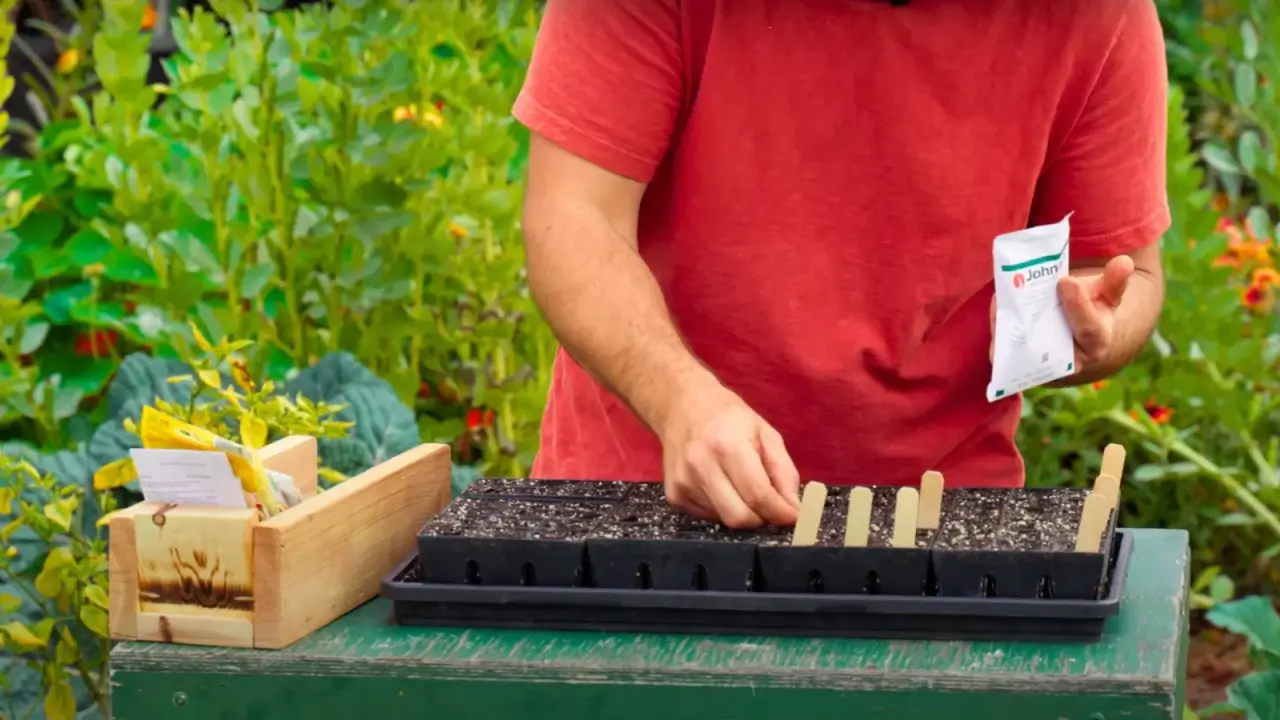
- Preparation: Utilize high-quality, reusable cell trays that feature adequate drainage and aeration. Proper drainage is critical for preventing fungal diseases like "damping off."
- Environmental Controls: This is where the novice separates from the expert. Use specialized grow lights that provide a full spectrum of light to encourage strong, stocky stems rather than "leggy," weak plants.
- Germination: Tomatoes thrive in soil temperatures between 65°F and 85°F (18°C–29°C). Utilizing a heating mat at the base of your trays will significantly increase your germination rates and ensure a more uniform crop.
Phase 2: The Up-Potting Transition (Weeks 4–6)
Once your seedlings develop their first set of "true leaves" and reach a height of two to three inches, they will likely have outgrown their initial cells. This is the crucial stage of "up-potting."
If you have multiple seedlings in one cell, do not simply thin them out. Instead, gently untangle the root systems and transplant each individual into a larger container. This is an efficient way to increase your plant count without the cost of additional seeds. Use a nutrient-rich, well-draining potting mix. During this stage, introduce a diluted organic liquid fertilizer (such as fish emulsion) at one-quarter strength to provide the necessary nutrients for vegetative growth without forcing premature flowering.
Supporting Data: Why Environment Matters
Research from agricultural extension services consistently indicates that the "missing link" in home and small-scale farming is often the lack of environmental consistency.
- Soil Temperature: A study from Oregon State University highlights that consistent soil temperatures are the primary driver of uniform emergence. Seeds left in cold, drafty rooms will exhibit staggered growth, leading to uneven harvest windows—a nightmare for commercial planning.
- Moisture Management: While moisture is vital, "soggy" is the enemy. Tomatoes are fleshy, water-loving plants, but they require oxygen at the root zone. Incorporating moisture-retentive materials like coco coir or peat moss must be balanced with aeration materials like perlite or agricultural grit. This "Goldilocks" environment allows the plant to focus its energy on rapid maturation rather than struggling against root rot.
Implications for the Modern Farmer
The shift toward sustainable, high-yield urban and rural farming has brought renewed attention to the "seed-to-table" pipeline. For the professional grower, these five tips—variety selection, improved lighting, heat-assisted germination, moisture management, and strategic up-potting—are not just suggestions; they are the baseline for economic viability.

The implication of adopting these practices is a significant reduction in waste. When seedlings are healthy, robust, and properly hardened off, the mortality rate after transplanting is drastically reduced. This ensures that the time and capital invested in the greenhouse are reflected in the final harvest volume. Furthermore, by managing the growth cycle, farmers can better predict their market availability, allowing for more precise inventory management at local farmers’ markets or wholesale accounts.
Expert Insight: The "Chicken Heater" Hack
While professional-grade heat mats are the industry standard, resourcefulness is a key trait of the successful modern farmer. For those managing smaller operations, an alternative to high-cost equipment is the use of a ceramic chicken heater or a "brooder" plate placed in the seed-starting area. These devices provide a gentle, ambient heat that raises the local temperature of the seed trays without the harsh, drying effects of a standard forced-air space heater. This is particularly effective in cool, basement-based operations where ambient temperatures struggle to reach the necessary 70°F threshold.

Conclusion: A Consistent Practice
Starting tomatoes from seed is a deliberate act of planning. Whether you are an urban hobbyist or a commercial producer, the goal remains the same: to shepherd the plant from a fragile, microscopic seed into a productive, heavy-bearing vine. By focusing on the environmental needs of the plant—warmth, light, moisture, and space—you create the conditions for a successful season.
As you prepare for the coming spring, take the time to evaluate your current setup. Are your lights sufficient? Is your soil temperature monitored? Have you chosen varieties that align with your climate? By mastering these foundational elements, you ensure that when the first frost finally clears, your plants are ready to thrive, providing the high-quality produce that defines the best of the summer market.

 Lina Irawan

 Laily UPN