



 Nana Wu
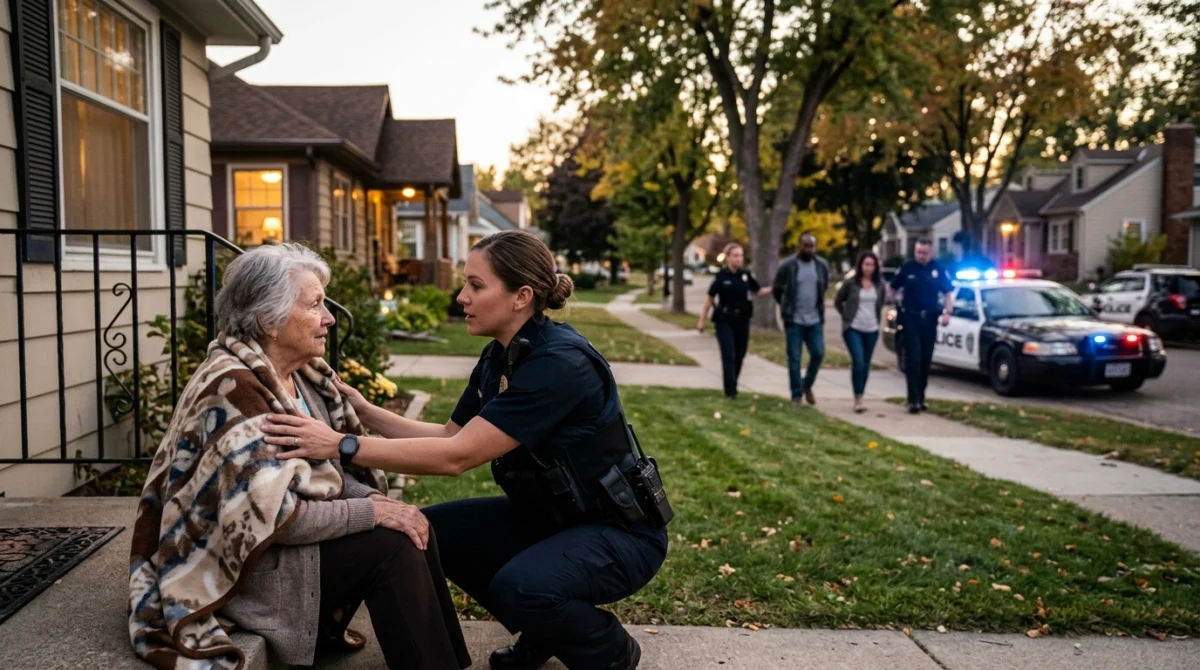
Elder abuse is a pervasive, often silent crisis that haunts the American landscape. According to the most recent data from the U.S. Department of Justice (DOJ), more than 10% of adults aged 65 and older experience some form of mistreatment annually. This encompasses a broad spectrum of harms, ranging from physical violence and sexual abuse to the more insidious forms of psychological manipulation and financial exploitation.
As the population continues to age, the legal system is being forced to grapple with the complexities of protecting this vulnerable demographic. When does a case of poor care or theft cross the threshold from a misdemeanor to a felony? The answer lies in a complex interplay of state statutes, the severity of harm, and the intent behind the offender’s actions.
The Scale of the Crisis: Financial Exploitation and Beyond
The 2025 Elder Justice Report from the DOJ provides a sobering look at the financial dimension of this crisis. During the last reporting cycle, federal prosecutors and civil litigators initiated over 280 enforcement actions involving more than 600 defendants. These cases, often complex and multi-jurisdictional, involved the attempted or actual theft of more than $2 billion from over one million older Americans.
This financial devastation is often accompanied by physical and emotional trauma. When a caregiver or a family member violates the trust placed in them, the consequences are rarely confined to a bank statement. The legal system recognizes this, but differentiating between a lapse in judgment and criminal conduct requires a nuanced understanding of how "wobbler" laws operate across different states.
Defining the Line: When Does Abuse Become a Felony?
In the American legal system, many elder abuse statutes are classified as "wobblers"—offenses that prosecutors can charge as either a misdemeanor or a felony, depending on the circumstances. The core distinction almost always comes down to severity.
The Severity Benchmark
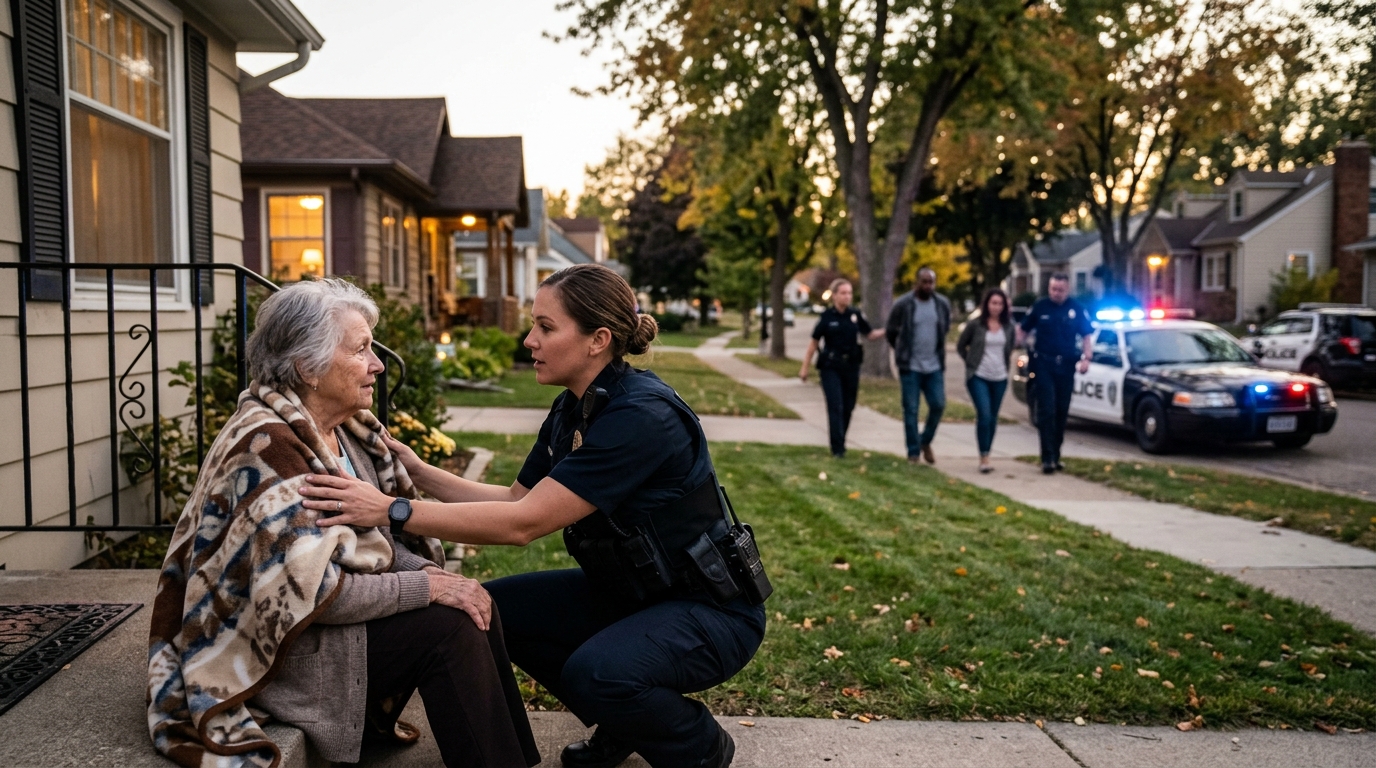
The primary pivot point for a felony charge is whether the conduct created a high probability of severe bodily injury or death. This does not always require that an injury actually occurred. For example, if a caregiver engages in conduct that poses an imminent risk to an elderly person’s life—such as withholding life-saving medication or failing to provide basic nutrition—the law may elevate the offense to a felony based on the potential for harm alone.
Intent vs. Negligence
States vary significantly in how they weigh the intent of the perpetrator. In some jurisdictions, the prosecution must prove that the defendant acted with specific malicious intent. In others, the legal threshold is lower; criminal negligence, where a caregiver’s failure to act demonstrates a reckless disregard for the safety of the individual, is sufficient to trigger felony prosecution.
Chronology of Escalation: How Cases Move Through the System
The journey of an elder abuse case from discovery to sentencing follows a distinct trajectory:
- Detection and Reporting: The process often begins when a family member, medical professional, or social worker identifies signs of abuse—bruising, unexplained weight loss, or suspicious financial transactions.
- Investigation: Adult Protective Services (APS) or law enforcement agencies conduct an initial assessment. If the evidence suggests a crime, the case is referred to a District Attorney or federal prosecutor.
- Charging Decisions: Prosecutors evaluate the "severity factors." They look at the victim’s vulnerability, the presence of physical trauma, the financial loss, and the defendant’s criminal history. A history of prior offenses often acts as an accelerant, pushing a borderline case into the felony category.
- The Legal Bifurcation: The case enters the court system. Simultaneously, a victim’s family may initiate a civil lawsuit to recover damages. These two processes, while potentially overlapping, serve very different purposes.
Supporting Data: Why Penalties Scale Sharply
The discrepancy between misdemeanor and felony sentencing is substantial. Misdemeanors typically carry penalties of short-term jail stays in county facilities, along with fines and mandatory counseling. Felony charges, by contrast, shift the venue to state prison, where sentences are measured in years rather than months.
The Collateral Consequences of a Felony
Beyond incarceration, a felony conviction carries long-term repercussions that a misdemeanor does not:
- Professional Disqualification: Caregivers, nurses, and financial advisors often lose their professional licenses, effectively barring them from their livelihoods.
- Civil Rights Restrictions: Felony convictions can result in the loss of rights such as voting or serving on a jury.
- The "Strike" System: In states with "three-strike" laws, a felony conviction for elder abuse can serve as a permanent mark on a record, drastically increasing potential sentencing for any future criminal conduct.
Case Study: The Danger of Neglect in Care Facilities
One of the most tragic, yet preventable, examples of felony-level abuse involves choking in residential care facilities. When an elderly resident chokes due to a lack of supervision or the provision of improperly prepared food, it is rarely just an "accident."
An experienced elderly choking lawyer will often look beyond the immediate incident to the systemic failures. Were there enough staff on duty? Did the facility ignore previous warnings about the resident’s swallowing difficulties? By reviewing staffing logs, meal preparation records, and medical histories, legal teams can build a case that proves the facility’s conduct rose to the level of criminal neglect. In these instances, the evidence may support not only a civil settlement but also a criminal indictment against the facility or specific staff members.
The Dual-Track Legal Reality: Criminal vs. Civil
It is a common point of confusion for families: can you sue the abuser if the state is already prosecuting them? The answer is yes, and in fact, it is common.
- The Criminal Track: The prosecutor represents the state. The primary goal is punishment, deterrence, and the protection of society. The result of a successful prosecution is a criminal record for the offender and potential prison time.
- The Civil Track: The victim or their estate initiates the lawsuit. The goal here is restitution. It is about making the victim "whole" by recovering lost funds, covering medical expenses, and seeking punitive damages to penalize the wrongdoer.
These two tracks often move in parallel. A criminal conviction can sometimes be used as evidence in a civil case, making it easier for the family to secure a favorable judgment. Conversely, a large civil settlement can serve as a powerful deterrent, forcing care facilities to overhaul their safety protocols.
Implications for Families and Caregivers
For families, the realization that a loved one has been abused is devastating. However, understanding the legal landscape is the first step toward seeking justice. If you suspect abuse, documenting the signs—photographs of injuries, copies of suspicious financial statements, and detailed notes of conversations with caregivers—is critical.
Advocating for Change
The rising number of elder abuse cases is an indictment of current oversight mechanisms. Advocates are calling for:
- Mandatory Reporting Standards: Strengthening laws that require all facility staff to report suspected abuse, regardless of their position.
- Increased Transparency: Better access to facility inspection records and disciplinary history.
- Enhanced Training: Better education for caregivers regarding the legal and ethical implications of neglect.
Conclusion
The law regarding elder abuse is designed to protect the most vulnerable among us. While the distinction between a misdemeanor and a felony can seem technical, it represents the legal system’s attempt to quantify the value of an elderly person’s dignity and life.
As we look toward the future, the onus remains on both the state and the community to ensure that those who prey on the elderly are held accountable. Whether through criminal prosecution or civil litigation, the message must remain clear: the abuse of our seniors is a profound violation that will be met with the full force of the law. Families must remain vigilant, informed, and empowered to act when they see the signs of mistreatment, ensuring that their loved ones are not just cared for, but respected and protected.


 Suro Senen
 Siti Muinah