

 Dwi Wanna
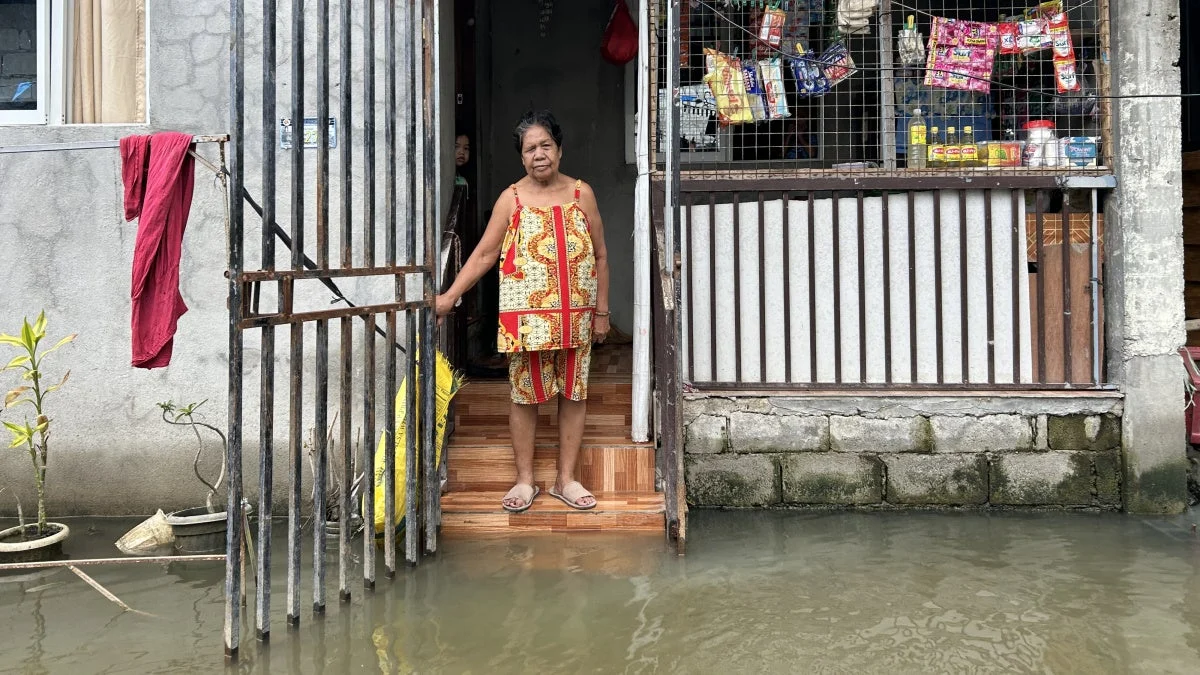
MANILA – For 90 families from Pulo Island in Pampanga, the promise of a safer, more secure future ended in a landscape of stagnant water and shattered livelihoods. Following a state-mandated relocation for a government flood control project, these families—many of whom had lived on the island for generations—have been resettled in a low-lying, flood-prone area in the town of Macabebe, effectively trading one form of environmental danger for a more permanent, systemic struggle.
A recent investigation by Human Rights Watch (HRW) has exposed a litany of failures by Philippine authorities, ranging from a lack of meaningful community consultation to the violation of both national and international standards for the treatment of displaced persons. For these residents, the government’s “planned relocation” has felt less like a safety measure and more like an act of administrative abandonment.
The Reality of the Relocation: A Cycle of Floods
When the government initiated the dredging of the Pampanga River to mitigate the province’s notorious flooding, the residents of Pulo Island were identified as inhabitants of a "danger zone." Between 2022 and 2023, these families were removed to a relocation site in Barangay Candelaria, Macabebe.
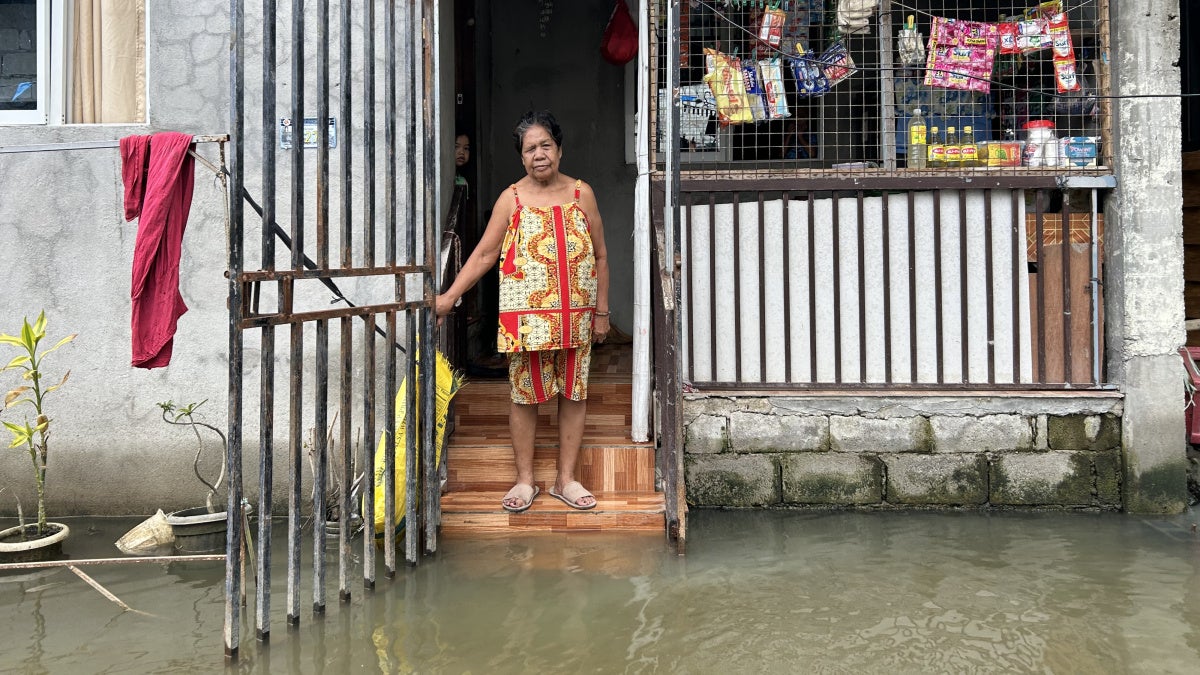
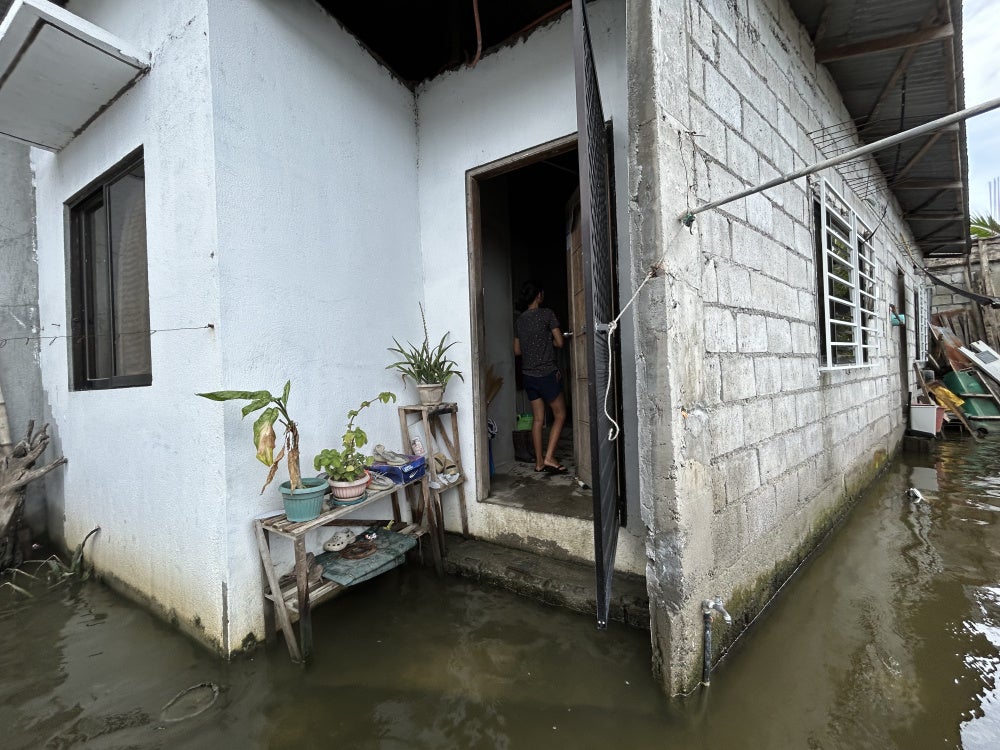
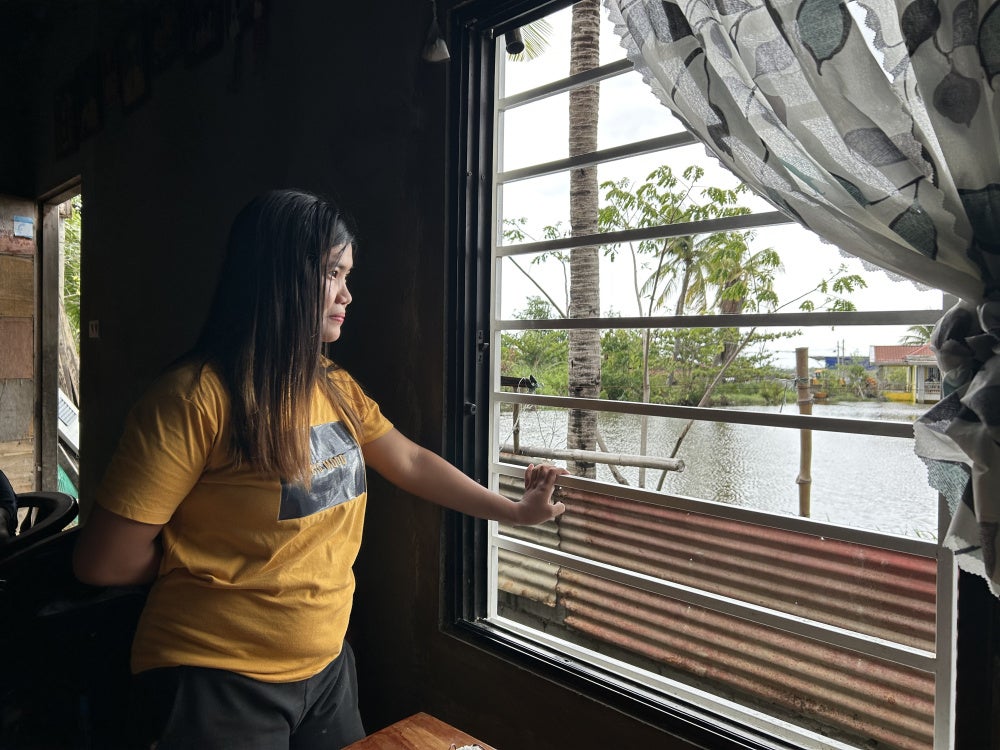
The site, a former fishpond, sits significantly below the elevation of the nearby road dike. While the government promised that embankment works would bring the site to a safe, elevated level, these promises never materialized. Today, residents face knee-to-thigh-deep floodwaters during high tide, a reality that persists even during the dry season.
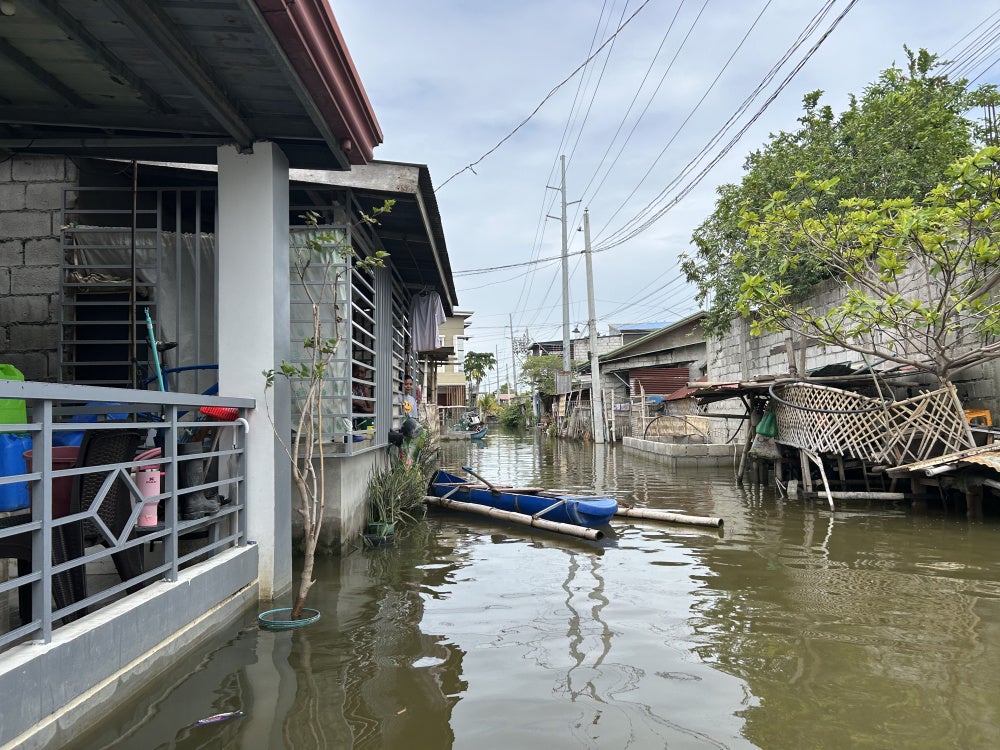
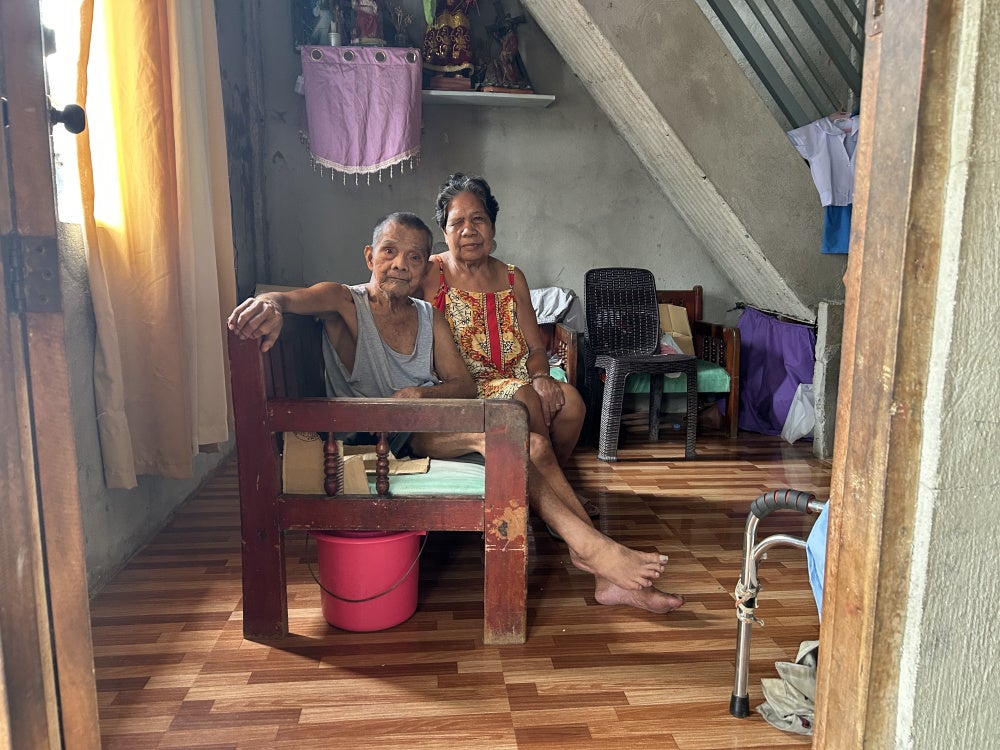
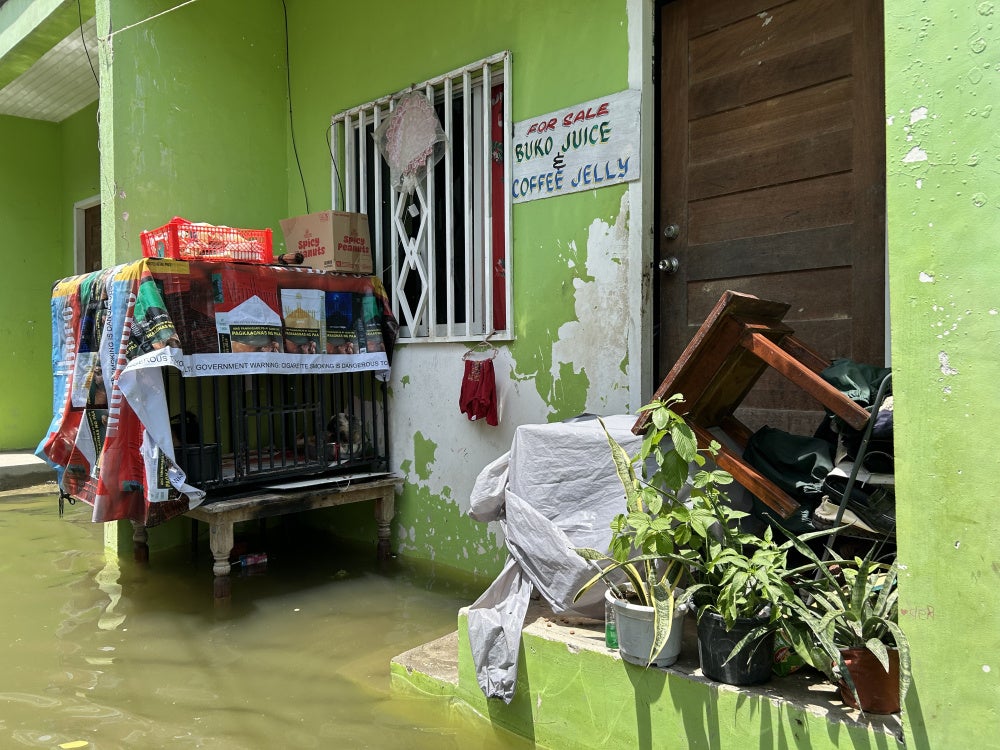
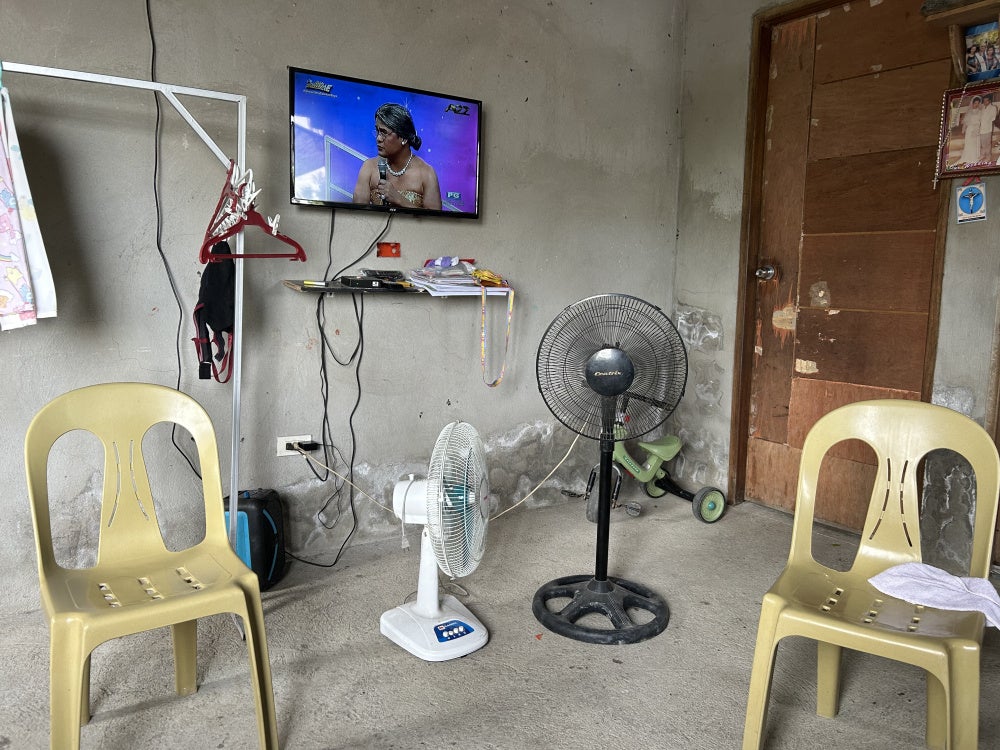
"They removed us from Pulo Island and placed us in a spot where we feel we were thrown away like trash," says a 48-year-old mother of two. For families like hers, daily life has become a grueling routine of wading through contaminated floodwaters, struggling to reach the dike road to access school, work, or hospitals. Many residents, unable to afford the cost of elevating their homes, live in constant states of dampness, with damaged furniture and recurring health risks.
Chronology of a Failed Process
The displacement of the Pulo Island community was not a sudden event, but the culmination of years of bureaucratic opacity.
- 1990s: The Japan International Cooperation Agency (JICA) funds the Pampanga Delta Development Project Phase I, which initially proposed the resettlement of over 1,800 households. The Pulo Island residents resisted and remained, viewing the island as their home.
- 2018: Local government officials begin conducting meetings with families, often in the local Kapampangan language. Residents report that these meetings were not for negotiation, but for notification.
- 2019–2020: The Department of Public Works and Highways (DPWH) awards two contracts totaling PHP 157 million (approx. US$2.6 million) for the dredging of the river and the removal of the island.
- 2021: Residents receive official "Agreement to Demolish and Remove Improvements" forms. The documents are in English, despite the community’s limited proficiency, and provide no legal avenue for negotiation.
- 2022–2023: Under immense pressure and fearing that allocated compensation funds would vanish, families begin to demolish their own homes. The relocation to the Barangay Candelaria site is finalized.
- 2026: Human Rights Watch conducts an extensive investigation, including interviews with 35 residents, local officials, and climate experts, revealing that the site remains dangerously flooded and that promised infrastructure was never completed.
Supporting Data and Technical Findings
Human Rights Watch employed rigorous methodology to verify the community’s claims, including satellite imagery analysis and photogrammetry. The findings paint a stark picture:
- Elevation Deficit: Photogrammetry confirms that the main street of the relocation site is approximately 1.9 meters below the adjacent dike, leaving it perpetually vulnerable to the river’s tidal surges.
- Erosion Misinformation: While officials justified the displacement by citing the erosion of Pulo Island, satellite data shows that in 36 years, the island’s surface area decreased by only 5.2 percent—a modest shift that contradicts the government’s narrative of an "imminent collapse."
- Financial Strain: The compensation process was designed in a way that coerced families into self-demolition. Residents received 70 percent of their payment only after committing to destroy their homes, and the remaining 30 percent was withheld until they provided photographic evidence of the demolition. This structure effectively stripped families of their primary asset before they had secured a stable living environment at the new site.
Official Responses and Bureaucratic Gaps
The institutional response to the Pulo Island crisis reveals a troubling lack of coordination. When questioned, the Department of Public Works and Highways (DPWH) maintained that their role was limited to "technical assistance" and that they were simply fulfilling a request from the late Macabebe Mayor, Anette Balgan.
The Department of Human Settlements and Urban Development (DHSUD), which serves as the lead agency for national resettlement, admitted to Human Rights Watch that the "reported physical characteristics of the site raise concerns regarding its suitability for permanent housing." However, they acknowledged that they were not involved in the project’s planning phase.
"There was no check and balance," notes Ferdinand Zambrano, a project development officer at the local DHSUD office. The lack of inter-agency oversight—involving the Presidential Commission on the Urban Poor or the Commission on Human Rights—meant that the project proceeded without the necessary human rights safeguards. Current municipal officials, including those from the office of Mayor Leonardo Flores, have claimed that documentation regarding the project is missing from the files turned over by the previous administration.
Implications for Human Rights and Climate Policy
The Pulo Island case is a microcosm of a broader, more systemic issue in the Philippines. As climate change accelerates—displacing an estimated 6.6 million people in the country between 2015 and 2025—the government’s reliance on "planned relocation" must align with international standards, such as the UN Guidance on Protecting People from Disasters and Environmental Change.
The Right to Consultation
International law dictates that relocation must be a measure of last resort, preceded by meaningful, informed participation. For the residents of Pulo, the process was an "imposition." They were denied the right to propose alternatives, and their questions regarding land titles and site suitability were met with intimidation. As one resident noted, a local engineer responded to their concerns by claiming that his professional license would not be at risk—effectively shutting down further inquiry.
The Right to an Adequate Standard of Living
The current state of the relocation site violates the basic right to adequate housing. When a state mandates the movement of a community, it assumes a legal and moral obligation to provide the conditions necessary for a life of dignity. By settling these families in a flood-prone fishpond, the government has disrupted social cohesion, severed kinship ties, and decimated the local economy. Farmers and vendors who once supplemented their income through the land on Pulo Island now face unemployment, with many choosing to leave their families behind to seek work in other provinces.
The Way Forward
The Commission on Human Rights has indicated that it will conduct a formal fact-finding investigation into the matter. However, for the residents, the damage is already done.
Lian Buan, Southeast Asia researcher at Human Rights Watch, emphasizes that the Philippine government must urgently pivot to a rights-based approach: "Communities in the Philippines living in flood-prone areas are already facing the consequences of climate change and shouldn’t have to suffer further from botched government relocations. Donors supporting the Philippine response to the effects of climate change should press the government to ensure that every aspect of relocation meets international human rights standards."
As the Philippines continues to invest trillions of pesos in flood control projects—often amidst allegations of corruption—the human cost of these infrastructures cannot be ignored. The Pulo Island relocation serves as a cautionary tale: unless the government prioritizes the rights, safety, and input of its most vulnerable citizens, the very projects intended to protect the population will continue to leave them more exposed than ever.

 Basiran

 Siti Muinah