


 Laily UPN
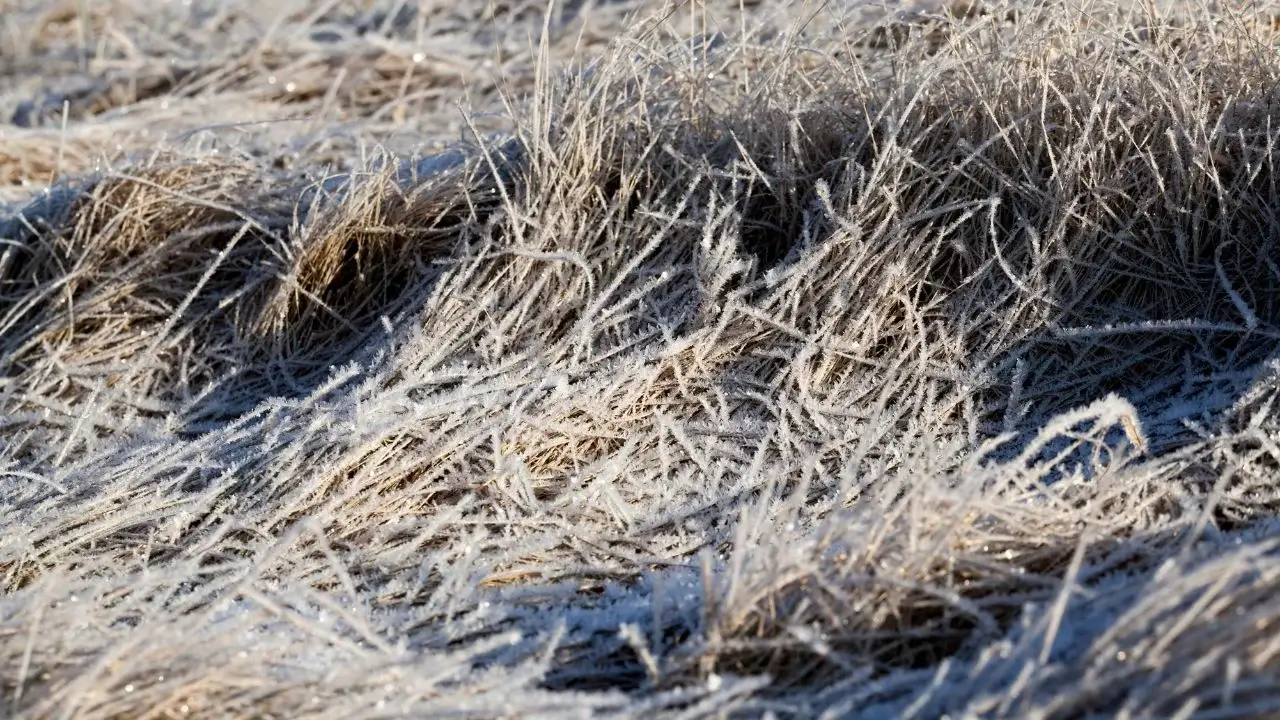
As the frost begins to retreat and the promise of spring planting looms, farmers across the country face a critical decision-making window: the termination of winter cover crops. While cover crops are essential for preventing erosion, fixing nitrogen, and suppressing weeds, the process of ending their growth cycle is a delicate balancing act. Terminating too early leaves the soil vulnerable to spring rains, while waiting too long can deplete critical soil moisture and create a dense mat of residue that complicates seedbed preparation.
Successfully transitioning from a dormant winter field to a productive spring crop requires a strategic approach that respects the biological investment made in the soil. Whether you are managing a small-scale market garden or a broad-acre commodity farm, the method of termination must align with your specific climate, crop rotation, and equipment capabilities.
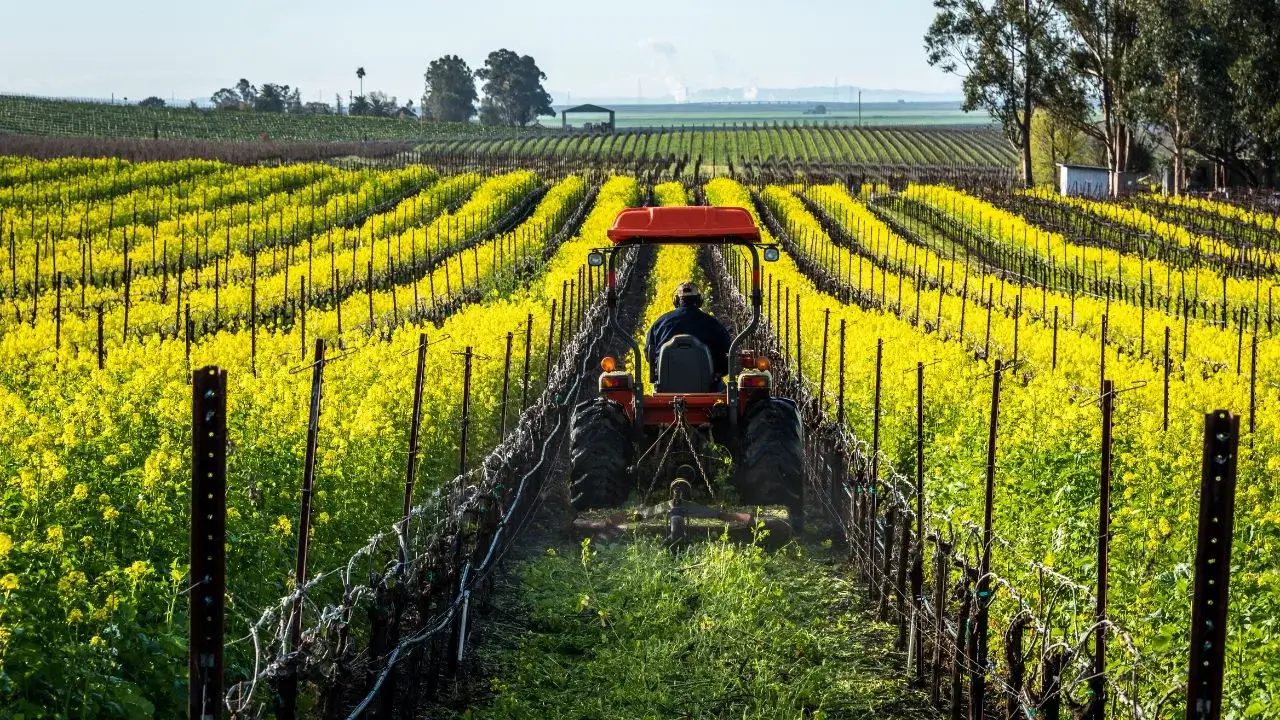
The Strategic Importance of Timing
The overarching goal of cover crop management is to maximize soil biomass while minimizing negative impacts on the primary cash crop. According to regional agricultural extensions, the "how" of termination is secondary to the "when."
Soil Moisture and Nutrient Dynamics
For farms in arid regions or those experiencing a particularly dry spring, the rule of thumb is to terminate cover crops at least two weeks before planting the cash crop. This buffer allows the cover crop residue to begin its initial stage of decomposition, preventing the "green bridge" effect where pests might migrate from the cover crop directly to the newly emerged seedlings.
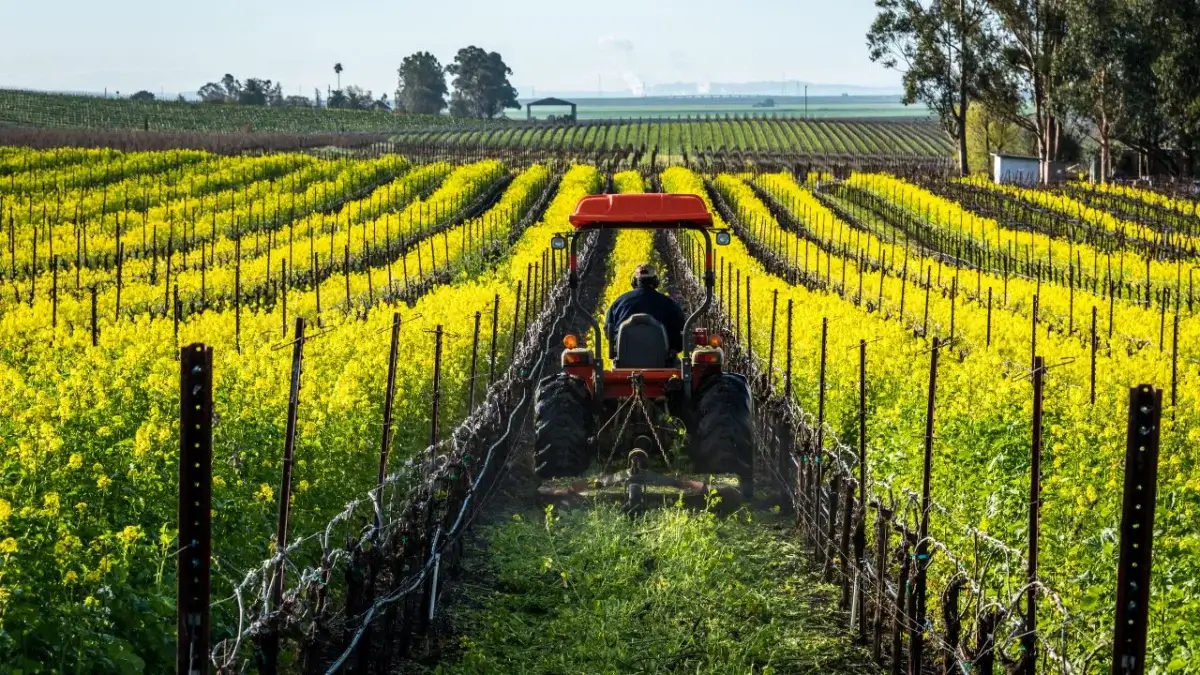
Conversely, in areas with high pest pressure, a longer window—three to four weeks—is often recommended to ensure that the environment is inhospitable to early-season insects. Conversely, if moisture is abundant, some farmers successfully employ "planting green," a technique where cash crops are drilled directly into the living cover crop, which is then terminated shortly after the cash crop emerges. This provides a living root system for as long as possible, keeping microbial life active and soil structure stable.
The "Golden Rule" of Reproduction
Regardless of the method chosen, one biological imperative remains constant: terminate before the cover crop sets seed. If a crop like cereal rye or annual ryegrass reaches the seed-production stage, it transitions from a beneficial soil builder to an invasive weed that will plague the field for seasons to come.
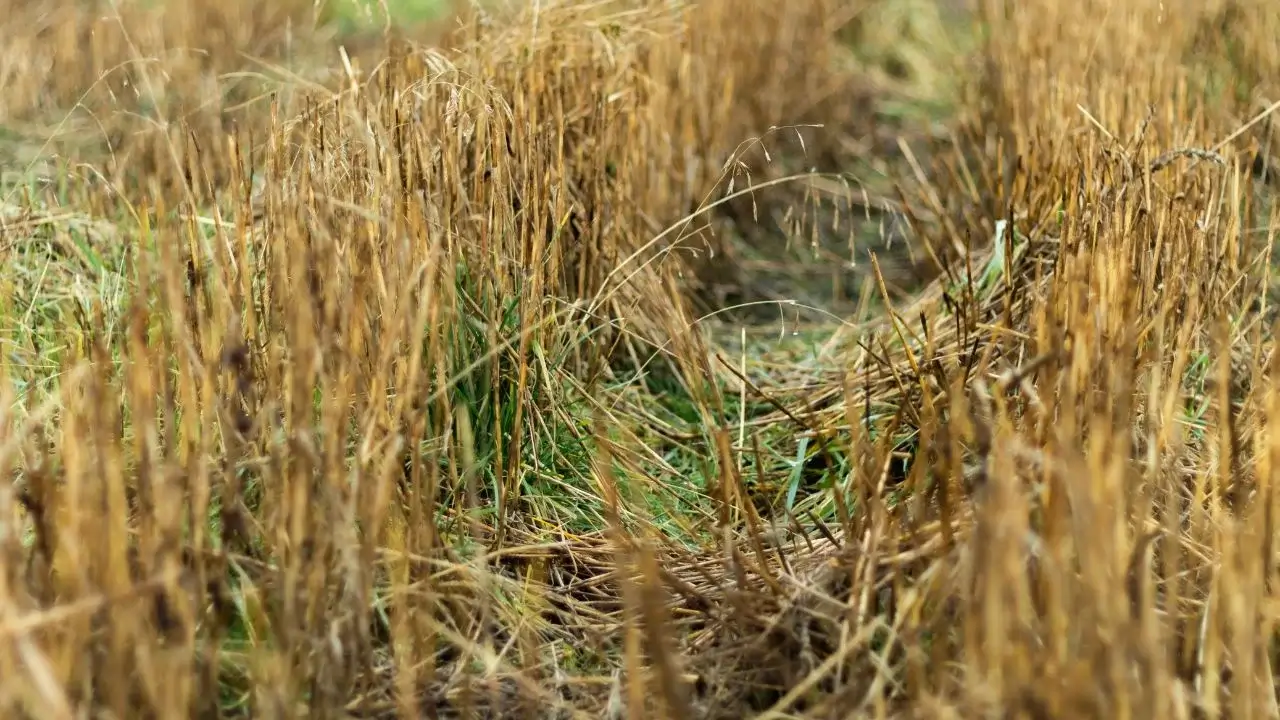
Methods of Termination: A Comparative Analysis
Choosing the right termination technique requires an assessment of your available machinery and your long-term soil health goals.
1. Mowing: The "Chop-and-Drop" Approach
Mowing is a popular, high-speed solution for farmers looking to leave root systems intact to prevent erosion. By cutting the biomass close to the ground, the farmer leaves a layer of mulch that suppresses weeds and retains soil moisture.
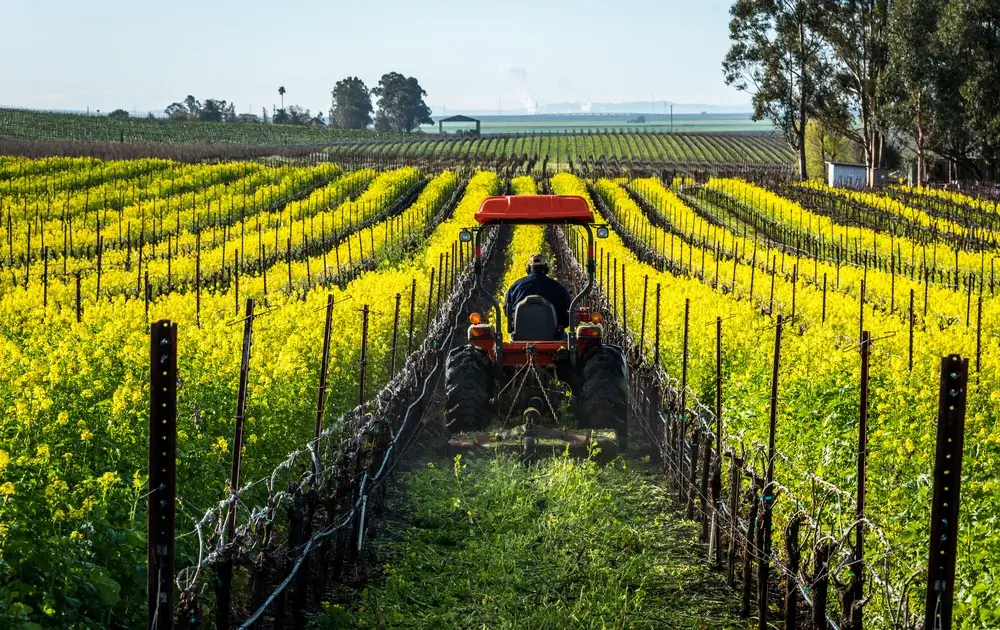
- Best Practices: Utilize a flail mower with multiple blades. The goal is to create fine, uniform particles that decompose rapidly.
- Ideal Crops: Barley, cereal rye, and vetch respond well to this method.
- The Catch: Post-mowing planting can be difficult with precision drills. For many, this method necessitates manual planting or specialized equipment to navigate through the flattened residue.
2. Natural Winterkill: Leveraging the Climate
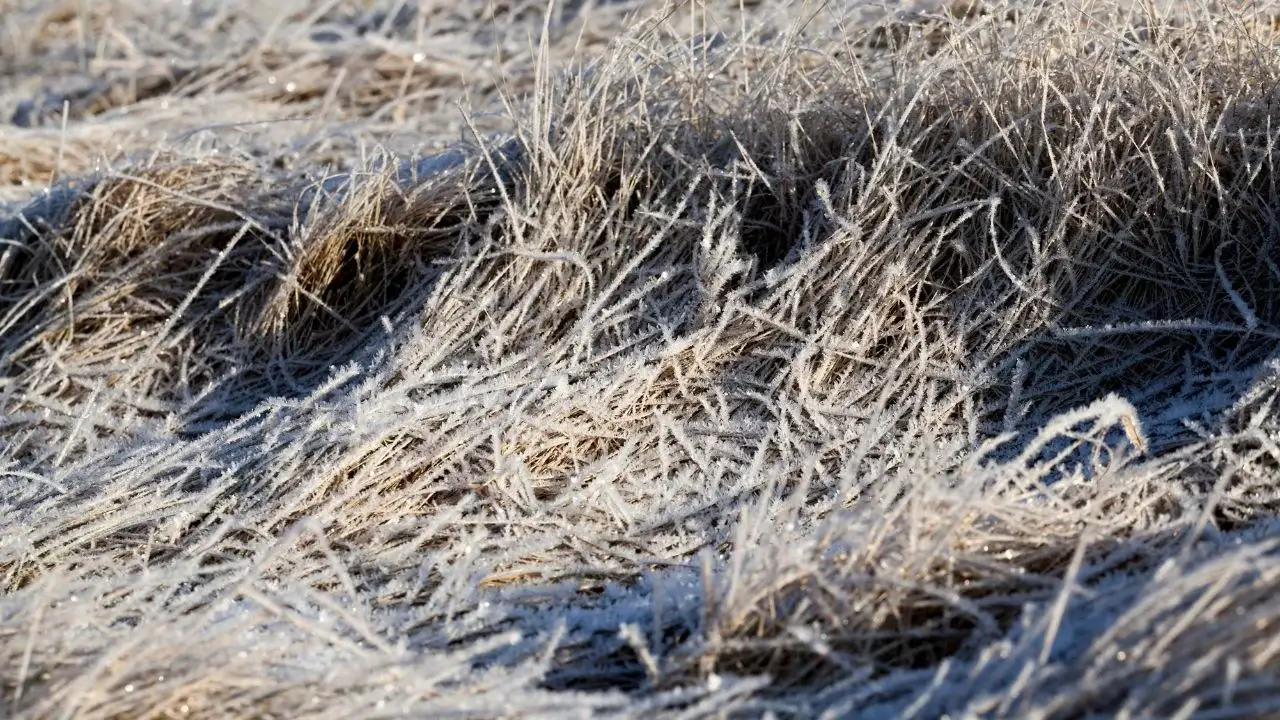
In northern latitudes where hard freezes are a reliable occurrence, farmers can select "winter-killed" cover crops that naturally die back when temperatures drop.
- The Process: Crops such as oilseed radish, buckwheat, and field peas are planted in late summer to ensure they reach their reproductive stage before the first killing frost.
- The Benefit: This is the most labor-efficient method, as it requires zero mechanical intervention.
- The Trade-off: While convenient, the lack of living roots during the late winter and early spring can leave the soil susceptible to compaction and erosion. Furthermore, if the winter is unseasonably mild, these crops may survive, leading to an unexpected spring growth spurt that requires secondary termination.
3. Tillage: The Traditional Route
Tilling remains the most reliable way to ensure a clean slate for planting, though it is increasingly scrutinized in regenerative agriculture circles.
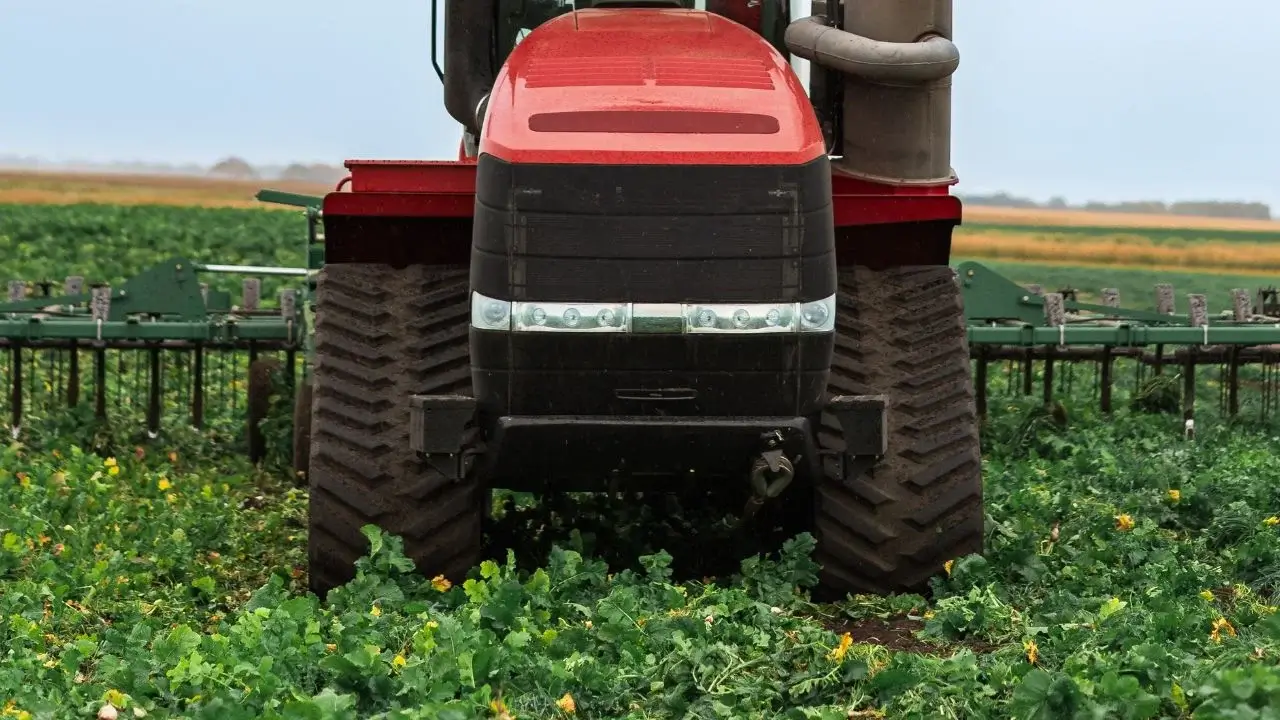
- When to use it: Tillage is effective for persistent cover crops like winter rye that refuse to succumb to mowing or crimping.
- Soil Health Implications: Tilling disrupts the soil profile, destroying the mycorrhizal networks and pore spaces built by the cover crop’s roots. If you choose this route, the best practice is to "till and plant" in one pass or as close together as possible to minimize the time the soil remains bare.
4. Roller Crimping: The Regenerative Gold Standard
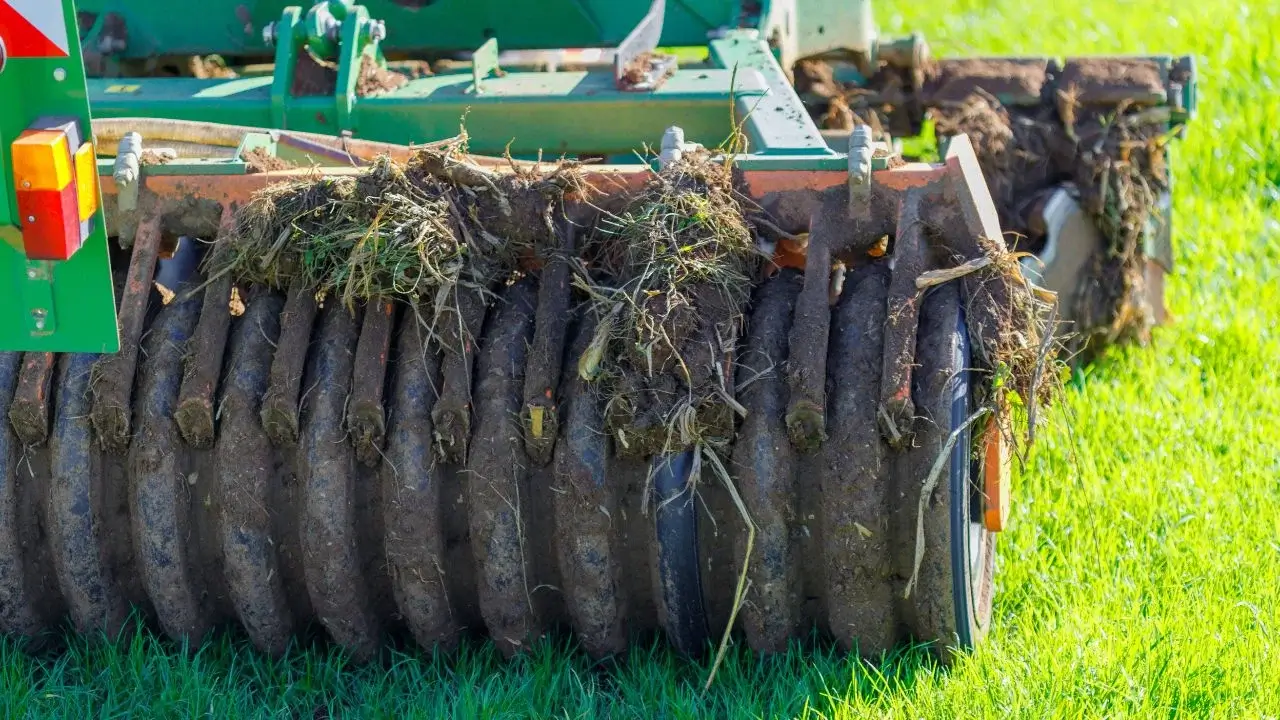
The roller crimper is the hallmark of modern, low-till agriculture. This heavy, bladed cylinder flattens the cover crop, creating a uniform, weed-suppressing mat.
- The Mechanism: The crimper breaks the stem of the plant at regular intervals, effectively killing it while leaving the root system in the ground to decay naturally.
- Timing: This is most effective at the anthesis (flowering) stage. If the crop is crimped too early, the stems may simply bend rather than break, allowing the plant to recover and compete with the cash crop.
- Scalability: While highly effective, this requires a tractor-mounted attachment. For small-scale operations, the capital expenditure may be prohibitive.
5. Livestock Grazing: Converting Biomass to Fertility
For ranchers, the "grazing down" method is a classic example of circular agriculture.
- Nutritional Value: Oats, peas, and cereal rye serve as excellent high-protein forage.
- Management Nuance: To achieve complete termination, grazing density must be high—aiming for 150% to 200% of typical stocking rates—to ensure the animals consume the forage down to the soil line.
- Environmental Factors: Grazing must be done on dry, firm ground. If the soil is muddy, the cattle’s hooves will cause significant compaction, undoing the soil-structure benefits provided by the cover crop. Additionally, farmers must be wary of nitrate accumulation in lush, cool-season grasses, which can be toxic to livestock.
Implications for Future Yields
The transition from winter cover to spring cash crop is not merely a task of "killing" plants; it is an act of nutrient management. When a cover crop is terminated, the nitrogen and carbon sequestered in its tissues begin to mineralize. If the timing is synced correctly, this release of nutrients can provide a significant boost to the early growth stages of the cash crop.
However, the "Carbon-to-Nitrogen" (C:N) ratio plays a critical role here. If a high-carbon crop like mature cereal rye is terminated late, it can temporarily "tie up" nitrogen in the soil as microbes work to break down the carbon, potentially starving the emerging cash crop. Farmers should aim for a balance, often using a mix of legumes (which add nitrogen) and grasses (which add carbon) to create a balanced "soil smoothie."
The Path Forward
As agriculture continues to move toward regenerative models, the conversation is shifting from "how do we get rid of this cover crop?" to "how do we best utilize this resource?"
The key is to treat termination as a planned event rather than a reactive chore. By assessing your soil type, moisture levels, and available equipment, you can select a method that enhances rather than depletes your land’s long-term potential. Whether you are rolling, mowing, or grazing, the objective remains the same: ensuring that your soil is healthier today than it was at the start of the season.

Expert Advice for the Transition
- Document Everything: Keep a journal of your termination dates and the subsequent performance of your cash crop. What worked in one field may need adjustment in another.
- Test Your Soil: Perform a pre-plant nitrogen test. Terminating a heavy cover crop can change your fertilizer requirements significantly.
- Consult Local Resources: Your local university extension or regional soil conservation office can provide specific data on how local weather patterns influence decomposition rates for the crops in your area.
By integrating these methods into a cohesive strategy, farmers can bridge the gap between winter dormancy and spring abundance, ensuring that every acre of soil remains a productive, living, and protected ecosystem.


 Ammar Sabilarrohman
 Lina Irawan