


 Lina Hope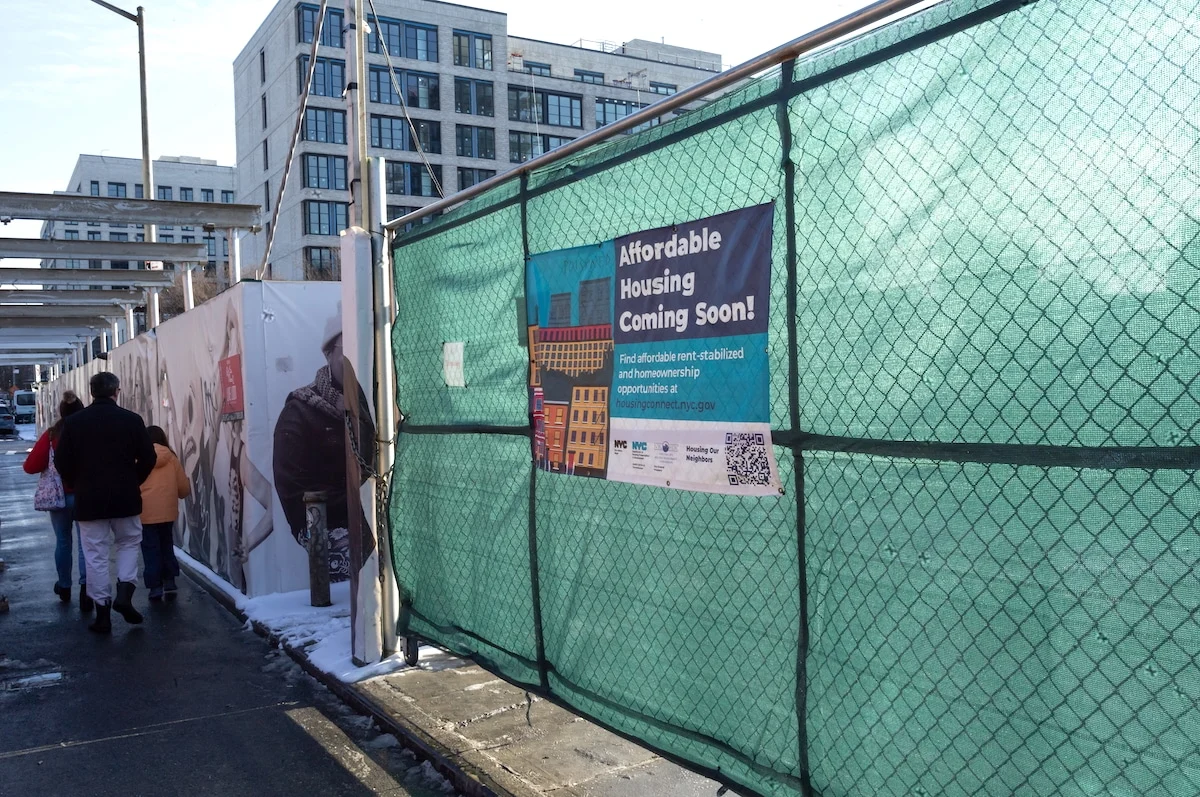
New York City, NY – December 24, 2024 – In a move that solidifies its commitment to a sustainable future, New York has officially become the first state in the United States to mandate that all new buildings be constructed entirely electric, eliminating the need for fossil fuel hookups, including natural gas. This groundbreaking regulation, initially passed in 2023 as the All-Electric Buildings Act (AEBA), received its final approval from the State Fire Prevention and Building Code Council in late July 2025, marking a significant victory for environmental advocates and a pivotal shift in the state’s energy landscape.
The new mandate is set to dramatically reshape the construction industry and the energy consumption patterns of its residents. For residential buildings up to seven stories tall, and commercial or industrial buildings up to 100,000 square feet, building permit applications approved on or after December 31, 2025, will be required to adhere to these all-electric standards. Larger commercial and industrial structures exceeding 100,000 square feet will have a slightly extended deadline, needing to comply by 2029, as reported by Canary Media. This phased approach aims to allow for smoother transitions and the development of necessary infrastructure.
This historic legislation directly addresses the substantial contribution of the built environment to greenhouse gas emissions. Buildings are responsible for a staggering 31% of all emissions in New York, according to a report by the New York State Department of Environmental Conservation. By transitioning to electric power for heating, cooling, and cooking in new constructions, New York aims to significantly curb these emissions, paving the way for a cleaner and healthier environment.
A Timeline of Transformation: From Legislation to Final Approval
The journey to New York’s all-electric building mandate has been a testament to persistent advocacy and legislative action. The initial passage of the All-Electric Buildings Act in 2023 marked a crucial first step. However, the path to implementation was not without its hurdles. The legislation faced legal challenges from building and fossil fuel industry groups, who sought to replicate a previous success that had overturned a similar ban on natural gas hookups in new buildings in Berkeley, California.
These legal battles culminated in a critical court decision in early July 2025. The U.S. District Court of the Northern District of New York ruled in favor of the state, affirming its authority to proceed with the implementation of the 2023 All-Electric Building Act. This judicial endorsement provided a vital boost to the AEBA, signaling that the state’s efforts to decarbonize its building sector would move forward.
"The fossil fuel industry was sent a powerful message by the court in this case – the health, well-being, affordability, and prosperity of our communities matters more than the industry’s profits and the hollowness of its fear mongering," stated Dawn Wells-Clyburn, executive director of PUSH Buffalo, in a statement released by Earthjustice. "The AEBA remains a powerful victory in the fight for our lives." This sentiment underscores the profound impact of the ruling, highlighting the prioritization of community welfare over vested industry interests.
The finalization of the rule by the State Fire Prevention and Building Code Council in late July 2025 cemented the legislative framework, setting the stage for its phased implementation beginning at the end of the year. This comprehensive process, from initial legislative intent to final regulatory approval and a decisive court victory, demonstrates a robust commitment to environmental progress.
Unpacking the Data: Environmental and Economic Benefits
The implications of New York’s all-electric building mandate extend far beyond environmental protection, promising significant economic advantages for both residents and the state as a whole. Projections indicate a substantial reduction in energy usage, with estimates suggesting a decrease of approximately 17% in New York homes. This efficiency gain is expected to translate into tangible savings for residents, with households potentially saving nearly $5,000 over a 30-year period.

Furthermore, a study by the New Buildings Institute highlights the economic viability of constructing all-electric buildings from the outset. For single-family homes, this approach could lead to savings ranging from $7,500 to $8,200 compared to conventional homes that incorporate fossil fuel infrastructure. These figures challenge the long-held notion that sustainable construction is inherently more expensive, demonstrating that upfront investments in electric systems can yield long-term cost benefits.
The AEBA’s focus on electrification is strategically designed to address the significant carbon footprint of buildings. By eliminating direct fossil fuel combustion for heating, cooling, and appliances, New York is proactively tackling a major source of greenhouse gas emissions. This shift is not only about reducing emissions but also about improving indoor air quality and public health by removing pollutants associated with burning fossil fuels.
Navigating Exemptions and Future Challenges
While the AEBA represents a sweeping change, it acknowledges the diverse needs of various building types. The mandate includes specific exemptions to accommodate certain facilities that may require specialized systems or have unique operational demands. These exceptions include agricultural buildings, medical facilities, crematoriums, laboratories, restaurants, and other specific types of establishments that can demonstrate adherence to certain criteria. This nuanced approach ensures that the transition to all-electric is practical and achievable across different sectors.
Despite the significant legal victory and regulatory finalization, the New York act may still encounter further legal challenges. Industry groups have reportedly requested the U.S. Department of Justice to intervene and block the law from taking effect. This ongoing scrutiny underscores the contentious nature of transitioning away from fossil fuels and the powerful opposition that such policies can face.
However, proponents of the legislation remain optimistic and resolute. Alex Beauchamp, Northeast region director at Food & Water Watch, emphasized the power of collective action in achieving this legislative milestone. "When New Yorkers come together… we can win even in the face of opponents with an almost-limitless budget," Beauchamp told Canary Media. "That is how we won this bill. It’s also how we are going to continue the fight to get fossil fuels out of all the existing buildings in the state." This statement highlights a broader vision of continued advocacy to address emissions from the existing building stock.
A National Precedent and a Glimpse into the Future
New York’s pioneering legislation has set a powerful precedent for other states and municipalities across the nation. As the first state to enact such a comprehensive all-electric building requirement, New York is demonstrating a clear path forward for decarbonizing the built environment. The success of the AEBA, despite legal challenges, offers a compelling model for other jurisdictions grappling with climate change and the need to transition to cleaner energy sources.
The image of dozens of large housing construction projects along the Gowanus Canal in Brooklyn, as seen on December 24, 2024, serves as a visual representation of the evolving landscape of urban development. While these specific projects may predate the finalization of the AEBA, they symbolize the ongoing construction boom in New York City. The future of such projects, however, will now be shaped by the all-electric mandate, ensuring that new developments contribute to, rather than detract from, the state’s climate goals.
The shift towards all-electric buildings is not merely a regulatory change; it represents a fundamental reimagining of how we design, construct, and inhabit our living and working spaces. It is a commitment to a future where buildings are not only energy-efficient but also healthier, more affordable, and more resilient. New York’s bold step forward is a beacon of hope, illuminating the possibilities of a sustainable and electrified future for all.


 Reynand Wu
 Sagoh
Sagoh