


 Nana Muazin
In December 2022, a sense of historic optimism permeated the air in Montreal. Nearly 200 nations gathered under the auspices of the United Nations to adopt the Kunming-Montreal Global Biodiversity Framework (GBF). Often described as the "Paris Agreement for Nature," the framework set an ambitious, quantifiable goal: to protect 30% of the planet’s land and oceans by 2030. It was a formal acknowledgment by the international community that the rapid degradation of our natural world is not merely an environmental concern, but a systemic threat to the stability of human civilization.
However, less than two years later, that optimism has been replaced by a grim reality. A recent draft report from the United Nations paints a sobering picture of our progress: the world is currently falling short on 22 out of 23 biodiversity targets for 2030. While governments deliberate and draft legislation, the physical world continues to shrink. Nowhere is this disconnect between policy and reality more visible than in the ancient forests of Europe, where corporate supply chains are outpacing conservation efforts.
The Chronology of a Disappearing Landscape
To understand the current crisis, one must look at the timeline of the last few years—a period characterized by high-level promises and low-level compliance.
- 2022 (December): The Kunming-Montreal Global Biodiversity Framework is signed. Governments pledge to halt and reverse biodiversity loss by 2030.
- 2023: Monitoring groups begin to report that despite the agreement, logging activities in "high-conservation-value" (HCV) areas remain largely unchecked.
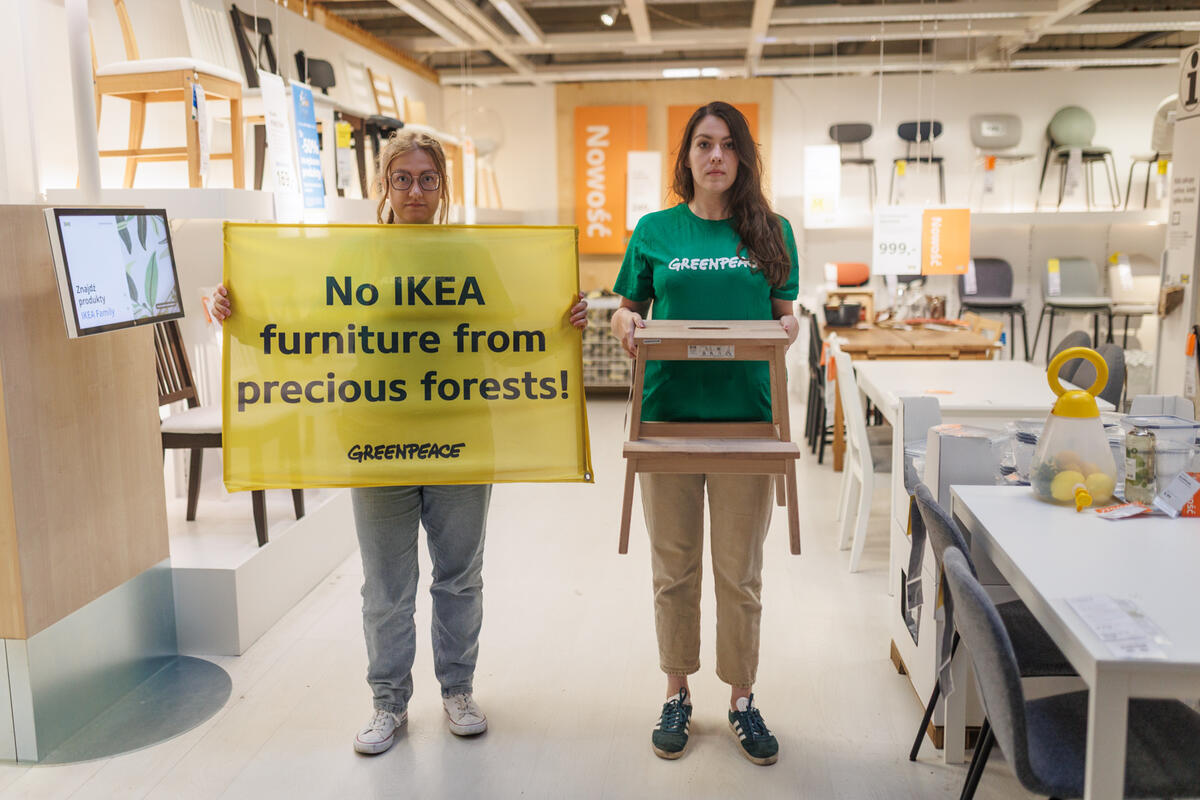
- 2024 (Early): Investigations by environmental organizations, including Greenpeace, reveal a direct link between the supply chains of global retail giants—specifically Ikea—and the destruction of primary, biodiverse forests in countries like Romania.
- 2024 (Mid-year): Evidence surfaces that forests previously earmarked for state protection are being "pre-emptively" logged. By the time legal protections are finalized, the ecosystem has been reduced to timber, rendering the protection status irrelevant.
- 2025 (Present): A landmark UN assessment confirms that current national implementation plans are insufficient to curb the mass extinction of species, highlighting a catastrophic failure to integrate business accountability into national biodiversity strategies.
The Corporate Paradox: Sustainability vs. Extraction
At the center of this controversy stands Ikea, the world’s largest furniture retailer. The company has long marketed itself as a champion of sustainability, investing heavily in renewable energy, circular design, and eco-friendly branding. Yet, investigative reports suggest a profound disconnect between the company’s corporate communications and its procurement reality.
Greenpeace investigations have documented that wood from some of Europe’s most precious, high-biodiversity forests is ending up on the shelves of Ikea stores globally. This exposes a fundamental flaw in the "green transition" currently favored by major corporations: it often relies on the continued exploitation of virgin ecosystems under the guise of "sustainable forestry management."
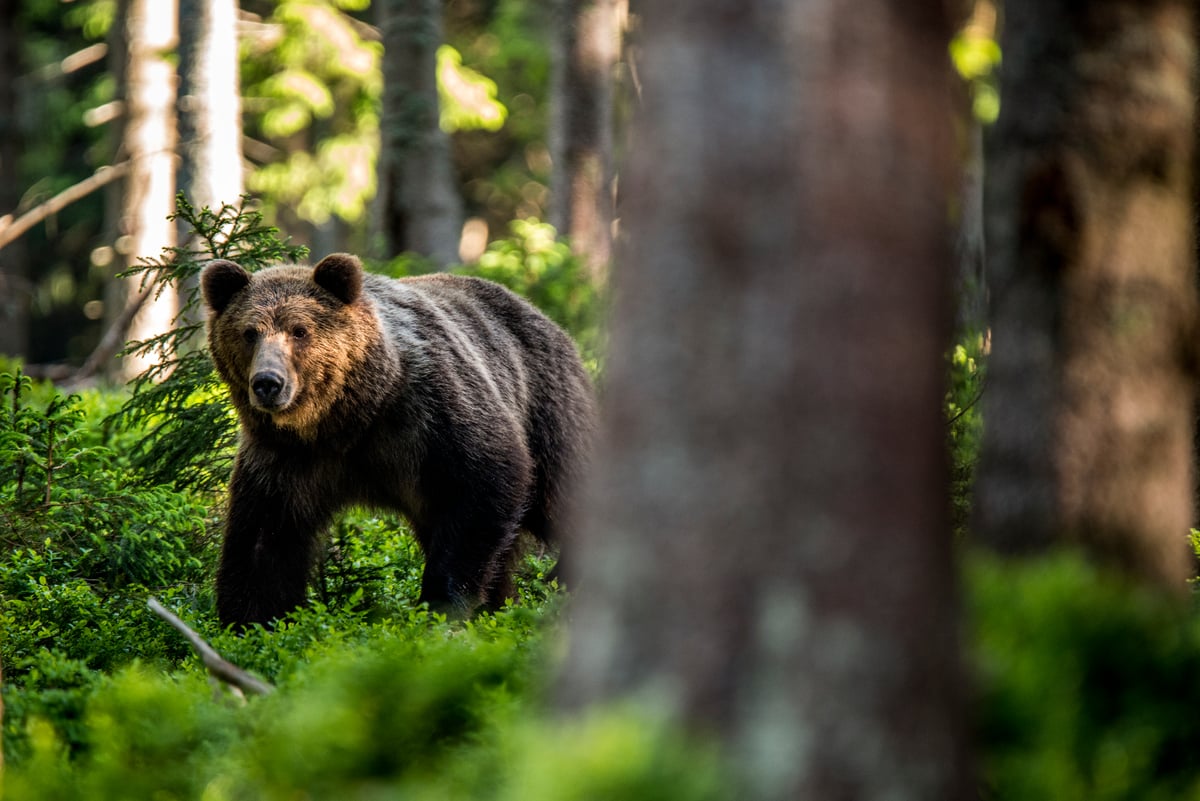
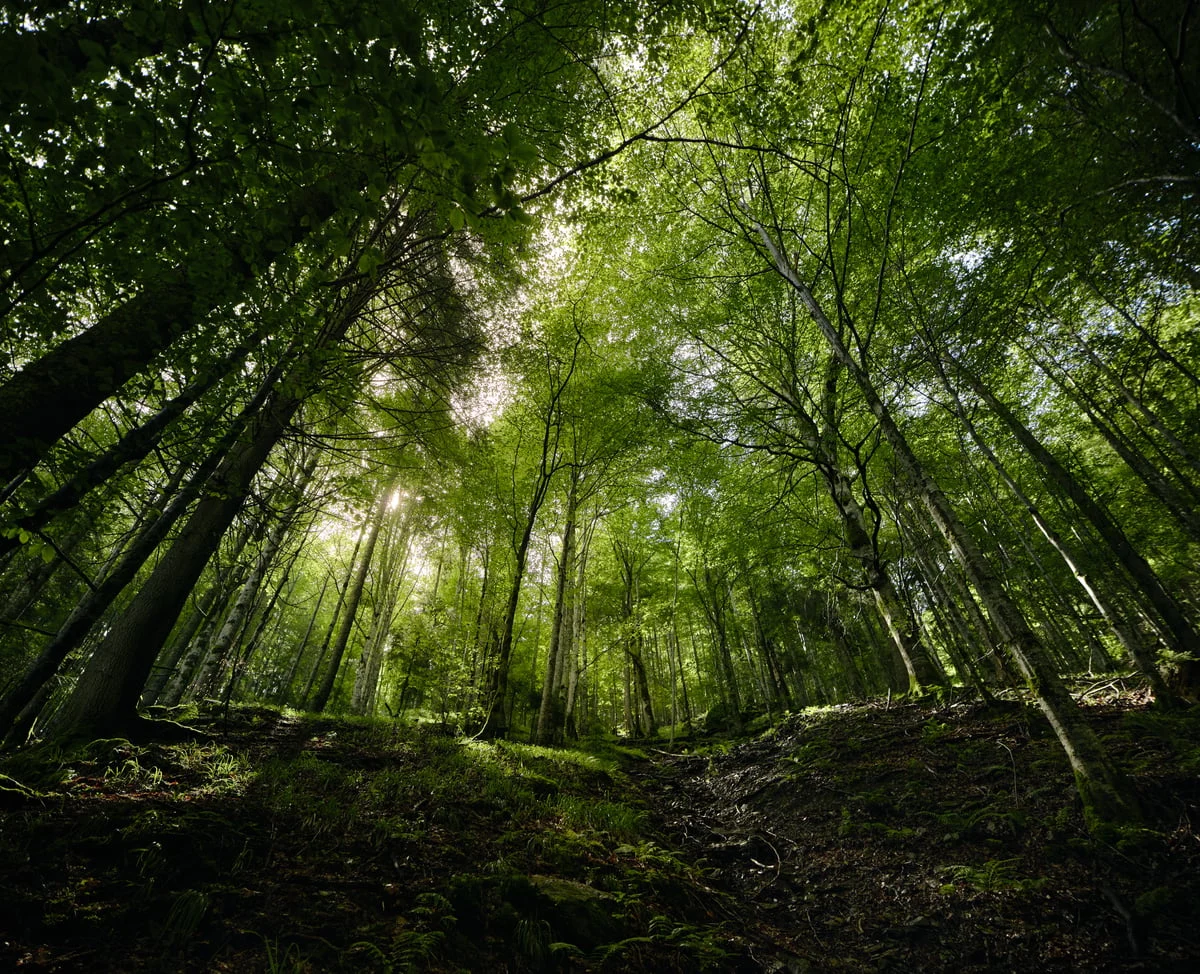
When critics speak of "precious forests," they are not referring to commercial timber plantations. They are referring to ancient, primary, and old-growth forests—ecosystems that have evolved over centuries, sequestering vast amounts of carbon and providing habitats for endangered species. These forests are irreplaceable. Once they are felled, the complex web of life they support—from mycorrhizal fungi to large carnivores—cannot be restored by simply planting new trees in a neat, commercial row.
The Case of the Romanian Carpathians: A Lesson in Irreversibility
The situation in the Carpathian Mountains of Romania serves as a harrowing case study of how policy failures result in physical destruction. In several instances, areas identified by scientists and NGOs as "High Conservation Value Forests" were proposed for government-mandated protection.
The strategy was straightforward: map the area, propose it for the "protected" list, and wait for the legal process to conclude. However, the logging industry moved with greater speed than the bureaucracy. By systematically clear-cutting these zones before they could be legally designated as protected, logging companies effectively removed the "reason" for protection.
The result is a administrative loophole: the land is removed from the protection list because the forest, the very entity that required protection, no longer exists. For local ecosystems, this is a terminal event. For the industry, it is simply a supply chain procurement.
Supporting Data: The Scale of the Threat
The implications of these losses are catastrophic. According to the Intergovernmental Science-Policy Platform on Biodiversity and Ecosystem Services (IPBES), the rate of global species extinction is already tens to hundreds of times higher than the average over the past 10 million years.
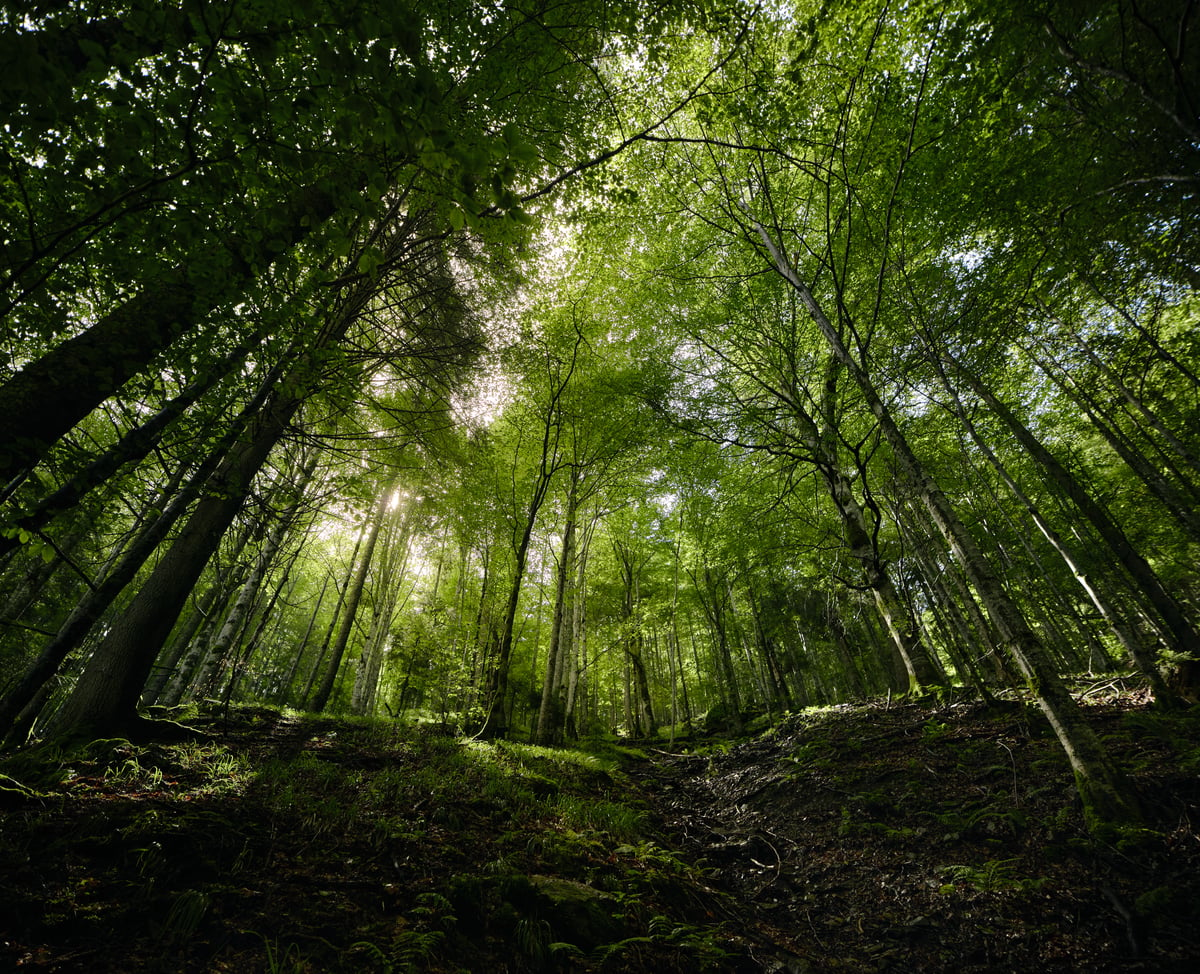
- Biodiversity Loss: Forests cover roughly 30% of the Earth’s land area but house 80% of its terrestrial biodiversity. Every hectare of old-growth forest lost represents the localized extinction of countless species.
- Carbon Sequestration: Old-growth forests are the planet’s most efficient carbon sinks. Converting them into furniture or paper releases centuries of stored carbon back into the atmosphere, directly undermining the climate goals of the Paris Agreement.
- Economic Risk: The World Economic Forum has consistently ranked biodiversity loss as one of the top global risks to the economy. Businesses that rely on raw materials from stable ecosystems are inherently jeopardizing their own long-term viability by contributing to the collapse of the very natural infrastructure they depend upon.
Official Responses and Corporate Responsibility
When confronted with these findings, many corporations rely on third-party certification schemes to validate their wood sources. However, environmental watchdogs argue that these certifications are often insufficient for the most sensitive forest types.
Ikea has consistently stated that it is committed to "responsible forestry" and that it adheres to strict standards. Nevertheless, the presence of wood from primary forests in their supply chain suggests that their current auditing systems are failing to filter out wood harvested from areas that, by any ecological standard, should remain untouched.
The demand from environmentalists is clear: it is not enough for corporations to be "better" than their competitors; they must be "better" than the current regulatory environment requires. Given their market power, retailers like Ikea have the ability to shift industry standards overnight by simply refusing to procure timber from high-risk, high-biodiversity areas.
Implications for the Future
The failure to meet the 2030 biodiversity targets is not just a failure of environmental policy; it is a failure of governance and corporate ethics. If we continue to prioritize short-term profit and slow-moving legislative processes over the immediate preservation of primary forests, we risk crossing "tipping points" from which there is no return.
The protection of 30% of the planet by 2030 is a minimum threshold for survival, not an aspirational ceiling. To achieve this, several shifts must occur:
- Immediate Moratoriums: Governments must declare immediate moratoriums on logging in all identified primary and old-growth forest areas, bypassing lengthy bureaucratic delays.
- Supply Chain Transparency: Corporations must be held legally liable for the ecological origin of their raw materials. Self-regulation has proven ineffective; independent, third-party, and scientific oversight is required.
- Active Engagement: As the largest players in the industry, retailers must take responsibility for their upstream impact. If they hold the power to dictate market trends, they must use that power to protect, rather than exploit, the world’s remaining natural heritage.
The forests of the Carpathians, the Amazon, and the Congo Basin are not just reservoirs of timber; they are the lungs of the planet and the home of life itself. We are currently presiding over their erasure in real-time. The question is no longer whether we have the goals or the technology to save these ecosystems—the question is whether we have the political and corporate will to stop the chainsaws before the last of these forests vanish forever.
As Frida Bengtsson of Greenpeace Nordic poignantly notes, the time for "business as usual" has expired. We are living through a window of opportunity that is closing with every tree felled. Once these ecosystems are gone, no amount of corporate greenwashing will bring them back.


 Layla Zulfa

 Neng Nana