

 Layla Zulfa
As of October 2025, Medicare stands at a critical juncture in American public policy. Established in 1965 under Title XVIII of the Social Security Act, the program has evolved from a modest social safety net into a massive pillar of the U.S. healthcare infrastructure. Today, it serves 68 million beneficiaries—a diverse population of seniors and individuals with long-term disabilities—and represents a significant portion of both the federal budget and national health expenditures.
Main Facts: The Scope of the Program
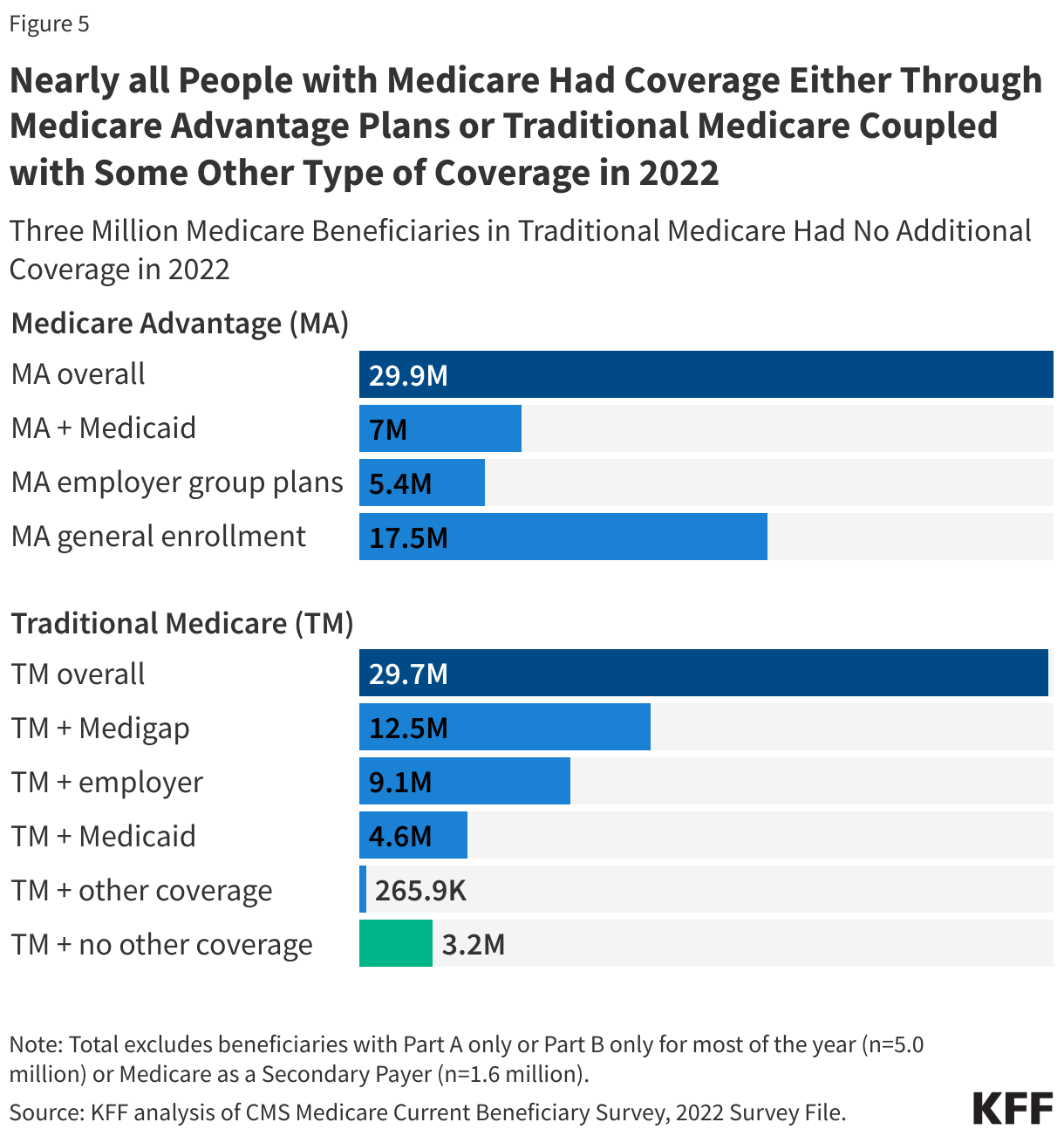
Medicare is not a monolith; it is a complex, multi-part federal system. It provides coverage for hospitalizations (Part A), physician services (Part B), and prescription drugs (Part D). Beneficiaries can opt for "Traditional Medicare" or "Medicare Advantage" (Part C), a private-plan alternative that has seen explosive growth over the last decade.

The program’s financial footprint is staggering. In 2024, Medicare spending accounted for 13.5% of the federal budget. Funding relies on a tri-fold approach: government general revenue (44%), payroll tax contributions (35%), and beneficiary premiums (15%). As the American population ages, these financial streams face mounting pressure from rising healthcare costs and a shifting worker-to-beneficiary ratio.
Chronology: A Half-Century of Evolution
- 1965: Medicare is signed into law, providing universal health coverage for those 65 and older.
- 1972: Eligibility is expanded to include individuals under 65 with long-term disabilities and those with end-stage renal disease.
- 2003: The Medicare Modernization Act (MMA) introduces Part D, creating a voluntary outpatient prescription drug benefit.
- 2010: The Affordable Care Act (ACA) establishes the Center for Medicare and Medicaid Innovation (CMMI) to test alternative payment models.
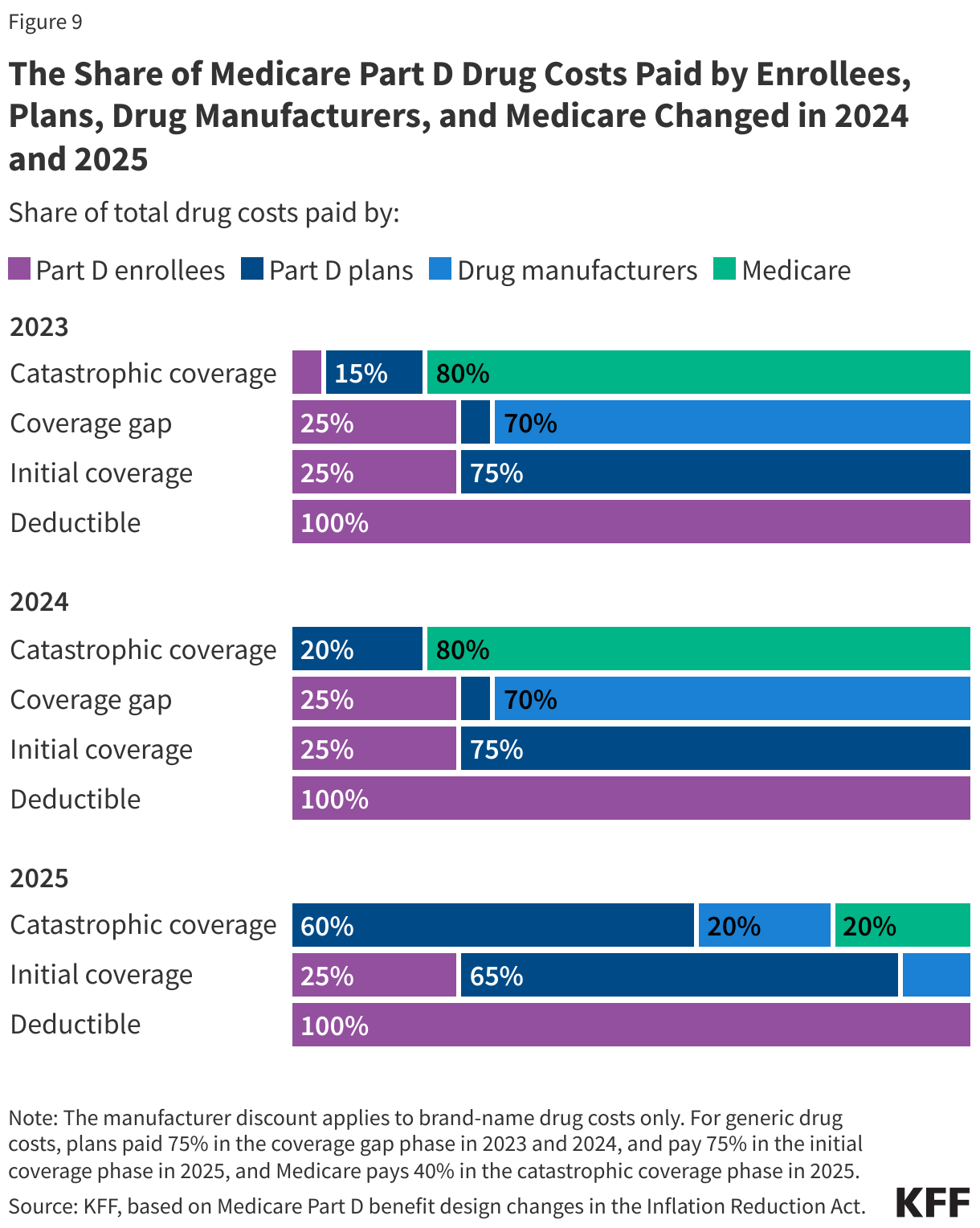
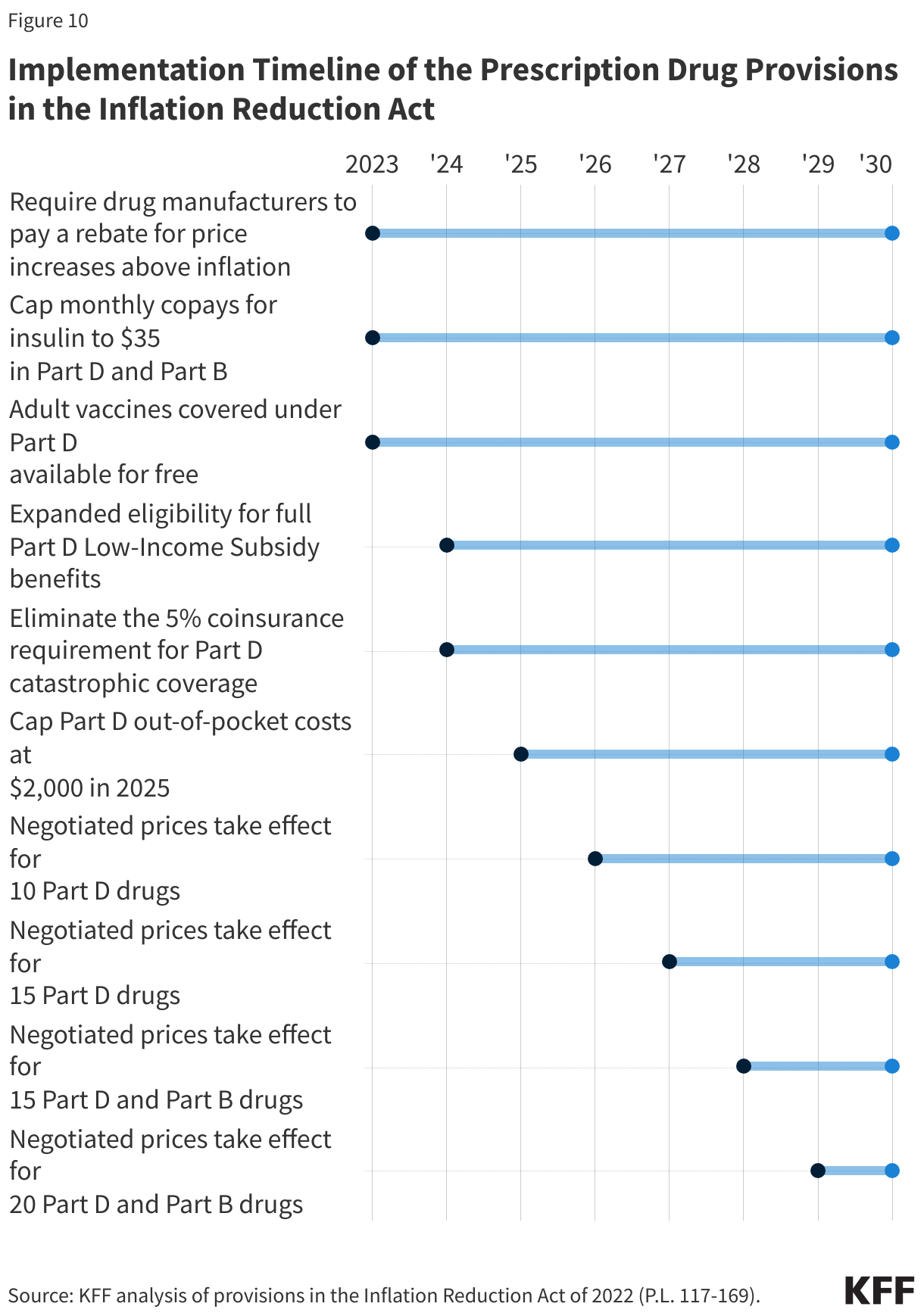
- 2022: The Inflation Reduction Act (IRA) introduces landmark provisions, including the $2,000 out-of-pocket prescription drug cap.
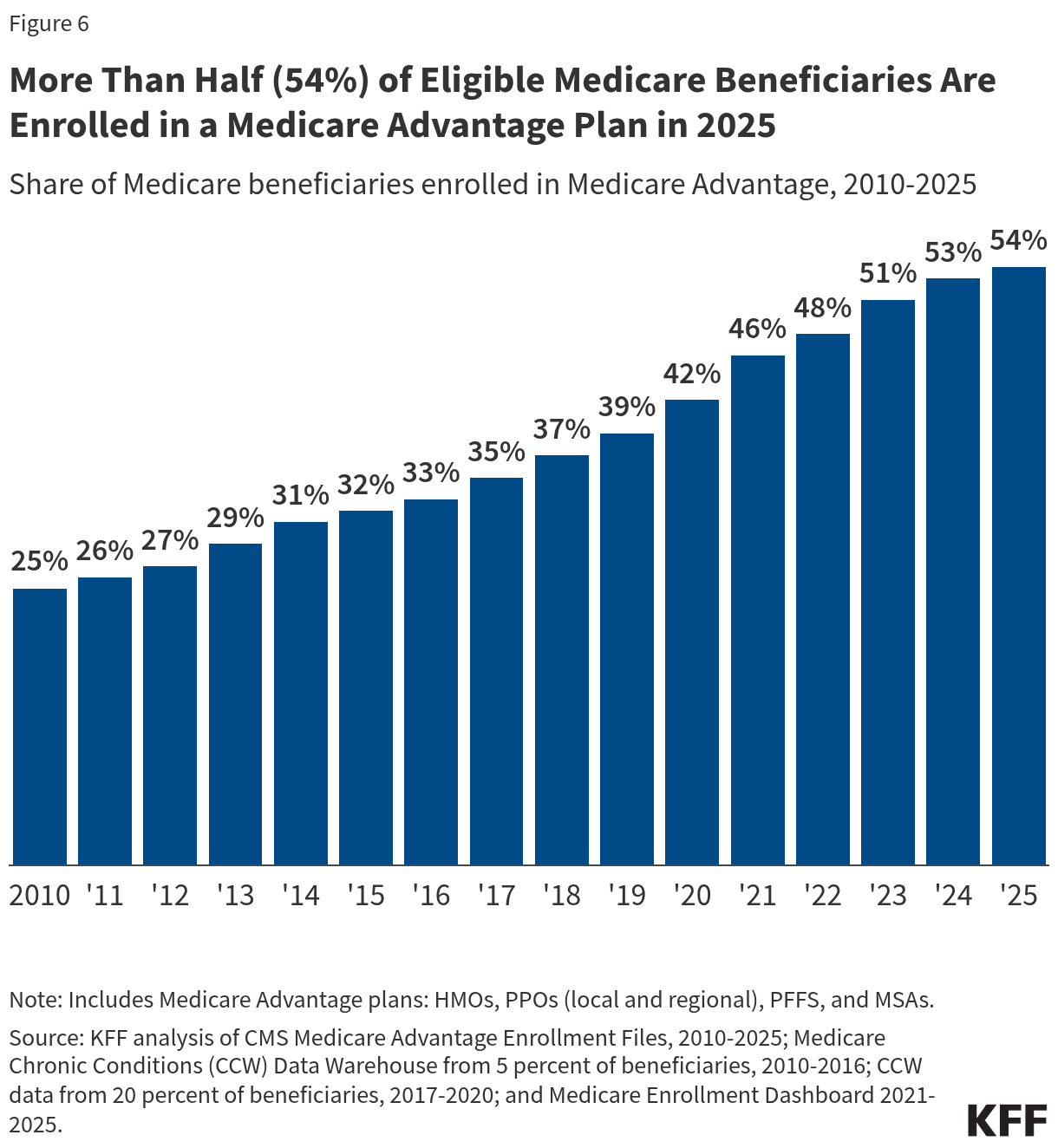
- 2025: Medicare Advantage enrollment reaches a new high, covering 54% of eligible beneficiaries, while the Part A Hospital Insurance trust fund faces an projected depletion date of 2033.
Supporting Data: Beneficiaries and Health Status
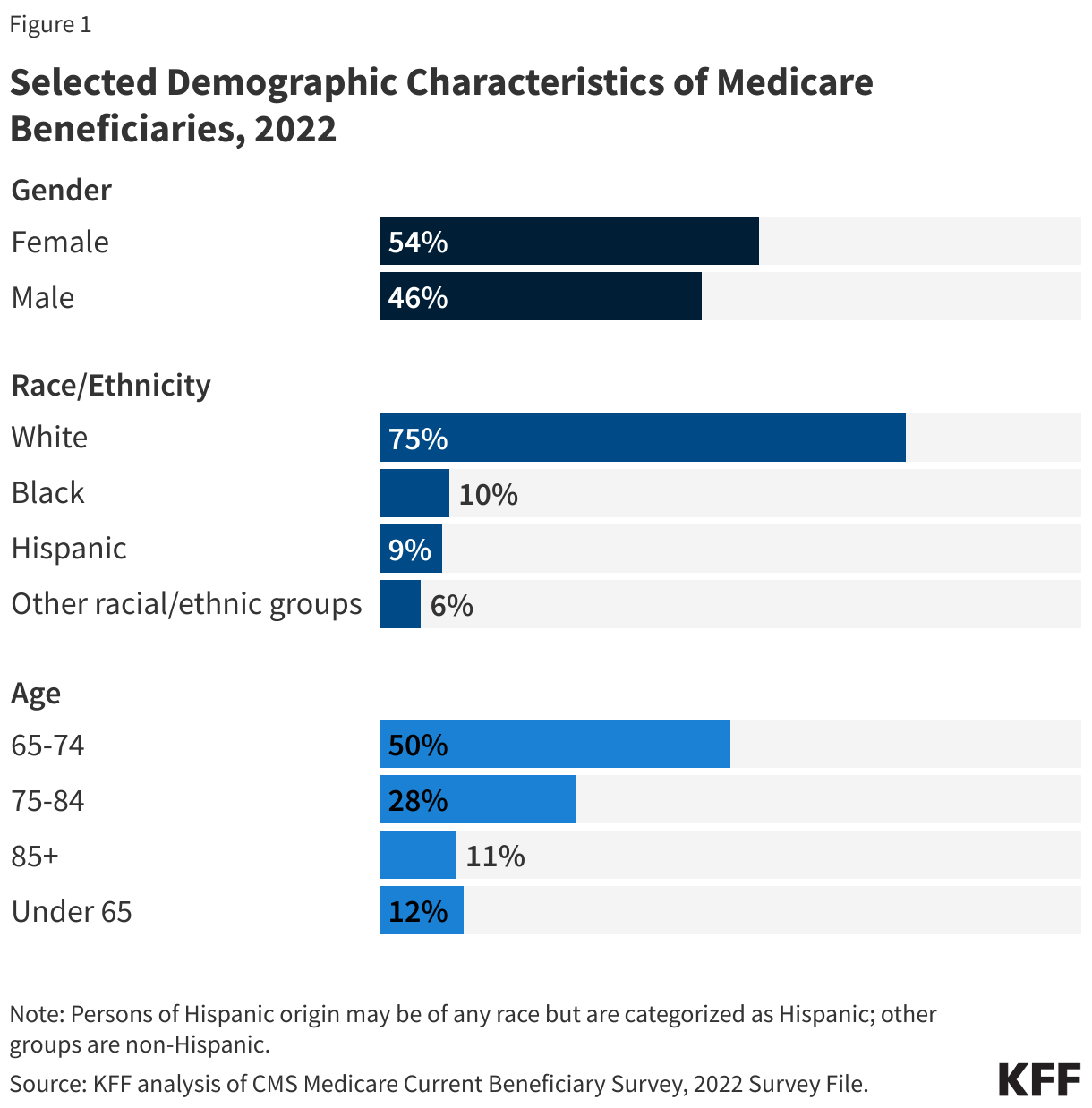
The Medicare population is undergoing a demographic transformation. While currently majority White, female, and aged 65–84, the program is projected to grow to 93 million beneficiaries by 2060, becoming significantly more racially and ethnically diverse.
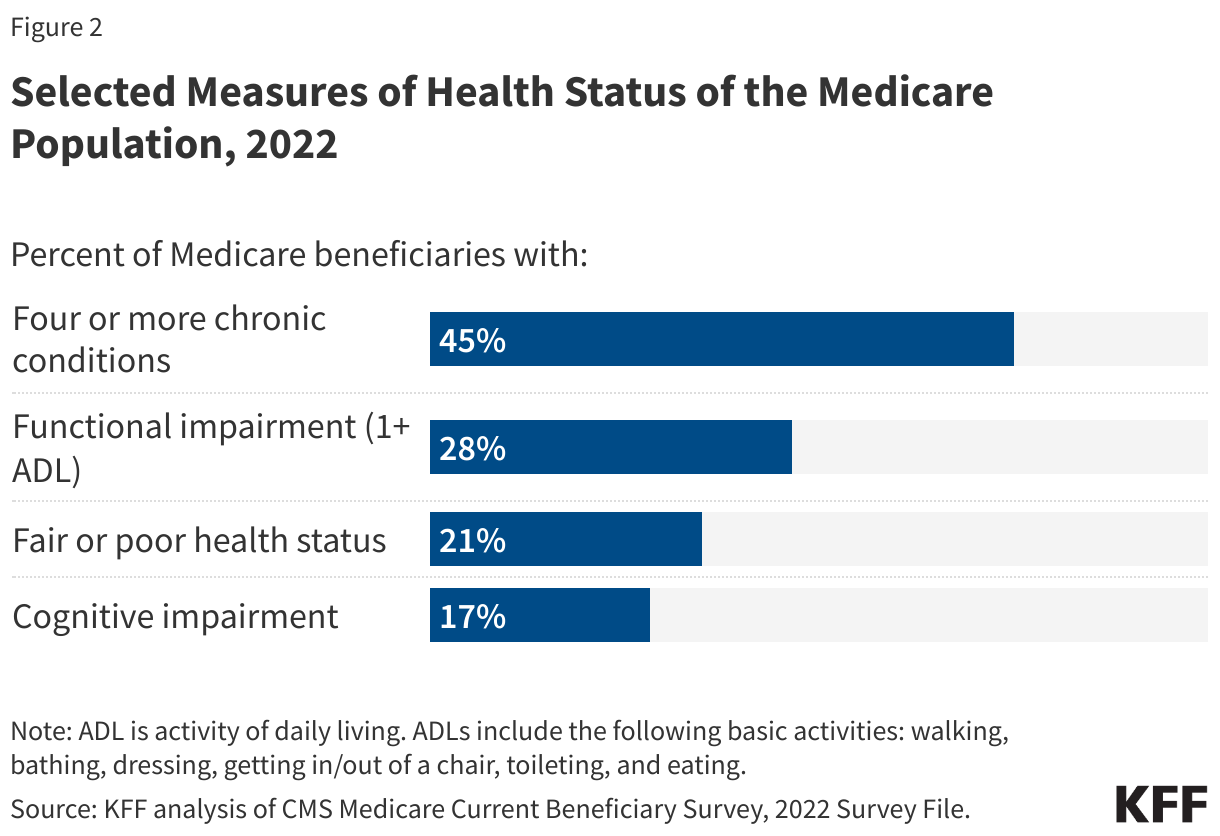
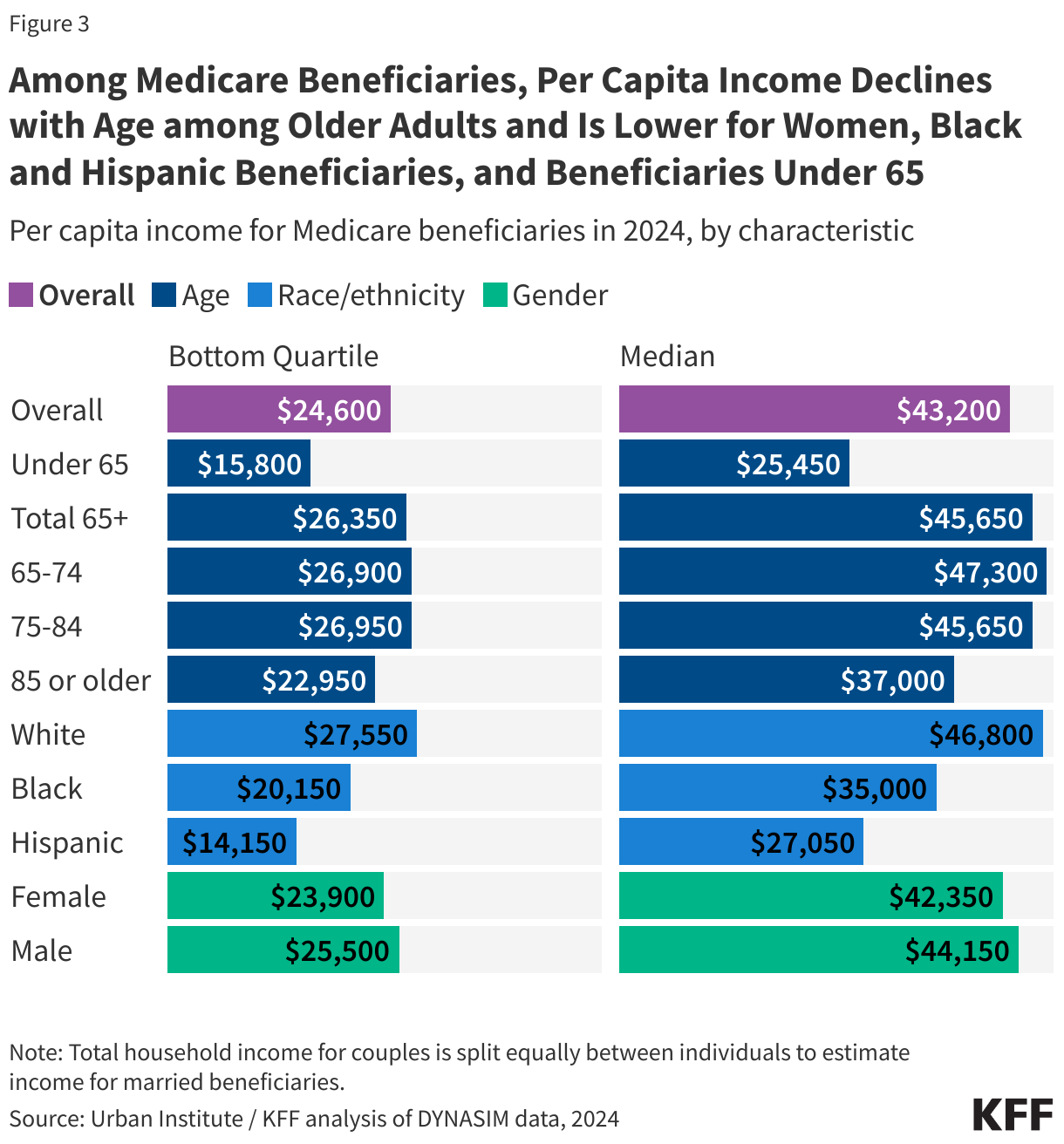
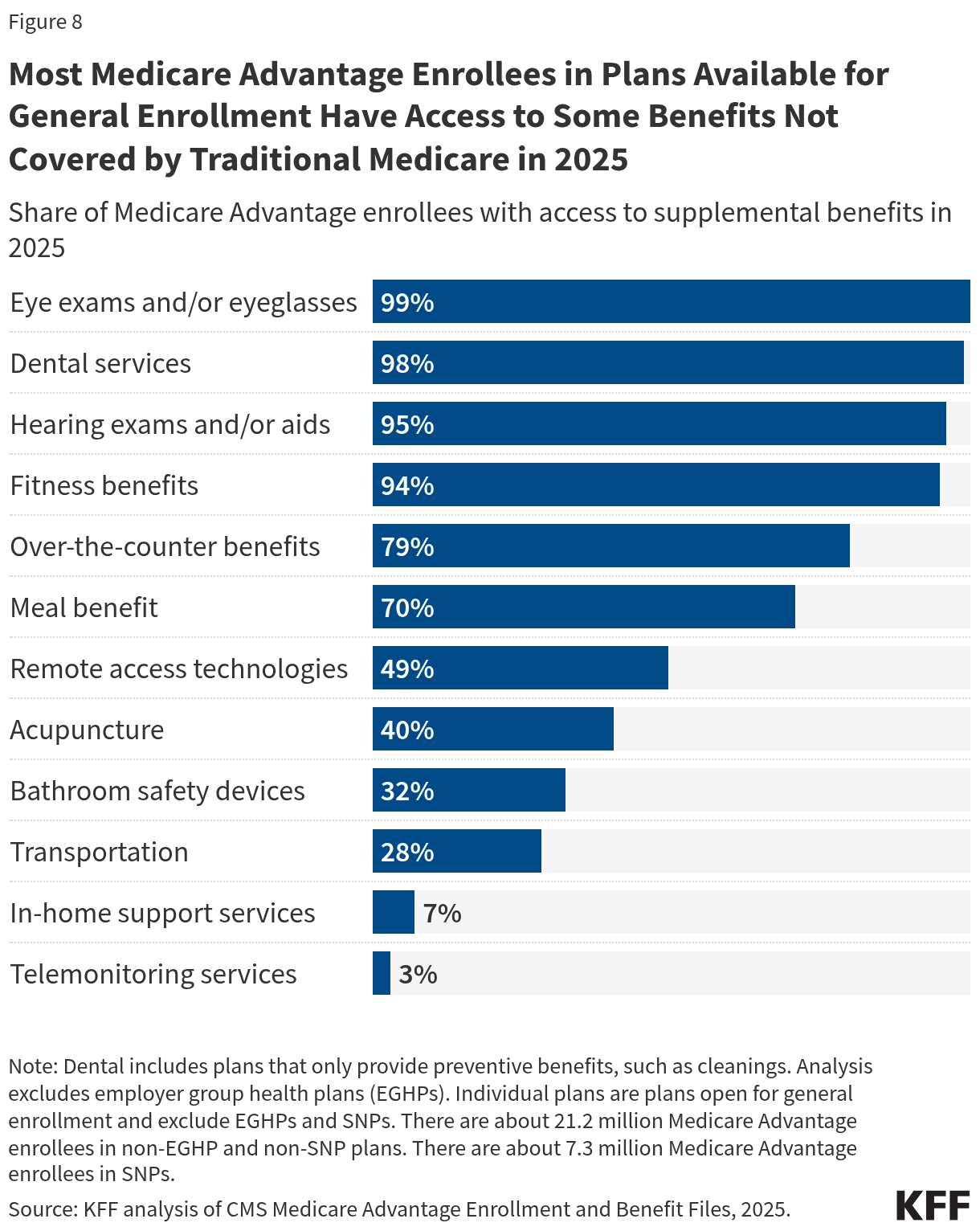
Health status remains a primary concern for the system. In 2022, nearly half (45%) of beneficiaries managed four or more chronic conditions, while 28% lived with functional impairments. Furthermore, many beneficiaries exist on tight budgets; half of all Medicare enrollees lived on incomes below $43,200 in 2024, leaving them vulnerable to out-of-pocket expenses for services not covered by the standard benefit, such as long-term care, dental, vision, and hearing services.
The Rise of Medicare Advantage (Part C)
The most significant trend in modern Medicare is the shift toward private plans. Medicare Advantage enrollment has ballooned from 25% in 2010 to 54% in 2025. Beneficiaries are often drawn to the "all-in-one" nature of these plans, which typically include vision, dental, and hearing coverage, along with caps on out-of-pocket spending.
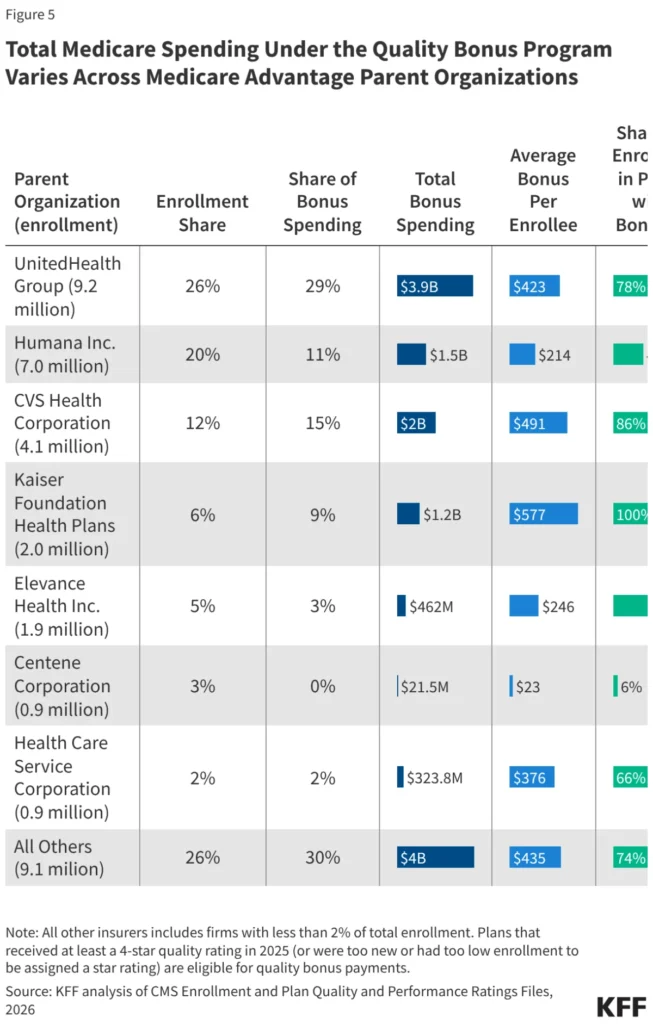
However, this growth has invited scrutiny. Medicare pays these private plans at rates that, on average, exceed what the government would spend on those same individuals in traditional Medicare. The Medicare Payment Advisory Commission (MedPAC) estimates that in 2025, excess payments to these plans reached approximately $84 billion, driven by aggressive coding practices and quality bonus payments. While these bonuses are intended to reward high-performing plans, their total cost has quadrupled since 2015, rising to $12.7 billion.
Official Responses and Policy Shifts
The federal government continues to grapple with the balance between private-sector innovation and fiscal sustainability. The Center for Medicare and Medicaid Innovation (CMMI) has launched over 80 models since its inception to test new ways of paying providers, such as Accountable Care Organizations (ACOs).
While the Biden administration emphasized health equity in these models, current policy discourse—influenced by the evolving strategic direction of the Innovation Center—has shifted toward prioritizing evidence-based preventive care and fostering market competition. Despite these efforts, the Congressional Budget Office (CBO) noted that CMMI activities have historically resulted in net increases in federal spending, though they are projected to reach a "breakeven" point by the end of this decade.
The Part D Prescription Drug Revolution
The implementation of the Inflation Reduction Act (IRA) represents the most significant change to the drug benefit since its inception. By capping out-of-pocket spending at $2,000 for 2025, the law provides immediate relief to an estimated 11 million enrollees. The shift in liability—forcing plans and manufacturers to cover more of the costs in the catastrophic coverage phase—has significantly altered the financial landscape for Part D insurers. Actuaries project that Medicare’s reinsurance payments will plummet from 46% of total Part D spending in 2024 to just 18% in 2025.
Implications for the Future
The long-term viability of the Medicare program rests on several precarious factors:
- Solvency Concerns: The Part A Hospital Insurance Trust Fund is currently projected to be depleted by 2033. While this does not mean the program will vanish, it suggests that without legislative intervention—such as payroll tax increases or spending reforms—the government will only be able to cover roughly 89% of hospital costs.
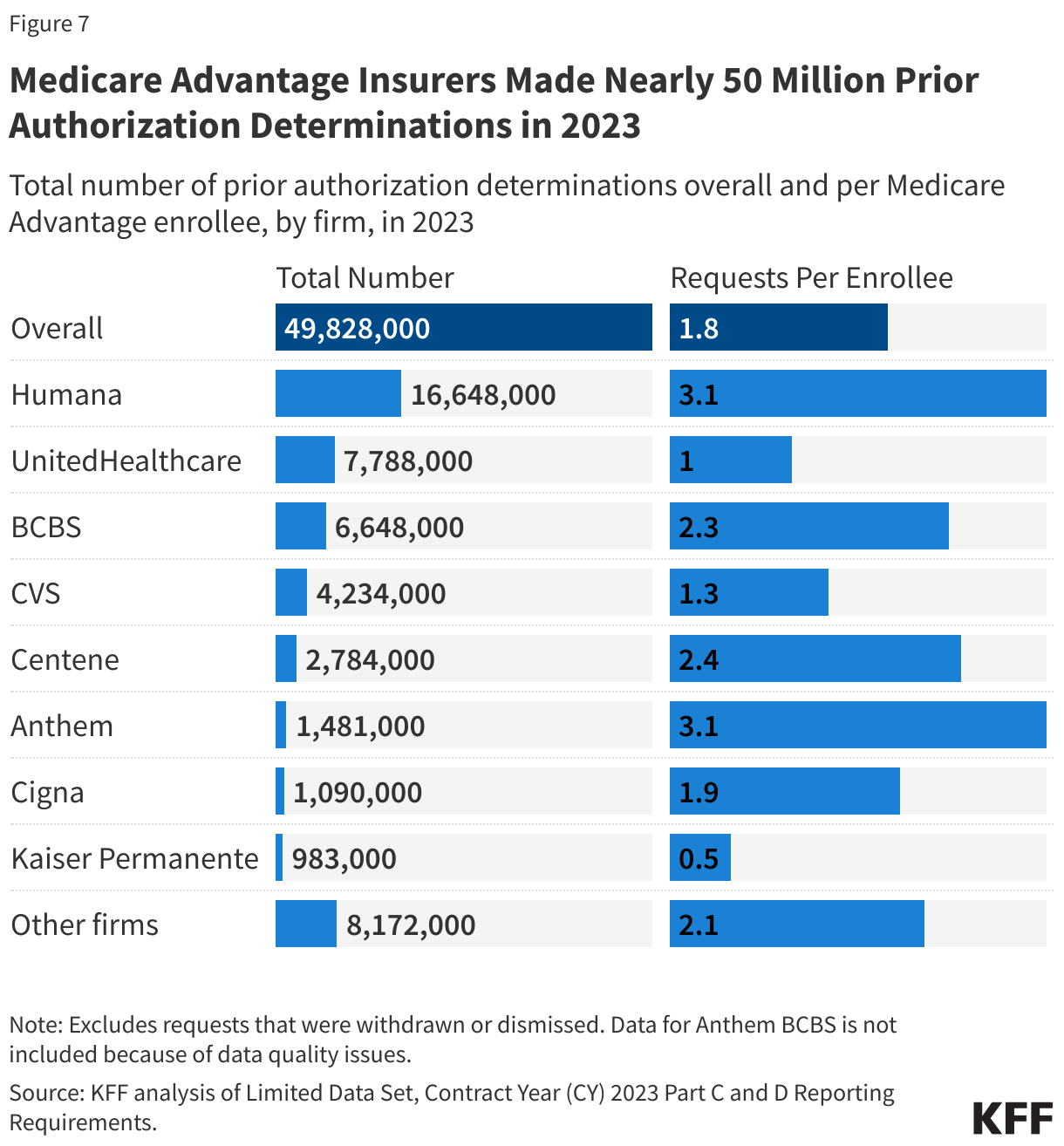
- Provider Networks and Access: As Medicare Advantage continues to grow, the reliance on prior authorization and narrow provider networks becomes a dominant feature of the senior healthcare experience. The 50 million prior authorization determinations made in 2023 underscore the administrative burden and potential access hurdles faced by enrollees.
- Fiscal Sustainability: The $9 trillion projected to be spent on Medicare Advantage payments between 2024 and 2034 poses a structural challenge to the federal budget. Policymakers must decide whether the extra benefits offered by private plans are worth the premium they command compared to the traditional fee-for-service model.
- Inequity in Resources: The data confirms that beneficiaries with the fewest financial resources—often women, people of color, and those with disabilities—rely most heavily on the program. Any reform that threatens the stability of the program or increases cost-sharing could disproportionately affect these vulnerable populations.
As Medicare heads toward its seventh decade, the central challenge remains unchanged: how to provide high-quality, comprehensive healthcare to a rapidly aging and diverse population without placing an unsustainable burden on the federal treasury. The intersection of private-market efficiency and the guarantee of a public safety net will continue to be the primary battleground of American healthcare policy for the foreseeable future.
Citation: Cubanski, J., Freed, M., Ochieng, N., Cottrill, A., Fuglesten Biniek, J., & Neuman, T. "Medicare 101." In Altman, Drew (Editor), Health Policy 101, (KFF, October 2025).

 Reynand Wu
 Sagoh