

 Nana Wu
By Mark Pygas
Published August 13, 2026, 12:09 p.m. ET
The familiar thrill of receiving an Amazon package is a daily ritual for millions worldwide. The crisp tear of tape, the rustle of packing material, and the unveiling of a much-anticipated item all contribute to a moment of satisfaction. However, behind this seemingly innocuous exchange lies a less-discussed reality: the potential for packages to carry unseen contaminants from the hands that deliver them. A viral TikTok video from an Amazon delivery driver has ignited a conversation about the hygiene of our delivered goods, prompting consumers and experts alike to consider the journey these boxes take before reaching our doorsteps.
The Dirt Beneath the Surface: A Driver’s Perspective
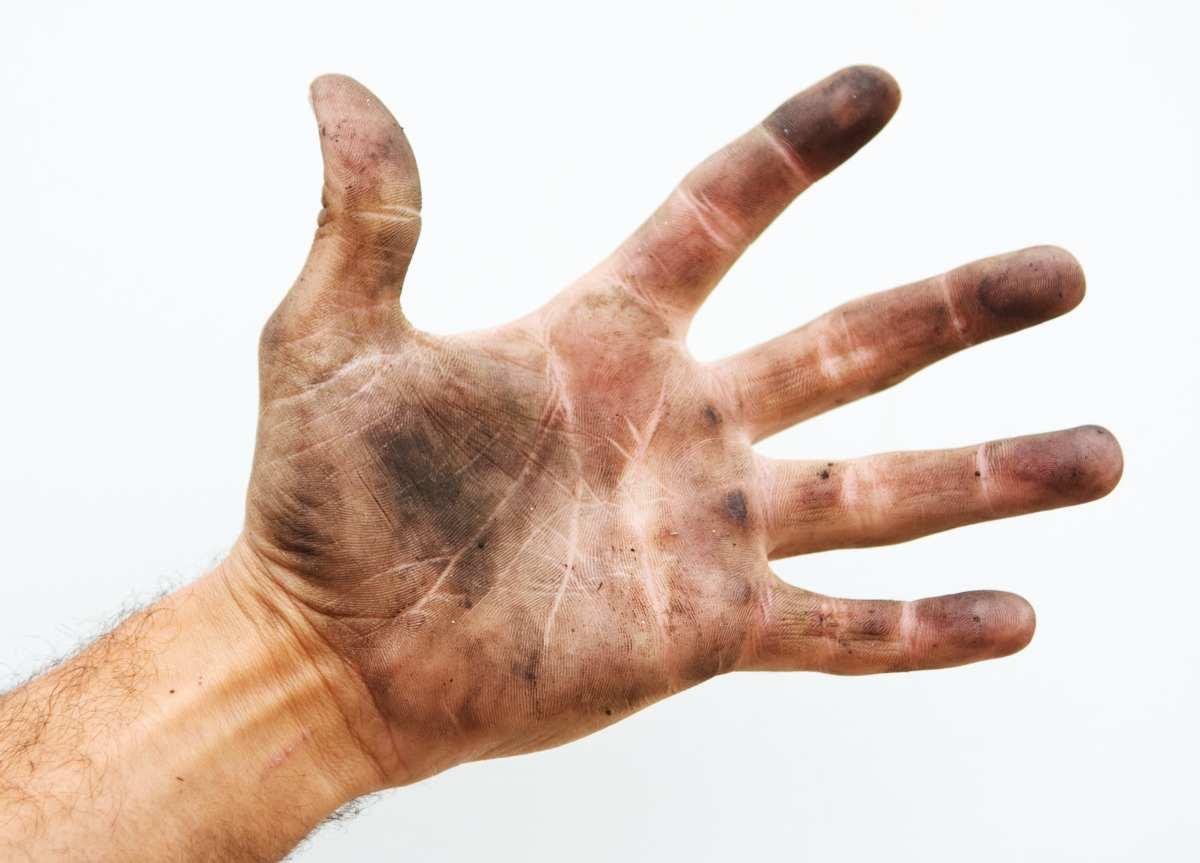
The core of this burgeoning concern was highlighted by a TikTok user named Alex (@aayyeelex), an Amazon delivery driver herself. In a widely shared video, Alex demonstrated the surprising amount of dirt and grime that can accumulate on a driver’s hands over a typical workday. Flashing her hands before the camera, even after what she implied was a washing, they remained visibly smeared with the day’s accumulated dirt. "This is about 20 to 25 stops," Alex stated, her voice tinged with a warning. "It’s kind of gross."
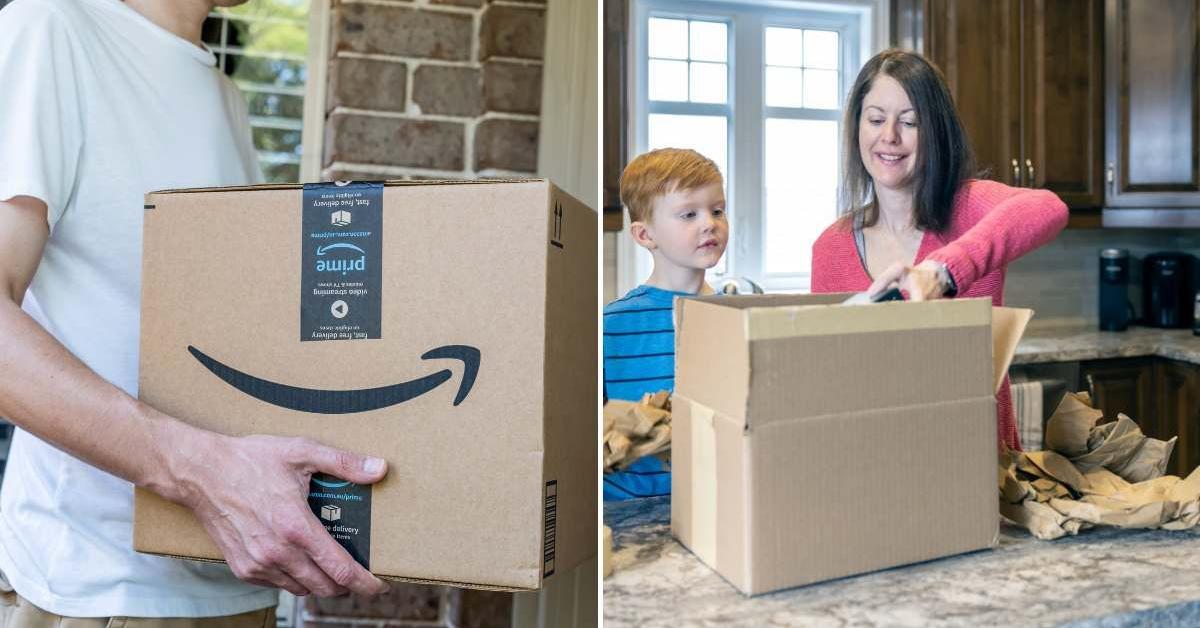
This candid revelation serves as a powerful, albeit unglamorous, piece of evidence. The sheer volume of packages handled daily by drivers for major e-commerce platforms like Amazon is staggering. Estimates suggest that over 275,000 Amazon drivers are responsible for delivering more than 10 million packages every single day in the United States alone. This translates to hundreds of stops per driver, each involving interaction with numerous surfaces, other packages, and varied environmental conditions. From bustling warehouses to the varied landscapes of residential streets, drivers’ hands are constantly exposed to dust, pollutants, and a myriad of other potential contaminants.
Alex’s video underscores a simple, yet often overlooked, fact: the outer packaging of our delivered items is not a sterile product. It is a surface that has traversed a complex logistical network, accumulating whatever it encounters along the way. While the immediate concern might be visible dirt, the implications extend to microscopic organisms that are invisible to the naked eye.
A Chronology of Contamination: The Package’s Path
To truly understand the potential for contamination, it’s helpful to trace the typical journey of an Amazon package:
- Origin: The Warehouse: Packages begin their journey in vast fulfillment centers. While these facilities often maintain rigorous cleaning protocols, the sheer volume of goods processed means constant handling. Dust, air particles, and contact with other surfaces are inevitable.
- Sorting and Consolidation: From the fulfillment center, packages are transported to sortation centers. Here, they are sorted, scanned, and consolidated for onward delivery. This process involves further handling and exposure to various environments.
- The Delivery Vehicle: Once loaded onto a delivery truck, packages are stacked and jostled. The interior of delivery vehicles can accumulate dust and debris from previous routes.
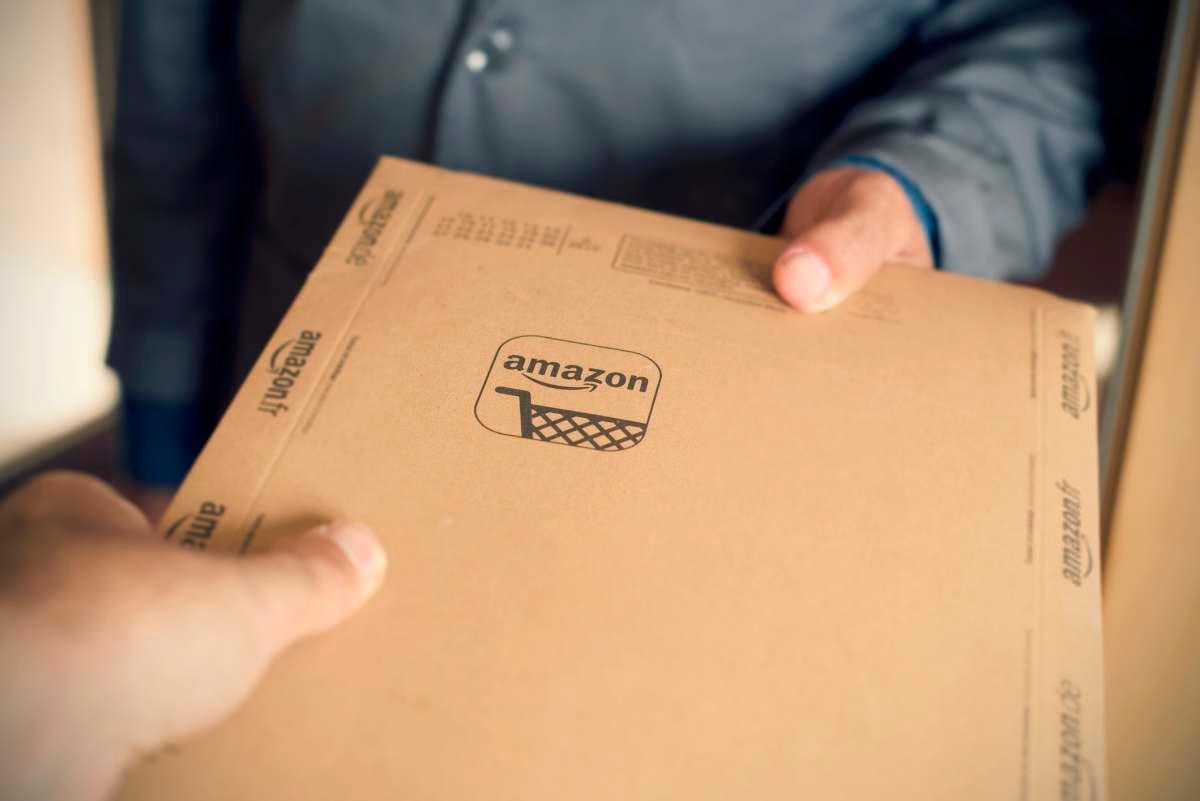
- The Driver’s Hands: This is the critical juncture highlighted by Alex. As drivers load, unload, and hand off packages, their hands are the primary point of contact. Over hundreds of deliveries, hands are exposed to door handles, mailboxes, driveways, and the surfaces of countless other packages.
- Arrival at the Consumer’s Doorstep: The package finally arrives at its destination. The outer packaging, having been handled by multiple individuals and exposed to various environments, is now presented for receipt.
This chronological examination reveals a chain of events where contamination is not a singular event but a cumulative process. The outer cardboard or plastic wrapping acts as a passive carrier, collecting whatever it encounters along this extensive route.
Supporting Data and Expert Insights: Beyond the TikTok Viral Moment
While Alex’s TikTok video brought this issue to widespread public attention, the concern about contaminated packaging is not entirely new. Experts have long advised caution when handling goods from various sources, particularly in light of public health concerns.
Kim Komando, a digital journalist known for her consumer advocacy, has previously offered practical advice on handling product packaging with hygiene in mind. Her recommendations, shared in an article, provide a framework for mitigating potential risks:
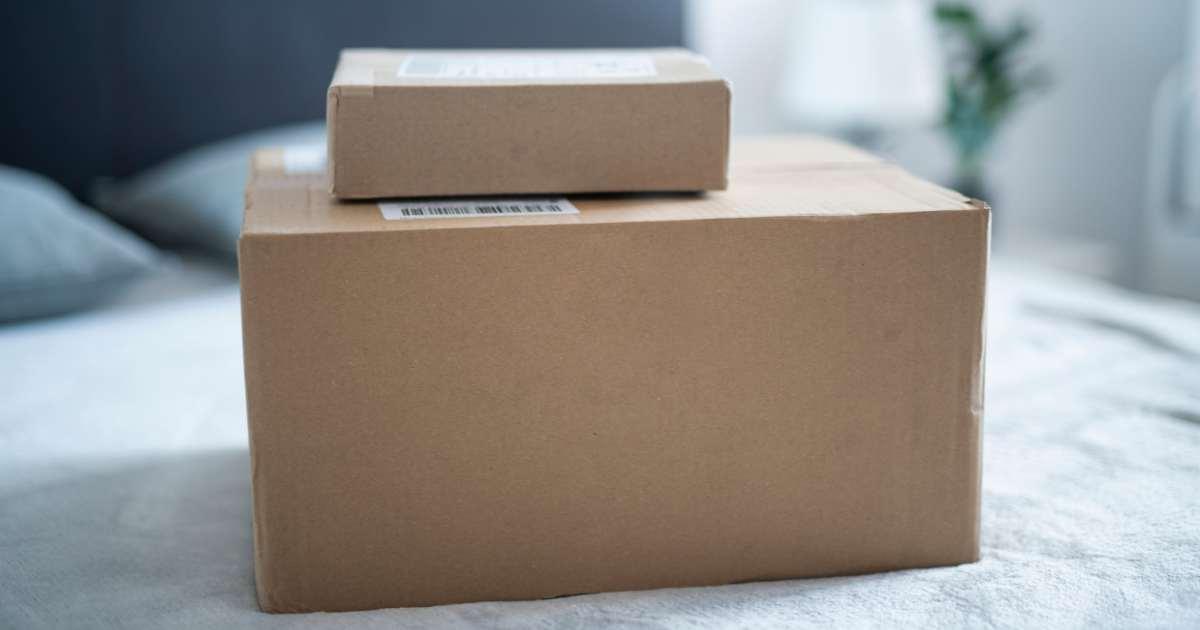
- Isolation Protocol: Komando suggests an initial "quarantine" period for packages. For cardboard boxes, she recommends leaving them in a secure outdoor location, such as a backyard, patio, or balcony, for 24 hours.
- Plastic Packaging Considerations: For plastic packaging, the recommended isolation period extends to up to three days. This is because trace amounts of particles may cling to plastic surfaces for a longer duration.
- Protective Measures: During handling, Komando advises wearing gloves, if available. This creates a barrier between the consumer and the potentially contaminated packaging.
- Post-Handling Hygiene: Crucially, after handling packages and removing gloves, thorough handwashing for at least 20 seconds with soap and warm water is emphasized. This practice is a cornerstone of preventing the spread of germs.
These recommendations, while perhaps seeming overly cautious to some, are rooted in established public health principles. The concept of fomite transmission – the transfer of pathogens from an inanimate object to a person – is a well-documented phenomenon. While the risk associated with typical delivery packages may vary depending on the specific contaminants and the environmental conditions, the principle of minimizing exposure remains sound.
The sheer volume of packages handled by delivery personnel also raises questions about the potential for cross-contamination within the delivery chain itself. If a driver handles packages from various sources, including those that might be returning from customers or have been exposed to different environments, the risk of spreading any contaminants further increases.
Official Responses and Industry Practices
While there haven’t been widespread official pronouncements from major e-commerce giants specifically addressing the hygiene of their delivery packaging in the wake of Alex’s video, the logistics industry does have protocols in place. Amazon, like other large retailers, operates under stringent health and safety regulations within its warehouses. These typically include regular cleaning schedules, employee health screenings, and guidelines for maintaining a sanitary work environment.
However, the challenges of maintaining absolute sterility across an entire delivery network are immense. The decentralized nature of delivery, with drivers operating in diverse public spaces and interacting with numerous households, makes it difficult to control all variables.
Industry insiders suggest that while explicit directives for drivers to sanitize every package might be impractical due to time constraints and the sheer volume, there’s an underlying awareness of hygiene. Some drivers may adopt personal protective measures, such as using hand sanitizer between stops or wearing gloves, as a matter of personal practice. The viral nature of Alex’s video could potentially lead to increased awareness and encourage more drivers to adopt such habits.
Furthermore, the conversation initiated by Alex’s video might prompt companies to re-evaluate their packaging materials and explore options that are inherently easier to clean or less prone to retaining contaminants. The use of recyclable and sustainable materials is already a major focus for the industry, and enhanced hygiene properties could become an additional consideration in the future.

Implications for Consumers: A Call to Conscious Handling
The implications of this discussion extend directly to consumers. Alex’s warning and Komando’s advice serve as a timely reminder that our interactions with delivered goods should be approached with a degree of mindfulness.
- Designated Unboxing Areas: Consider establishing a designated area for opening packages, preferably one that is easily cleaned or can be kept separate from living spaces like bedrooms and kitchens. A utility room, a porch, or even a specific spot on a hard floor could be suitable.
- Hand Hygiene is Paramount: The most effective defense against potential contaminants is diligent handwashing. After handling any package, especially before eating or touching your face, a thorough wash with soap and water is crucial. Hand sanitizer can be a useful alternative when soap and water are not immediately available.
- Surface Awareness: Be mindful of where you place packages. Avoid directly putting them on surfaces that come into contact with food or where you sleep. If possible, bring packages directly to your designated unboxing area.
- Glove Use: For those particularly concerned, using disposable gloves when handling incoming packages can provide an extra layer of protection. Remember to dispose of them properly after use.
- Advocacy for Change: Consumers can also contribute by showing support for businesses that prioritize sustainable and hygienic packaging solutions. Sharing information and engaging in conversations about these issues can help drive industry-wide change.
The viral moment on TikTok, amplified by journalistic investigation and expert advice, has shifted the focus from the simple joy of receiving a package to a more nuanced understanding of its journey. While the likelihood of contracting a serious illness from a typical Amazon package remains relatively low for most individuals, being informed and adopting simple hygiene practices can significantly reduce any potential risks. The unseen journey of our deliveries is a reminder that even in our digitally connected world, physical interactions and the environment play a vital role in our daily lives. By understanding this journey, we can make more informed choices about how we receive and interact with the goods that arrive at our doorsteps.


 Sagoh

 Siti Muinah