



 Iffa Jayyana
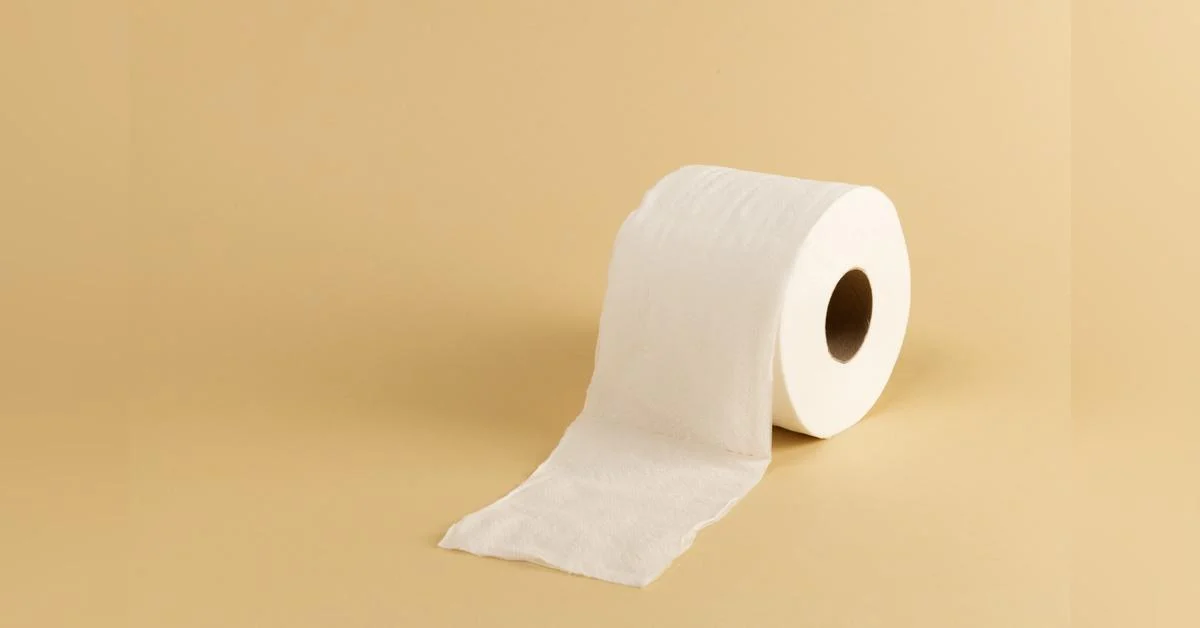
New York, NY – September 15, 2026 – In an era where everyday consumer decisions are increasingly scrutinized for their environmental impact, one seemingly mundane household staple has emerged as a surprising battleground for sustainability: toilet paper. The Natural Resources Defense Council (NRDC) today released its eighth annual "The Issue with Tissue" report, a comprehensive scorecard designed to illuminate the environmental footprint of 149 toilet paper, paper towel, and facial tissue products readily available in the U.S. market. This year’s edition not only delves deeper into material sourcing and processing but also introduces a critical new dimension: human rights considerations within supply chains, highlighting the interconnectedness of environmental and social responsibility.
For millions of households, the weekly replenishment of toilet paper is a routine, almost unconscious, act. However, as this latest report from the NRDC underscores, this ubiquitous product presents a significant and accessible opportunity for consumers to make a tangible difference in their personal sustainability efforts. The scorecard, first published in 2019, has become an indispensable guide for environmentally conscious shoppers, offering a clear, side-by-side comparison of brands based on a rigorous set of criteria.
The NRDC Scorecard: A Deep Dive into Environmental Performance
The NRDC’s grading system is designed to be transparent and informative, assigning each product a score out of a possible 600 points. The most heavily weighted factor in this scoring rubric is the primary material used in the product’s composition. This emphasis reflects the significant environmental toll associated with virgin forest fiber, which often contributes to deforestation, habitat destruction, and biodiversity loss.
Beyond the raw material, the report scrutinizes the manufacturing processes, particularly the methods employed for whitening paper products. The U.S. standard, elemental chlorine free (ECF) bleaching, while an improvement over older, more polluting methods, is still not the most environmentally benign option. Recycled paper, which generally utilizes chlorine-free bleaching processes, naturally earns higher marks. Products that forgo whitening altogether or opt for chlorine-free alternatives are further rewarded, signaling a commitment to minimizing chemical inputs and their associated environmental risks.
A significant and timely addition to this year’s methodology is the inclusion of a human rights risk assessment. The NRDC has begun to screen the supply chains of paper products for potential human rights abuses, a move that broadens the definition of sustainability beyond environmental concerns to encompass ethical sourcing and fair labor practices. This expansion is particularly relevant given the ongoing mercury crisis impacting the Grassy Narrows First Nation in Canada, a situation that has been linked to the supply chains of several major retailers’ store-brand paper products. The report flags these brands as high-risk, urging consumers to consider the social implications of their purchasing decisions.
Reaching for the Bamboo Ceiling: Innovations and Limitations
The NRDC’s scoring framework acknowledges the growing popularity of bamboo as a more sustainable alternative to traditional wood pulp. However, it also sets a clear "ceiling" for bamboo-based products. Under the current scoring system, the highest possible score a bamboo product can achieve is 500 points, equivalent to a "B+". To reach this elevated status, a bamboo product must meet stringent criteria: it must be composed of 100% bamboo, possess FSC 100% certification (Forest Stewardship Council), and be unwhitened.
Even with these demanding requirements, the NRDC’s methodology prioritizes recycled paper, as it can achieve scores exceeding the bamboo ceiling. This hierarchy underscores the organization’s consistent advocacy for circular economy principles, emphasizing the reuse of existing materials as the most impactful approach to reducing resource depletion.
One brand that has managed to reach the pinnacle for bamboo products is Betterway. Their Natural Brown toilet paper and paper towels have both earned a commendable "B+", or 500 out of 600 points, aligning with the report’s ideal for bamboo. These products leverage FSC-certified bamboo and are unwhitened, demonstrating a strong commitment to environmental stewardship. Their white variants, while still utilizing the same high-quality FSC-certified bamboo, incorporate ECF whitening, resulting in a "B" grade and 400 points. The 100-point disparity between the brown and white versions directly illustrates the NRDC’s valuation of unwhitened paper, highlighting the environmental advantages of this production choice.

The Economic Equation: Sustainability Without Breaking the Bank
A recurring concern for consumers is the perceived cost premium associated with sustainable products. The NRDC’s analysis of pricing across 63 toilet paper brands – encompassing 37 made from forest fiber, 14 from recycled content, and 12 from bamboo – offers reassuring insights. The report found that recycled toilet paper averaged a competitive $0.37 per 100 sheets. This figure is remarkably close to the average price of forest fiber-based toilet paper, which stood at $0.33 per 100 sheets. While this difference might seem negligible on a per-sheet basis, the NRDC calculates that over the course of a year, this translates to an annual savings of approximately $5 per person for households opting for recycled content.
Bamboo, while lauded for its environmental benefits, presents a higher price point. Averaging $0.58 per 100 sheets, bamboo-based toilet paper is approximately $34 more expensive per person annually compared to forest fiber options. This economic disparity is an important consideration for budget-conscious consumers.
However, the overarching message from the NRDC’s price analysis is that a higher environmental grade does not necessarily equate to a significantly higher financial outlay. In fact, the report identifies the single lowest-cost brand evaluated as being made from recycled content, challenging the notion that sustainable choices are inherently more expensive. This finding empowers consumers to prioritize environmental responsibility without compromising their household budgets.
Navigating the Aisles: What to Look for on the Shelf
Armed with the insights from "The Issue with Tissue" report, consumers can make more informed decisions when faced with the vast array of toilet paper options. The NRDC provides a clear set of actionable criteria to guide shoppers:
- Prioritize Recycled Content: Look for toilet paper that prominently features "100% recycled content" on its packaging. The higher the post-consumer recycled content, the better.
- Seek Out Unwhitened or Chlorine-Free Options: Products that are naturally brown or explicitly state they are whitened without chlorine (e.g., totally chlorine free, or TCF) are preferable. Avoid products that use elemental chlorine-free (ECF) bleaching if a more sustainable alternative is available.
- Consider Bamboo with Caution: While bamboo can be a better choice than virgin forest fiber, scrutinize its certification. Look for FSC 100% certification to ensure responsible forest management. Be aware of the whitening process used.
- Check for Certifications: Beyond FSC, look for other reputable environmental certifications that indicate a commitment to sustainability.
- Be Wary of "Greenwashing": Some brands may use vague or misleading environmental claims. The NRDC scorecard provides objective data to cut through marketing jargon.
The Power of Small Swaps: Cumulative Impact for a Healthier Planet
The NRDC’s report ultimately champions a philosophy of incremental change. The organization emphasizes that consumers do not need to achieve a "perfect" bathroom to make a meaningful contribution to environmental protection. The act of switching just one product that is purchased weekly can represent a significant step forward. The scorecard serves as a practical tool to identify higher-graded options that are readily available and can be easily integrated into a household’s shopping routine.
For consumers whose current toilet paper brands have scored poorly in the report, the NRDC encourages a proactive approach: try a higher-graded alternative on the next shopping trip. Assessing the household’s reception to the new product is key, fostering a gradual and sustainable shift in purchasing habits.
The full report, "The Issue with Tissue, Eighth Edition," is a comprehensive resource and is freely accessible on the NRDC’s official website, providing detailed methodologies, brand-specific scores, and further recommendations for consumers and industry alike. By empowering consumers with clear, data-driven information, the NRDC aims to catalyze a broader movement towards more responsible and sustainable consumption patterns, one roll of toilet paper at a time. This annual scorecard serves as a powerful reminder that even the most ordinary household items can be conduits for positive environmental and social change.


 Jia Lissa

 Suro Senen






