
 Iffa Jayyana
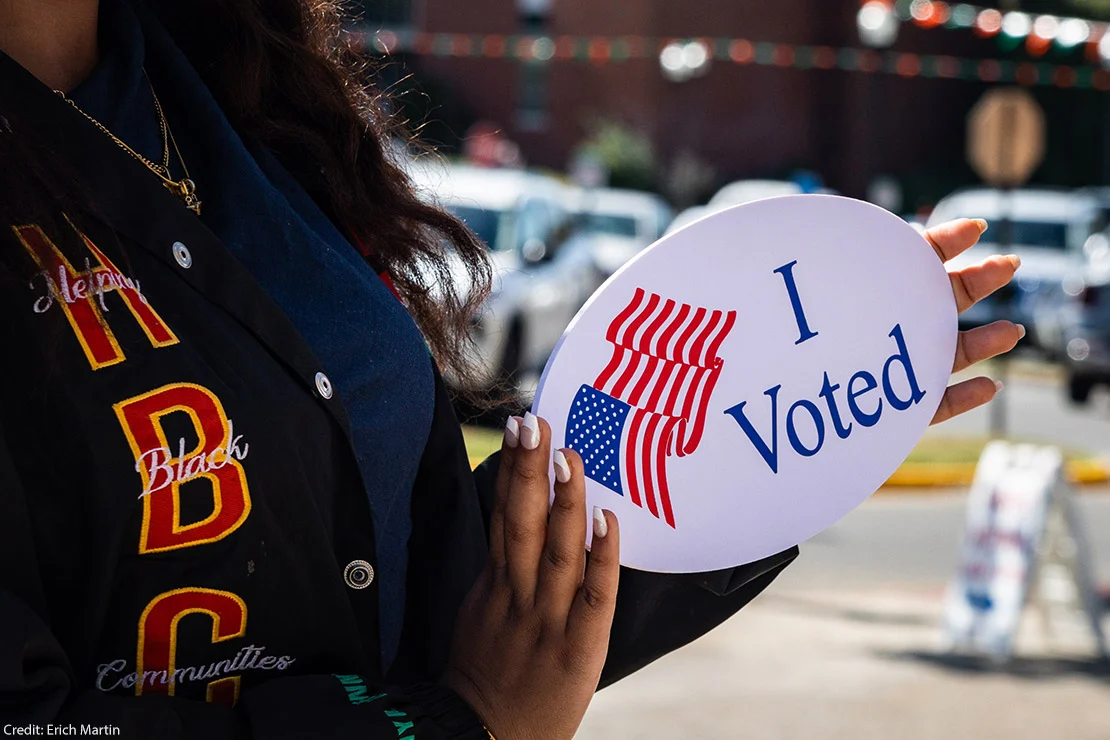
As the 2026 election cycle reaches its crescendo, the atmosphere across the United States is thick with a palpable tension. For many Americans, the simple act of casting a ballot—a foundational pillar of democratic participation—has become a source of profound anxiety. Amidst swirling narratives regarding election integrity, potential administrative interference, and the specter of federal presence at local polling stations, voters are searching for clarity.
To demystify this process and provide a roadmap for civic participation, we sat down with Justin Levitt, a professor at Loyola Law School and a veteran of the electoral landscape. With nearly 25 years of experience spanning the highest levels of government, academia, and the non-profit sector, Levitt offers a pragmatic, expert perspective on what voters can actually expect when they head to the polls this year.
The Foundation of Democracy: Why Elections Matter
At the heart of the American experience is the concept of "small-d" democracy. According to Levitt, the importance of free and fair elections cannot be overstated, as they serve as the primary mechanism for collective decision-making.
"If you care about any policy whatsoever—health care, education, national security, jobs, the economy, or even mundane municipal issues like road maintenance and trash pickup—then you care about free and fair elections," Levitt explains. "The way that we decide to do things and not to do things together in this country is through elections. We put ourselves in charge of building the world that we want to live in, and all of that starts with having an election that reliably counts the preferences of the public."
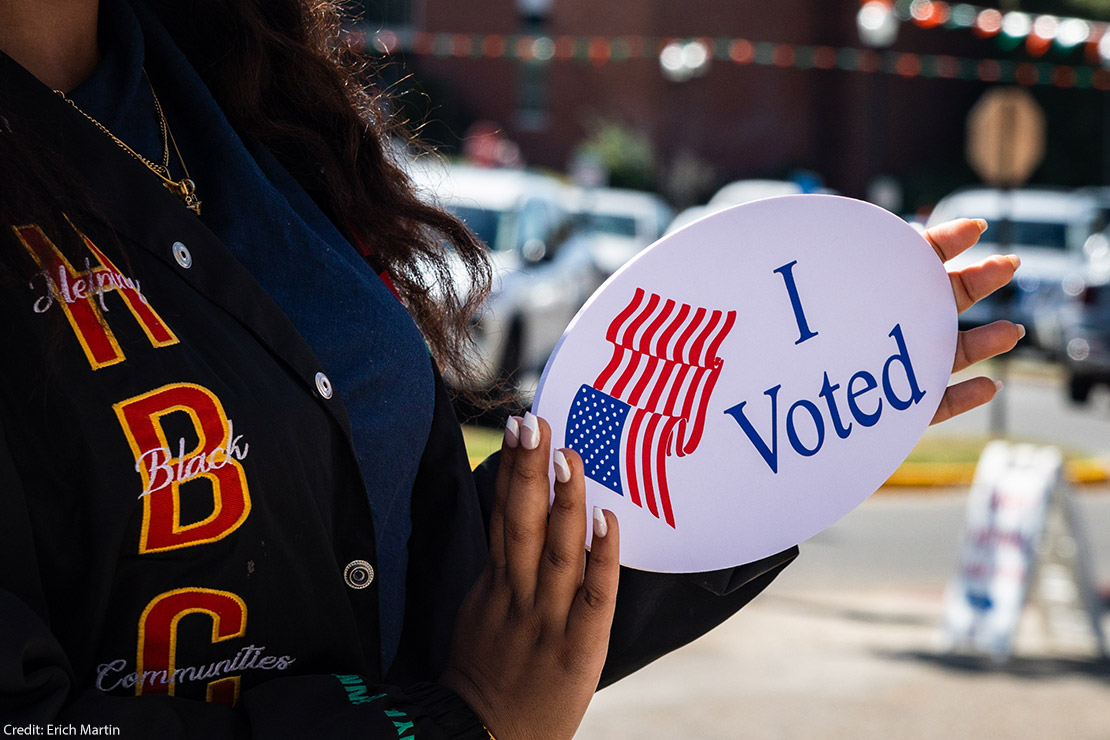
Levitt emphasizes that there is no more powerful way to experience this system than to witness community members coming together to express their preferences. "Seeing neighbors help neighbors cast their votes is the most reassuring thing," he notes.
A Chronology of Anxiety: Addressing Voter Concerns
The path to the 2026 election has been marked by a significant uptick in voter apprehension. Reports of potential ballot seizures, fears of physical intimidation at polling sites, and concerns over the potential presence of Immigration and Customs Enforcement (ICE) agents have permeated public discourse.
The Myth of Disruption
Levitt, who served as the White House’s first senior policy advisor for democracy and voting rights (2021–2022) and as a deputy assistant attorney general in the Civil Rights Division of the Department of Justice (2015–2017), urges voters to separate noise from reality.
"I’m worried about people being worried," Levitt admits. "I’m worried that people will be so anxious that they won’t want to participate, that they’ll give up their own voice and their own agency."
He points to the sheer scale of American elections as a structural safeguard. With over 100,000 polling locations spread across 3.8 million square miles, the logistical complexity of the U.S. election system makes widespread disruption virtually impossible. "You haven’t heard anything at all about disruptions for the more than 40 million people who have already voted early," he notes, "and that’s because it’s been remarkably unremarkable."
Behind the Scenes: The Anatomy of a Secure Vote
For those concerned about what happens to their ballot once it leaves their hands, the process is far more rigorous and transparent than the average voter might realize. Election offices operate under layers of "belts and suspenders" designed to ensure that every vote is accurately recorded.
The Tabulation Process
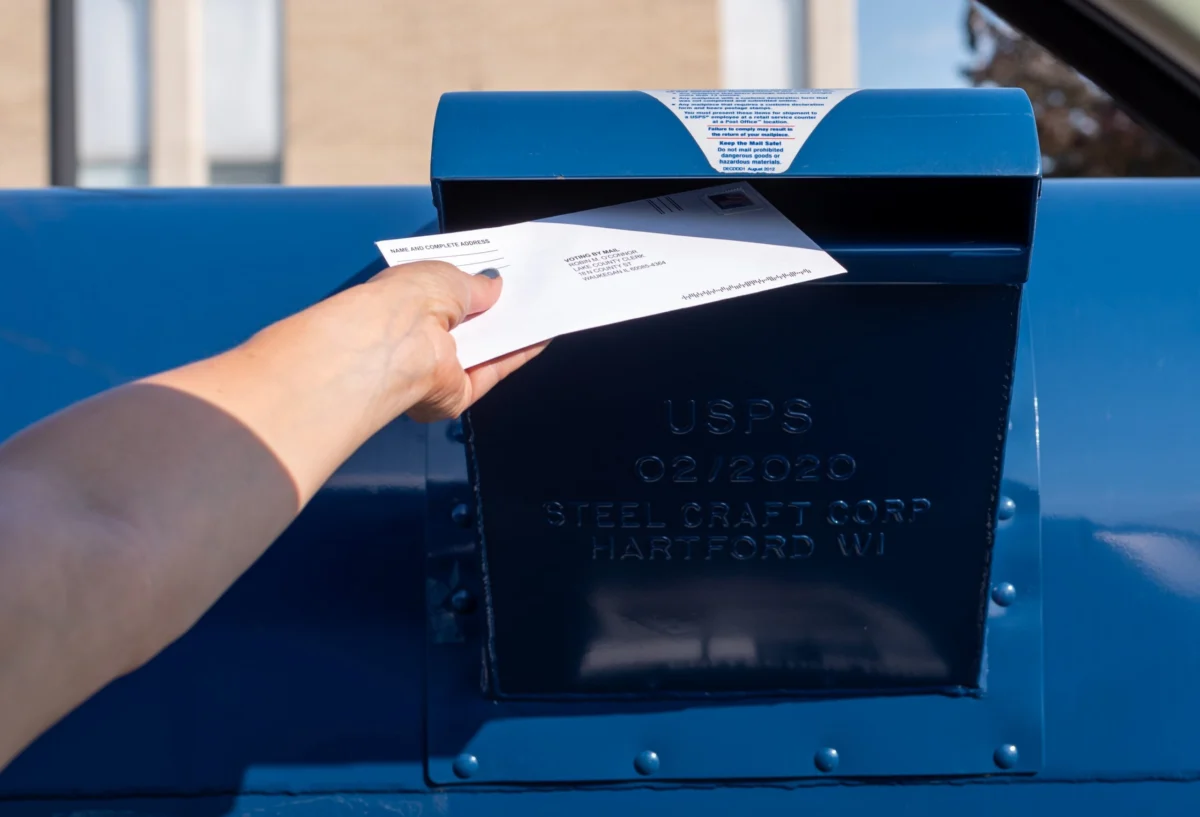
- Verification: For mail-in ballots, officials conduct a strict check of the envelope to confirm the identity of the voter before the ballot is ever opened.
- Quality Control: Once opened, ballots are inspected for physical integrity—ensuring there are no tears, stains, or markings that would impede scanning.
- Audit and Tabulation: Ballots are tabulated using equipment that is subject to rigorous audits. These audits are designed to cross-reference the machine’s output with physical records to ensure the results are accurate.
- Checks and Balances: Throughout the process, bipartisan observers and established legal protocols ensure that the count is transparent and secure.
Official Responses and the Role of the Justice Department
When asked about the current state of the Department of Justice (DOJ) and whether voters should be concerned about its recent trajectory, Levitt offers a candid assessment.
"I used to work at the Justice Department," he says. "They used to be a feared litigating entity. But the reason that the Department of Justice is so feared and respected isn’t the name on the outside of the building; it’s the quality of the work inside."

Levitt notes that a significant "brain drain" over the past two years has impacted the department’s institutional capacity. However, he remains optimistic about the resilience of the judicial system. "The courts aren’t buying what they’re selling," he says of current DOJ litigations. "Judges appointed by Democrats, by Republicans, and even by this president aren’t buying it. They’ve got a lot of bluster, but they’re not producing results."
Practical Tips: Making Your Voting Plan
To mitigate any risk of interference and ensure a smooth experience, Levitt offers straightforward, practical advice for the electorate:
- Create a Plan: Don’t leave your voting method to chance. Decide ahead of time whether you will vote early, by mail, or in person.
- Utilize Early Voting: "If you have the time and it’s available in your area, vote early," Levitt suggests. "The earlier that you get your ballot in, the more sure you can be that there will be absolutely no disruption."
- Lean on Community: If you feel anxious about heading to the polls, go with a friend or neighbor. "Courage is contagious," says Levitt.
- Trust Local Officials: When in doubt, ignore the national noise. Your local election officials are the most reliable source of information regarding polling locations, hours, and procedures.
Implications for the Future of Civic Agency
Perhaps the most critical takeaway from Levitt’s analysis is the importance of maintaining one’s sense of agency. While acknowledging that the current political climate is far from "normal," he warns against falling into the trap of cynicism.
"There is a big difference between attempts to disrupt the election process and those attempts actually working," Levitt asserts. "They aren’t working, and they aren’t going to work."
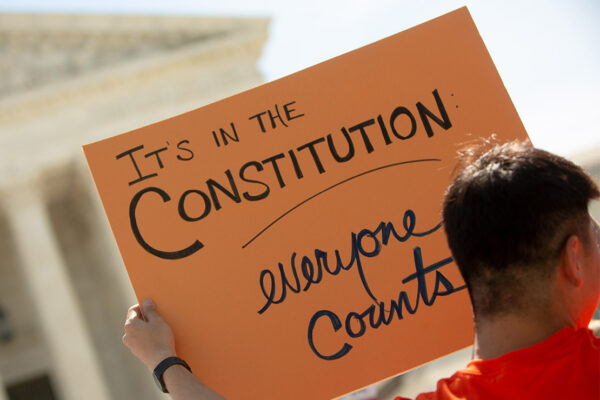
He argues that the current political rhetoric is often an attempt to project power where none exists. By focusing on the local nature of American elections, voters can reclaim their influence. "The president just doesn’t have the knobs or levers or buttons to ‘magic’ away Americans’ ability to cast ballots locally," he explains. "These are our elections. All of the noise in the world, if we can just shut it out, isn’t going to change that."
Conclusion: Empowering the Voter
As Election Day nears, the path forward for the American voter is one of preparation and confidence. While the political discourse may suggest a landscape of volatility, the actual mechanics of the election—the ballot drop-offs, the poll workers, and the local audits—remain steady.
For those looking for further resources, the ACLU has compiled an extensive guide to frequently asked questions regarding the 2026 midterms, serving as a vital tool for those seeking to safeguard their voices. Ultimately, the most potent weapon in any voter’s arsenal is their own participation. By making a plan, staying informed through reliable local sources, and engaging with their community, voters can ensure that their voices remain the definitive force in the American democratic experiment.


 Evan Lee Salim
 Nila Kartika Wati