

 Reynand Wu
By Sarah Easter and Ryan Bergeron
October 30, 2026
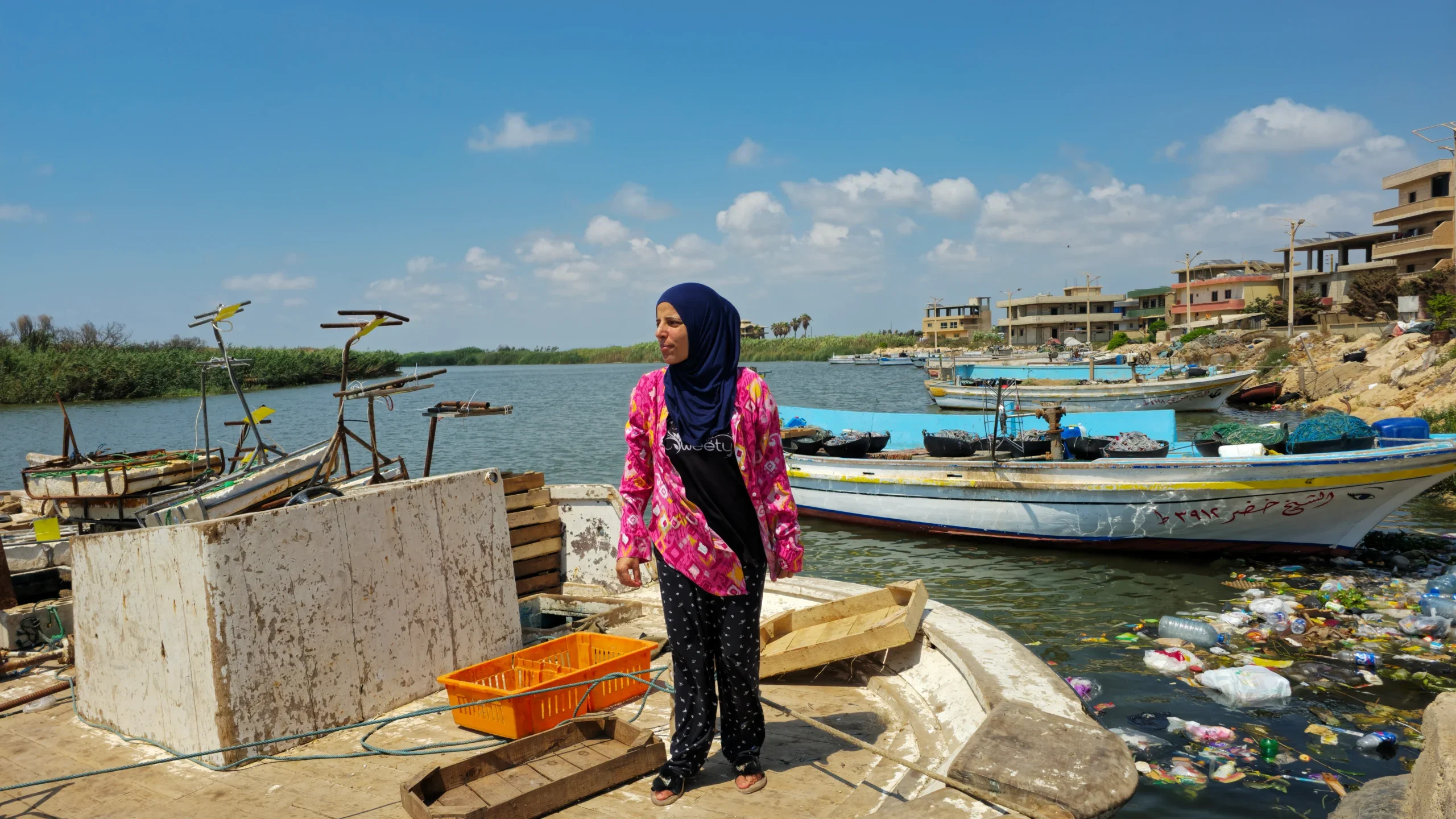
In the northern reaches of Lebanon, the Akkar region serves as a vital artery of farmland, river systems, and fishing communities. Yet, it is also a landscape defined by paradox: fertile soil that promises sustenance, and a geography of vulnerability that threatens to wash it all away. As the region stands on the precipice of the 2026 rainy season, the memories of last January’s devastating floods remain etched into the cracked, darkened walls of homes and the traumatized psyches of the residents. For families in Akkar, survival is not a given; it is a precarious, seasonal battle against an environment that is becoming increasingly hostile.
The Anatomy of a Crisis: Living on the Edge
For 32-year-old Sawsan, the seasonal shift in the weather is not a cause for comfort, but a trigger for terror. “When the neighbors start screaming, we know it’s time to run,” she says, her voice reflecting a weariness born of years of displacement and loss. Her home, a modest structure located on low-lying land near the Al-Kabir River, bears the scars of repeated inundation. Following the floods of early 2026, the house was left without electricity or functioning plumbing. A broken, rusting refrigerator serves as a grim monument to the stability her family once knew.
Sawsan’s home is a testament to the extremes of poverty in the region. A small, singular window offers the only reprieve from the gloom of the interior, where walls are stained by the reach of floodwaters that once surged to nearly a meter in height. “One day, I want to have a real sink, like the ones you see on TV, and to have electricity again,” she confesses. “My big dream is to paint my walls. I see how other people live, and my life is so far away from that.”
Perhaps most poignantly, the architecture of her survival is literal: a makeshift emergency door, carved into the partition wall, acts as an escape hatch between her home and that of her neighbor, Nadwa. Earlier this year, that aperture was the only thing standing between the families and catastrophe.
Chronology of a Midnight Disaster
The floods that struck Akkar in January 2026 were not merely an inconvenience; they were a life-altering emergency. In the middle of the night, heavy rains caused the Al-Kabir River and local drainage channels to burst their banks with unprecedented speed.

- The Onset: As the water breached the perimeter of the homes, the initial reaction was a desperate attempt to defend living spaces. Residents used mops and towels, but the water rose faster than human effort could contain.
- The Escalation: Within minutes, the water level reached above the knees of residents. The floodwaters were not clear; they were contaminated with human waste, debris, and displaced insects and snakes, posing an immediate health crisis.
- The Escape: Power failed across the village, plunging the neighborhood into darkness. Nadwa, 40, recalls the harrowing experience of trying to protect her children while the water rose around them. "I had to feel around in the darkness to find the emergency door to Sawsan’s house, then dive through it to the other side with my children in my arms," she recounts.
- The Aftermath: By dawn, the scale of the destruction was visible. Fields were obliterated, roads were impassable, and homes were filled with sewage and the carcasses of animals. The community was forced to rely on the headlights of tractors to search for survivors in the pitch black.
Supporting Data: A Region Under Siege
The physical destruction of homes is only one layer of the crisis in Akkar. The region is currently battling an intersection of environmental, economic, and infrastructure failures. According to data from the World Bank, poverty in Lebanon more than tripled between 2012 and 2022, with Akkar reaching a staggering 70% poverty rate.
The economic collapse that has gripped Lebanon since 2019 has left the population with almost no financial buffer. When a flood wipes out a home or a season of crops, there is no savings account to draw from for repairs. This cycle of vulnerability is exacerbated by:
- Climate Stress: Lebanon receives approximately 70% of its annual rainfall during the winter months, and recent trends suggest these rains are arriving in more intense, short-duration bursts that the outdated, narrow drainage systems cannot handle.
- Infrastructure Deficits: The drainage corridors in Akkar have suffered from years of neglect, leading to the accumulation of solid waste and debris that restricts water flow, effectively creating "choke points" that force water into residential areas.
- Market Instability: For families like Sawsan’s brother, Walid, a fisherman, the economic situation is bleak. Increased competition—driven by desperate people turning to fishing as a last-resort income—has forced prices down, making it impossible to cover the costs of recovering from disaster.
Official Responses and Mitigation Efforts
Recognizing the imminent threat posed by the upcoming winter, CARE Lebanon launched a proactive initiative to mitigate the impact of the rainy season. This effort, coordinated by the organization’s Water, Sanitation, and Hygiene (WASH) and shelter program, focuses on long-term resilience rather than just temporary relief.
Jinane Homayra, a coordinator for the program, notes that the strategy was developed through direct community consultation. "CARE asked community members which parts of the channels worried them most," she explains. This approach ensured that the most critical drainage obstructions—accumulated debris and solid waste—were removed in areas where they would provide the most significant reduction in flood risk.
Key components of the intervention included:
- Drainage Rehabilitation: Clearing water channels to ensure the unimpeded flow of heavy rainfall away from residential and agricultural zones.
- Home Stabilization: Repairing 31 homes, which included fixing doors, windows, flooring, and electrical fixtures to restore basic safety and dignity to the residents.
- Humanitarian Distribution: Providing food parcels, hygiene kits, and dignity kits to families who have lost their ability to store food or maintain sanitation in the wake of floods.
"The goal," Homayra says, "is enhancing the safety, security, privacy, and dignity of the affected households while providing safer and more adequate living conditions."

Implications for the Future
The work completed by CARE has brought a measure of relief to Akkar, but the broader implications remain sobering. As the climate continues to change, the "new normal" for regions like northern Lebanon is one of extreme weather events that outpace traditional infrastructure.
For Sawsan, the repairs to her home are more than just functional improvements; they are a psychological lifeline. With the power restored and the remnants of the last flood cleared away, she has begun to hope again—specifically, to paint her walls in the brown and beige tones that her late mother once loved.
However, the sustainability of these improvements depends on continued vigilance. If the drainage channels are not maintained, and if the economic crisis continues to prevent families from investing in their own properties, the next "once-in-a-generation" flood will likely undo this year’s progress.
The crisis in Akkar serves as a microcosm of a global challenge: how to support the most vulnerable populations in the face of climate change and systemic poverty. While the immediate goal is to get families through the upcoming winter, the longer-term necessity is a comprehensive, sustained investment in infrastructure and economic opportunity.
As the first clouds of the 2026 rainy season gather over the mountains of Akkar, the residents wait with a mix of gratitude for the work that has been done and a lingering, quiet fear of what the water might bring next. For now, they hold onto the small victories—the cleared drains, the repaired walls, and the dream of a future where they no longer have to fear the rain.

 Muslim