


 Basiran

BRUSSELS — As the Belgian Federal Parliament prepares for a pivotal vote this Thursday, November 5, the nation finds itself at a political and ethical crossroads. Lawmakers are set to decide on a legislative amendment to the Law on the Access, Residence, Settlement, and Removal of Foreign Nationals—a bill that, if passed, would grant police broad new powers to conduct “home inspections” for migration control purposes.
The proposal has ignited a firestorm of controversy, drawing sharp condemnation from human rights organizations, civil society groups, and legal experts who argue that the measures represent an unprecedented infringement on privacy and a shift toward the criminalization of solidarity.
The Core of the Legislation: What the Bill Proposes
The proposed amendment seeks to formalize a mechanism by which law enforcement can enter private residences to locate individuals subject to deportation orders. Under the current legal framework, the sanctity of the home is heavily protected, requiring rigorous judicial oversight for entry. The new bill, however, would streamline this process, allowing police to enter the residence of a foreign national—even if that residence is shared with or owned by a third party—to search for identity documents and execute removal orders.
Key features of the bill include:
- Expanded Entry Windows: Police would be authorized to carry out these inspections between the hours of 5:00 a.m. and 9:00 p.m.
- Limited Judicial Oversight: Authorization would be granted by an investigative judge, but critics argue the bill fails to grant these judges the full investigative powers necessary to ensure comprehensive oversight or proportionality.
- Vague Security Criteria: The bill cites "risk to public order or national security" as a justification for these raids, yet it fails to provide a clear, legal definition of these terms, leaving the criteria open to subjective interpretation.
- Impact on Children: The legislation explicitly permits these operations to take place even when children are present, a provision that child advocacy groups have flagged as a grave violation of the rights of the child.
- Reduced Appeals: Crucially, the bill lacks robust mechanisms for those affected—including those hosting migrants—to challenge the decision or the proportionality of the raid once it has been ordered.
Chronology: A Path Toward Escalation
The introduction of this bill follows years of mounting tension within the European Union regarding migration management.
- Early 2024: Discussions regarding the EU’s broader "Return Regulation" began to gain momentum, pushing member states to adopt more aggressive strategies to increase deportation rates.
- September 2024: The Belgian government signaled its intent to tighten migration enforcement, citing the need to address the backlog of rejected asylum claims.
- October 2024: Human rights organizations began issuing formal warnings as the details of the "home inspection" bill were leaked to the public.
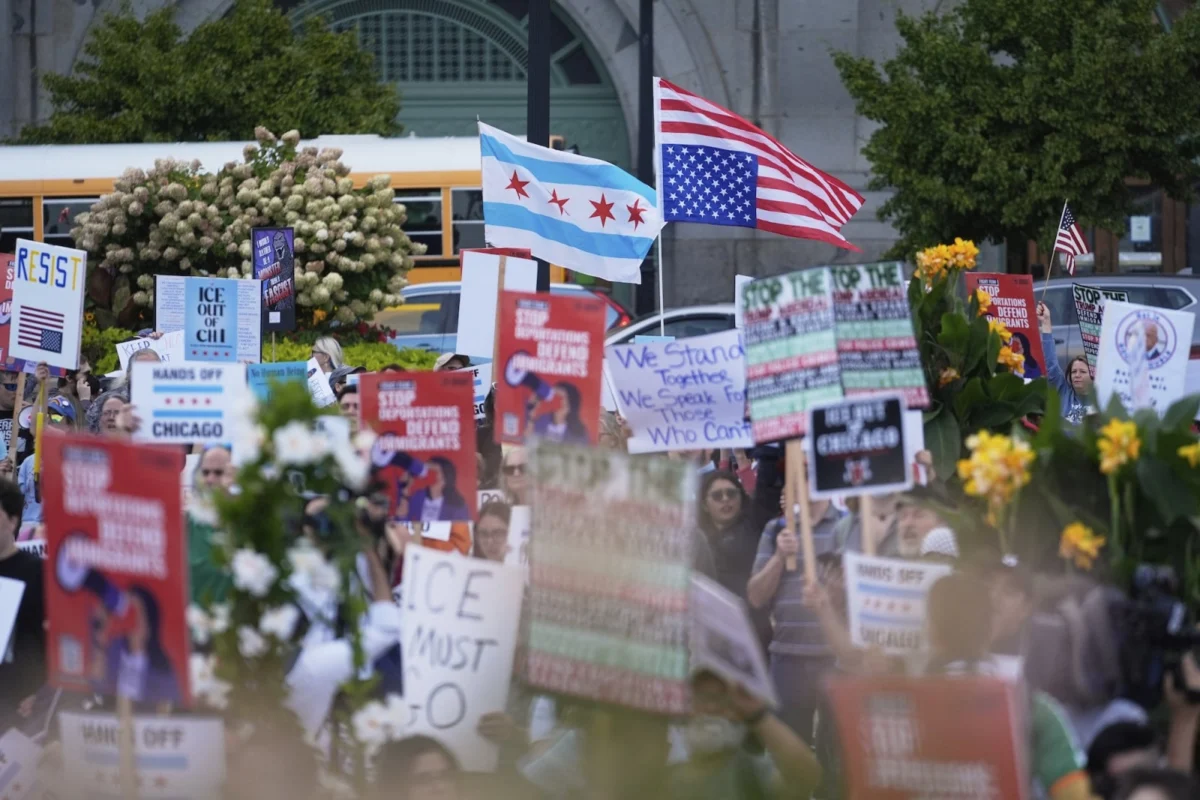
- November 4, 2024 (Eve of the Vote): In a massive display of public opposition, Amnesty International Belgium, in coalition with 36 other organizations, scheduled a demonstration at the Palace of Justice in Brussels. Over 50 decentralized protests were simultaneously organized across the country to pressure members of parliament.
- November 5, 2024: The scheduled plenary vote in the Belgian Federal Parliament.
Supporting Data and Human Rights Concerns
The opposition to this bill is not merely ideological; it is grounded in significant concerns regarding the erosion of civil liberties. Amnesty International has been at the forefront of the critique, warning that the bill is a dangerous departure from Belgium’s historic commitment to humanitarian values.
The Erosion of Privacy and Solidarity
Dinushika Dissanayake, Deputy Regional Director of Amnesty International, has been vocal in her condemnation. "These proposals which allow for home raids are bound to sow fear and division," Dissanayake stated. She emphasized that Belgium has long been a sanctuary where residents often open their doors to offer food, shelter, and support to vulnerable migrants. By targeting these acts of solidarity, the government risks destroying the social fabric that allows community-based humanitarian support to function.
The EU Context: A Broader Trend of Hostility
The Belgian proposal does not exist in a vacuum. It is widely viewed as a direct implementation of the European Union’s increasingly restrictive "Return Regulation." As the EU pushes to increase the efficiency of its deportation machinery, member states are being pressured to adopt "punitive" measures. Analysts note that this creates an environment where migrants, particularly racialized individuals, are increasingly treated as a security threat rather than as individuals with fundamental human rights.
The Vulnerability of Marginalized Groups
Legal observers point out that the lack of clear criteria for "public order" or "national security" allows for discriminatory enforcement. When police are granted the power to force open doors based on vague suspicions, the risk of profiling based on race or background increases exponentially. Furthermore, the psychological impact on children, who may witness their homes being raided by armed officers, remains a primary concern for pediatric and social work associations.
Official Responses and Political Debate
The political climate in Belgium is currently fractured. Proponents of the bill, largely from center-right and right-wing blocs, argue that the legislation is a necessary tool to enforce the law and ensure that those who have received final orders to leave the country comply with the state’s decision. They contend that the current system is ineffective and that "home inspections" are a standard, albeit difficult, administrative necessity.
However, the opposition is fierce. Left-leaning parties and human rights advocates argue that the government is using the "migration crisis" as a scapegoat for broader socio-economic failures. With the cost of living crisis, inflation, and housing shortages gripping the nation, critics accuse the government of resorting to "performative cruelty" to distract from domestic policy failures.
"At a time when the cost of living is soaring and economic insecurity is gripping millions across the country," Dissanayake noted, "politicians must not deflect attention by targeting one of the most marginalized groups in society."
The Broader Implications: A Dangerous Precedent
If the bill passes, the implications for Belgian society and the broader European human rights landscape could be profound.
1. The Normalization of State Intrusion
Legal scholars warn that once the threshold for entering a private residence is lowered, it is rarely raised again. By allowing police to bypass traditional, more stringent judicial warrants for the sake of administrative expediency, the state is setting a precedent that private life is subordinate to administrative efficiency.
2. The Chilling Effect on Civil Society
Perhaps the most damaging impact will be the cooling of civic engagement. If private citizens risk police raids simply for hosting someone who lacks legal residency, the "solidarity network" that provides a safety net for thousands will likely vanish. This would force more individuals into homelessness and extreme precarity, ultimately placing a greater burden on state services.
3. Impact on EU Migration Policy
Belgium, as the heart of the European Union, often sets the tone for regional policy. If the Belgian parliament approves these measures, it provides political cover for other EU member states to adopt similar, if not more extreme, measures. This risks a "race to the bottom" regarding the treatment of migrants, where the focus shifts entirely from protection and integration to detection and deportation.
Conclusion: A Call for Rejection
As the clock ticks toward the November 5 vote, the pressure on the Belgian government is reaching a fever pitch. The coalition of 36 organizations leading the protest is urging Members of Parliament to reconsider the long-term cost of these measures.
"These punitive proposals will tear communities apart and make everyday life more dangerous, complicated, and frightening for ordinary people," the coalition stated. The demand is clear: the Belgian Parliament must reject the bill and seek solutions that uphold the dignity of all people residing in the country, regardless of their migration status.
The vote this Thursday will serve as a litmus test for the country’s values. It will determine whether Belgium remains a society that upholds the sanctity of the home and the spirit of humanitarian solidarity, or if it will align itself with a growing movement that views migration through the narrow lens of policing and exclusion. For many in Brussels, the outcome will define the moral trajectory of the nation for years to come.


 Siti Muinah

 Iffa Jayyana