

 Asro
Asro
By [Your Name/Journalist Desk]
For the families of Fiji, the volatility of the global oil market is not merely a distant headline; it is a tangible, daily struggle. When international conflicts in West Asia triggered a surge in global fuel prices, the impact rippled instantly across the archipelago. From the bustling streets of Suva to the most remote outer islands, Fijians found themselves lining up at service stations to secure fuel for generators and cooking stoves, while families braced for the inevitable spikes in the cost of groceries and transport.
As the nation grapples with these economic pressures, a transformative shift is occurring. Driven by both necessity and a commitment to climate justice, a grassroots movement is emerging, placing the power of energy independence directly into the hands of local communities.
The Crushing Cost of Fossil Fuel Dependency
The current energy crisis in Fiji has acted as a catalyst for a broader national conversation. The reliance on imported fossil fuels has left the nation’s economy vulnerable to external shocks, forcing residents to absorb the costs of global instability. This situation is compounded by the geography of the Pacific; for communities on outer islands, the cost of boat fares has skyrocketed, effectively isolating vulnerable populations.
The crisis reached a breaking point with the announcement from Energy Fiji Limited regarding potential "nationwide power rationing." Driven by a combination of high global fuel prices and a severe dry season that has hampered hydro-electric generation, the warning served as a stark reminder of the risks associated with an energy infrastructure that relies too heavily on thermal generation.
The Human Toll: Beyond the Boardrooms
While energy analysts focus on market trends, the human cost is found in the daily lives of citizens. For students, unreliable electricity means lost hours of study. For the local fishing industry, the lack of consistent power makes it impossible to store catches, leading to food waste and lost income. In rural areas, water pumps—essential for basic hygiene and agriculture—frequently sit idle when the power fails.
A Vision for Energy Democracy: The Rise of Solar Entrepreneurs
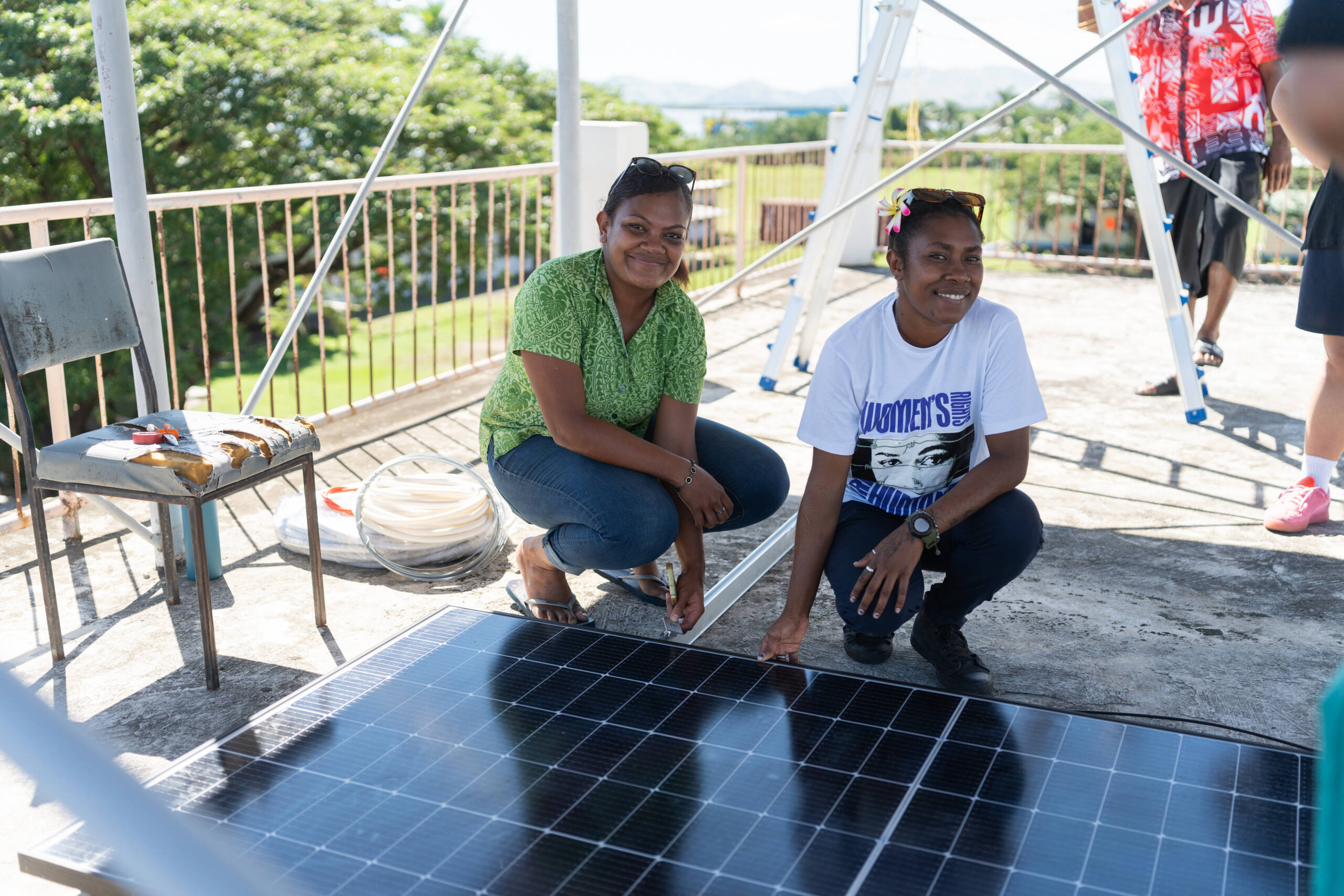
At the heart of the solution lies a new generation of Fijian innovators. One such pioneer is Pita Tamani, the founder of Electrify Energy Monkey. His journey from a local electrician to a leading advocate for renewable energy reflects the broader shift in Pacific priorities.
Tamani’s transition from a tradesman to an entrepreneur was born from a desire to provide better opportunities for his community. After working in the solar sector for years and gaining international experience in Australia, he realized that solar power was more than just a technological upgrade—it was a pathway to economic autonomy.
"I think that sort of financial independence is really important," Tamani explains. "What we’re doing is giving people energy independence with distributed renewable energy, even if they don’t have access to the grid."
The Multiplier Effect of Local Expertise
Tamani argues that the bottleneck for Fiji’s transition to 100% renewable energy is not a lack of materials, but a lack of technical expertise. He emphasizes that the efficacy of a solar system depends entirely on the quality of its installation and maintenance. By training local youth to design, install, and service these systems, Fiji is not just importing technology; it is building a resilient, homegrown industry.
Chronology: From Crisis to Capability
The move toward a renewable future in the Pacific is not a sudden trend but a response to decades of climate and economic vulnerability.
- 2015: Following the devastation of Super Typhoon Haiyan in the Philippines, the Institute of Climate and Sustainable Cities (ICSC) launches the "Solar Scholars" initiative to provide emergency power to cyclone-prone areas.
- 2023-2024: Global fuel market volatility triggers sharp price increases in Fiji, leading to increased calls for energy sovereignty.
- 2025: Fiji submits an ambitious Nationally Determined Contribution (NDC 3.0) to the UNFCCC, aligning with the COP28 pledge to triple renewable energy capacity globally.
- May 2026: The "Solar Scholars" training program convenes in Nadi, bringing together fifteen community leaders from Fiji, Tuvalu, and Vanuatu to learn community-led solar PV installation.
Supporting Data and Strategic Alignment
Despite contributing a negligible 0.03% to global greenhouse gas emissions, Pacific nations are leading the charge in implementing renewable solutions. The drive toward 100% renewable energy is not merely an environmental goal; it is a defensive economic strategy.

The recent UN resolution regarding the legal obligations of states to take climate action has provided a framework for countries like Fiji to demand more aggressive support for the just energy transition. By decentralizing power generation through rooftop solar and micro-grids, Fiji aims to bypass the inefficiencies of aging, centralized fossil-fuel grids.
The Economics of Offsetting
Tamani highlights that solar is an investment that pays for itself. Even in urban centers, where residents are connected to the grid, installing solar panels allows homeowners to lower their monthly expenses and, in some cases, sell excess power back to the grid. This "prosumer" model—where the consumer also becomes a producer—is the cornerstone of the envisioned Pacific energy landscape.
Official Responses and Civil Society Advocacy
The transition to renewables has garnered support from both regional and international organizations. Fenton Lutunatabua, the Pacific Program Lead for 350.org, emphasizes that the fight for renewable energy is inseparable from the fight for human rights.
"Everyone deserves access to energy to light their homes, to contact their loved ones, to store their food, and to maintain a life of dignity," says Lutunatabua. "When renewable energy is prioritized and distributed, we move one step closer to a Pacific beyond fossil fuels."
Lutunatabua notes that while fossil fuel corporations continue to profit from war-driven price hikes, the "Solar Scholars" program offers a practical, community-centered alternative. By utilizing the "Solar TekPak"—a portable, durable PV system designed for emergency scenarios—these communities are ensuring they remain powered even in the face of climate-induced disasters.
Implications: The Road to 100% Renewables
The implications of this shift are profound. By building a workforce trained in renewable technologies, Fiji is positioning itself as a leader in the South Pacific. The success of this transition relies on three critical pillars:

- Technical Capacity Building: Scaling up vocational training programs like the Solar Scholars initiative to ensure the country has a skilled workforce ready to deploy technology at speed.
- Regulatory Reform: Creating policy environments that incentivize distributed energy and allow for easy integration of private, small-scale solar systems into the national grid.
- Community-Led Ownership: Moving away from top-down, state-run energy models toward community-managed grids that prioritize local needs and equitable access.
A Future Built by the People
As the world watches, the Pacific is proving that the most effective solutions to the energy crisis are not always found in multinational boardrooms. They are found in the hands of people like Pita Tamani and the community leaders gathering in Nadi.
The path to 100% renewable energy is undoubtedly steep, hindered by the dual pressures of economic volatility and the worsening climate crisis. However, the determination of the Pacific people remains unshaken. By marrying ancestral resilience with cutting-edge renewable technology, Fiji is not just surviving the current energy crisis; it is rewriting the script for a sustainable, energy-independent future.
As the sun rises over the Pacific, the message is clear: the energy of the future is local, distributed, and entirely in the hands of those who live on the frontlines of the changing world.

 Siti Muinah
 Neng Nana