



 Neng Nana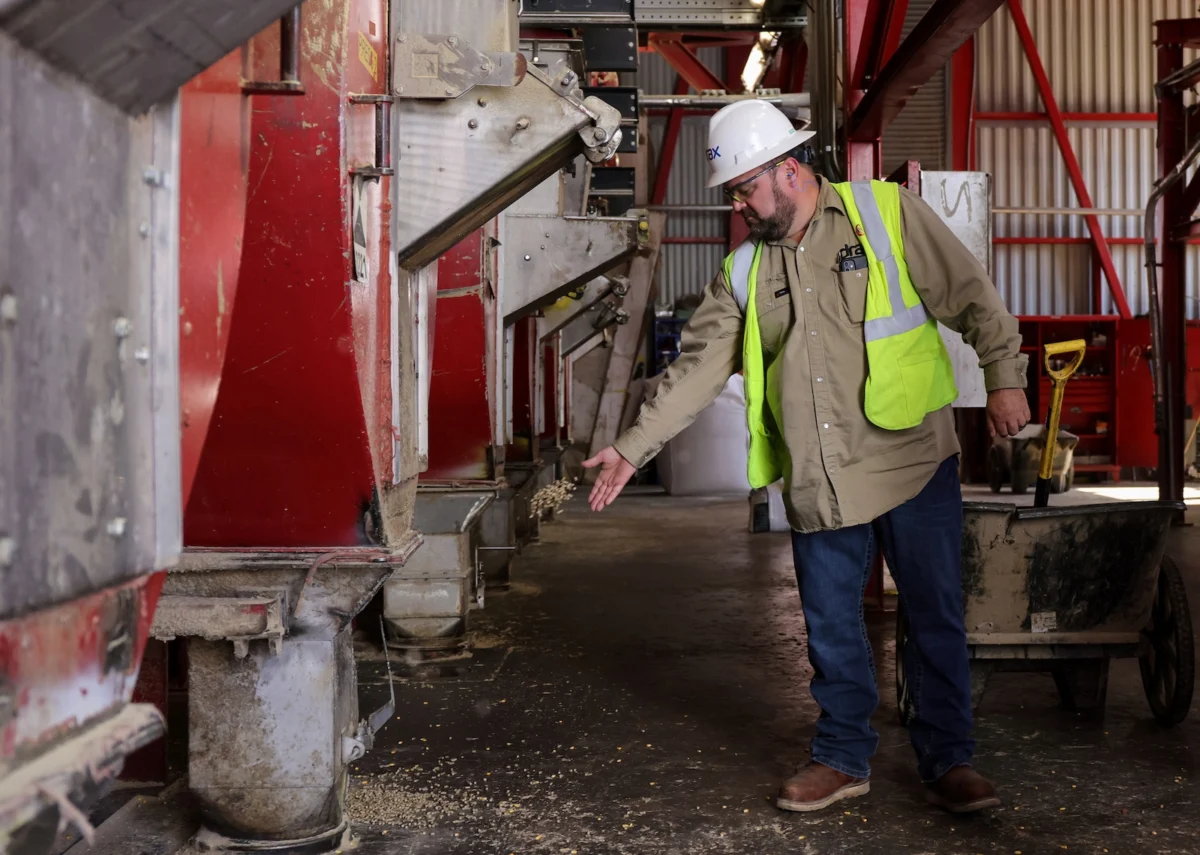
This coverage is made possible through a partnership between Grist and Verite News, a nonprofit news organization with a mission to produce in-depth journalism in underserved communities in the New Orleans area.
In an era where industrial policy is often scrutinized for its environmental and economic trade-offs, the Louisiana Legislature has taken a sweeping, albeit controversial, step toward cementing the state’s role as a global exporter of wood pellets. House Bill 670, a piece of legislation designed to aggressively expand the wood pellet manufacturing industry, has sailed through both chambers of the state Legislature with unanimous support.
However, the rapid passage of the bill has exposed a striking reality: many of the lawmakers voting in favor of the measure, including its primary sponsor, admit to having only a rudimentary understanding of the industry they are now poised to subsidize and streamline. As the bill moves toward the desk of Governor Jeff Landry, who has signaled his support for industrial expansion, critics are sounding the alarm over what they characterize as a lack of due diligence in the face of significant health, environmental, and economic risks.
The Push for Expansion: A Legislative Snapshot
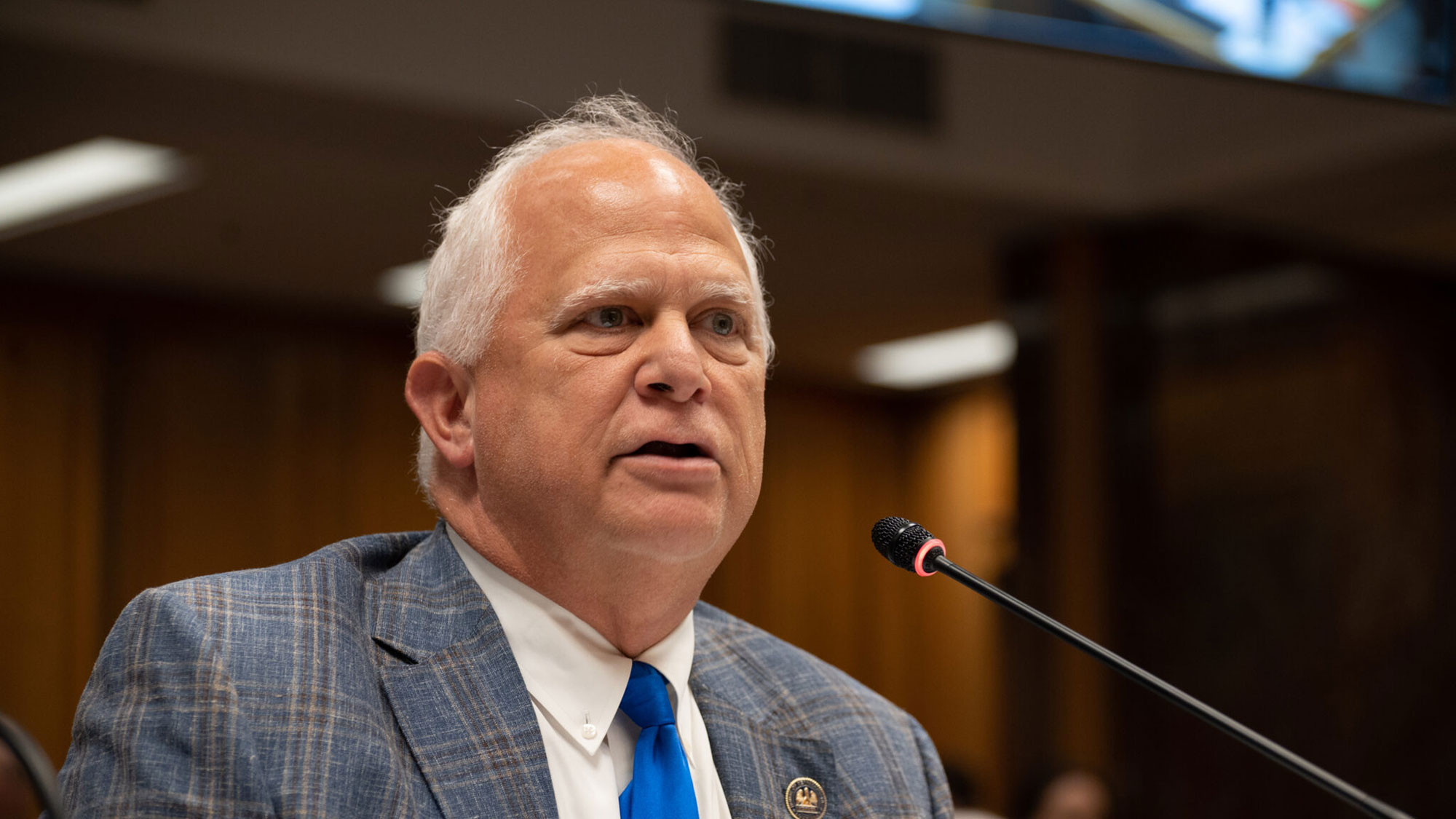
State Representative Chuck Owen, a Republican from Vernon Parish, introduced HB 670 in February with the stated goal of making Louisiana a "premier location for wood pellet manufacturing." For Owen, the logic is rooted in the state’s geography. With a district that is heavily forested, Owen views the industry as a natural fit for Louisiana’s timber-rich landscape.
"We have a lot of trees in Louisiana, and north of Bunkie, that’s about all we have," Owen stated during a legislative meeting. "There’s a market craving wood pellets, and I think we should get further into it."
The legislation is far-reaching. It grants Louisiana Economic Development the authority to craft new incentive packages, which could include substantial tax breaks, state-funded workforce training programs, and significant upgrades to port infrastructure to facilitate the export of pellets. Furthermore, the bill instructs state regulators to expedite the permitting process for new mills and explicitly tasks them with reviewing environmental and public safety rules that allegedly "impose unnecessary burdens on this emerging industry."
Despite the bill’s broad scope, the debate on the floor revealed a profound knowledge gap. When pressed by fellow lawmakers to define the product and the process, Representative Owen was candid. "I do not know a lot about it," he admitted during deliberations. "No, sir, I do not. I know they’ve had some struggle in recent years, but I know that they’re there."
Chronology of a Controversial Industry
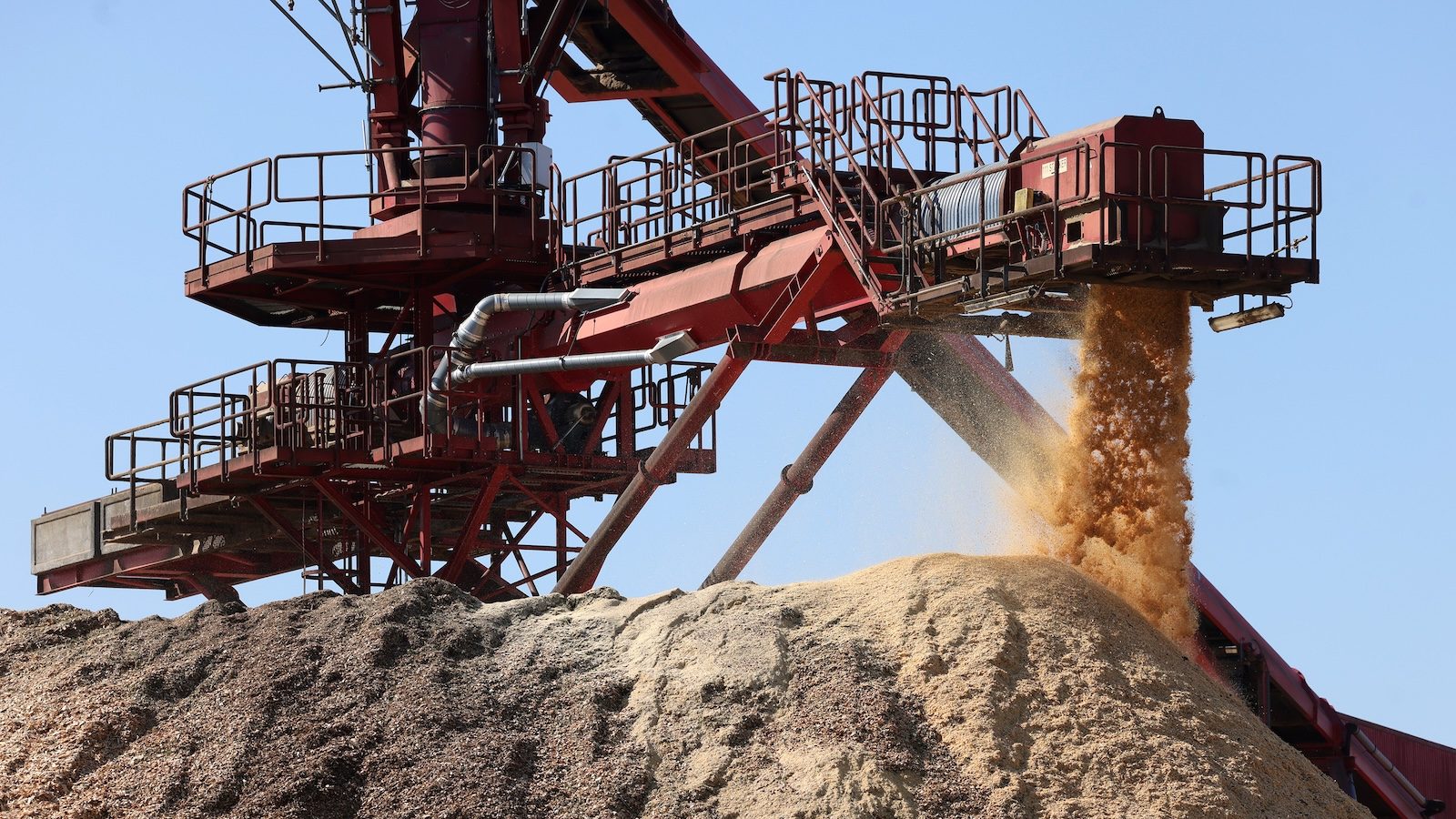
The wood pellet industry in Louisiana is currently dominated by the British energy conglomerate Drax. Operating two large-scale mills—one in the central town of Urania and another near Bastrop in the state’s northeast corner—Drax processes low-grade timber into pellets that are then shipped across the Atlantic.
This export model is fueled by demand in the United Kingdom, where wood pellets are classified as "sustainable biomass." Under U.K. regulations, this classification allows the industry to tap into massive renewable energy subsidies, effectively positioning the burning of wood as a "green" alternative to coal.
However, the history of this industry in the Deep South is fraught with conflict:
- 2018–2024: Over the past six years, Drax has been hit with nearly $6 million in fines and settlements for hundreds of air pollution violations across its Louisiana and Mississippi operations.
- 2024: The climate research group Ember releases a report identifying Drax’s U.K. power station as the single largest source of carbon dioxide in the country, emitting 14 million tons of CO2—more than the combined emissions of the U.K.’s six largest gas plants.
- 2025: Residents in Gloster, Mississippi, file a lawsuit against Drax, alleging a decade of exposure to toxic chemicals, including formaldehyde, acrolein, and methanol, which they link to high rates of cancer and respiratory illness in their community.
- 2026 (February): Representative Chuck Owen introduces HB 670, aiming to expand the very industry that is currently embroiled in litigation and regulatory scrutiny.
- 2026 (May 27): Following minimal debate regarding environmental impacts, the Louisiana Senate passes HB 670 with only minor modifications.
Supporting Data: The Economic and Environmental Conflict
The narrative of "economic revitalization" remains the central pillar of the bill’s support. Proponents argue that with the decline of traditional pulp and paper mills, pellet manufacturing provides a vital market for low-grade pine. Yet, the economic reality is more nuanced than the legislative rhetoric suggests.
Employment vs. Tax Breaks
While supporters point to job creation, the reality of the Drax mills is that they are highly automated. Each of the three Drax facilities in the region employs approximately 70 people—a fraction of the workforce supported by the traditional paper mills of the past. Furthermore, a joint investigation by Grist and Verite News found that through the Industrial Tax Exemption Program, Drax has bypassed roughly $75 million in local property taxes that would otherwise have funded public schools and municipal infrastructure.
The Myth of "Clean Burning"
During the legislative process, the only expert testimony came from a consultant who claimed that pellet burning is "cleaner" than fossil fuels. This claim was echoed by legislators like Representative Candace Newell, who asked, "Are we talking about the wood pellets you put in the smoker, or do you build stuff with these wood pellets? … So, it’s clean-burning, just clean-burning clean energy."
Scientific consensus paints a different picture. The particulate matter, noise, and chemical emissions from the pelletization process—grinding, drying, and pressing wood—pose localized risks to public health. Moreover, the carbon accounting behind biomass is increasingly being questioned by European regulators, leading to a recent decision by the U.K. government to cut biomass subsidies by half.
Official Responses and the "Carbon Capture" Tug-of-War
Drax has maintained a stance of cautious optimism regarding the legislation. In response to inquiries about the pollution lawsuits and the environmental criticism, a company spokesperson stated: "We appreciate the engagement of lawmakers and our community partners in Louisiana. We remain focused on operating responsibly and transparently, working constructively with regulators, and continuing to support jobs and economic activity."
The bill faced its most significant friction regarding Carbon Capture and Storage (CCS). While Drax has publicly pivoted toward CCS as a future business model—even establishing a Houston office specifically for "bioenergy carbon capture"—there is a growing faction of Louisiana lawmakers who are deeply suspicious of the technology. These legislators fear the safety risks associated with CO2 pipelines and underground sequestration.
Representative Owen was forced to perform a delicate balancing act, labeling CCS as the "C-word" and promising to kill his own bill if the Senate attempted to attach language that would favor carbon capture projects. The Senate, sensing the political volatility, avoided the subject entirely, ensuring the bill’s passage without addressing the long-term technological trajectory of the industry.
Implications: A Future Built on Uncertainty
The passage of HB 670 signals a bold, if uninformed, commitment to an industry that is currently facing a global reckoning. With major players like Enviva filing for bankruptcy and Drax shuttering its Arkansas mills, the global market for wood pellets is showing signs of instability.
Kadin Love, a community organizer with the Dogwood Alliance, warns that Louisiana is setting itself up for a future of abandoned industrial sites and unaddressed public health crises. "This is an industry that doesn’t have a clean history," Love said. "The fact that they’re not doing the due diligence of researching this industry is incredibly concerning. If you’re making a state law that exclusively benefits one industry, I’d hope they’d do some homework on it."
As the state moves forward, the implications for Louisiana’s environment and its public health are profound. By streamlining permits and offering incentives to a sector that has yet to prove its long-term viability or its commitment to environmental compliance, the Legislature has tethered the state’s economic future to an industry that is increasingly being viewed as a relic of a flawed energy transition model.
For the residents living in the shadow of these mills, the legislative "success" in Baton Rouge feels less like an economic win and more like an abandonment of the state’s duty to protect its citizens from the realities of an industry that, despite the claims of its supporters, is far from "clean."


 Siti Muinah
 Reynand Wu