


 Neng Nana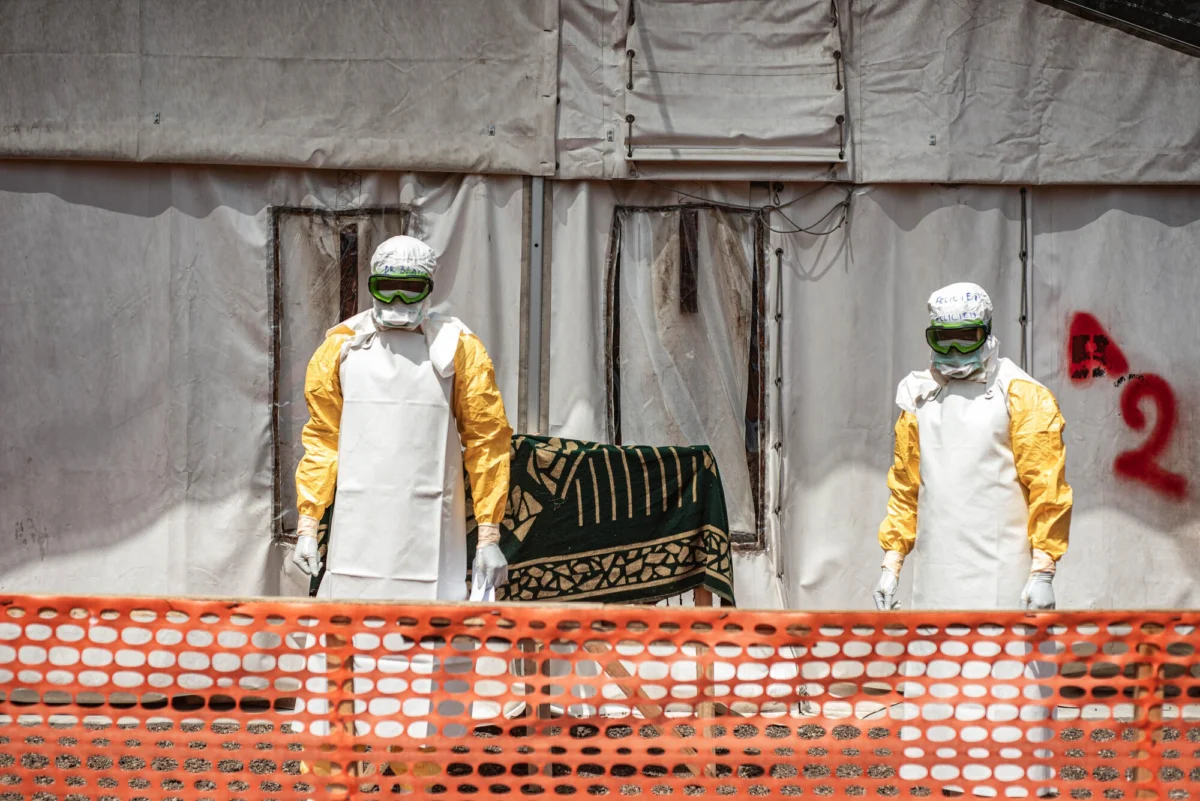
Introduction: A Rare and Formidable Adversary
Ebola virus disease (EVD) remains one of the most feared public health threats globally, a rare yet lethal hemorrhagic fever that can claim up to 90 percent of its victims if left unmanaged. While the world has made significant strides in combating the Zaire strain of the virus—most notably through the development of highly effective vaccines and monoclonal antibody treatments—a new, more elusive threat has emerged.
The current outbreak, spanning across the Democratic Republic of Congo (DRC) and Uganda, is caused by the Bundibugyo virus. Unlike its more famous counterparts, the Bundibugyo strain lacks the robust medical arsenal that has turned the tide against previous epidemics. As infection numbers rise, the international medical community, led by organizations like Médecins Sans Frontières (MSF), is facing a diagnostic, logistical, and humanitarian crisis of compounding proportions.
Main Facts: Understanding the Virus
To grasp the severity of the current situation, one must distinguish between the viral strains. The Ebola virus family includes several distinct species, named after the locations where they were first identified: Zaire, Sudan, Ivory Coast, Reston, and Bundibugyo.
The Bundibugyo virus is characterized by its unpredictability and the lack of specific, approved pharmaceutical countermeasures. While clinicians can leverage vaccines and monoclonal antibodies for the Zaire strain, these are ineffective against the Bundibugyo variant. Because the virus is rare, the commercial incentive for manufacturers to produce diagnostic test kits and specialized treatments remains low, leaving frontline health workers to navigate the outbreak with limited tools.
Transmission and Symptomatology
Ebola is highly infectious, transmitted through direct contact with the blood, secretions, or bodily fluids of an infected person or animal. The initial symptoms—fever, fatigue, and a sore throat—are notoriously non-specific, often mimicking common illnesses like malaria or influenza. This makes early detection a "needle in a haystack" challenge. Once a patient is stabilized and recovers, they develop immunity to the specific strain they contracted, but the journey to recovery is arduous, requiring intensive supportive care such as oxygen therapy, fluid replacement, and the monitoring of critical cardiac parameters.
Chronology of the Crisis
The timeline of the current outbreak reveals a pattern of delayed detection and rapid escalation.
- Early April: The earliest indications of the current outbreak suggest that the virus began circulating in the community. However, due to a profound lack of surveillance and reporting mechanisms, these initial cases went unnoticed by health authorities.
- Late April: A sentinel event occurred at the Evangelical Medical Center in Bunia, where a nurse succumbed to what was initially identified as a "suspected viral hemorrhagic fever." This death served as the primary alarm for the medical community.
- May 9: MSF and other health authorities began receiving formal alerts regarding the cluster of deaths. The retroactive analysis suggests that the virus had been silently spreading for weeks prior to this official notification.
- Current Status: The outbreak has since expanded into multiple health zones. In the Ituri province of the DRC, which currently accounts for over 90 percent of reported cases, the situation is characterized by a rapid and concerning acceleration of transmission.
Supporting Data: The Logistics of Failure
The fight against the Bundibugyo virus is hindered by a critical "diagnostic gap." Hundreds of samples currently sit untested due to a systemic shortage of specialized test kits. This data deficit obscures the true scale of the epidemic, preventing health teams from effectively tracking transmission chains.
Furthermore, the geographical and political terrain of the DRC presents significant barriers to containment. Northeastern provinces have been plagued by decades of civil conflict and recurring displacement. Armed checkpoints, unstable front lines, and the rugged, unforgiving geography—comprising dense rainforests, mountainous terrain, and deep river systems—severely impede the transport of diagnostic samples to laboratories. When a sample cannot reach a lab in a timely manner, surveillance breaks down, and the virus gains a head start.
Official Responses and the "Humanitarian Gap"
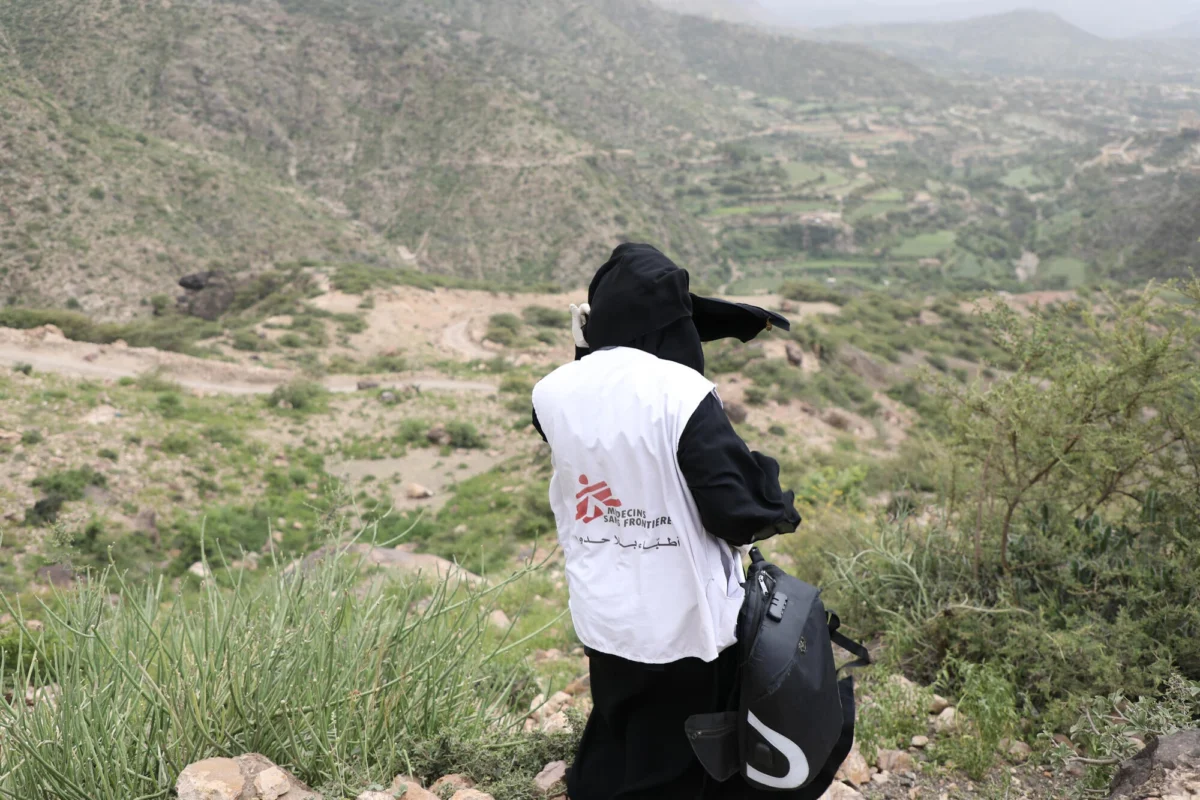
The response to the Bundibugyo outbreak is currently categorized as "inadequate." While teams from MSF and local health authorities have mobilized, the scale of the crisis in the DRC far outweighs the resources on the ground.
MSF’s Multi-Pillar Strategy
MSF’s approach is built on several foundational pillars:
- Clinical Care: Establishing specialized Ebola Treatment Units (ETUs) to provide high-quality supportive care.
- Infection Prevention: Ensuring that all staff and caregivers are equipped with full personal protective equipment (PPE) to break the chain of human-to-human transmission.
- Surveillance and Testing: Working to bridge the diagnostic gap by deploying mobile and portable laboratories capable of operating in remote, underserved environments.
- Community Engagement: Partnering with local leaders to build trust and ensure that communities understand the importance of early reporting.
Despite these efforts, MSF has explicitly stated that the support provided remains far short of what is required. There is a desperate need for a massive scale-up in resources, specifically from pharmaceutical manufacturers, who must prioritize the production of diagnostic tools and the advancement of candidate treatments that have yet to be validated by clinical trials.
Implications: The Burden of Dual Crises
Perhaps the most significant lesson learned from the history of Ebola outbreaks is that the disease cannot be treated in a vacuum. A laser-focused approach on Ebola at the expense of routine health care often leads to a secondary surge in mortality from preventable causes.
Maintaining Routine Care
As medical resources are diverted to combat the Ebola outbreak, the vulnerability of the general population increases. In the regions affected by this crisis, malaria, cholera, and measles remain persistent killers. Furthermore, the suspension of routine services impacts the most vulnerable:
- Maternal Health: Expectant mothers are losing access to essential prenatal and delivery care.
- Child Health: Vaccination programs for common childhood illnesses are being disrupted, risking future outbreaks of preventable diseases.
- Nutrition: Child malnutrition remains a growing, silent emergency in these provinces, often exacerbated by the displacement caused by conflict.
- Protection: The lack of secure health infrastructure leaves survivors of sexual and gender-based violence without the critical care they need.
The tragedy of the current situation is that the very systems meant to protect the public are being overwhelmed. For the people of the DRC and Uganda, the Bundibugyo virus is not just a medical emergency; it is an additional layer of trauma in an already fragile society.
A Call for Global Action
The international community faces a choice. If the response to this outbreak continues to be hampered by limited diagnostic capacity, geographical isolation, and the lack of specialized treatments, the death toll will inevitably climb. To change the trajectory, there must be a coordinated effort to:
- Prioritize the Bundibugyo Strain: Re-allocate research and manufacturing efforts toward diagnostics and vaccines specific to this virus.
- Invest in Infrastructure: Move beyond temporary, emergency responses toward building sustainable laboratory networks that can function despite the volatility of the region.
- Integrate Health Systems: Ensure that every Ebola response includes a parallel commitment to maintaining and strengthening primary healthcare, maternal health, and nutrition services.
As it stands, the Bundibugyo virus serves as a stark reminder of the inequities in global health. When a rare virus strikes a population already suffering from the impacts of war and poverty, the world’s response often arrives too late and with too little. To end this outbreak, the global health architecture must shift from reactive crisis management to a proactive, equitable model that ensures no community is left to face a silent killer alone.

 Siti Muinah