

 Neng Nana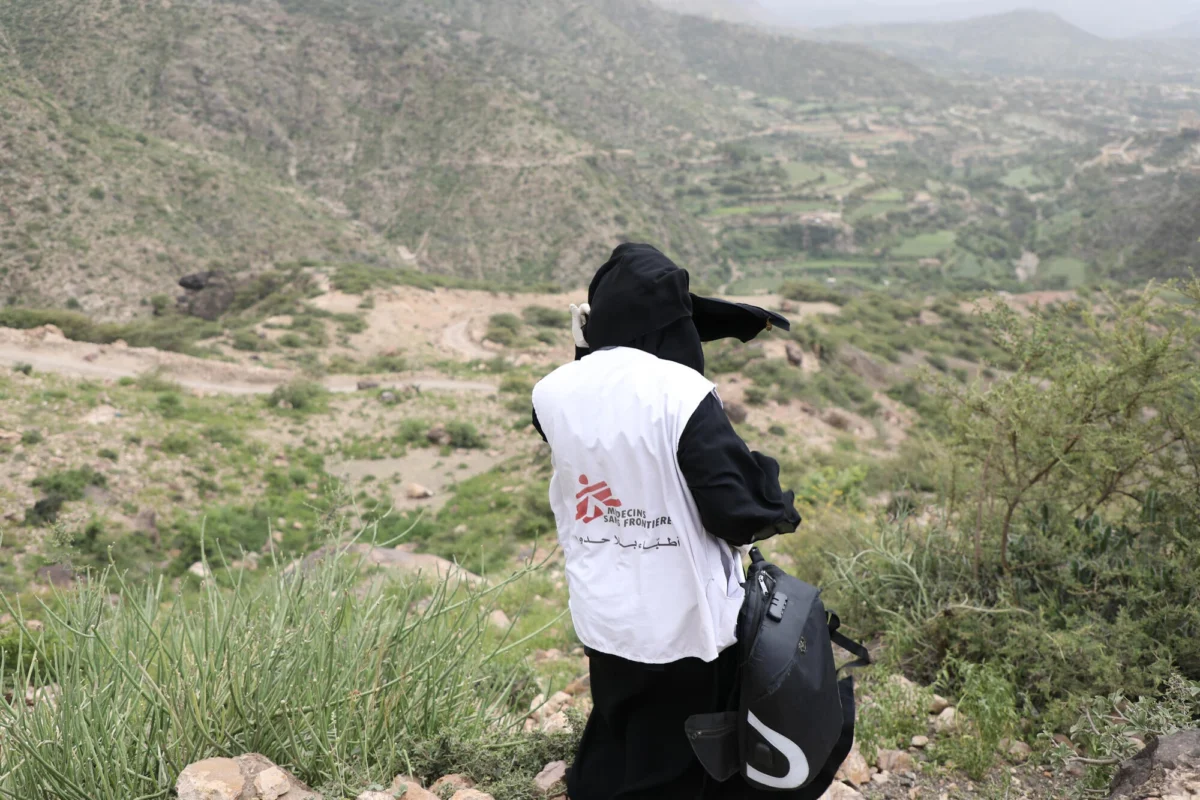
In the remote, arid stretches of the Abs district in Yemen’s Hajjah governorate, a silent, slithering threat is claiming an increasing number of lives. For the rural population, the dangers of conflict—airstrikes, displacement, and food insecurity—are well-documented, but a more insidious killer has emerged: snakebite. Doctors Without Borders (Médecins Sans Frontières, or MSF) reports a harrowing surge in venomous snakebite cases, highlighting a medical crisis that remains largely neglected by the global community.
As a "neglected tropical disease," snakebite does not garner the headlines that war or famine do, yet for those living in the agricultural heartlands of Yemen, it is a matter of life and death. The disparity between the availability of life-saving antivenom and the reach of those who need it has created a lethal gap, transforming treatable medical emergencies into tragedies of disability and death.
Main Facts: A Neglected Tropical Disease
Snakebite envenoming is a condition caused by the injection of toxic venom during a bite from a snake. In the context of Yemen, the environment—characterized by rugged terrain and high temperatures—is a prime habitat for various venomous species.
The core issue is twofold: ecological vulnerability and systemic fragility. In rural areas, families often work in fields for extended hours, particularly during harvest seasons. Many laborers work barefoot or with minimal protective gear, and the lack of adequate housing often forces families to sleep outdoors, where the risk of nocturnal encounters with snakes is at its highest.
"Some snakes inject venom, which can harm the body in serious ways," explains Abdul Aziz, MSF’s medical coordinator in Yemen. "Snake venom can damage nerves, blood, muscles, or organs, leading to complications like respiratory failure, uncontrolled bleeding, or severe local tissue necrosis. Even when a bite is not venomous, the secondary infections or allergic reactions can be debilitating."

Chronology of an Escalating Threat
The data collected by MSF in the Abs district paints a alarming picture of a problem moving from a sporadic concern to a public health crisis.
- 2024: MSF facilities in Hajjah began noting an uptick in cases, yet the numbers remained within a range that the existing, albeit strained, health infrastructure could manage with difficulty.
- 2025: A turning point. MSF teams supporting the Abs Hospital treated 671 snakebite cases, a figure more than double the total seen in the previous year. This sudden, exponential rise forced medical teams to scramble for resources and prioritize emergency protocols.
- 2026 (First Quarter): The trend shows no sign of abating. In just the first three months of 2026, teams in northern Yemen recorded 137 cases. If this pace continues, 2026 is projected to eclipse the record-breaking numbers of 2025.
The surge is not necessarily due to a sudden proliferation of snakes, but rather the intersection of environmental factors—such as climate-related displacement of reptiles—and the total collapse of the local healthcare network, which has left rural populations without the traditional, community-based first-aid channels they once relied upon.
Supporting Data: The Logistics of Failure
The logistics of survival in Yemen have become impossibly difficult. Abs, a district serving a population of over one million, acts as a primary hub for trauma care. However, many patients arrive from remote villages located hours or even days away from the hospital.
The "Golden Hour"—the window during which antivenom is most effective—is frequently lost to the realities of Yemen’s geography and infrastructure. Ongoing insecurity, damaged road networks, and a maze of checkpoints create physical barriers that turn a treatable bite into a life-altering event.
Furthermore, the economic dimension of the crisis is stark. While private pharmacies may stock antivenom, the cost is prohibitive for the average Yemeni family. Because different snake species require different types of antivenom, the cost of stocking a comprehensive range of treatments is high, and this expense is passed down to the patient. Many victims, unable to afford the treatment, turn to traditional healers or home remedies. By the time they reach a formal medical facility, the venom has often caused irreversible organ damage or tissue death, requiring complex surgical intervention or amputation.

Official Responses and Medical Perspectives
MSF, one of the few organizations consistently present on the ground in Hajjah, has taken the lead in sounding the alarm. The organization’s position is clear: "People die from snakebite—not because treatment does not exist, but because it is largely out of reach."
The medical response in Abs involves not only the administration of antivenom but also extensive surgical support for those suffering from necrotic wounds. Beyond the physical trauma, MSF clinicians are increasingly focused on the psychological toll. Victims of snakebite, particularly those who have lost limbs or suffer from permanent nerve damage, face a lifetime of disability. The subsequent mental health impacts—including chronic anxiety, depression, and post-traumatic stress—are significant, yet often completely ignored in the context of humanitarian aid.
The World Health Organization (WHO) has categorized snakebite as a priority neglected tropical disease, yet funding for rural distribution of antivenom in conflict zones remains woefully inadequate. The international medical community’s response has been hampered by the difficulties of operating in Yemen, where logistical supply chains are routinely disrupted by war.
Implications: The Long-Term Burden
The implications of the rising snakebite epidemic in Yemen extend far beyond the emergency room.
Socio-Economic Impact
Snakebite disproportionately affects the working-age population—the farmers and laborers who are the backbone of Yemen’s rural economy. When a breadwinner is disabled by a bite, the entire family unit risks falling into extreme poverty. The loss of limbs or the inability to perform physical labor forces families to rely on aid, further straining the country’s already depleted resources.

The Healthcare Vacuum
The current state of the Yemeni health system is, in many regions, a shell of its former self. Years of conflict have led to the flight of trained medical personnel, the destruction of power grids necessary for refrigeration (critical for storing temperature-sensitive antivenom), and the depletion of essential medicine stockpiles. Snakebite, therefore, serves as a "bellwether" disease; its prevalence exposes the total breakdown of the health system’s ability to manage even basic, predictable medical emergencies.
A Call for Action
To reverse this trend, a multi-pronged approach is required:
- Supply Chain Stabilization: International donors must prioritize the procurement and steady delivery of species-specific antivenom to rural clinics, not just central hospitals.
- Public Health Awareness: Educational campaigns in rural communities are essential. Teaching farmers how to minimize risk—such as the use of simple protective footwear and the importance of clearing brush around sleeping areas—can significantly lower incident rates.
- Strengthening Primary Care: Instead of relying on centralized, far-off hospitals, there is an urgent need to train community health workers in early intervention and stabilization techniques for snakebite.
- Affordability: The cost of antivenom must be subsidized. In a country facing the world’s worst humanitarian crisis, the cost of a life-saving vial should not be the deciding factor between survival and death.
Conclusion: A Preventable Tragedy
The situation in the Abs district is a microcosm of the wider challenges facing Yemen. It is a story of how conflict ripples out to affect the most basic interactions between humanity and the natural world. Every victim of a snakebite in Hajjah represents a failure of global and local systems to protect the most vulnerable.
"Snakebite is an entirely preventable and treatable condition," says an MSF representative. "The fact that it is becoming a leading cause of death in our area of operation is a sign that we are failing to address a manageable risk. If we do not act to increase the availability of antivenom and improve the reach of our services, we will continue to see these numbers rise."
As Yemen looks toward an uncertain future, the fight against this silent killer serves as a stark reminder: the most devastating consequences of war are often those that occur in the shadows, away from the frontline, in the quiet, dusty fields where survival is a daily struggle against the elements. The international community has the tools to end these preventable deaths; what remains to be seen is if they have the political and humanitarian will to deploy them.

 Siti Muinah