
 Rifan Muazin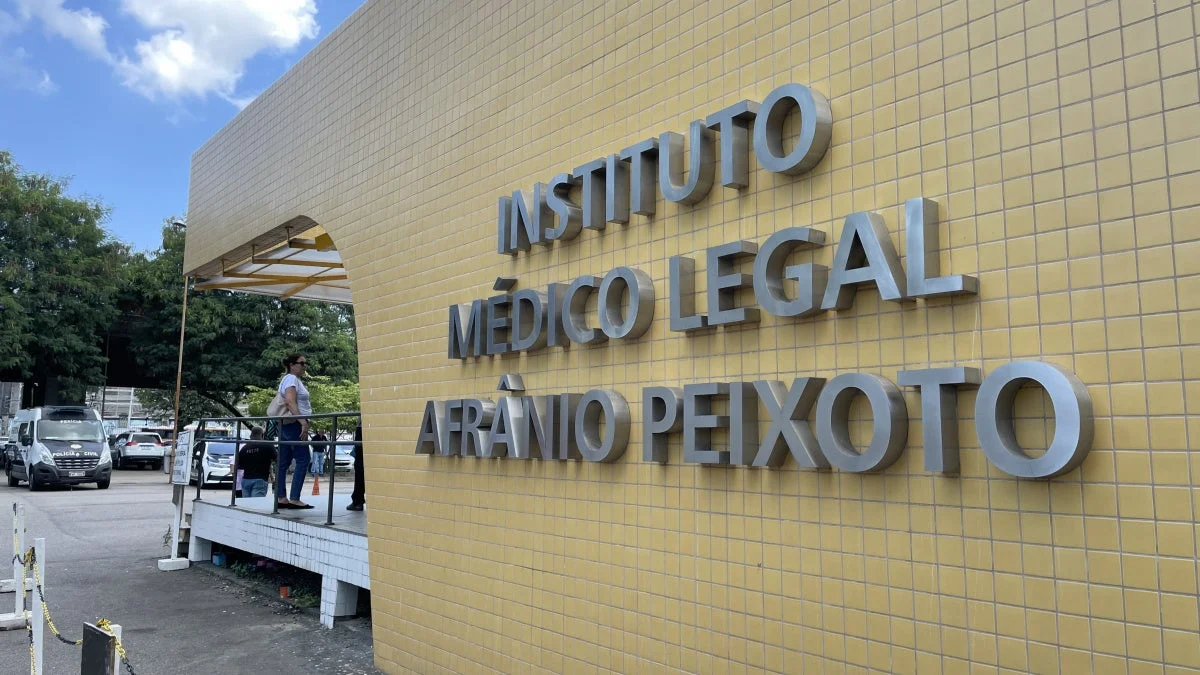
By Investigative Desk
In a significant push for judicial reform in Brazil, Human Rights Watch (HRW) has issued a formal call to the acting governor of Rio de Janeiro, Ricardo Couto, demanding the complete structural independence of the state’s forensic services. The organization argues that the current subordination of forensic units to the Civil Police—the very agency responsible for investigating crimes, including those committed by police officers—creates an inherent conflict of interest that cripples the state’s ability to deliver justice.
The demand comes at a critical juncture for Rio de Janeiro, a state plagued by alarmingly high homicide rates and a persistent culture of impunity. With 77 percent of murders remaining unsolved, the integrity of crime scene analysis has become a focal point for international human rights monitors and domestic reformers alike.
The Core Conflict: A Systemic Failure of Impartiality
At the heart of the controversy is the structural hierarchy of Rio’s law enforcement apparatus. Rio de Janeiro remains one of only six Brazilian states—alongside the Federal District—where forensic services are fully integrated into the Civil Police. This relationship is not merely administrative; it is absolute. The Chief of the Civil Police oversees the budget for forensic laboratories, often prioritizing operational needs like fleet maintenance, weaponry, and tactical gear over the specialized equipment, reagents, and staffing required for high-level forensic science.
Human Rights Watch has documented testimonies from forensic experts who describe "veiled pressure" from police commanders. These experts allege that their findings, particularly in cases involving police-involved shootings or lethal use of force, are frequently scrutinized or discouraged when they contradict the official police narrative.
“Ensuring high-quality, independent forensic services is key to improving criminal investigations and accountability in Rio de Janeiro,” said Andrea Carvalho, Brazil researcher at Human Rights Watch. “Rio’s acting governor should seek to grant forensic experts the support and independence they need to be effective.”
Chronology of Reform: A Half-Measure Approach
The administration of Acting Governor Ricardo Couto has acknowledged the need for change, taking incremental steps over the past year. However, HRW and legal observers argue that these measures fall short of the structural overhaul required by international standards.
- April 2025: The Secretariat of the Civil Police reveals a staggering deficit in human capital, reporting that 57 percent of forensic medical examiner positions and 26 percent of forensic expert roles remain vacant.
- October 31, 2025: HRW publishes a scathing report detailing "serious investigative failures" in how the Civil Police handle high-profile, deadly raids, underscoring the lack of objective evidence gathering.
- May 5, 2026: In a major political development, reports emerge that Governor Couto has decided to grant "full autonomy" to forensic services.
- May 21, 2026: The Secretary of Civil Police issues a directive mandating that only personnel reporting to the forensic department may conduct analyses. Furthermore, specialized units dedicated to homicide cases are established. These units are designed to report directly to the state’s forensic head rather than individual precinct commanders.
- Current Status: Despite these shifts, the entire forensic apparatus remains under the administrative and budgetary control of the Civil Police, rendering the "autonomy" largely superficial.
Supporting Data: The Cost of Impunity
The statistical landscape of Rio de Janeiro’s criminal justice system is dire. The 77 percent homicide clearance rate is among the worst in the country, a figure that experts attribute directly to the degradation of investigative quality.
The scarcity of resources is a primary driver of this failure. When the police force acts as the gatekeeper for forensic funding, the scientific pursuit of truth often takes a backseat to the logistical requirements of daily policing. Without a dedicated, protected budget, forensic laboratories in Rio struggle with outdated equipment and a reliance on staff who are often overworked and under-resourced.
Furthermore, the lack of independent oversight means that internal affairs investigations are frequently hampered by a lack of objective, non-partisan evidence. This lack of transparency has prompted both the Inter-American Court of Human Rights and Brazil’s Supreme Court to intervene, issuing repeated orders for the state to conduct thorough and independent investigations into police abuse.
The Path Forward: Legislative Independence
Human Rights Watch has outlined a roadmap for the acting governor to transform the state’s forensic services into a truly independent, science-led institution. The proposed reforms include:
1. Legislative Autonomy
Governor Couto is urged to introduce a formal bill to the state legislature. This bill would decouple the forensic department from the Civil Police, establishing it as an independent entity with its own legal personality. This would allow the department to manage its own budget, independent of police priorities.
2. Expert Leadership
Rio is currently the only Brazilian state where a police officer, rather than a forensic scientist, leads the forensic services. HRW demands that the head of the forensic department be a qualified forensic expert. This would ensure that decisions regarding the procurement of equipment, scientific protocols, and investigative priorities are driven by technical necessity rather than political or policing agendas.
3. Dedicated Internal Affairs
An independent forensic department must have its own internal affairs office to investigate allegations of misconduct or interference within the scientific staff. By removing these investigations from the purview of the police, the state can ensure that the integrity of the scientific process remains untarnished by external influence.
4. Separate Training Pathways
Currently, the training of forensic experts is often intertwined with the training of police officers. HRW recommends a distinct, specialized curriculum for forensic professionals that emphasizes scientific rigor, ethical standards, and legal impartiality, ensuring that the identity of the "forensic scientist" is distinct from that of the "police officer."
Implications for the Rule of Law
The broader implications of this reform extend far beyond the laboratory. If forensic science is viewed as an extension of the police, it ceases to be a tool for justice and becomes a tool for validation. This dynamic destroys public trust in the legal system.
"Forensic services should be independent to ensure they are based solely on science, to prevent conflict of interest or bias, to preserve the credibility of the findings in court, and to avoid judicial errors," Carvalho stated.
The consequences of failing to act are profound. Without independent forensic analysis, police killings in Rio de Janeiro will continue to be shrouded in uncertainty. This, in turn, exacerbates social tensions and erodes the legitimacy of the state. For victims’ families, the current system offers little hope of closure; for the judiciary, it offers no reliable foundation for sentencing; and for the public, it reinforces a perception that the law is applied selectively.
As the acting governor considers the next steps, the pressure from both the national and international community continues to mount. The transition to an independent forensic service is not merely a bureaucratic task; it is a fundamental requirement for a democratic society governed by the rule of law. By embracing these changes, Rio de Janeiro has the potential to move from a state defined by impunity to one defined by the objective, scientific, and impartial pursuit of justice.

 Asep Darmawan
 Neng Nana