


 Neng Nana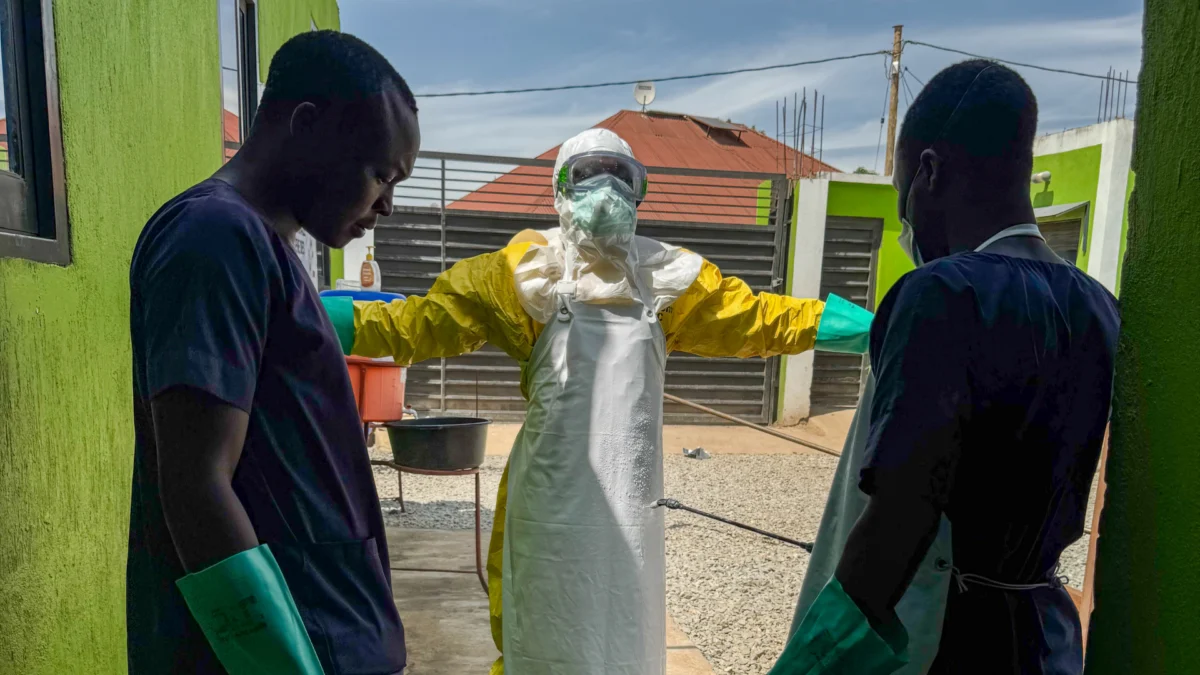
By Global Health Correspondent
The Democratic Republic of the Congo (DRC) is once again the epicenter of a harrowing medical emergency. Just two weeks after the formal declaration of an Ebola disease outbreak in Ituri province, the humanitarian landscape has shifted from a state of alert to one of profound crisis. With the rapid, unchecked spread of the virus threatening to overwhelm already fragile medical infrastructures, international aid organizations are sounding the alarm.
Dr. Alan Gonzalez, Deputy Director of Operations for Médecins Sans Frontières (MSF), describes the current climate as “deeply alarming,” noting that the velocity of this outbreak is unprecedented. “Never before has an Ebola outbreak recorded so many cases so soon after its declaration,” Gonzalez warned, highlighting a trajectory that is outpacing the international community’s ability to intervene.
The Nature of the Threat: The Bundibugyo Variant
What distinguishes this outbreak from previous viral incursions is the specific strain at the center of the crisis: the Bundibugyo virus. Unlike the Zaire ebolavirus, which has been the focus of major medical breakthroughs in recent years, the Bundibugyo strain presents a more complex set of challenges.
Currently, there are no approved vaccines or specific therapeutic treatments for this variant. This biological hurdle is compounded by significant limitations in diagnostic infrastructure. Because laboratory capacity is severely restricted, the scientific community is operating in the dark. “The reality today is that nobody knows the true scale and severity of this outbreak,” Dr. Gonzalez stated. While new suspected cases are reported daily, hundreds of biological samples remain untested, leaving health officials unable to track the true infection rate or the geographical extent of the transmission chains.
Chronology of an Escalating Emergency
The timeline of the Ituri outbreak has been marked by rapid acceleration.
- Initial Detection: Local health officials identified an uptick in viral hemorrhagic fever symptoms among communities in remote districts of Ituri.
- Official Declaration (T-Minus 14 Days): Following preliminary laboratory confirmations, the outbreak was officially declared, triggering regional alert protocols.
- The First Week: Case numbers surged, far exceeding the initial projections provided by local surveillance teams. The speed of transmission signaled that the virus had likely been circulating undetected for some time prior to the official declaration.
- The Second Week (Current): The situation has reached a critical juncture. Border closures and restrictions on regional airports—meant to contain the virus—have paradoxically hindered the response. The supply chains for essential medical equipment, personal protective equipment (PPE), and specialized medical personnel have been bottlenecked, leaving frontline responders struggling to maintain basic care standards.
The Logistical Paralysis: Borders and Bureaucracy
The tragedy of the current response lies in its logistical failures. In their attempt to isolate the virus, authorities have implemented stringent border and airport closures. However, these measures have inadvertently created a humanitarian vacuum.
MSF and other international partners report that critical medical supplies are sitting in warehouses, unable to reach the facilities where they are most needed. Furthermore, the mobility of specialized international experts—who are essential for setting up treatment centers and training local staff—has been curtailed.
"We know from experience that these measures severely hinder outbreak response and isolate countries that urgently need international support," says Dr. Gonzalez. "This outbreak is making those consequences painfully clear." The isolation of affected areas is not only failing to stop the virus but is also preventing the delivery of life-saving aid to a population already suffering from chronic health disparities.
Supporting Data and Medical Implications
The data currently available paints a picture of a system under extreme duress. Beyond the direct threat of Ebola, the indirect impact on the regional health system is equally devastating.
The Collateral Damage of Fear
Because medical facilities are overwhelmed, the ripple effects are being felt across all areas of public health. Patients suffering from malaria, tuberculosis, and maternal health complications are increasingly staying home, terrified that entering a hospital will expose them to Ebola.
"So many health facilities are overwhelmed, and access to regular, non-Ebola care is affected," Dr. Gonzalez explains. This “silent escalation” of other critical health problems threatens to increase mortality rates far beyond the immediate toll of the Ebola virus. When communities lose faith in the healthcare system, the resulting drop in vaccination rates, antenatal care, and chronic disease management can have catastrophic long-term consequences.
Official Responses and the Call for Coordination
As the death toll climbs, the consensus among medical experts is that the current level of intervention is insufficient. There is an urgent, non-negotiable requirement for an immediate expansion of testing capacity. Without a diagnostic baseline, every other aspect of the response—contact tracing, isolation, and clinical management—remains inefficient.
The international response requires three pillars:
- Massive Scale-up: An immediate, coordinated, and tailored increase in medical and humanitarian resources.
- Unrestricted Access: Guaranteed and sustained corridors for the swift entry of medical supplies and personnel into affected provinces.
- Collaborative Integration: The recognition that medical responses cannot be imposed from the top down.
Community Engagement: The Human Factor
Perhaps the most vital lesson learned from past Ebola crises is that the virus cannot be fought in a laboratory alone. Success is contingent upon the trust of the local population.
Dr. Gonzalez emphasizes that the response must be built with communities, not merely for them. In areas where fear and misinformation are rampant, technical medical interventions often fall flat. To save lives, responders must engage in continuous dialogue, listening to the concerns of the residents and addressing their fears regarding quarantine, burial practices, and clinical isolation.
"The effectiveness of the response will ultimately depend on whether people believe in it," says Gonzalez. If the community does not feel safe seeking care, they will remain in their homes, unknowingly continuing the cycle of transmission. Building this trust requires transparency, empathy, and a presence that reflects the community’s dignity rather than just their patient status.
Future Outlook: A Critical Juncture
The situation in Ituri is a stark reminder of the global vulnerability to viral outbreaks. The lack of a vaccine for the Bundibugyo strain, the logistical isolation caused by border closures, and the breakdown of routine health services have created a perfect storm.
As the international community debates the scope of its aid, the reality on the ground remains brutal. People are dying in a vacuum of information and resources. For the residents of Ituri, the "scale of the crisis" is not a statistical term; it is a daily struggle for survival.
The coming weeks will be decisive. If there is no immediate shift toward a more agile, community-led, and well-resourced response, the risk of the virus spilling over into more densely populated urban centers grows daily. The international community, led by humanitarian organizations and global health bodies, must move beyond the current cycle of reaction and into a phase of proactive, sustained, and evidence-based action.
The people of Ituri deserve a response that is as fast as the virus they are fighting. Until the international community can guarantee both the logistics of aid and the trust of the populace, the silent escalation of this crisis will continue, leaving a scar on the regional healthcare system that will take years, if not decades, to heal.

 Rifan Muazin
 Asep Darmawan