


 Lina Hope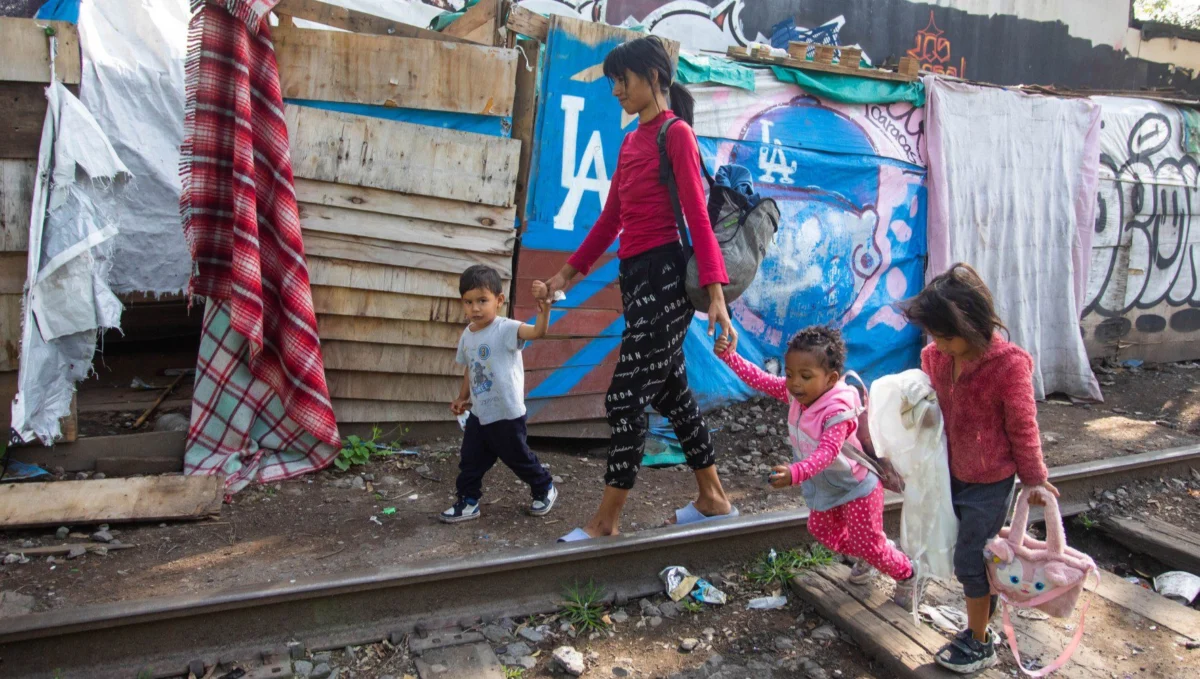
By HIAS Staff | May 18, 2026
In an era defined by record-breaking global displacement, the fundamental right to seek asylum is facing an unprecedented existential threat. Protecting the safety and rights of refugees is not merely a moral imperative—it is a bedrock legal obligation under international and domestic law. However, as the world witnesses a systematic dismantling of humanitarian frameworks, the United States stands at a critical juncture: will it uphold its historic commitment to the persecuted, or continue down a path that ignores its legal duties?
This Deep Dive examines the architecture of refugee law, the current crisis facing asylum seekers at the U.S.-Mexico border, and the ongoing battle to defend human rights against an administration that has largely abandoned the principles of due process.
I. The Global Architecture of Refugee Protection
The international consensus regarding the protection of refugees was forged in the aftermath of World War II. Faced with the horrors of the Holocaust and the mass displacement of millions across Europe, the global community recognized that sovereign borders could not be used as an excuse to return vulnerable people to their deaths.
The 1951 Convention and the Principle of Non-Refoulement
The cornerstone of this protection is the 1951 Convention Relating to the Status of Refugees and its 1967 Protocol. These documents provide the universal definition of a "refugee"—someone unable or unwilling to return to their country of origin due to a well-founded fear of persecution based on race, religion, nationality, membership in a particular social group, or political opinion.
Central to this framework is the principle of non-refoulement. This doctrine strictly prohibits states from expelling or returning a refugee to a territory where their life or freedom would be threatened. It is considered a rule of customary international law, binding on all nations regardless of whether they have signed the treaty. Furthermore, the Convention mandates that refugees be granted access to courts, education, and the right to work, ensuring that protection is not just about physical safety, but about the restoration of human dignity.
Today, the United Nations High Commissioner for Refugees (UNHCR) coordinates these protections globally. HIAS works in close collaboration with the UNHCR to ensure that these standards are maintained, providing services to the displaced in regions where local systems are often overwhelmed or non-existent.
II. The Domestic Framework: U.S. Law and the Refugee Act of 1980
The United States once served as a global leader in upholding these international norms. The Immigration and Nationality Act (INA) of 1965, later bolstered by the Refugee Act of 1980, codified these protections into U.S. federal law.
The Refugee Act of 1980 was a landmark achievement. It aligned American statute with the 1951 Convention, established the U.S. Refugee Admissions Program (USRAP), and created a systematic, humane process for vetting and admitting those fleeing systemic violence. For decades, the U.S. provided a path to safety that included health screenings, integration services, and the eventual opportunity for refugees to apply for legal permanent residency.
These laws were designed to be durable, immune to the political winds of the day. Yet, the current reality has proven that even the most robust legislative safeguards are vulnerable to executive overreach and administrative neglect.
III. Chronology of a Crisis: The Trump Administration’s Assault
Since the start of President Trump’s second term in 2025, the U.S. government has engaged in a methodical dismantling of these protections. The following timeline outlines the rapid erosion of asylum rights:
- January 2025: Immediately upon taking office, the administration issued executive orders effectively suspending the USRAP, leaving thousands of vetted, cleared refugees in limbo.
- March 2025: The White House announced the lowest refugee admissions ceiling in modern American history, a move widely criticized by humanitarian organizations as a dereliction of international duty.
- Late 2025 – Early 2026: The administration began "rescreening" already approved refugee cases, creating a climate of fear for those who had already undergone years of background checks and were preparing to build new lives.
- January 2026: The implementation of aggressive, militarized deportation raids—including in cities like Minneapolis—signaled a shift toward mass interior enforcement, frequently involving the removal of individuals to "third countries" where they face grave, localized danger.
- March 2026: The U.S. Supreme Court hears Mullin v. Al Otro Lado, a pivotal case challenging the legality of the administration’s border asylum bans. The outcome of this case will likely determine whether the U.S. will continue to permit the right to seek asylum at the border or if it will permanently close the door to those fleeing persecution.
IV. The Reality on the Ground: Implications for the Vulnerable
The consequences of these policy shifts have been catastrophic. By effectively closing the U.S.-Mexico border, the government has denied thousands of asylum seekers their right to a fair hearing. Many are now stranded in dangerous, makeshift camps where they are vulnerable to exploitation, human trafficking, and violence.

The Human Cost of Deportation
The current administration’s reliance on mass deportation has torn families apart and destabilized immigrant communities. Reports of U.S. citizens being caught in the crossfire of federal raids, such as the fatal shooting of Renee Good in Minneapolis, have sparked national outrage. These actions go beyond standard immigration enforcement; they represent an aggressive, and often unlawful, campaign to instill terror in marginalized populations.
The Breakdown of Due Process
Under current policy, the legal right to request asylum is being bypassed through "expedited removal" processes. Asylum seekers are often returned to their home countries without ever having the opportunity to present their case before a judge. This denial of due process is a direct violation of the 1980 Refugee Act, which mandates that individuals present on U.S. soil have the right to seek protection if they possess a well-founded fear of persecution.
V. Official Responses and Advocacy
The humanitarian sector has not been silent. HIAS and other legal advocacy groups have mobilized to counter these actions in the courts and on the ground.
HIAS has responded by significantly expanding its legal and social services, deploying staff attorneys to border regions and organizing pro bono partnerships to represent asylum seekers in overwhelmed immigration courts. In several instances, HIAS-led litigation has successfully secured the release and resettlement of families who had been unlawfully detained or denied entry.
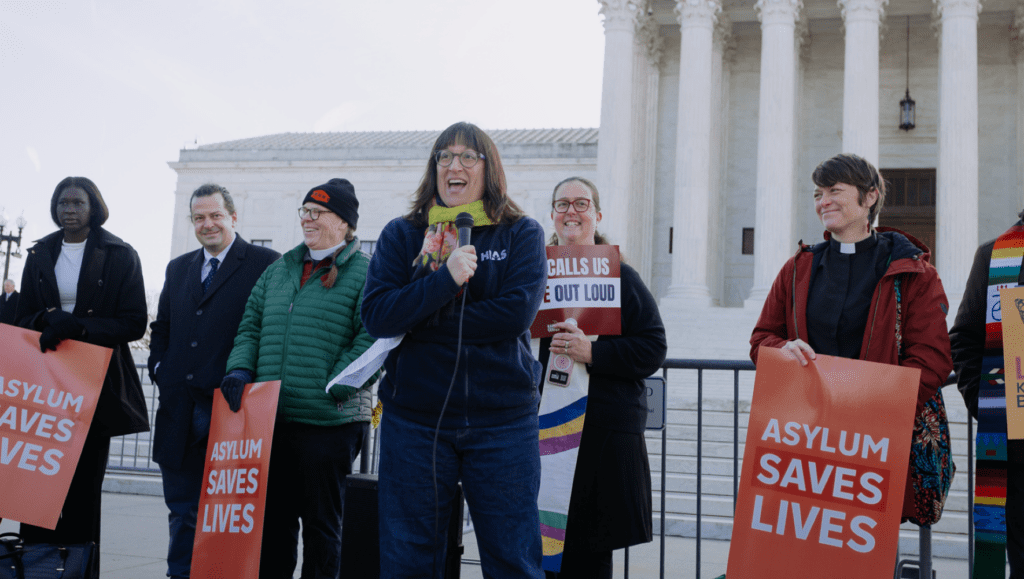
"The U.S. government may have abandoned its responsibilities, but our commitment to the displaced remains absolute," said a spokesperson for HIAS during the recent rally at the Supreme Court. "When the law is used as a weapon to exclude, it is our duty to use the law as a shield to protect."
VI. Looking Forward: The Fight for the Future
The state of refugee rights in 2026 is precarious, yet the legal mechanisms for protection remain on the books. The fight today is not just about the technicalities of immigration law; it is about the soul of the country.
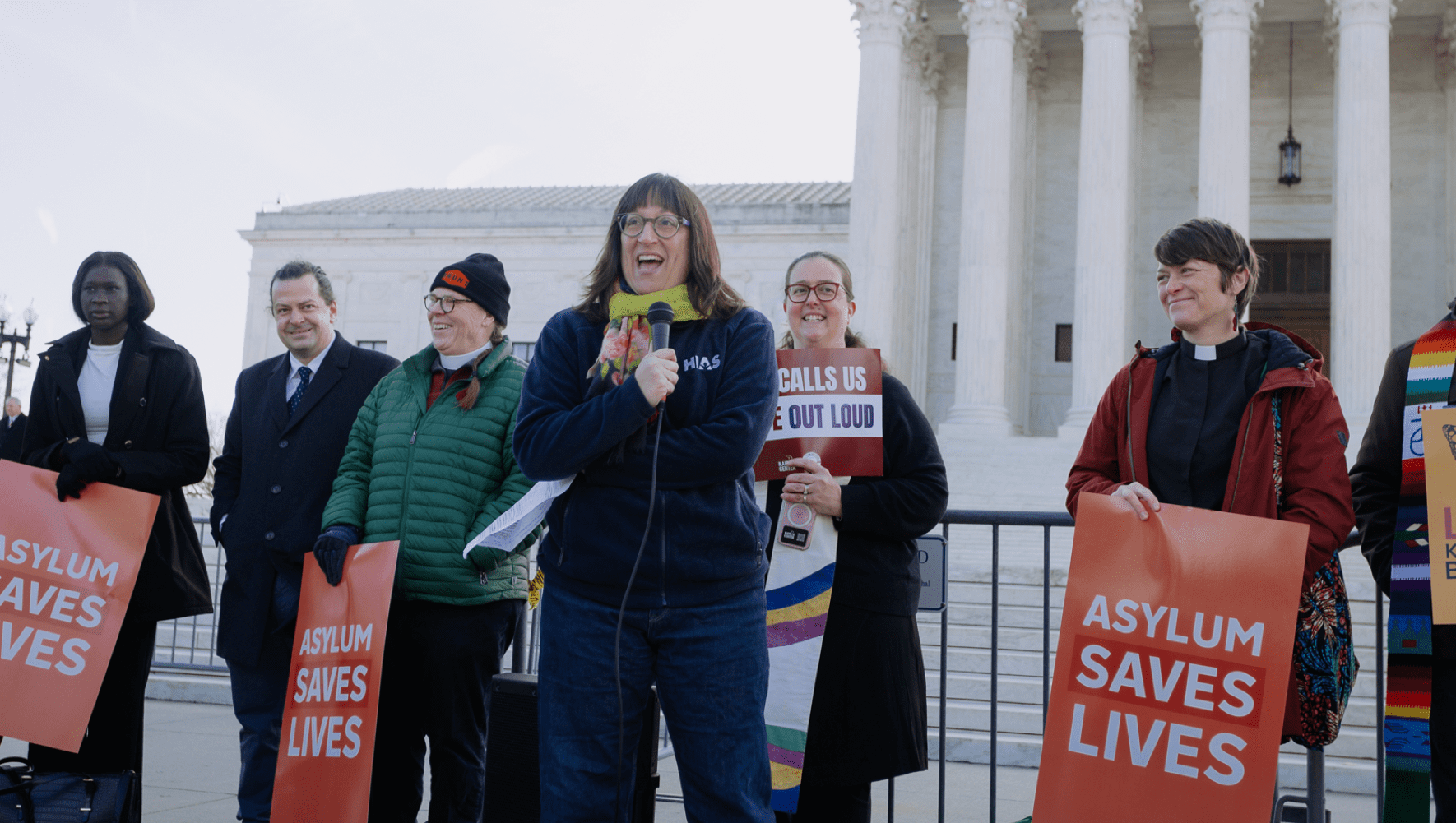
The administration’s actions have created a paradox: while the U.S. continues to claim a role as a global champion of human rights, its internal policies directly contradict that identity. The legal obligations established after 1945 were not meant to be optional. They were designed to prevent the recurrence of the state-sponsored violence that defined the 20th century.
As the Supreme Court considers Mullin v. Al Otro Lado, the public has a vital role to play. Whether through providing legal accompaniment, participating in community vigils, or supporting the organizations that provide direct assistance, the act of welcoming the stranger remains a central pillar of democratic society.
The path forward is clear: we must hold the government accountable to the standards it once championed. We must demand that our leaders honor the treaties they have signed and the laws they have enacted. As long as there are people fleeing persecution, there must be a place for them to seek safety. HIAS will continue to stand in the gap, fighting to ensure that no one is left to face violence alone, and that the promise of refuge remains a reality, not just a historical footnote.
For more information on how you can support our efforts to defend the rights of asylum seekers and refugees, visit the HIAS advocacy portal or join us for our upcoming nationwide initiatives.

 Rifan Muazin
 Asep Darmawan