
 Siti Muinah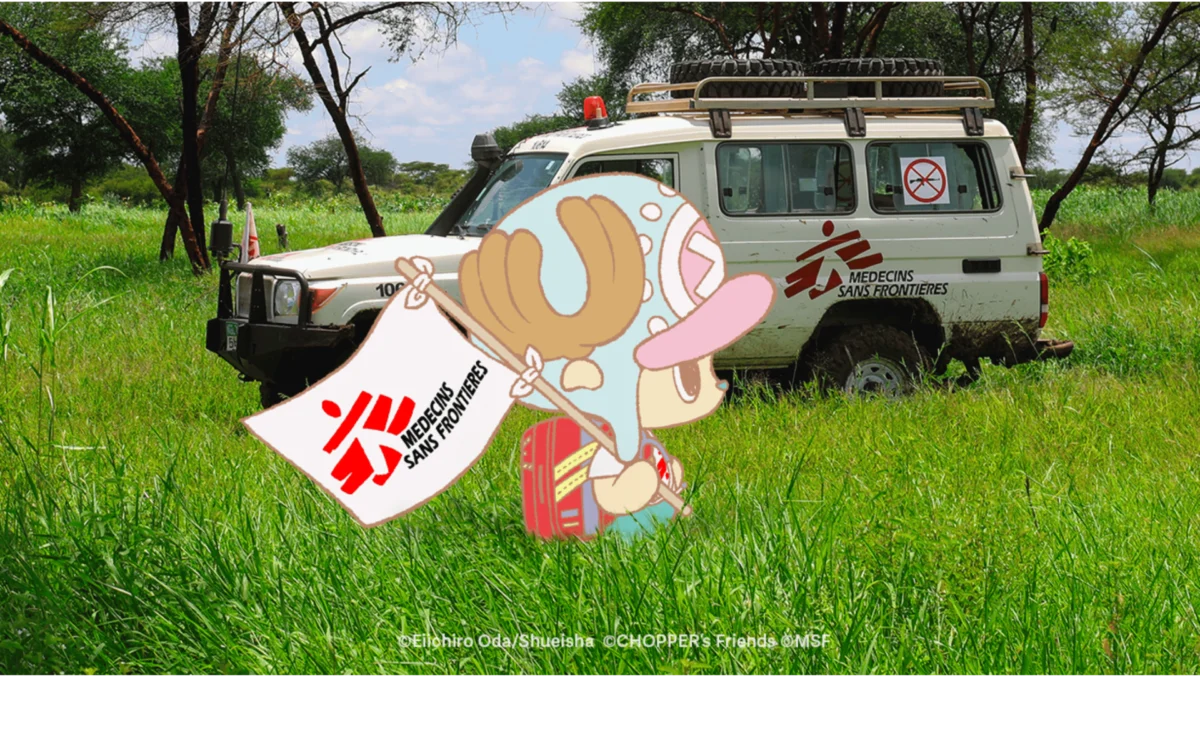
In the sprawling, high-seas adventure of Eiichiro Oda’s ONE PIECE, few characters resonate with as much profound emotional weight as Tony Tony Chopper. Beyond his role as the blue-nosed reindeer and the beloved ship doctor of the Straw Hat Pirates, Chopper represents a universal archetype of the healer. His singular, unwavering ambition—"to become a doctor who can cure everyone around the world"—transcends the boundaries of fiction. It is a philosophy that has captured the hearts of millions, and today, it serves as a powerful mirror to the real-world humanitarian efforts of Médecins Sans Frontières (MSF), also known as Doctors Without Borders.
The Convergence of Fiction and Humanitarian Ethics
At its core, Chopper’s journey is not defined by his combat prowess, but by his medical oath. Throughout the Straw Hats’ perilous voyages, Chopper has demonstrated a refusal to turn away from those in need, regardless of their background, status, or past transgressions. This commitment to the sanctity of life mirrors the foundational principles of MSF.
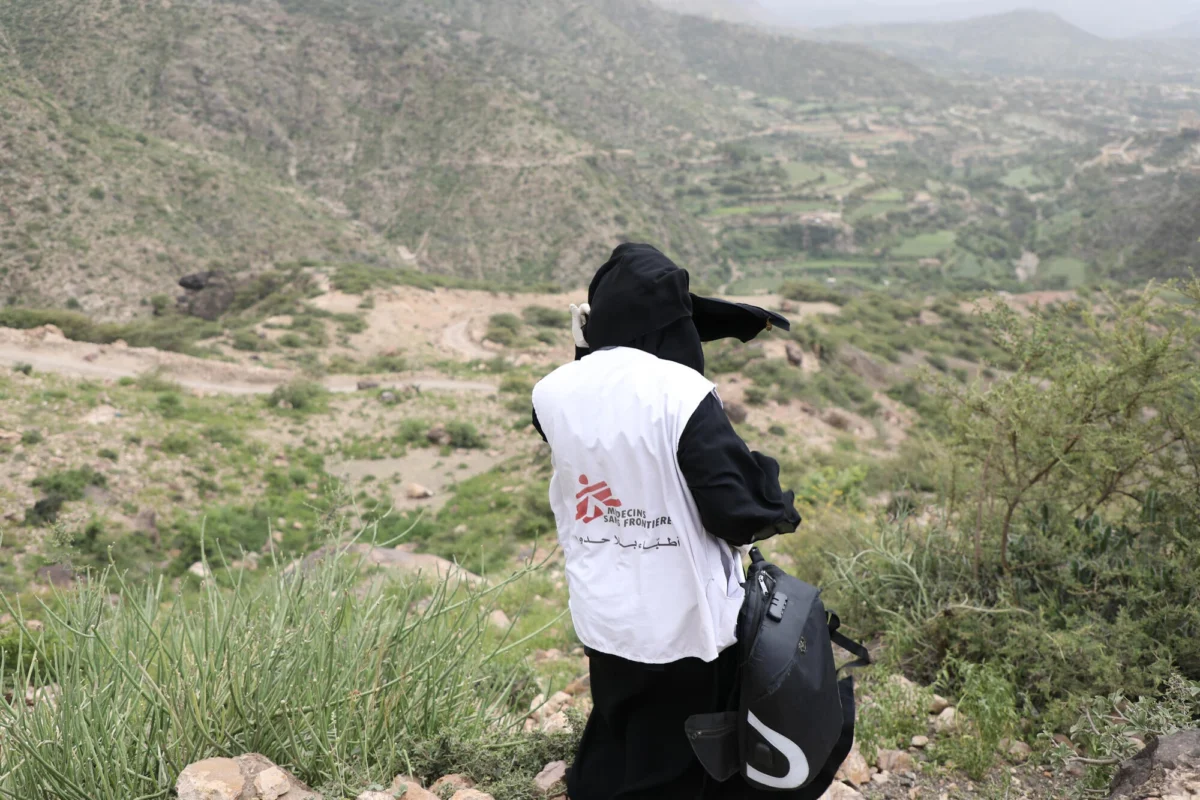
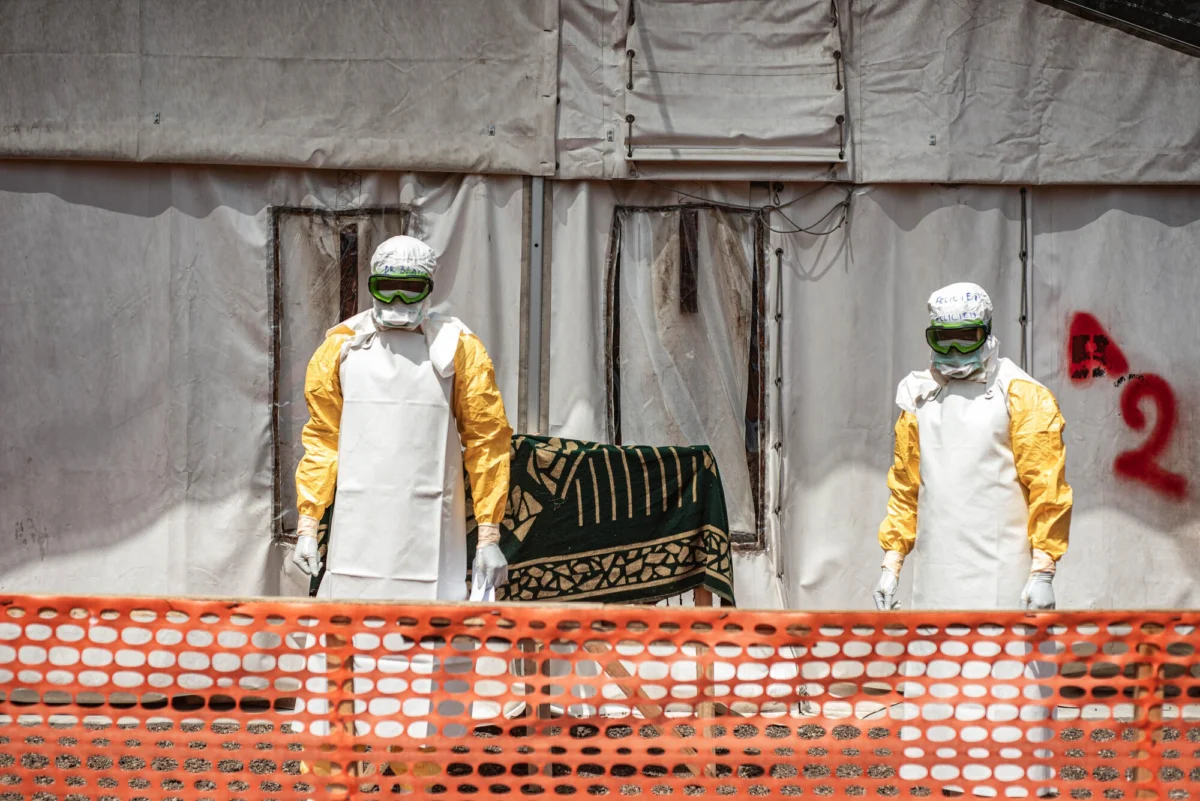
MSF is an international, independent medical humanitarian organization that operates at the frontlines of the world’s most dire crises. From war-torn regions and areas devastated by natural disasters to communities struggling with systemic healthcare exclusion, MSF provides emergency aid in over 70 countries. Like Chopper, who treats friend and foe alike on the deck of the Thousand Sunny, MSF’s intervention is dictated solely by medical need, adhering strictly to the principles of neutrality, impartiality, and independence.
The alignment between Chopper’s fictional aspirations and MSF’s operational reality is more than symbolic. It highlights a shared understanding that medicine is a fundamental human right. Whether it is a reindeer-turned-doctor traversing the Grand Line or a field surgeon operating in a conflict zone, the objective remains the same: to alleviate suffering where it is most acute.
A Chronology of a Global Phenomenon
To understand the scale of the influence that Chopper and his crew have garnered, one must look at the meteoric rise of ONE PIECE. Created by Eiichiro Oda, the series has become a cultural juggernaut since its humble beginnings.
- July 22, 1997: ONE PIECE makes its debut in Weekly Shonen Jump, issue 34.
- December 24, 1997: The first volume is released, setting the stage for a record-breaking publishing history.
- October 20, 1999: The anime adaptation premieres on Fuji TV in Japan, bringing the vibrant world of the Grand Line to television screens.
- March 4, 2010: Volume 57 sets a Japanese publishing record with 3 million copies in its first edition.
- August 3, 2012: Volume 67 shatters previous records, reaching 4.05 million copies in its initial print run.
- July 2022: The franchise celebrates 25 years of continuous publication.
- August 2023: Netflix releases a live-action adaptation, introducing the world of Monkey D. Luffy to a new global audience.
- 2024: The anime series celebrates its 25th anniversary.
- March 10, 2026: The highly anticipated second season of the Netflix live-action series begins streaming to critical acclaim.
- March 4, 2026: Cumulative global circulation of the ONE PIECE manga officially surpasses 600 million copies, solidifying its place as one of the best-selling comic series in history.
Supporting Data: The Scale of Impact
The reach of ONE PIECE is staggering. Published in over 60 countries and regions, it is a truly global narrative. The 600 million copies currently in circulation represent a readership that spans generations and continents. This massive platform allows the themes within the story—such as the importance of empathy, the fight against inequality, and the duty of the healer—to reach a vast, diverse audience.
In contrast, MSF’s impact is measured in lives saved and crises mitigated. By operating in environments where standard healthcare systems have collapsed or are nonexistent, MSF serves as a vital safety net for the world’s most vulnerable populations. The organization’s ability to remain independent—refusing to be swayed by political, religious, or ethnic agendas—is what allows it to access conflict zones where other aid organizations might be barred.
When MSF witnesses acts of violence or neglected crises, they utilize their "témoignage" (bearing witness) policy. Much like the Straw Hats, who often find themselves compelled to intervene when they witness oppression, MSF speaks out when humanitarian access is obstructed or when silence would imply complicity in suffering.
Official Responses and Philosophical Alignment
Representatives from the humanitarian sector have often noted that pop culture serves as a vital bridge in communicating the complexities of global crises. While Chopper is a character in a fantastical world, his dedication to his patients humanizes the role of the medical practitioner for younger generations.
"The values embodied by characters like Chopper—empathy, courage, and a dedication to the preservation of life—are the same values we strive to uphold in our field hospitals every day," an MSF spokesperson noted. "When people see a character fighting to save lives regardless of the circumstances, it fosters a global conversation about the necessity of universal healthcare."
The connection is further bolstered by the nature of the ONE PIECE narrative, which frequently centers on "the forgotten." Whether it is the history of marginalized islands or the plight of those ignored by the World Government, the story mirrors the work MSF does in "neglected crises"—situations that fail to make global headlines but require urgent medical attention.
Implications: The Future of Humanitarianism and Storytelling
The synthesis of ONE PIECE’s massive cultural influence and MSF’s humanitarian work provides a blueprint for how global challenges can be addressed. By highlighting the necessity of medicine in a world often defined by conflict, both the fictional and the real-world entities emphasize that health is not a luxury, but a fundamental pillar of human dignity.
As the ONE PIECE anime prepares to return in April 2026 with the Elbaph Arc, fans are bracing for the next chapter in the Straw Hats’ journey. Simultaneously, MSF continues to scale its operations to meet the evolving challenges of a changing climate, new epidemic threats, and the ongoing toll of armed conflicts.
The implications of this alignment are significant. For a generation of readers, the lessons learned from Chopper’s commitment to his patients are being internalized as a standard for moral behavior. When these readers transition into adulthood, they bring with them a heightened awareness of global humanitarian needs.
Bridging the Gap
The intersection of popular culture and humanitarian advocacy creates a unique opportunity for engagement. By leveraging the emotional connection fans have with characters like Chopper, organizations like MSF can demystify the complexities of humanitarian work. It turns abstract concepts—neutrality, impartiality, and medical ethics—into tangible goals that resonate with people who might otherwise feel disconnected from global politics.
A Continuing Legacy
As we look toward the future, the dual trajectory of ONE PIECE and MSF remains promising. With the live-action series continuing to draw in millions of viewers and the manga continuing to break sales records, the story of the doctor who wants to "cure everyone" shows no signs of losing its momentum.
Similarly, MSF remains committed to its mission, constantly adapting to the realities of a modern, interconnected world. The synergy between these two entities—one providing a narrative of hope and the other providing the life-saving medicine required to sustain that hope—is a testament to the power of human compassion.
In the final analysis, whether on the deck of a ship in the Grand Line or in a tent in a refugee camp, the work of the healer is defined by the same unwavering promise: to see the suffering of another and to do everything within one’s power to end it. Chopper’s dream is not just a plot point; it is a call to action that resonates across all borders, reminding us that no matter how vast the ocean or how difficult the circumstances, the pursuit of healing is the most noble adventure of all.

 Neng Nana