 Nana
Nana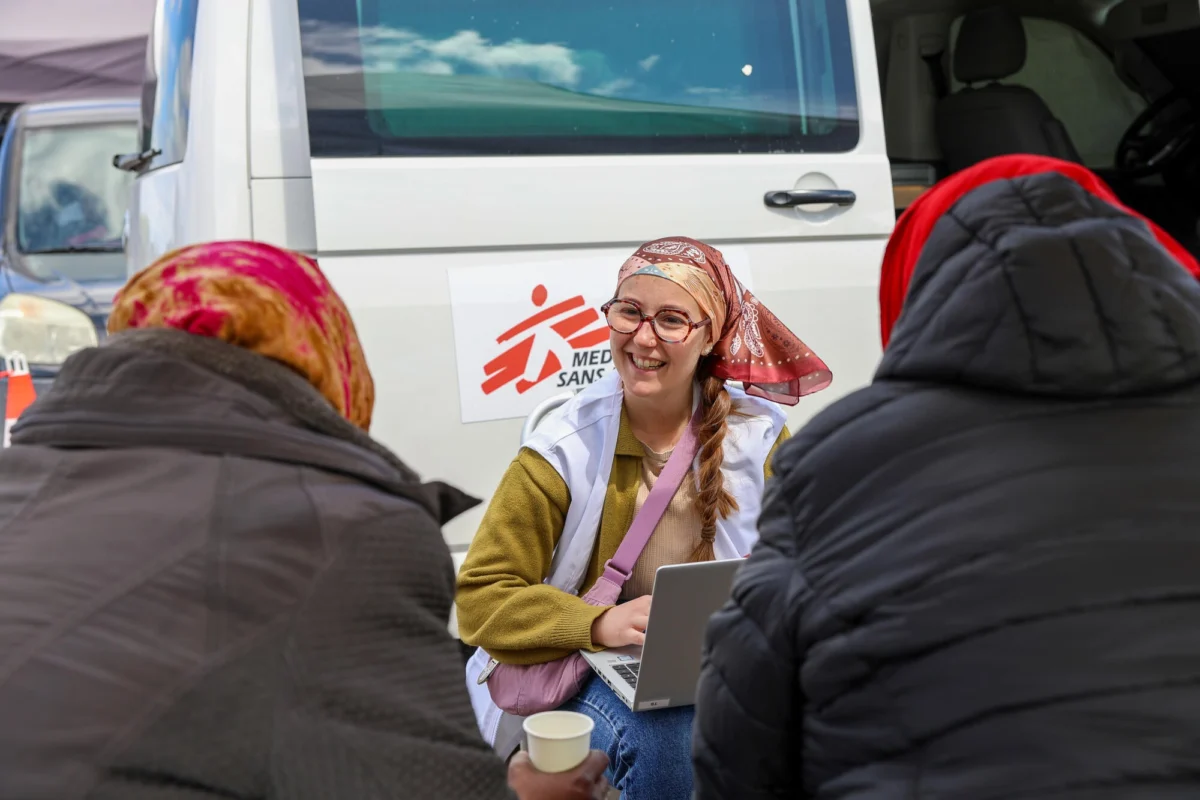
Introduction: A Fragile Existence on the Industrial Fringe
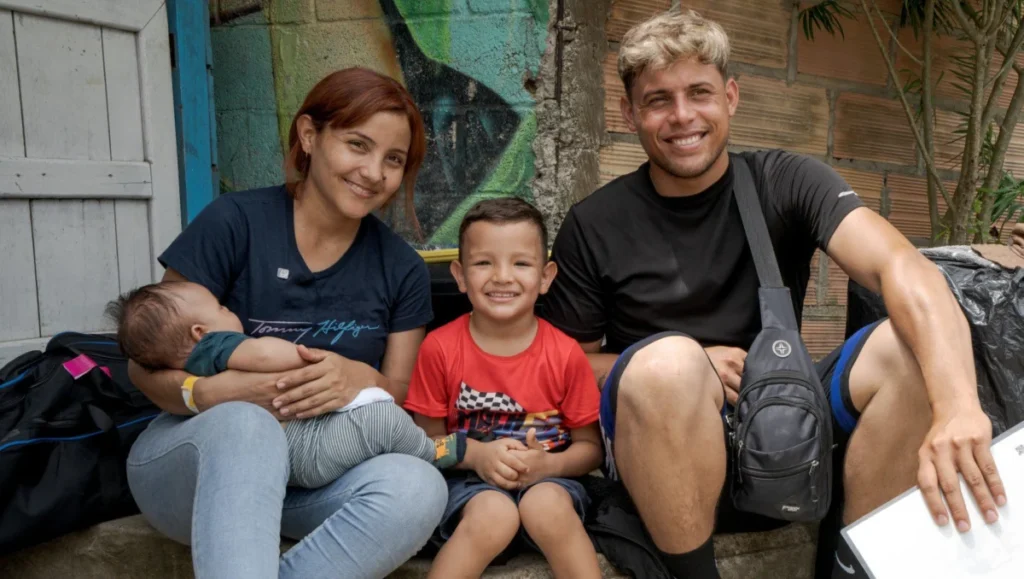
On the periphery of the northern French city of Dunkirk, far removed from the bustling town squares and administrative centers, more than 1,000 displaced individuals are currently subsisting in makeshift camps. These sites, typically carved out of neglected industrial zones, lack the most basic infrastructure required for human dignity. Amidst the mud, the noise of heavy machinery, and the biting winds of the English Channel, a particularly vulnerable demographic has emerged: isolated migrant women.
For these women, the journey to France has been marked by trauma, and their current reality in Northern France is characterized by systematic exclusion from the healthcare system, constant fear of police eviction, and a pervasive, haunting threat of gender-based violence. Doctors Without Borders (Médecins Sans Frontières, MSF) has stepped in to provide a lifeline, deploying weekly mobile clinics to offer gynecological care and psychological support to a population that has been effectively pushed to the margins of society.
The Chronology of Exclusion
The humanitarian situation in Northern France is not a sudden development but the result of a long-term trajectory of restrictive policy.
- 2023: MSF establishes a formalized presence in Calais to monitor the deteriorating conditions for migrants attempting to reach the United Kingdom.
- November 2025: Following years of administrative apathy, a coalition of six humanitarian organizations files an urgent application for interim relief with the Lille Administrative Court. The court intervention is successful, finally compelling authorities to install rudimentary services such as drinking water points, showers, and basic waste collection.
- 2026: The number of women migrants in the region continues to climb. Despite the court-ordered infrastructure improvements, the fundamental policy—focused on deterrence rather than humanitarian reception—remains firmly in place.
- Present Day: MSF expands its specialized care model from Calais to the Dunkirk area, focusing specifically on the urgent medical needs of women who remain largely invisible to public health services.
The Psychology of the Zipper: Life in Perpetual Alert
The insecurity facing these women is visceral. In the makeshift camps, security is often non-existent. Nihal Osman, the program coordinator for MSF France, notes that these women live in tents where the only barrier between them and the outside world is a zipper.
"There is a high level of overcrowding in the camps, and all the women are exposed to harassment," Osman explains. "They live in tents in which the only lock is a zipper."
This lack of physical security leads to a state of chronic psychological hyper-vigilance. Victorine Sagot-Priez, an MSF psychologist working on the front lines, describes the debilitating effect this has on mental health. "When a patient mentions her insomnia—as she must remain on alert all night because her tent’s zipper offers little protection—the shadows of a person or gunshots in the camp can trigger a traumatic memory from the past," Sagot-Priez states.
Many of these women arrive in France having already survived sexual violence during their long, arduous journeys. The current living conditions act as a secondary trauma, effectively preventing them from processing the past. The "psychological ambivalence" described by Sagot-Priez—being caught between the desperate need to reach the UK and the paralyzing fear of dying—creates a mental health crisis that is as urgent as any physical ailment.

Medical Neglect: A Gendered Crisis
The medical needs of these women are diverse and often acute. Midwife Charlotte Thivoyon, who treats patients at the MSF mobile clinics, highlights that many of her patients present with complications that would be easily manageable under normal circumstances.
"Patients often come to see me for prenatal care as their pregnancies haven’t been regularly monitored or monitored at all," Thivoyon says. The clinic frequently addresses the need for safe abortion care and the treatment of sexually transmitted infections resulting from sexual violence. However, Thivoyon observes that medical care is often pushed to the bottom of the hierarchy of needs. "Regardless of their medical issue, the priority for these women is to find somewhere safe to sleep, something to eat, or food for their children."
The systemic barriers to care are profound. Because of their status and the transient nature of their presence, these women are effectively excluded from the French healthcare system unless they present with a life-threatening emergency. The mobile clinics serve as the only bridge to care, but they are a stopgap measure for a problem that requires institutional solutions.
The Impact of Repressive Policies
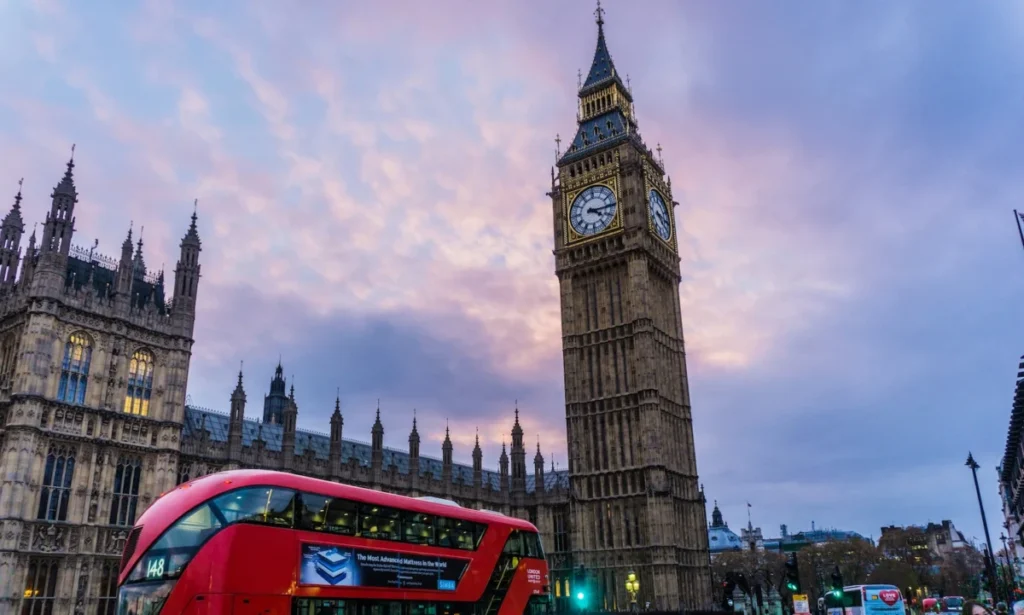
The current state of affairs is not an accidental byproduct of a broken system; according to humanitarian observers, it is the result of deliberate policy choices. The French authorities, heavily supported by financial and strategic backing from the British government, have implemented a strategy of deterrence.
The tactic of "eviction cycles" is perhaps the most destructive. Every week, police forces dismantle the camps, forcing residents to abandon their tents, bedding, and limited food supplies. This creates a state of permanent instability.
"They spend their days searching for food and clothing or trying to find a tent, because every week the police evict them from the camps, forcing them to abandon any belongings they have," says Nihal Osman.
This policy of constant displacement is intended to make life in the region untenable, theoretically discouraging migrants from attempting to cross the English Channel. However, the evidence on the ground suggests that these policies are failing to deter migration while simultaneously creating a severe, preventable humanitarian catastrophe.

Camille Niel, head of MSF France, argues that the authorities’ refusal to adapt health services to the specific needs of the population is a form of active neglect. "Far from deterring migrants from traveling to the French coast in an attempt to reach the UK, these policies are creating humanitarian situations that are extremely worrying, yet largely avoidable," Niel concludes.
Supporting Data and Human Impact
The intersection of gender-based violence and systemic exclusion creates a multiplier effect on suffering. Data from humanitarian agencies operating along the northern coastline shows:
- Rise in Vulnerability: The number of women in these camps has been steadily increasing since 2025.
- Repetitive Violence: A majority of the women accessing MSF services report experiencing physical or sexual assault during their transit to France, and a significant portion report experiencing similar violence after arriving in the camps.
- Barriers to Access: Despite the availability of the French national healthcare system, the "administrative wall" and the fear of interaction with authorities prevent the vast majority of these women from accessing preventative or reproductive care.
- Health Outcomes: The lack of prenatal monitoring is leading to higher risks for both mothers and infants, while the lack of mental health intervention is contributing to a rise in chronic, untreated PTSD.
Implications: A Call for Humanitarian Reform
The presence of MSF in Dunkirk is a necessary intervention, but it highlights a fundamental failing of state responsibility. By relying on NGOs to provide basic medical care, the state effectively abdicates its duty to provide safe, humane conditions for all individuals within its borders, regardless of their migratory status.
The situation in Dunkirk serves as a microcosm of a broader European crisis. When security is prioritized over human rights, the most vulnerable—in this case, women living in tents secured only by zippers—pay the highest price.
The implications are clear: without a shift from a policy of "deterrence and eviction" to one of "reception and protection," the cycle of violence and trauma will continue. The "healing through the body" that practitioners like Sagot-Priez and Thivoyon advocate for cannot be achieved in a vacuum. It requires an environment of safety, stability, and dignity—elements that remain systematically denied to those currently huddled in the industrial shadows of the French coast.
As the debate over borders and migration continues to dominate political discourse in London and Paris, the human cost of these policies continues to mount in the mud of Dunkirk. For these women, the goal is not merely to reach the UK; it is to survive the night, secure their health, and reclaim a sense of agency in a world that has treated them as an unwanted consequence of geopolitical strategy.


 Nila Kartika Wati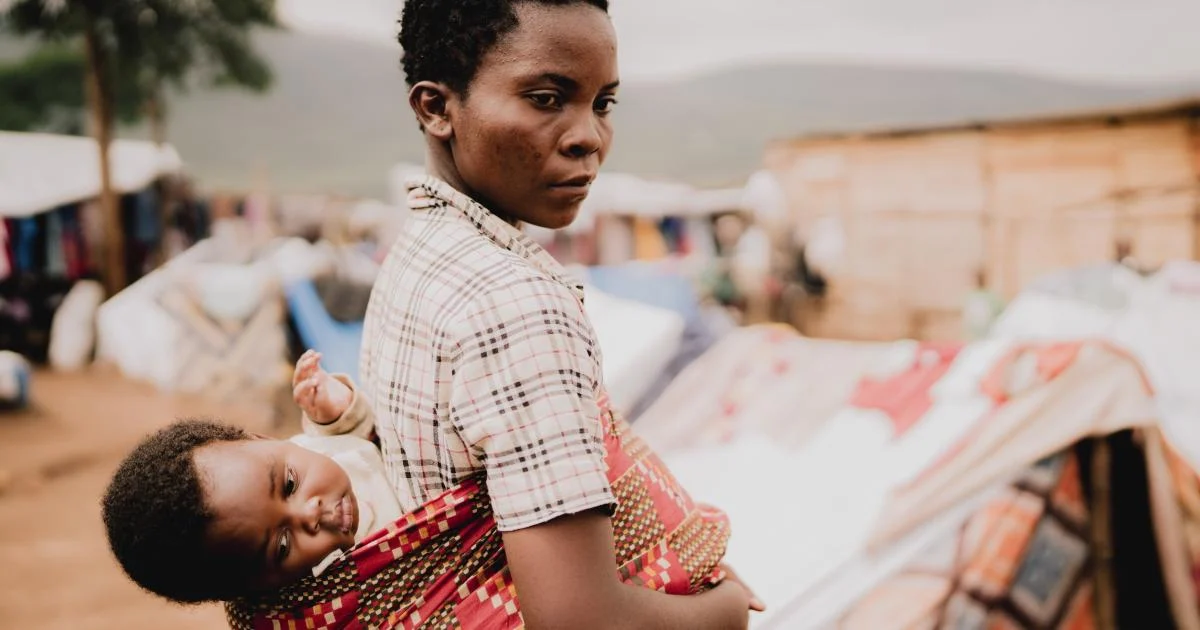
 Nana Muazin