

 Asro
Asro
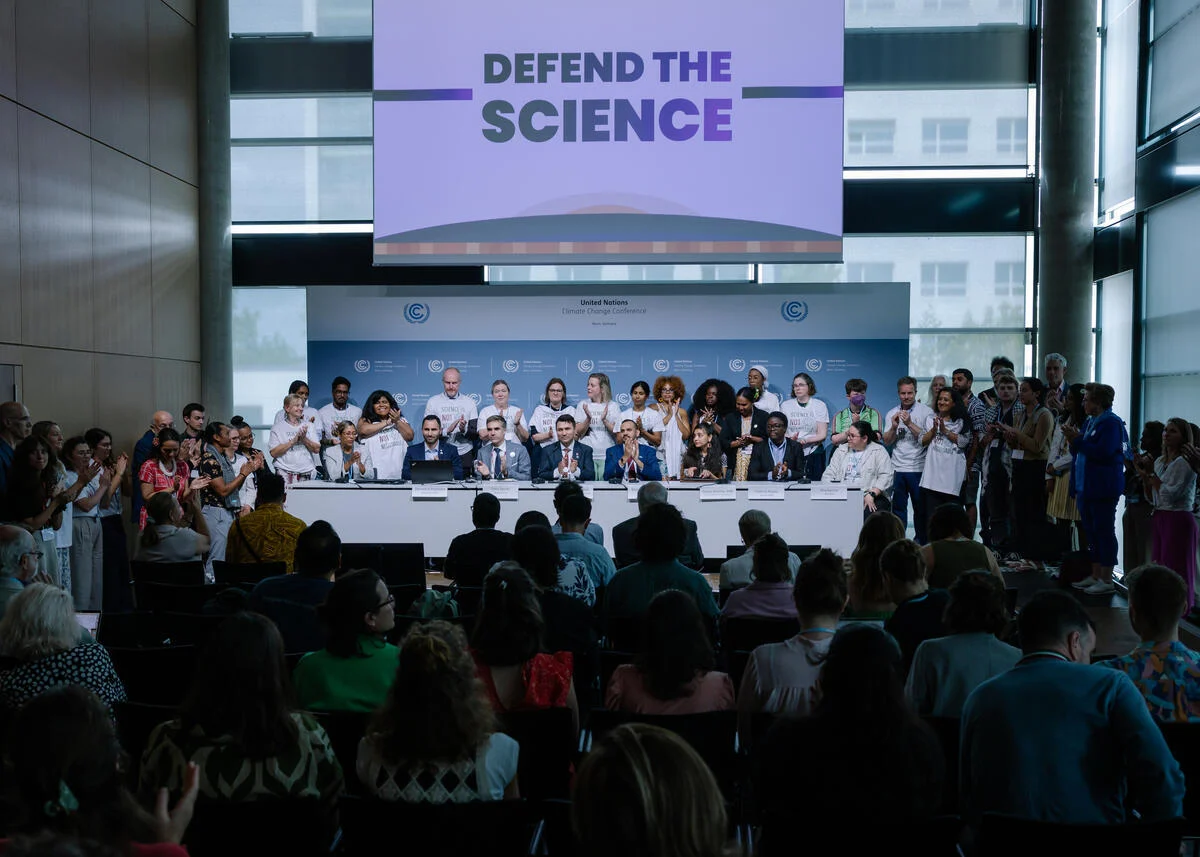
The recent conclusion of the United Nations climate negotiations in Bonn, Germany, has left the international community at a precarious crossroads. While the talks succeeded in galvanizing unprecedented political will toward a systemic transition away from fossil fuels, the sessions were simultaneously marred by a glaring lack of progress on the critical issue of adaptation finance. For the most climate-vulnerable nations, the summit served as a poignant reminder that while global ambition is rising, the mechanisms to protect those on the frontlines remain dangerously underfunded.
Main Facts: The Bifurcated Outcome
The Bonn Climate Change Conference, which serves as the technical precursor to the annual COP (Conference of the Parties) summits, concluded with a distinct duality. On one hand, there is clear, measurable progress regarding the "transition away from fossil fuels"—a mandate solidified during the historic COP28 in Dubai. Brazil, currently championing a comprehensive roadmap for this transition, reported over 100 formal submissions from nations eager to define the mechanics of moving beyond coal, oil, and gas.
Conversely, the summit failed to secure a definitive agreement on the Global Goal on Adaptation (GGA) for 2035. Specifically, developed nations resisted demands to commit to tripling adaptation finance, a target widely considered essential by developing countries following the momentum generated at COP30 in Brazil. Instead, negotiations devolved into procedural debates, with wealthier nations accused of prioritizing "technical processes" over the urgent, tangible financial needs of the Global South.
Chronology of the Bonn Session
The two-week summit was structured to bridge the gap between high-level political pledges and the nitty-gritty of policy implementation.
- Week One (Technical Foundations): The opening days focused heavily on the "Mitigation Ambition and Implementation Work Programme." Delegations from various nations sought to define what a "transition away" looks like in practice. The Brazilian presidency’s call for roadmap submissions served as the centerpiece, signaling a shift from abstract climate targets to sectoral planning.
- Mid-Summit (The Finance Friction): By the middle of the conference, the divide between the Global North and South became acute. As discussions pivoted to the GGA, it became clear that developed nations were hesitant to attach specific dollar figures to adaptation mandates. NGOs and civil society observers noted a "retreat into bureaucracy," where technical measurement frameworks were used to defer financial commitments.
- Week Two (The Standoff): The final days were characterized by intense, closed-door negotiations. Despite pressure from frontline states—particularly those in Africa and the Pacific—to secure a clear pathway for funding flood defenses, heat-resilient infrastructure, and agricultural adaptation, no breakthrough was reached. The summit closed with a mixture of cautious optimism regarding energy policy and profound alarm regarding the "finance gap."
Supporting Data: The Cost of Inaction
The urgency of the situation is underscored by data that goes far beyond political rhetoric. Climate science continues to show that the window for meaningful adaptation is closing.
The Finance Gap
Current estimates suggest that adaptation costs in developing countries are rising between five to ten times faster than the flow of international adaptation finance. While the Paris Agreement mandates a balance between mitigation and adaptation funding, the reality remains skewed toward mitigation—projects that often offer a clearer return on investment for private capital, such as renewable energy infrastructure, rather than essential social safety nets like sea walls or drought-resistant irrigation.
Impact on Frontline Communities
The impact of this financial shortfall is not a future projection; it is a present reality:
- Agriculture: In East Africa, where Rukiya Khamis, 350.org’s East Africa Programme Manager, observes the crisis daily, shifting rain patterns have rendered traditional farming cycles obsolete. Without adaptation finance for advanced irrigation and soil management, food security remains in jeopardy.
- Infrastructure: Global heat records are being broken annually. In urban centers across the Global South, the lack of cooling infrastructure and heat-resilient housing is leading to surges in heat-related mortality.
- Displacement: Climate-induced migration is accelerating as coastal communities face the dual threat of rising sea levels and saltwater intrusion into freshwater aquifers.
Official Responses and Stakeholder Perspectives
The discourse in Bonn was marked by a sharp contrast in perspective between political strategists and frontline advocates.
The Strategic View: Andreas Sieber (350.org)
Andreas Sieber, Head of Political Strategy at 350.org, emphasized that the momentum on fossil fuels is the most significant development in years. "The momentum on fossil fuels was unmistakable," Sieber noted. He highlighted that the 100+ submissions for Brazil’s roadmap process indicate that nations are ready to move past the debate of whether to transition, and are now focused on how.
However, Sieber warned that this momentum must be translated into domestic policy. "That momentum now needs to be carried forward clearly and credibly, including by the incoming Turkish COP31 Presidency, with concrete next steps that turn the global commitment to transition away from fossil fuels into national plans, international cooperation, and real-world implementation."
The Humanitarian View: Rukiya Khamis (350.org)
Representing the voices of those most affected, Rukiya Khamis highlighted the disconnect between diplomatic discourse and reality. "The gap between climate ambition and climate implementation remains the defining challenge of our time," she stated. For Khamis, the technical jargon of the Bonn sessions obscures the visceral reality of the climate crisis. "For communities already facing floods, droughts, and extreme heat, adaptation is not an abstract exercise in measurement. It is about whether homes can be protected, crops can survive, health systems can cope, and lives can be saved."
Implications for COP31 and Beyond
The failure to secure a concrete finance target in Bonn shifts the entire burden of proof to COP31. The implications of this are far-reaching:
1. The Crisis of Trust
The primary casualty of the Bonn talks is international trust. Developing nations, who have contributed the least to global emissions, are increasingly viewing the "technical processes" favored by developed nations as a stalling tactic. If this trend continues, the diplomatic cohesion required to implement global climate goals may fracture.
2. The Need for "Delivery"
As the world prepares for COP31, the narrative must pivot from "dialogue to delivery." The scientific consensus—that the world is running out of time—is no longer a matter of debate. The upcoming presidency under Turkey will face immense pressure to deliver a concrete financial package. Without it, the adaptation component of the Paris Agreement risks becoming a hollow commitment.
3. From Ambition to Ground Action
The Bonn talks demonstrated that political ambition on energy transition is possible. The challenge now is to replicate that success in the realm of adaptation. This requires:
- Predictable Financing: Moving away from ad-hoc grants toward systemic, long-term funding streams.
- National Accountability: Ensuring that the "roadmaps" discussed in Bonn include specific, measurable adaptation targets that are linked to national budgets.
- Empowerment of Local Actors: Shifting resources from international consultants and centralized bureaucracies to the local communities that already possess the knowledge of what is required to survive and thrive.
Conclusion: A Race Against the Clock
The Bonn climate talks were a microcosm of the global effort to combat climate change: progress on the structural transition away from fossil fuels is accelerating, but the moral and practical imperative to protect the most vulnerable is lagging. As the focus shifts toward COP31, the global community stands at a crossroads. The message from the climate scientists and the people on the frontlines is clear: the era of paper commitments is over. To avoid a catastrophic failure in the coming decade, the next round of negotiations must result in tangible, financed, and immediate action on the ground. The world has the roadmap; now, it must find the courage to fund the journey.


 Ali Ikhwan
 Lina Irawan