




 Nana Wu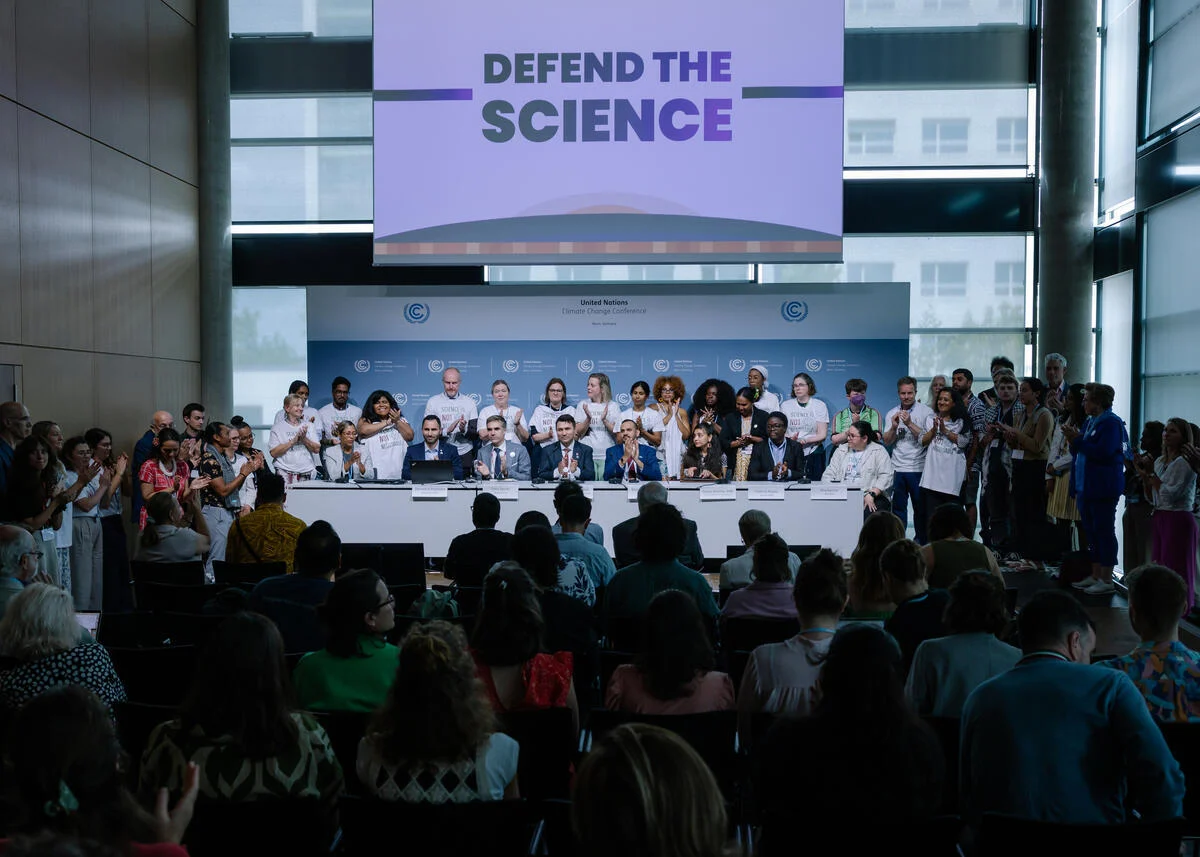
BONN, GERMANY — The curtains have drawn on the latest installment of the Bonn Climate Change Conference, leaving the international community at a precarious intersection. As diplomats, scientists, and activists depart the German city, the consensus is clear: while the architecture for future negotiations is being painstakingly built, the political willpower required to address the escalating climate crisis remains critically insufficient.
The conference, intended to serve as a vital stepping stone toward the upcoming COP31, concluded with significant work left undone. From the persistent deadlock on mitigation to the agonizingly slow progress on climate finance, the event highlighted a widening chasm between the urgent realities of a planet supercharged by El Niño and the incremental pace of global climate diplomacy.
The Core Issues: A Summary of the Stagnation
At its heart, the Bonn conference failed to produce the breakthrough in mitigation that many had hoped for. Despite the encroaching threat of record-breaking temperatures and extreme weather events globally, the negotiations were marked by what observers described as a "repeated playbook" of stalling.
The primary points of contention included:
- Climate Finance: Developing nations continue to face a funding gap, with discussions on adaptation finance failing to yield concrete commitments.
- Fossil Fuel Phase-out: While a coalition of countries has begun to coalesce around the need to move away from fossil fuels, the momentum was undermined by systematic efforts by fossil-fuel-producing nations to dilute language regarding the 1.5°C threshold.
- Mitigation Deadlocks: The lack of progress on defining concrete mitigation targets means the "ambition gap" remains as wide as ever, leaving the world on a trajectory that far exceeds the Paris Agreement goals.
Chronology: The Arc of the Bonn Conference
The conference unfolded in a climate of high expectations shadowed by geopolitical caution.
Early Days: Setting the Agenda
The opening days were characterized by a focus on technical frameworks. The COP31 presidency attempted to inject urgency into the proceedings by prioritizing electrification as a central pillar of the global energy transition. This move was welcomed by many as a pragmatic recognition of the energy sector’s role in decarbonization. However, it was quickly met with skepticism by civil society groups who argued that "electrification" is a hollow promise without a simultaneous, binding commitment to phase out coal, oil, and gas.
Mid-Conference: The "War on Science"
The middle of the week saw a noticeable hardening of positions. Reports from the floor suggested an "unrelenting war on climate science," as certain delegations attempted to erode the mandate of the 1.5°C limit. This strategy, aimed at providing political cover for continued fossil fuel expansion, drew sharp condemnation from Pacific Island nations and environmental advocacy groups, who viewed the move as a direct threat to their survival.
Final Days: Laying the Foundations for COP31
In the closing sessions, the narrative shifted toward the administrative necessities of the upcoming COP31. Negotiators successfully managed to include climate finance as a permanent fixture on the COP31 agenda, effectively creating a political pathway for future discussions. A "just transition" text was also finalized as a basis for further negotiation, though it remains a skeleton of what is required to actually support workers and communities during the shift away from carbon-intensive industries.
Supporting Data and the "1.5°C Ambition Gap"
The disconnect between the Bonn negotiations and the physical reality of climate change is stark. Scientists have repeatedly warned that every fraction of a degree matters, yet the negotiations seem to treat the 1.5°C target as a negotiable commodity rather than a scientific imperative.
The "ambition gap"—the difference between current government pledges and the actions required to limit global warming to 1.5°C—is being exacerbated by the current El Niño event. This weather pattern, which generally leads to higher global average temperatures, is expected to turn the coming years into some of the hottest on record.
Furthermore, the state of the world’s forests remains a critical, and deteriorating, indicator. Data presented during the conference suggests that the world loses the equivalent of one football field of forest every two seconds. While Brazil’s forest roadmap initiative gained significant attention, the transition from "endorsement to ownership" remains the missing link. Without a robust international system that enforces forest protection, the 2030 targets for halting deforestation appear increasingly unlikely to be met.
Voices from the Frontlines: Official Responses
The response from Greenpeace and other climate advocacy organizations was one of tempered frustration, emphasizing that the diplomatic process is currently failing to keep pace with the existential threat of climate change.
The Perspective of the Global South
Shiva Gounden, Head of Pacific at Greenpeace Australia Pacific, offered a scathing critique of the attempts to undermine climate science. "This is not just a policy debate," Gounden remarked. "For the Pacific, a breached 1.5°C will drown our history and displace our heritage. Saltwater is already bleeding into the Vanua (land) that has sustained us for generations."
Gounden called for a shift in leadership, urging the COP31 Presidency to adopt the "Pacific courage" of guardianship and collective survival, demanding a total cessation of new coal, oil, and gas projects.
The Industrial and Policy Challenge
Emel Türker Alpay, representing Greenpeace Türkiye, highlighted the dangers of incomplete visions. "An electrification vision without a fossil fuel phase-out is incomplete," Alpay noted. For countries like Türkiye, this means moving beyond rhetoric to a clear, actionable coal exit date. Alpay emphasized that global leadership is only credible when it is mirrored by domestic action, such as banning new coal power plants and implementing a "just transition" that ensures no community is left behind.
The Systemic View
Jasper Inventor, Deputy Programme Director at Greenpeace International, summarized the systemic frustration. "It’s this repeated playbook that took some of the shine off the emergence of a coalition of countries supporting a transition away from fossil fuels," Inventor stated. He argued that instead of attempting to "eliminate science" from negotiations, governments must focus on a fast, fair, and funded transition that bridges the ambition gap through genuine international cooperation.
Implications: The Road to COP31
The Bonn conference has served as a mirror for the current state of global climate politics: capable of producing technical pathways, yet paralyzed by the competing interests of fossil-fuel-dependent economies.
The Need for Political Breakthroughs
The primary implication of the Bonn deadlock is that the "technical" phase of the UNFCCC process has reached its limit. Further progress cannot be made through administrative tweaks or the softening of language. What is required before COP31 are major political breakthroughs—agreements that prioritize the long-term survival of the planet over short-term economic gains from fossil fuels.
From Ambition to Action
The focus for the coming months must shift toward "ownership." As experts pointed out, the transition from endorsing a policy (like a forest roadmap) to taking ownership of its implementation is the only way to avoid the "document trap"—where policies are drafted but never enforced.
The Role of Civil Society
The role of civil society and the public will be paramount in the lead-up to COP31. As the diplomatic process remains detached from the reality of frontline communities, external pressure is the only mechanism that can force governments to reconcile their domestic energy policies with their international climate commitments.
In conclusion, while Bonn did not collapse, it did not soar. It remains a process in motion, but it is moving with a velocity that is dangerously inconsistent with the speed of a warming planet. The challenge for the months ahead is to transform the "foundations" laid in Bonn into a structure of accountability, courage, and, above all, the immediate cessation of the fossil fuel expansion that threatens the global future.


 Laily UPN
 Layla Zulfa