

 Pevita Pearce
Every year on June 16, South Africa pauses to commemorate Youth Day, a solemn yet defiant tribute to the students of 1976 who stood against the machinery of apartheid. They fought for dignity, equality, and a future free from systemic oppression. Yet, as we approach the half-century mark since the Soweto Uprising, a sobering reality persists: while the legislative shackles of the past have been dismantled, a new set of barriers—invisible but equally restrictive—prevents millions of young South Africans from realizing their potential.
In 2026, as the nation prepares for critical local government elections, the discourse must shift from rhetoric to the fundamental infrastructure of survival. The most overlooked, yet critical, of these barriers is access to affordable, reliable, and clean energy. In an era where digital literacy is the gateway to the global economy, energy is not merely a utility; it is a human right.
The Chronology of a Crisis: From 1976 to the Present
The struggle for South African liberation has always been a struggle for access. In 1976, the youth demanded an education that empowered rather than subjugated them. Today’s struggle is the logical successor to that battle.
- 1976: The Soweto Uprising serves as the foundational moment for modern South African youth activism, highlighting the necessity of fighting for systemic change.
- 1994–2000s: The dawn of democracy brought the promise of universal access to services. The Free Basic Electricity (FBE) policy was introduced as a cornerstone of this mandate, aiming to provide a safety net for the most vulnerable.
- 2010s: The systemic failures of the national utility, Eskom, began to manifest in chronic load-shedding. The energy crisis transitioned from a minor inconvenience to a total disruption of the national economy.
- 2020–2025: Rising costs of living, exacerbated by inflation and electricity tariff hikes, forced millions of households into energy poverty. Youth unemployment reached staggering heights, hovering around 60%.
- 2026: As the country heads toward local government elections, the intersection of energy poverty and youth disenfranchisement has become the central fault line of political debate.
Supporting Data: The Cost of Energy Inequality
The current energy landscape is defined by an over-reliance on a dying model. Approximately 80% of South Africa’s electricity is still generated by aging, coal-fired power stations. This system is failing on three distinct fronts: economic, environmental, and social.
The Economic Burden
With youth unemployment at 60%, the cost of electricity has become a prohibitive barrier to entry for the job market. To search for work, a young person needs a charged smartphone, a stable internet connection, and the ability to travel. When electricity costs consume an outsized portion of a household’s meager budget, the digital divide widens. Young people are effectively disconnected from the economy before they even begin their journey.
The Health Toll
The environmental cost is equally devastating. Research indicates that air pollution emanating from coal-fired power stations is responsible for thousands of premature deaths annually. This burden falls disproportionately on low-income communities, creating a cycle of public health crises that drain the limited resources of young families.
The FBE Failure
The Free Basic Electricity programme, intended to provide 50 kWh of electricity per month to indigent households, is currently failing to reach its target. Administrative bottlenecks, outdated municipal databases, and a lack of transparency mean that millions who qualify remain excluded. The system has become a relic of bureaucracy rather than a lifeline for the poor.
Implications: A Generation Left in the Dark
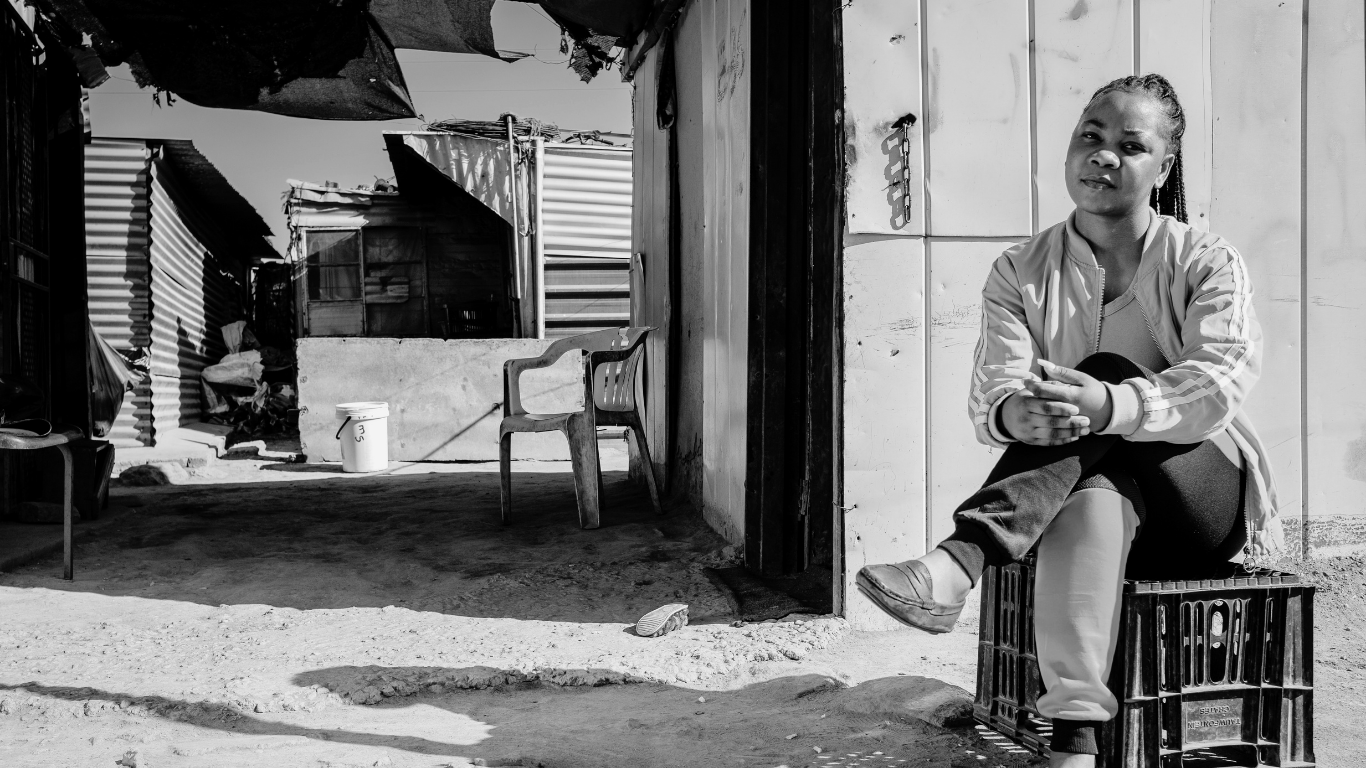
The implications of this energy crisis are profound. When a young person cannot study after dark because the lights are out, or because the family cannot afford the prepaid tokens, the right to education is effectively denied. When a small business owner in a township cannot operate machinery or keep a refrigerator running, the right to economic participation is stifled.
Energy poverty is a silent thief. It steals time, it steals health, and it steals opportunity. If South Africa is to avoid a lost generation, the energy system must be reimagined as a public good rather than a profit-driven commodity.
Towards a Solution: The Municipal Renewable Revolution
The solution is not merely about "keeping the lights on"; it is about decentralization and sustainability. South Africa possesses world-class renewable energy resources, yet the national grid remains tethered to a centralized, coal-dependent model.
Decentralized Power: The Role of Municipalities
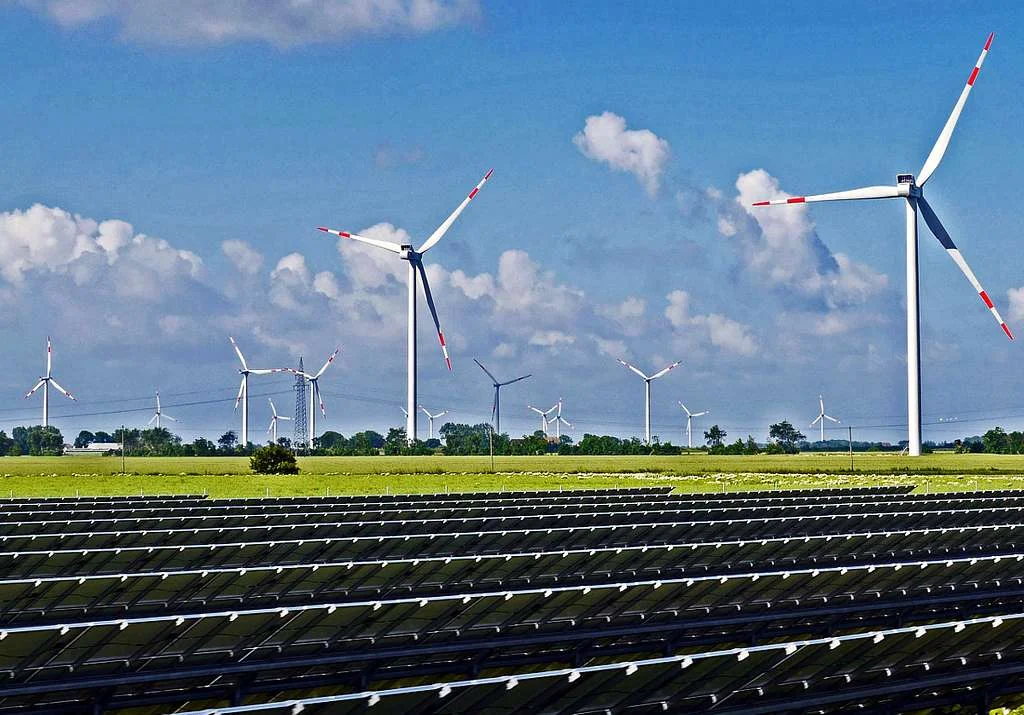
Municipalities are uniquely positioned to spearhead the transition. By investing in publicly owned renewable energy infrastructure—solar parks, wind farms, and mini-grids—local governments can bypass the failures of the national provider. This approach has three key benefits:
- Energy Sovereignty: Communities gain control over their energy supply, reducing reliance on the volatile national grid.
- Economic Stimulation: The construction and maintenance of renewable infrastructure create local jobs, providing a much-needed boost to youth employment.
- Expanded Safety Nets: With local control, the Free Basic Electricity (FBE) programme can be reformed and expanded. Increasing the FBE allocation from 50 kWh to 350 kWh would move households from mere survival to actual sustainability, ensuring they can power essential appliances and educational tools.
Official Responses and Political Accountability
The upcoming 2026 Local Government Elections provide a platform for citizens to demand more than just maintenance of the status quo. Political parties must address the energy crisis not as a logistical issue for the utility, but as a socio-economic imperative.
Current policy discourse has often focused on large-scale private sector integration. While private investment is necessary, it must not come at the expense of the poor. Advocates argue that the government has a moral obligation to ensure that the transition to green energy is "just." This means prioritizing municipal ownership models that keep profits within the community and ensure that the most vulnerable are the primary beneficiaries of the energy transition.
A Call to Action: The New Struggle
The generation of 1976 fought to transform the South Africa they inherited. Today’s generation faces a different, yet equally formidable, challenge. The fight for clean, affordable energy is the fight for the future of the nation.
If the promise of 1994 is to be realized, the energy sector must be liberated from the legacy of coal and the constraints of bureaucratic inefficiency. Access to electricity must be treated as a fundamental pillar of human rights, alongside the right to water, shelter, and education.
As we look toward the future, the youth of South Africa are not just asking for a place at the table; they are demanding the power to build their own. A better future requires more than political slogans; it requires the physical infrastructure of opportunity. It requires a grid that serves the people, a policy that respects the planet, and a commitment to ensuring that the light of progress reaches every corner of the country.
The mandate for the next administration is clear: invest in renewable, municipal-led energy, expand the reach of basic services, and provide the youth with the tools they need to secure their own destiny. Because in the end, a country that cannot keep the lights on for its future is a country that has forgotten its past.
Boitumelo Masipa is a climate advocate and researcher focused on energy justice and youth empowerment in Southern Africa. For more information on how to support the transition to a sustainable, equitable energy future, visit 350.org.

 Layla Zulfa
 Suro Senen