
 Asro
Asro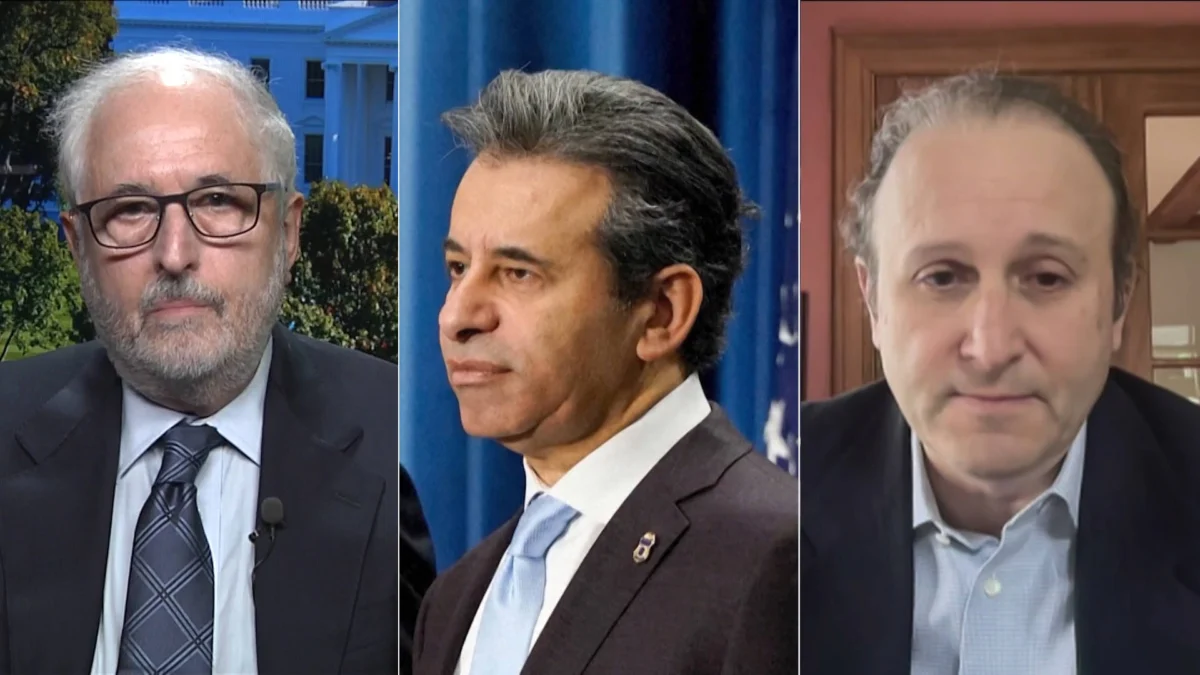
The resignation of Dr. Martin Makary as commissioner of the Food and Drug Administration (FDA) this Tuesday has sent shockwaves through the American scientific community, marking a volatile chapter in the ongoing transformation of the nation’s health regulatory landscape. After serving just 13 months, Dr. Makary’s departure leaves the agency—which oversees roughly one-fifth of the U.S. economy—in a state of profound leadership instability, exacerbated by massive workforce reductions and a departure from traditional science-based governance.
The vacancy will be filled in an acting capacity by Kyle Diamantis, the current deputy commissioner for food. Diamantis, an attorney from Miami with no medical background and a documented personal friendship with Donald Trump Jr., steps into a role traditionally reserved for public health experts. This appointment has drawn sharp criticism from watchdog groups and academics, who argue that the agency is being dismantled from within to satisfy ideological objectives rather than public health mandates.
A Chronology of Instability: From Reform to Resignation
The tenure of Dr. Makary, which began in April 2025, was defined by an impossible balancing act. Attempting to bridge the gap between the radical "Make America Healthy Again" agenda championed by Health and Human Services (HHS) Secretary Robert F. Kennedy Jr. and the established, rigorous regulatory standards of the FDA, Makary ultimately found himself isolated.
- Early 2025: Dr. Makary takes the helm at the FDA, inheriting an agency already reeling from the sudden termination of 3,500 staff members—approximately 20% of the agency’s total workforce—ordered by Secretary Kennedy.
- Mid-2025: Makary attempts to push for internal reforms, including the potential deregulation of certain over-the-counter medications. However, his inconsistent messaging on vaccine safety and drug approval processes begins to alienate both career scientists and the administration’s political base.
- Late 2025: Pressure mounts from anti-abortion advocacy groups who demand more aggressive restrictions on the abortion pill mifepristone. Simultaneously, friction develops with the White House over Makary’s resistance to the rapid approval of fruit-flavored vaping products, which critics argue are designed to appeal to minors.
- November 2025: Faced with growing hostility from both political allies and scientific critics, Dr. Makary resigns. President Trump, addressing the press, characterized Makary as a "terrific guy" who was "having some difficulty," stopping short of confirming a forced exit.
The Regulatory Vacuum: Data and Scope
The importance of the FDA cannot be overstated. As Dr. Aaron Kesselheim, a professor of medicine at Harvard Medical School, noted, the average American interacts with 12 to 15 FDA-regulated products daily. From the food supply to medical devices, and from prescription pharmaceuticals to complex vaccine oversight, the agency acts as the bedrock of domestic health security.
The recent "hollowing out" of this agency has created a dangerous regulatory vacuum. According to Dr. Robert Steinbrook, health research director at the watchdog organization Public Citizen, the current state of the FDA is symptomatic of a broader dismantling of federal public health infrastructure.
"When you pick these agencies apart for particular theories and the idiosyncrasies of the HHS secretary, you destroy things which take years, if not decades, to rebuild," Dr. Steinbrook stated. He highlighted that the U.S. currently lacks a confirmed FDA commissioner, a confirmed CDC director, and a Senate-approved surgeon general, leaving the nation’s health architecture under the control of political appointees rather than public health professionals.
Official Responses and Political Friction
The administration has remained largely dismissive of the concerns regarding the lack of scientific leadership at the helm of the FDA. President Trump’s recent remarks suggested that the role is highly coveted and that the administration is comfortable with the current direction of the agency.
However, the appointment of Kyle Diamantis—a former attorney for Abbott Laboratories, a baby formula manufacturer—is viewed by many as a signal that the agency will prioritize industry interests over independent oversight. For the scientific community, the transition from a physician-led agency to one headed by a corporate-aligned attorney represents a fundamental shift in the FDA’s mission.
In his exit interviews, Dr. Makary defended his attempts to modernize the agency, specifically his push to broaden over-the-counter access to drugs. "Everything should be over-the-counter, not requiring a prescription, unless it is unsafe," Makary argued. While critics like Dr. Kesselheim acknowledge the "grain of truth" in streamlining certain drug approvals, they argue that Makary’s rhetoric undermined the rigorous, evidence-based vetting process that keeps the public safe.
The Human Cost: Vaccines and Public Confidence
Perhaps the most significant concern raised by health experts is the administration’s active campaign against vaccine efficacy. With HHS Secretary Kennedy effectively directing policy from the top down, public health recommendations regarding vaccines have become increasingly politicized.
"We’re in a position where the head of our public health agencies are doing the best that they can to undermine the public confidence in the safety and effectiveness of vaccines," Dr. Kesselheim noted. He warned that this rhetoric is not merely a political difference of opinion but a major public health crisis. The erosion of trust in routine vaccinations threatens to reverse decades of progress, potentially leading to the resurgence of infectious diseases that were once under control.
The lack of a coherent strategy at the CDC, which has seen its international collaboration efforts hampered by staff cuts and political meddling, has left the country ill-prepared for emerging threats. The recent mismanagement of a hantavirus outbreak, where the agency failed to effectively coordinate with global partners, serves as a grim preview of what a weakened public health infrastructure looks like in practice.
Long-Term Implications for Democracy and Health
The institutional decay of the FDA and the wider HHS is not occurring in a vacuum. It is part of a deliberate strategy to restructure federal agencies to be more responsive to political whims rather than objective scientific data.
Key Concerns for the Future:
- Loss of Institutional Knowledge: With 20% of the workforce gone, the agency lacks the deep expertise required to monitor the safety of complex pharmaceutical products.
- Regulatory Capture: The appointment of industry-friendly attorneys rather than scientists suggests a shift toward deregulation that could prioritize profit margins over patient safety.
- The Erosion of Public Trust: When public health messaging is treated as a political tool, the long-term cost is the public’s willingness to follow science-based guidance during future crises.
As the country moves forward under the acting leadership of Kyle Diamantis, the scientific community remains in a state of alert. The consensus among experts like Dr. Steinbrook and Dr. Kesselheim is clear: the current trajectory is unsustainable. The damage done to the FDA’s credibility and operational capacity will likely require significant time and effort to repair, regardless of future shifts in the political landscape.
The resignation of Dr. Makary serves as a reminder that when public health is sacrificed at the altar of political ideology, the cost is ultimately paid by the American people, whose health and safety remain in a precarious, unanchored state. Whether the agency can reclaim its role as a global leader in medical regulation remains the central question of this administration’s health policy. For now, the path forward appears to be one of continued chaos, with the most vulnerable segments of the population bearing the brunt of the systemic failure.


 Nana
Nana
 Pevita Pearce