

 Siti Muinah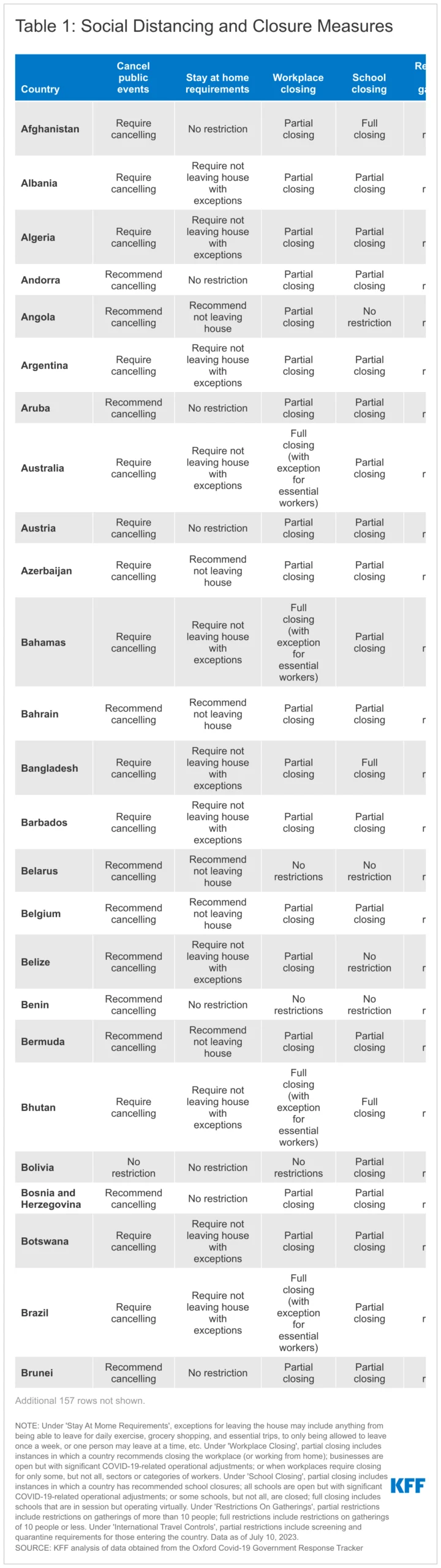
The COVID-19 pandemic, a defining event of the early 21st century, fundamentally altered the trajectory of global public health, economic stability, and social policy. While the acute emergency phase of the pandemic has largely subsided, the infrastructure built to monitor the virus—and the lessons learned from government interventions—remain critical components of global health intelligence. As we move further into the post-pandemic era, tracking systems have evolved to capture a more nuanced reality of persistent viral circulation and the legacy of institutional responses.
Main Facts: The Current State of Surveillance
The modern approach to monitoring COVID-19 relies on a rigorous, centralized framework that synthesizes data from international health bodies. Since March 7, 2023, global surveillance has been anchored by the World Health Organization (WHO) Coronavirus (COVID-19) Dashboard. This transition marked a significant shift in reporting, following the conclusion of the Johns Hopkins University (JHU) Coronavirus Resource Center’s pioneering map, which had served as a primary global touchstone until March 10, 2023.
For researchers and policymakers, the current data landscape is characterized by transparency but also by inherent limitations. The trackers currently in use provide cumulative tallies of confirmed cases and fatalities, broken down by country, income classification, and WHO region. To maintain system performance, current public-facing trackers typically limit display views to the most recent 200 days, though comprehensive historical datasets remain accessible via open-source repositories such as GitHub.
A vital clarification for those analyzing this data is the reporting interval: as of March 2024, data reflects new cases and deaths occurring over a full seven-day period, rather than daily averages. Furthermore, users must account for a standard two-week reporting lag, which represents the time required for national health systems to verify, aggregate, and report figures to international bodies.
Chronology: From Rapid Response to Sustained Monitoring
The timeline of COVID-19 surveillance is divided into two distinct eras: the "Emergency Response" phase and the "Sustained Monitoring" phase.
The Era of Rapid Aggregation (2020–2023)
During the height of the pandemic, the global community relied heavily on the JHU Coronavirus Resource Center. This platform became the gold standard for real-time tracking, mobilizing data from disparate national sources into a cohesive narrative that informed everything from border closures to vaccine rollouts. The speed of this reporting was unprecedented, reflecting the urgency of a world facing a novel pathogen.
The Institutional Transition (2023–Present)
By early 2023, the focus shifted from rapid-fire emergency updates to sustainable, institutionalized reporting. The handover to the WHO dashboard ensured that global data remained standardized and aligned with formal international health regulations. This period also saw the cessation of the Oxford Covid-19 Government Response Tracker (OxCGRT), which had been the definitive record for policy interventions. Consequently, the data regarding "Policy Actions" is now considered a historical record of the 2020–2022 era, freezing in time the diverse government strategies used to combat the virus.
Supporting Data: Understanding Global Metrics
Data analysis in the current context requires an understanding of how various metrics are categorized to provide actionable intelligence. The WHO-led tracking efforts utilize three primary analytical lenses:
- Epidemiological Data: This includes confirmed cases and mortality rates. By stratifying these by World Bank income levels, analysts can identify disparities in healthcare access, diagnostic capacity, and population vulnerability.
- Population Dynamics: Using United Nations World Population Prospects (based on 2021 estimates), trackers adjust for scale, allowing for a comparative analysis between small nations and high-population giants.
- Regional Trends: By utilizing WHO regional classifications, the data highlights localized surges and the effectiveness of regional public health strategies, accounting for shared infrastructure and geopolitical cooperation.
While the raw numbers tell a story of viral reach, they are merely the tip of the iceberg. The "Methods" behind these trackers reveal the complexity of data standardization—a process that involves reconciling different diagnostic definitions, testing capacities, and reporting methodologies across more than 190 countries.
Official Responses: A Historical Review of Policy Actions
The policy landscape of the COVID-19 pandemic serves as a masterclass in crisis management, categorized into three distinct domains. Although these data points are now historical, they offer essential insights for future pandemic preparedness.
Social Distancing and Closure Measures
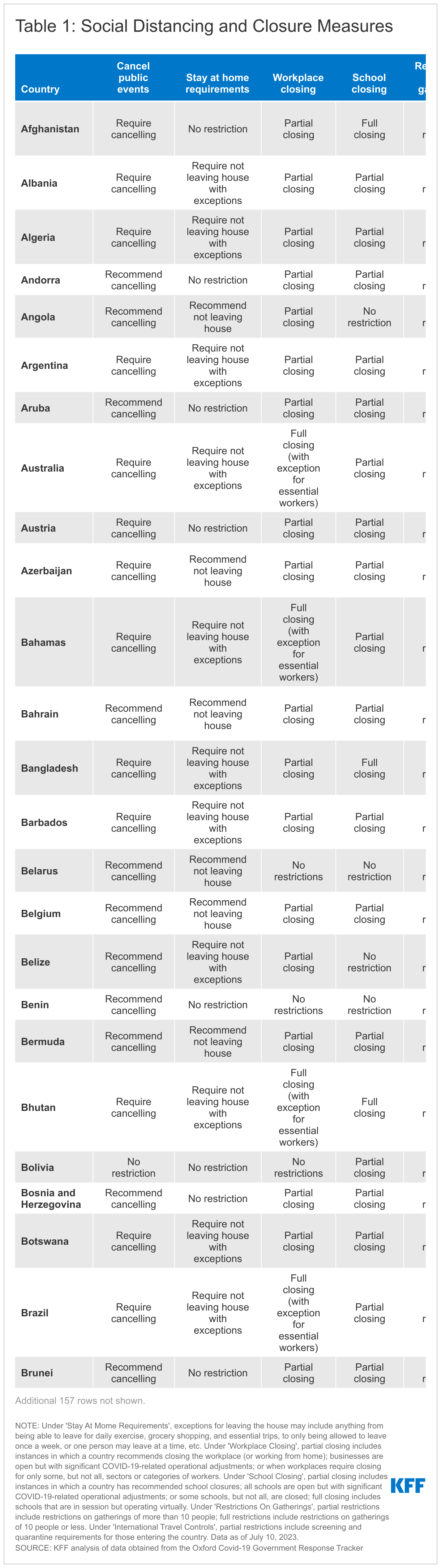
Governments utilized a spectrum of closures to curb transmission. Under the classification of "Stay-at-Home" requirements, policies ranged from minor restrictions on large events to total mobility lockdowns.
- Workplace Closures: These were categorized as either partial (recommendations for remote work or specific sector limitations) or full (mandatory cessation of non-essential operations).
- Educational Impact: School closures were a point of significant debate. Tracking metrics distinguish between "full closures" (virtual-only instruction) and "partial closures" (where some students returned or schools implemented significant operational changes).
- International Travel: Measures focused on screening and mandatory quarantine, reflecting the challenge of balancing global connectivity with containment.
Economic Measures: The Fiscal Buffer
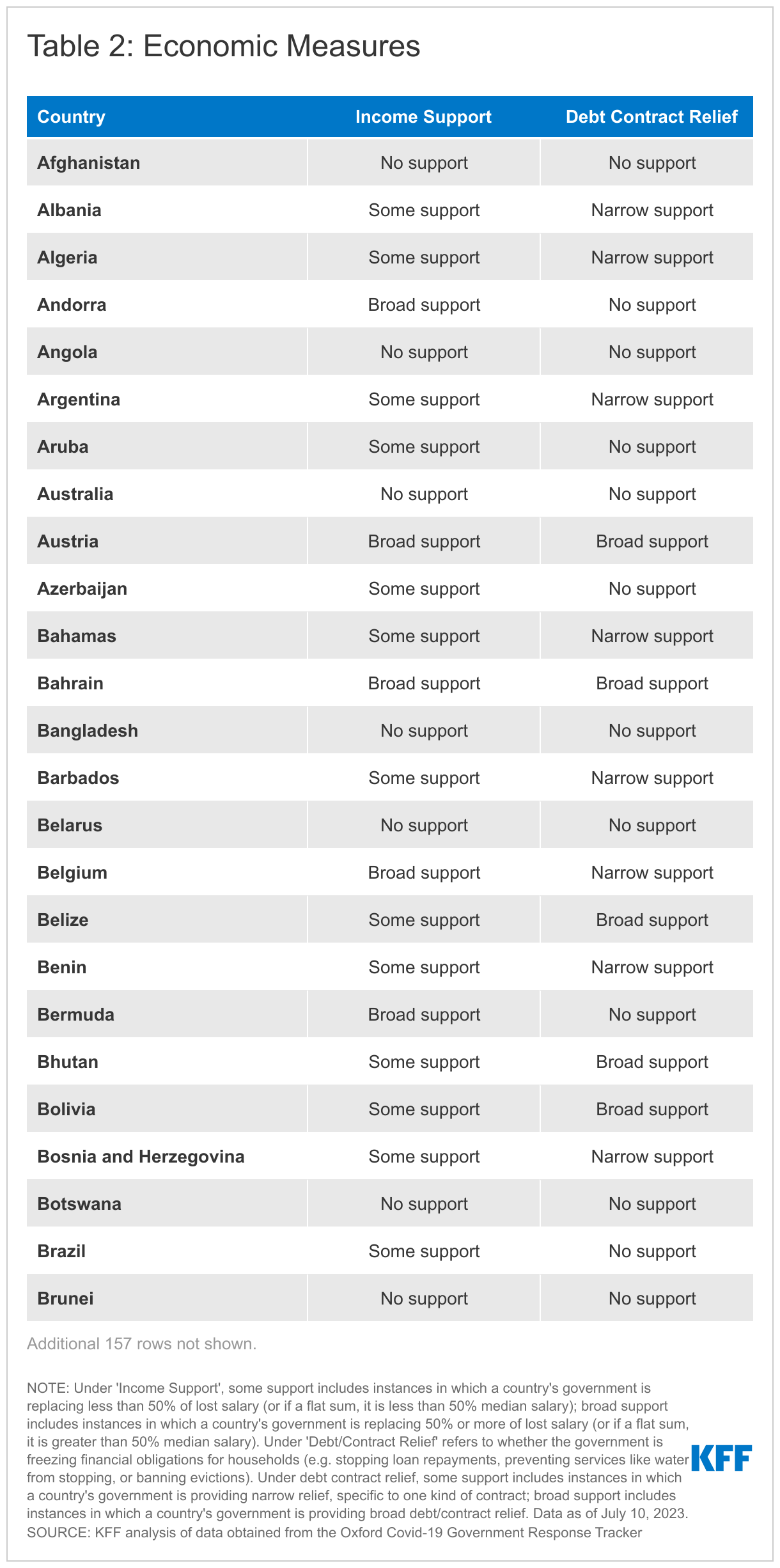
The pandemic necessitated unprecedented government intervention to prevent economic collapse. Tracking data identifies two main pillars:
- Income Support: Measured by the percentage of salary replacement. "Broad support" was defined as 50% or more of lost income, while "narrow support" covered less than half of lost wages.
- Debt/Contract Relief: Governments provided temporary moratoriums on debt payments, with "narrow relief" often targeting specific sectors or types of financial contracts.
Health Systems Measures
The resilience of national health systems was tested by the volume of patients and the requirement for rapid-scale interventions.
- Vaccine Eligibility: This metric tracks the evolution of access, from limited prioritization for the elderly and healthcare workers to broader, universal eligibility.
- Facial Coverings: Data records the transition from "recommended" to "mandatory" masking, specifically noting whether mandates were localized or applied universally.
Implications: The Legacy of COVID-19 Surveillance
The primary implication of our current state of surveillance is the realization that "the pandemic" is not a singular event that ends on a specific date, but a recurring biological reality. The infrastructure built to track COVID-19 has set a new precedent for global health security.
Data Literacy and Policy
The correction issued in March 2024 regarding weekly versus daily reporting underscores the importance of data literacy. Policymakers and the public alike must be careful not to misinterpret statistical trends, particularly when reporting lags or changes in methodology occur. The shift from "daily averages" to "weekly totals" is a reminder that as the pandemic becomes endemic, the granularity of data may change, but the need for accuracy remains paramount.
Preparedness and Open Science
The transition of data stewardship to international bodies and the maintenance of open-source repositories on platforms like GitHub signify a permanent change in how scientific knowledge is shared. By making the full datasets available for download, organizations like KFF and the WHO are empowering independent researchers to conduct longitudinal studies that were once impossible.
Lessons for Future Crises
The historical record of policy actions provides a crucial roadmap for the future. By analyzing the efficacy of different economic and social interventions—comparing, for instance, the outcomes of nations that implemented early "full" closures versus those that opted for "partial" measures—we gain a clearer understanding of the trade-offs between public health and economic continuity.
The COVID-19 tracker is more than just a tally of cases; it is a repository of institutional memory. It chronicles the moment the world stood still, the measures taken to restart the global engine, and the ongoing effort to coexist with a pathogen that fundamentally changed our approach to public health. As we look forward, the legacy of these trackers will be found in the speed, transparency, and collaborative spirit with which the global community faces the next inevitable public health challenge. The data, while complex and sometimes lagging, remains our best tool for ensuring that the lessons of the past are translated into the policies of the future.


 Ali Ikhwan
 Asep Darmawan