

 Laily UPN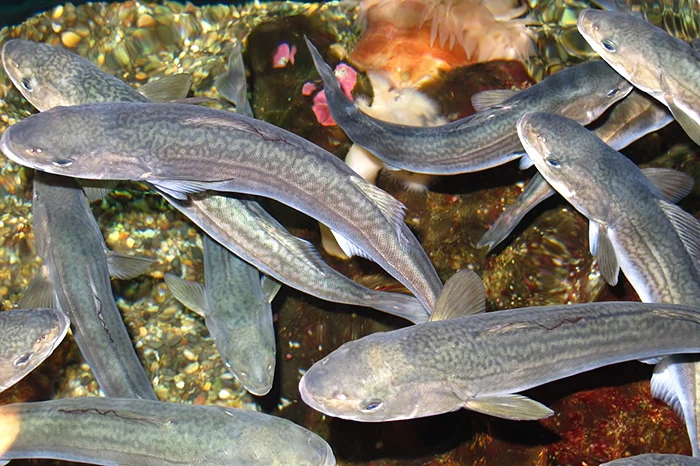
In an era defined by rapid environmental shifts and economic uncertainty, the National Oceanic and Atmospheric Administration (NOAA) serves as a critical, albeit often invisible, backbone of American infrastructure. While the agency is widely recognized for its high-stakes hurricane tracking and weather alerts, its mandate extends far beyond meteorological reporting. Through a sophisticated, multi-disciplinary research enterprise, NOAA is currently driving advancements that impact everything from the quality of the water in your glass to the long-term viability of the seafood industry.
By integrating oceanographic exploration, climate modeling, and cutting-edge data analytics, NOAA is effectively bridging the gap between scientific theory and tangible public benefit. This report explores five critical pillars of current NOAA research, examining how these initiatives are not merely academic pursuits, but essential components of a secure and sustainable future.
Main Facts: The Scope of NOAA’s Modern Mandate
At its core, NOAA operates under the dual mission of environmental stewardship and economic support. The agency’s research infrastructure—ranging from satellite constellations to autonomous underwater vehicles—is designed to solve complex, real-world problems.
- Water Quality and Public Health: NOAA researchers are developing advanced sensors to monitor harmful algal blooms and contaminants in real-time, ensuring that municipal water sources remain safe for consumption.
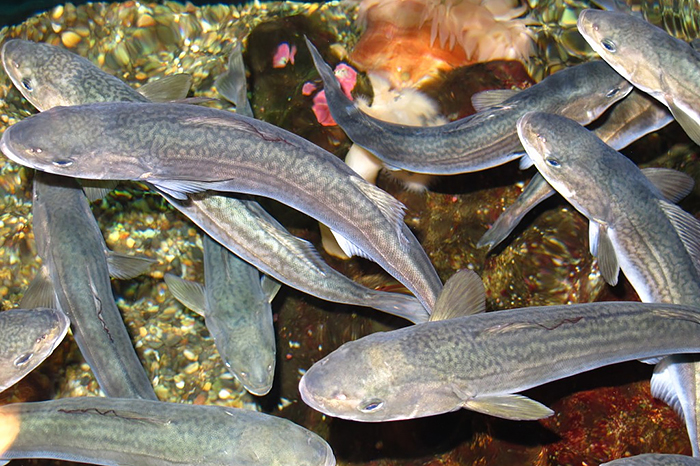
- Sustainable Fisheries: By studying species like the sablefish, researchers are identifying how shifting ocean temperatures affect population health, which directly impacts the food supply and the economic stability of coastal communities.
- Hazardous Weather Resilience: Beyond simple forecasting, NOAA is developing high-resolution models that provide local communities with more precise data, allowing for better infrastructure planning and disaster mitigation.
- Economic Competitiveness: By streamlining access to marine data, NOAA supports the "Blue Economy," fostering innovation in renewable energy, maritime transport, and sustainable tourism.
- Climate Adaptation: NOAA is spearheading initiatives to help urban centers become more resilient to sea-level rise and extreme heat, translating climate data into actionable urban design strategies.
Chronology: A Legacy of Evolution
NOAA’s research trajectory has evolved significantly since its formation in 1970. What began as a largely observational entity has transformed into a predictive, technology-driven powerhouse.
- 1970–1990: The Era of Observation. Early efforts focused on establishing baseline measurements of atmospheric conditions and ocean temperatures. These decades laid the groundwork for modern climatology.
- 1990–2010: The Digital Revolution. The introduction of sophisticated satellite arrays and deep-sea telemetry allowed NOAA to move from intermittent observations to constant, real-time data streams.
- 2010–2020: The Predictive Era. This decade marked a shift toward high-performance computing, where historical data was used to create complex models for long-term weather forecasting and ecosystem modeling.
- 2020–Present: The Integration Era. Today, NOAA is focusing on "holistic integration." This means linking atmospheric data with hydrological data (water quality) and economic data (fishery yields) to provide a comprehensive view of how the environment affects the economy and human health.
Supporting Data: The Engine of Informed Decision-Making
The efficacy of NOAA’s research is rooted in its massive data repositories. Every year, the agency processes petabytes of information collected from thousands of sensors, buoys, and research vessels.
The Economic Impact of Fisheries Data
Recent studies on sablefish populations serve as a prime example of data-driven stewardship. By analyzing migration patterns and spawning grounds, NOAA provides the fishing industry with data that prevents overfishing while maximizing economic yield. When sustainable quotas are met, the result is a stable price point for consumers and a protected ecosystem.
Hydrological Modeling and Infrastructure
NOAA’s National Water Model (NWM) is perhaps the most significant tool in the agency’s arsenal for public health. By simulating the movement of water across the entire U.S. landscape, the NWM provides flood forecasts that are significantly more accurate than those of a decade ago. This data is used by civil engineers to design bridges, storm drains, and treatment plants that are resilient to 100-year storms, thereby saving billions in potential disaster-related costs.
Official Responses: Leading Through Science
In recent statements regarding the agency’s research trajectory, NOAA leadership has emphasized the need for "science that matters."
"We are no longer just measuring the world; we are helping society adapt to it," noted a senior official during a recent briefing on ocean resilience. "Our researchers are tasked with translating complex oceanic and atmospheric variables into information that a city planner, a commercial fisherman, or a local water board can use immediately to improve their operations."
The agency has also doubled down on its commitment to transparency. By making its research findings open-access, NOAA enables private sector companies to build their own tools, such as private weather apps or specialized maritime navigation software, which further amplifies the reach and utility of the original government research.
Implications: Building a Resilient Future
The implications of NOAA’s current research agenda are profound, particularly as global environmental conditions continue to fluctuate.
For the Individual
For the average citizen, the results of this research are increasingly felt in the everyday. Safer drinking water is not a coincidence; it is the result of continuous monitoring of source waters. Improved weather forecasts are not just a convenience; they are life-saving tools that allow for timely evacuations and efficient emergency responses.
For the National Economy
The "Blue Economy"—which encompasses ocean-based industries—is a significant driver of U.S. GDP. NOAA’s research provides the certainty that businesses need to invest in the future. Whether it is a wind farm looking for optimal placement based on oceanic current data or a logistics company optimizing routes based on long-range climate outlooks, NOAA provides the empirical foundation for commercial success.
For Global Stewardship
Finally, NOAA’s work has international implications. By sharing data with global partners, the U.S. helps maintain a standard for international environmental monitoring. As oceans change, the data provided by NOAA acts as a global benchmark, helping other nations understand the shifting dynamics of a warming planet.
Conclusion: The Path Forward
The research conducted by NOAA is a quiet, constant hum of activity that supports the noisy, complex systems of modern life. As we look toward the future, the integration of artificial intelligence and machine learning into NOAA’s existing data structures promises to make our forecasts faster, our resource management more precise, and our public infrastructure more robust.
The study of young sablefish in the Pacific is not just a study of a fish; it is a study of our food security. The monitoring of water quality is not just a study of chemistry; it is a study of public health. By continuing to prioritize this research, NOAA ensures that the United States remains at the forefront of environmental intelligence, protecting the prosperity and health of its citizens for generations to come.
As the agency continues to push the boundaries of what is known about our atmosphere and oceans, it remains a vital, indispensable pillar of American life. The next time you check the weather, turn on your tap, or purchase fresh seafood, remember that behind those simple acts lies a massive, global network of researchers dedicated to making your life better, right now.
For those interested in the technical details of these initiatives, including specific project datasets and ongoing research papers, the full repository of NOAA’s work is available through their official public portal. To learn more about how these developments specifically impact your region, visit NOAA’s official website.

 Layla Zulfa
 Suro Senen