

 Suro Senen
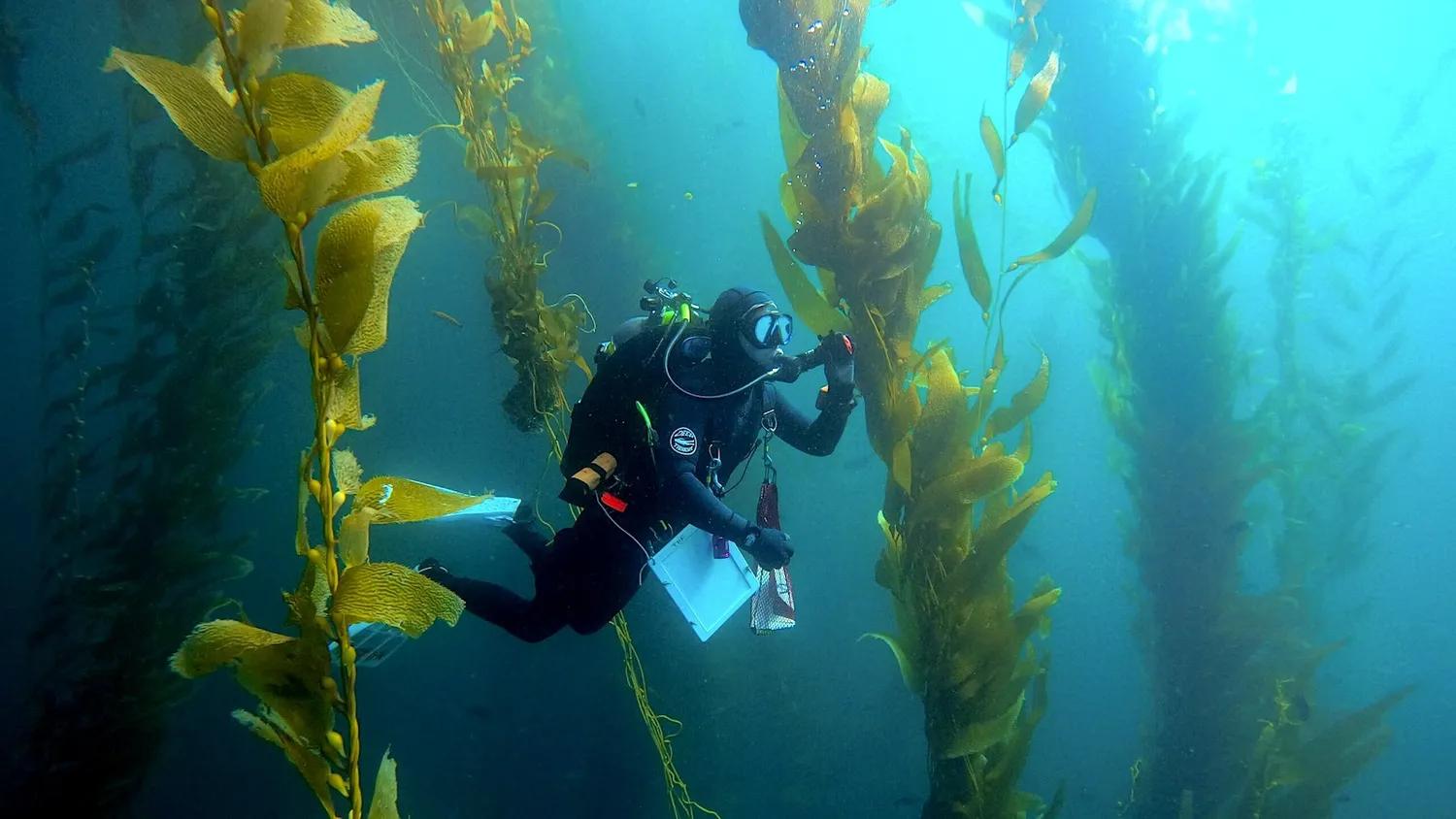
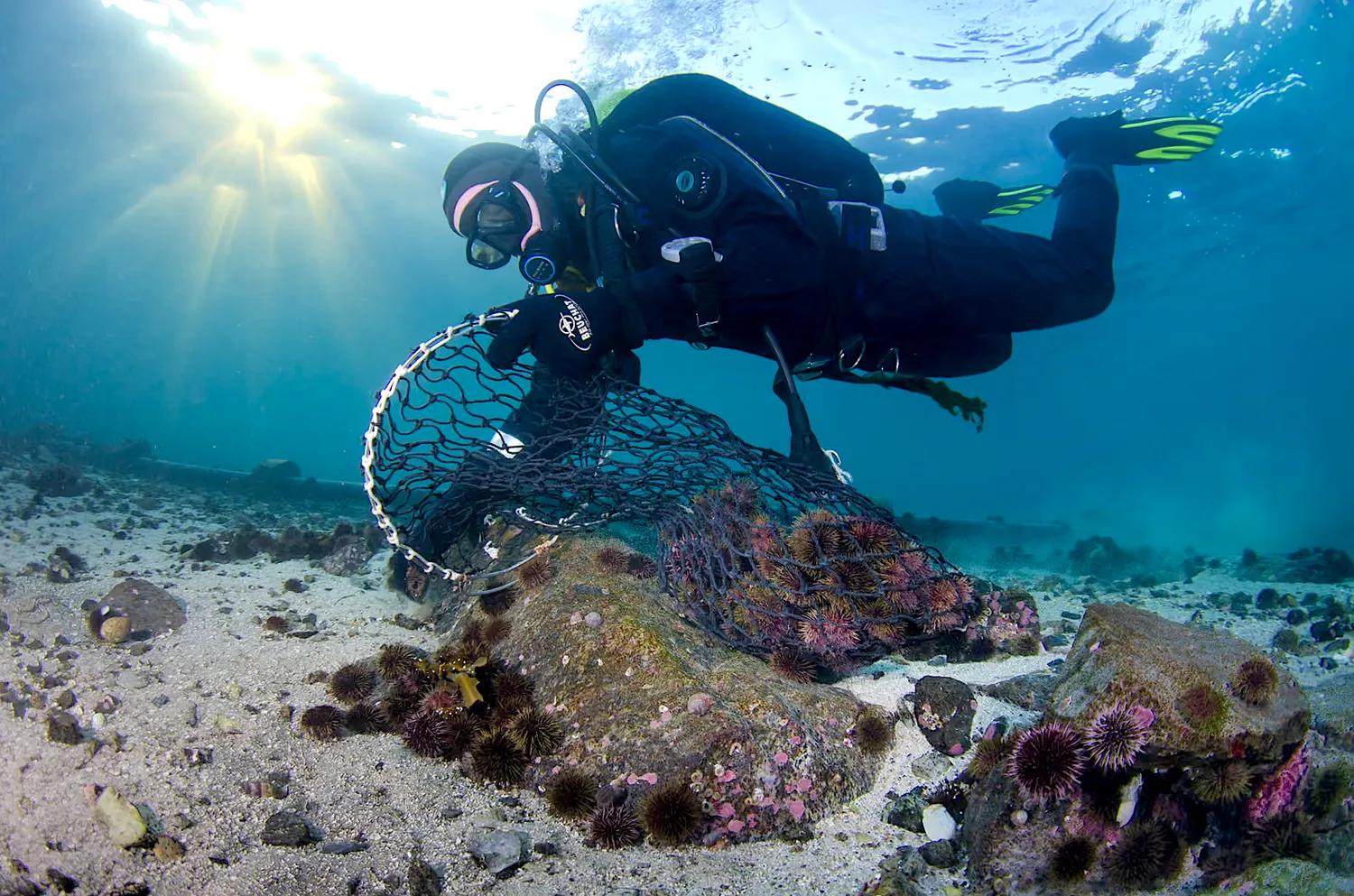
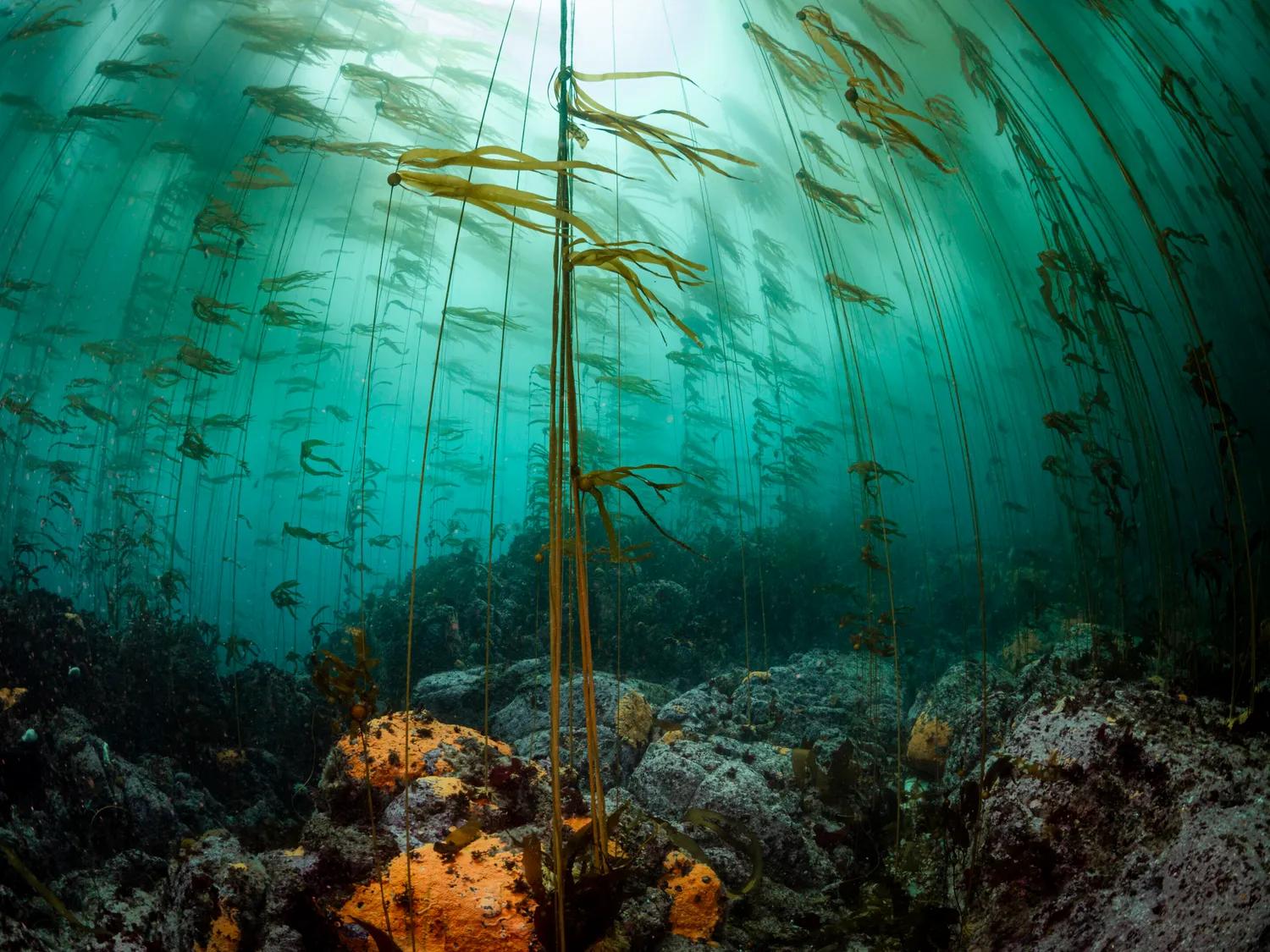
In the emerald-tinted coastal waters of British Columbia, a quiet but desperate battle for the future of the ocean is unfolding. Divers from the Haida Nation descend through the water column, their silhouettes disappearing into dense, swaying groves of golden-brown fronds. These are the kelp forests—biological cathedrals that have sustained marine life for millennia. However, the divers are not there merely to admire the scenery; they are on a mission to eradicate the purple sea urchin, a spiny herbivore that, left unchecked, can turn a lush underwater paradise into a desolate moonscape.
As the world grapples with the visible effects of climate change on land, a silent collapse is occurring beneath the waves. Kelp forests, often referred to as the "rainforests of the sea," are vanishing at an alarming rate. Yet, a global coalition of scientists, Indigenous communities, and environmental organizations is fighting back, deploying everything from artificial intelligence to selective breeding to restore these vital ecosystems.
Main Facts: The Critical Role of Macroalgae
Kelp forests are among the most productive and biodiverse ecosystems on the planet. Found along roughly one-third of the world’s coastlines, these giant macroalgae provide the structural framework for thousands of species. From sea lions and sharks to microscopic crustaceans and sponges, the kelp maze offers shelter, breeding grounds, and a reliable food source.
Beyond their role as a habitat, kelp forests serve as a natural defense system for human coastal settlements. By absorbing the kinetic energy of the ocean, they reduce the strength of waves and minimize coastal erosion. Perhaps most importantly in the 21st century, they are massive carbon sinks. Recent research suggests that kelp’s ability to sequester carbon may have been "grossly underestimated." Unlike many land plants, kelp grows with astonishing speed—some species can grow up to two feet in a single day—absorbing atmospheric CO2 at rates comparable to tropical rainforests.
While much of the carbon captured by kelp is cycled back into the marine food web through "leaf litter" (the shedding of blade-like organs), a significant portion—estimated at 62 million tons annually—is transported by currents into the deep ocean. Once there, the carbon can remain sequestered for centuries or even millennia, making kelp restoration a front-line strategy in the fight against global warming.
Chronology: From Abundance to "The Blob"
The decline of kelp forests is not a new phenomenon, but the pace of degradation has reached a fever pitch in the last decade. Historically, kelp flourished in nutrient-rich, cool waters. However, a combination of industrial-era pressures—including water pollution from agriculture, coastal development, and destructive bottom trawling—began to thin these forests in the mid-20th century.
The situation took a catastrophic turn between 2013 and 2015. A massive marine heatwave, colloquially known as "The Blob," settled over the Pacific Ocean. This unprecedented warming event acted as a death knell for kelp in Northern California, where populations plummeted by a staggering 95 percent in just two years.
This period also saw the outbreak of sea star wasting disease, which decimated populations of the sunflower sea star—the primary predator of sea urchins. With their natural predators gone and the water too warm for kelp to reproduce effectively, the ecosystem reached a tipping point. Since 2015, water temperatures in many California kelp beds have remained stubbornly above 57 degrees Fahrenheit, a threshold beyond which kelp struggles to survive, leading to a "new normal" of degraded reefs and expanding urchin barrens.
Supporting Data: The Scale of the Crisis
The statistics surrounding kelp loss are sobering. Data indicates that kelp forests are vanishing twice as fast as coral reefs and four times faster than tropical rainforests. Over the last 50 years, between 40 and 60 percent of the world’s kelp forests have been either lost or significantly degraded.
The economic implications are equally vast. In California alone, The Nature Conservancy estimates that kelp forests contribute approximately $250 million in economic value annually. This figure encompasses the tourism industry—kayakers and scuba divers—as well as the commercial fishing industry, as kelp serves as a nursery for high-value species like abalone, rockfish, and cod.
In the southern hemisphere, the "Great Southern Reef"—a 5,000-mile network of kelp-dominated rocky reefs across Australia and Tasmania—supports thousands of species, many of which are found nowhere else. The transition of these reefs into "urchin deserts" represents not just an ecological loss, but a multi-billion dollar threat to global biodiversity and food security.
Official Responses: Science, AI, and Global Intervention
The international response to the kelp crisis is multifaceted, involving high-tech surveillance and biological engineering.
1. Artificial Intelligence and Mapping
The Scripps Institution of Oceanography and the San Diego Zoo have pioneered the use of artificial intelligence to create digital twins of kelp ecosystems. By simulating various climate scenarios, researchers can identify "refugia"—areas of the ocean that are most resilient to warming—and focus restoration resources where they are most likely to succeed. Similarly, KelpWatch.org uses satellite imagery and drone data to monitor canopy-forming kelps in real-time along the Pacific coast.
2. Selective Breeding and Biobanking
At the Woods Hole Oceanographic Institution, scientists are looking to the future by breeding "super-kelp." By selecting strains that demonstrate a higher tolerance for heat, researchers hope to replant forests that can survive the warming oceans of the next century. Parallel efforts are underway in Australia and China, while biobanks are being established to preserve the genetic diversity of kelp species before they go extinct.
3. Large-Scale Restoration in Asia
While Western restoration projects are often small-scale (less than 100 acres), East Asia is leading the way in "re-greening" the sea. South Korea, having lost half of its kelp forests, has embarked on the world’s largest restoration initiative, successfully establishing over 71,000 acres of new forest. Their ultimate goal is to restore 75 percent of the nation’s coastline. In Japan, where kelp (kombu) is a cultural and culinary staple, over 700 restoration projects are currently active.
4. Biological Control and Predator Reintroduction
Restoring the balance of the food chain is a priority for organizations like The Nature Conservancy. This includes the reintroduction of sea otters, which are voracious urchin hunters. In regions where otters have been reintroduced, such as parts of British Columbia and Washington, kelp forests have shown remarkable resilience. Furthermore, scientists are working to treat sunflower sea stars with antibiotics and breed disease-resistant individuals to combat the effects of sea star wasting disease.
Implications: The Future of the Coastal Frontier
The loss of kelp is not merely an underwater tragedy; it is a fundamental shift in the Earth’s ability to regulate its climate and support life. If restoration efforts fail to scale, the implication is a "radical ecological transformation." In regions like Maine, kelp is already being replaced by "turf algae"—a carpet-like, low-productivity seaweed that offers little habitat for fish and sequesters far less carbon.
The emergence of a "blue economy" offers a glimmer of hope. By creating markets for sea urchins—turning their shells into mineral-rich fertilizers or their roe into high-end seafood—conservationists are trying to make kelp protection a profitable venture. Norwegian firms like Ava Ocean are already leading this charge, proving that ecological restoration can align with economic interests.
However, experts like Kyle Cavanaugh of UCLA warn that localized restoration is a temporary fix if the root cause—greenhouse gas emissions—is not addressed. Without a reduction in global temperatures, the marine heatwaves that fueled "The Blob" will become more frequent, eventually overwhelming even the most heat-tolerant kelp strains.
The story of the Haida divers and the scientists at Woods Hole is one of desperate ingenuity. It highlights a growing realization that the ocean’s health is inextricably linked to our own. To save the kelp is to save the coastlines, the fisheries, and a vital component of the planet’s carbon-cycling machinery. The underwater rainforest is currently on life support, but the global race to revive it suggests that the tide may yet turn.


 Neng Nana

 Nana Wu