

 Basiran
In the sweltering heat of the Amazon basin, the COP30 climate summit in Belém, Brazil, was framed by a singular, urgent ambition: to halt and reverse the catastrophic loss of the world’s forests. As the host nation, Brazil placed forest conservation at the very heart of its presidency. On November 3, 2026, the Brazilian government unveiled its long-anticipated "roadmap" for ending deforestation—a strategic document designed not as a binding treaty, but as a "living" guide for global climate action.
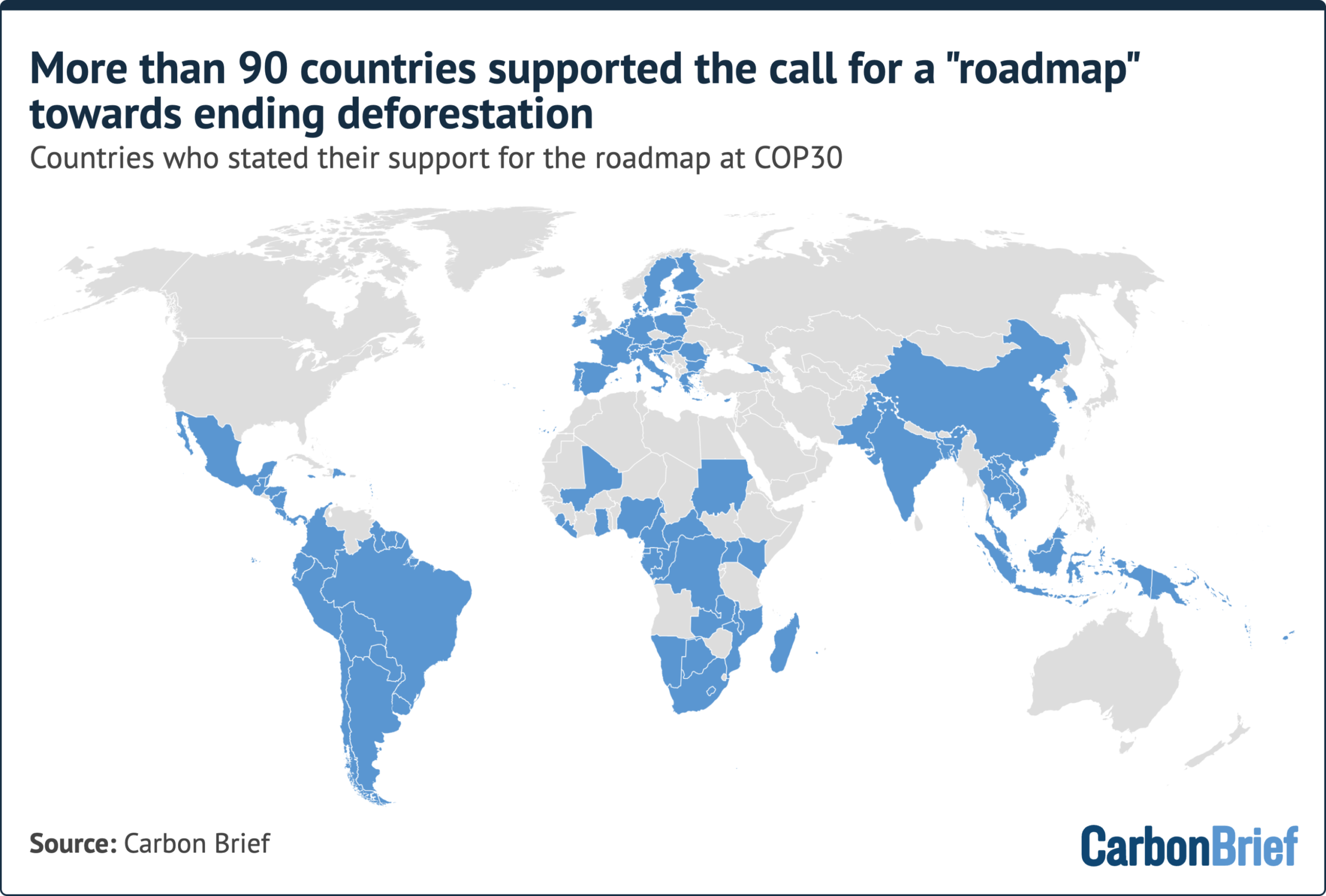
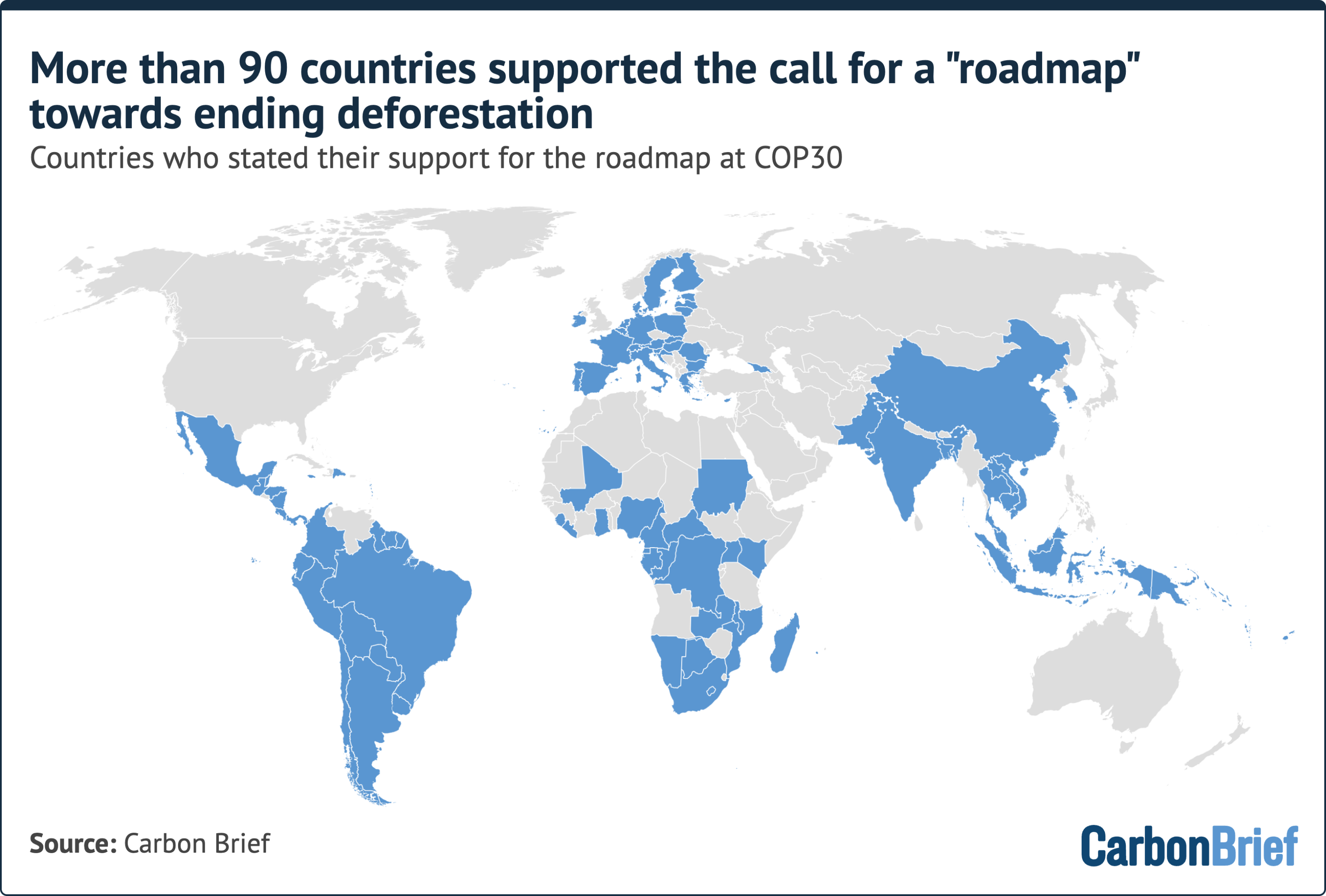
While the roadmap ultimately fell outside the formal, negotiated outcomes of the UN process, it became the defining rallying point of the summit. By the closing plenary, 93 countries—including the European Union and the 56-member Coalition for Rainforest Nations—had pledged their support. Yet, the road to implementation remains fraught with political, financial, and logistical hurdles that test the limits of voluntary climate diplomacy.
A Chronology of Commitments: From New York to Belém
The deforestation roadmap did not emerge in a vacuum; it is the latest chapter in over a decade of international efforts to stem the tide of forest degradation.
The movement began in earnest at the 2014 UN Climate Week with the New York Declaration on Forests, where 39 countries pledged to end natural forest loss by 2030. Momentum accelerated significantly at COP26 in Glasgow, where 140 countries signed the Glasgow Leaders’ Declaration on Forests and Land Use. Despite the fanfare, the Glasgow agreement was quickly mired in controversy, with signatory nations debating the precise definitions of "deforestation" and the accountability mechanisms required to enforce such a broad promise.
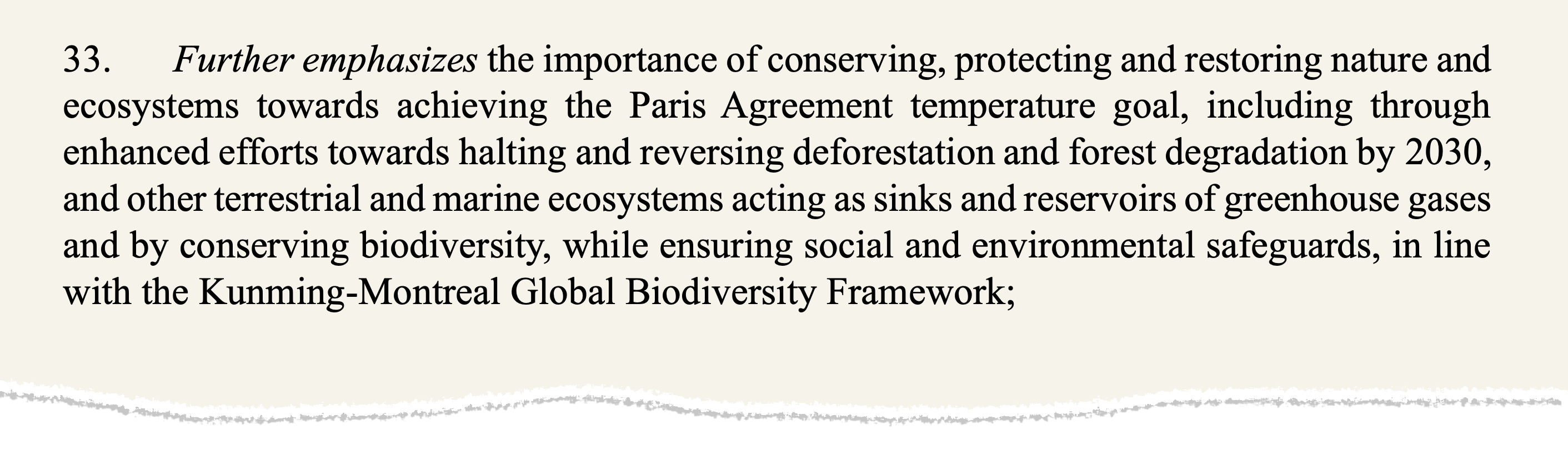
A major breakthrough occurred at COP28 in Dubai, where the objective of halting and reversing deforestation by 2030 was, for the first time, embedded within a formal, negotiated UN text as part of the Global Stocktake. Paragraph 33 of the agreement explicitly emphasized the importance of nature-based solutions to reach the Paris Agreement temperature goals.
The COP30 roadmap, proposed by President Luiz Inácio Lula da Silva just days before the Belém summit, sought to take these high-level commitments and provide a technical, country-led pathway for actual implementation. It was, in effect, a bridge between the high-level rhetoric of past summits and the granular reality of land-use policy.
The Architecture of the Roadmap: A Three-Pillar Approach
The roadmap is structured around three complementary pillars: national action, international architecture, and financial mechanisms. Its objective is to translate abstract global goals into specific, country-led policies while respecting the vastly different socio-economic circumstances of member nations.
1. National Efforts and Implementation
The roadmap identifies 18 distinct "implementation approaches" that countries can adopt. These are not prescriptive mandates but a menu of strategies. They range from the establishment of protected areas and the formal recognition of Indigenous land rights to the management of invasive pests and the restriction of permits for land-use conversion.
For each policy, the document provides evidence of effectiveness and case studies from around the world. Crucially, the roadmap proposes a five-step process for governments to follow, supported by "guiding questions" to help policymakers evaluate their progress. By framing the effort as a "living document," the Brazilian presidency hopes to foster a culture of iterative learning rather than static, one-off reporting.
2. International Architecture for Forest Action
The second pillar addresses the intersection of forest conservation with other global regimes, including trade and human rights. The roadmap highlights that while climate change, biodiversity, and ecosystem protection are often treated as separate silos, they are fundamentally linked through forests.

A significant point of focus is the "uneven" capacity for monitoring. The roadmap advocates for enhanced technical cooperation, particularly in satellite-based forest monitoring. It also tackles the contentious issue of trade, suggesting that international measures should prioritize rewarding compliance—creating economic incentives for sustainable, deforestation-free production—rather than simply imposing punitive administrative burdens on exporters.
3. Financial Mechanisms
Perhaps the most daunting barrier is finance. The roadmap notes that reaching the 2030 goal requires an estimated $300 billion annually, yet current global finance levels remain at less than one-third of that target.
Nearly 90% of current funding comes from domestic public sources, underscoring that forest nations are already bearing the brunt of the financial burden. The roadmap outlines 10 proposals for bridging this gap, including the alignment of domestic finance flows, the development of effective benefit-sharing schemes, and the strengthening of the role of forests in high-integrity carbon markets.
Official Responses and the Politics of Dissent
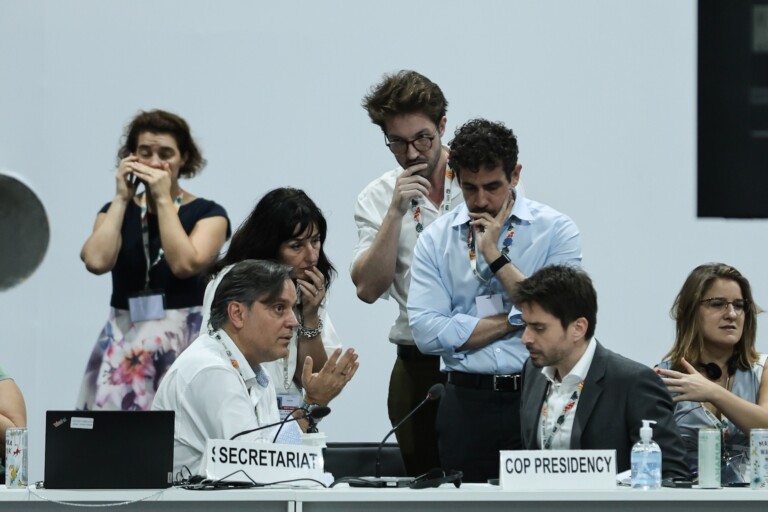
Despite the broad support, the roadmap faced significant resistance. Because it was an "outside-the-process" initiative, it could not be forced upon the 196 parties required for a formal COP consensus.
India, a key player in the "Like-Minded Developing Countries" (LMDC) bloc, was a vocal critic. Historically skeptical of top-down mandates that link forest conservation to international trade, India objected to the roadmap’s inclusion in the formal agenda, fearing that such initiatives could undermine existing priorities like adaptation finance. However, in a post-summit interview, Indian Environment Minister Bhupender Yadav struck a more conciliatory tone, noting that India "welcomes" the roadmap and intends to support Brazil’s "Tropical Forest Forever Facility."
Russia also emerged as a prominent objector. As the host of the world’s largest boreal forests, Russia argued that the roadmap lacked a "universally agreed, legally binding definition" of forest degradation. Moscow’s resistance was rooted in a concern that the initiative went beyond the scope of the UNFCCC and the Paris Agreement.
Other nations expressed "initiative fatigue," arguing that after decades of pledges, the focus should shift entirely to the implementation of existing commitments made during the Global Stocktake. As one official noted during the summit, "All countries have already taken this commitment… we don’t need any country to subscribe to a new, non-negotiated roadmap; we need them to fund and execute the ones they have already signed."
Barriers to Success: The Reality on the Ground
The submissions received from 18 countries and four negotiating blocs reveal a complex web of local challenges. The roadblocks to ending deforestation are as diverse as the forests themselves:
- Socio-Economic Pressures: In Sudan, 70% of the population relies on firewood for energy, creating a direct conflict between basic human survival and forest preservation.
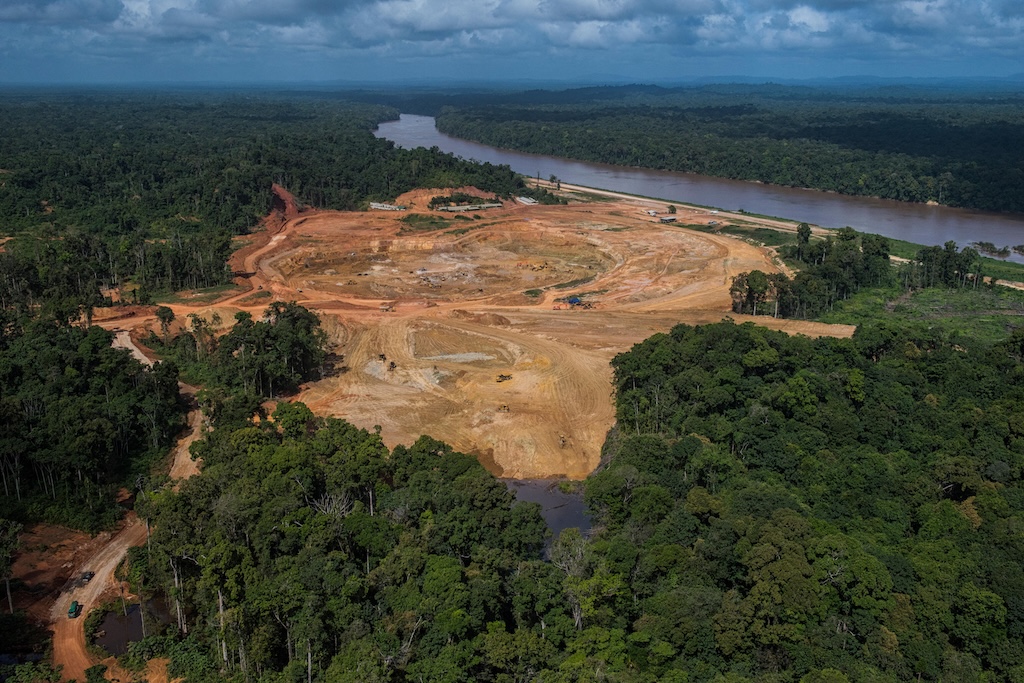
- Extractive Industries: Nations like Guyana and Suriname point to the undervaluation of standing forests compared to the short-term economic gains from gold mining and large-scale industrial agriculture.
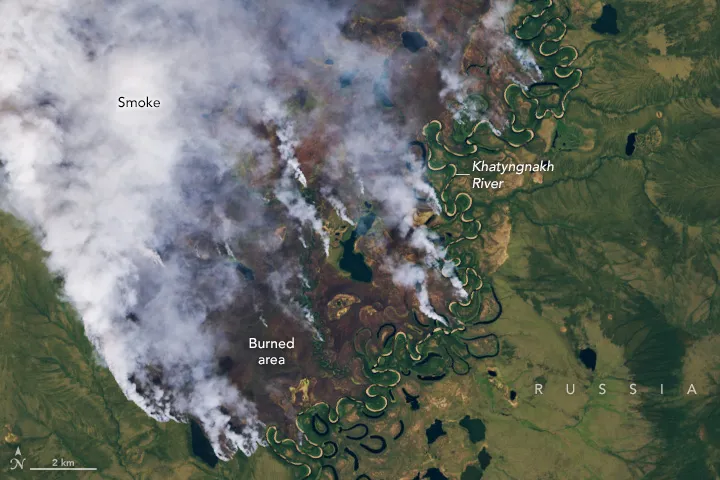
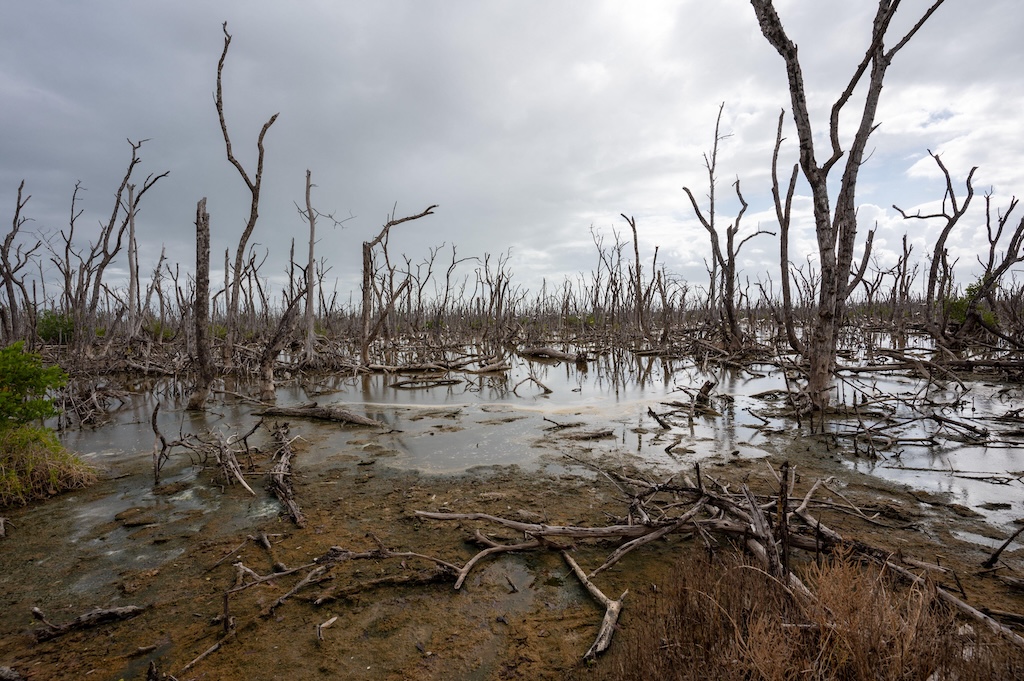
- Climate-Driven Degradation: Countries from Canada to Australia highlighted that the increasing frequency and intensity of wildfires—driven by a changing climate—are undoing years of conservation work.
- Technical Gaps: Small island states like Mauritius and the AOSIS bloc emphasized that even where there is political will, a lack of technical capacity for monitoring and verification prevents effective action.
The Path Forward: From Belém to Beyond
As the world looks toward COP31, the legacy of the Belém roadmap remains to be seen. Supporters, such as Kelly Stone of the Climate Land Ambition and Rights Alliance, argue that the roadmap is an important step but caution that it must not become a "paper tiger." "This roadmap needs to be taken forward in a process where countries are working together for rapid, ambitious action," Stone stated. "We cannot afford to wait."
The Brazilian presidency, led by André Corrêa do Lago, has framed the document as a "practical pathway." By focusing on enabling conditions—such as land governance, environmental education, and the repurposing of harmful subsidies—the roadmap aims to move the conversation from "why we should save forests" to "how we can realistically do it."
Ultimately, the success of this initiative will not be measured by the number of signatures on a document, but by the tangible reduction in deforestation rates. With Brazil itself demonstrating a 70% reduction in deforestation since 2022, there is proof that when political will aligns with practical, sustained policy, the tide can be turned.
The roadmap is a testament to the fact that while the climate agenda may be moving faster than the formal, slow-moving machinery of international negotiations, the urgency of the crisis requires us to find new, creative, and collaborative ways to act. As the global community prepares for the next round of talks, the focus has shifted from the negotiation of words to the execution of the, often difficult, work of restoration.


 Nila Kartika Wati

 Dwi Wanna