




 Nana Muazin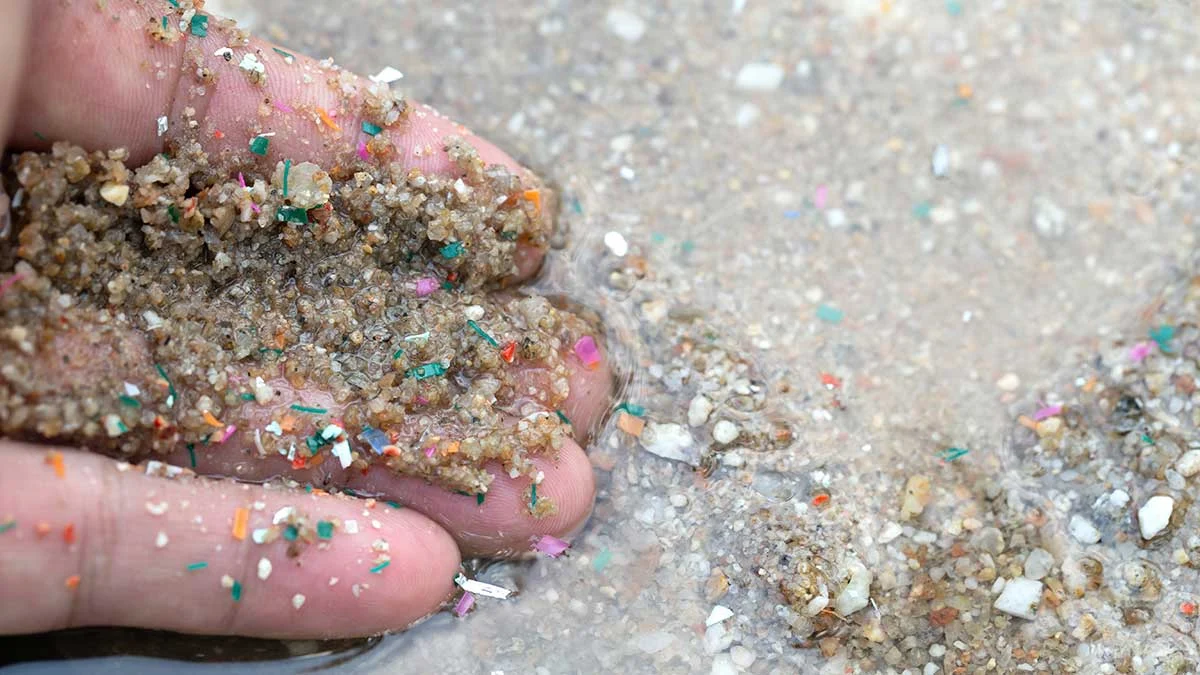
Beyond the distant oceans, a silent crisis is unfolding in our very own suburban landscapes. While headlines often focus on marine life choked by plastic, a growing body of scientific evidence reveals a more insidious truth: our homes, our driveways, and our gardens are significant contributors to the global microplastic pandemic.
For years, the alarming images of plastic-laden oceans have galvanized environmental efforts. Scientists have painstakingly documented the pervasive reach of microplastics, tiny plastic fragments less than five millimeters in size, now found on the deepest seafloors and within the bodies of countless marine creatures. This pervasive contamination has sparked widespread concern, prompting individuals and governments alike to seek solutions for this daunting environmental challenge.
However, a critical piece of the microplastic puzzle has remained largely overlooked: the undeniable role of our terrestrial activities, particularly those within our residential properties, in generating and dispersing these pervasive pollutants. Research from institutions like the University of Vienna has delivered a stark revelation: land-based sources, including our own backyards, are estimated to release 20 times more airborne microplastics than the oceans themselves. These minuscule particles, invisible to the naked eye and easily inhaled by humans and animals, can travel vast distances on the wind, settling in soil, water, and ultimately, impacting both terrestrial and aquatic ecosystems. The unsettling reality is that your home, the sanctuary of suburban tranquility, might be a microplastic factory.
Unpacking the Land-Based Microplastic Phenomenon
Microplastics, defined as plastic fragments ranging from a nanometer to five millimeters in size – with a nanometer being a fraction of the width of a human hair – are a pervasive environmental concern. The majority originate from the breakdown of larger plastic items. However, some are intentionally manufactured as microplastics, such as the beads found in toothpastes and facial scrubs.
The relentless forces of friction, wear, and abrasion, coupled with the degrading effects of UV radiation and thermal exposure, gradually transform larger plastic products into these microscopic fragments. The rate of this degradation is heavily influenced by the specific plastic material and prevailing weathering conditions. Once formed, microplastics are readily mobilized. Wind currents, especially strong ones, can lift these particles high into the atmosphere, facilitating their dispersal across continents and even to the most remote corners of the globe.
In dry or arid climates, microplastics can easily blend with dust particles on roads, soil, and other surfaces. Human activities, such as passing vehicles or agricultural practices like tilling, can then re-suspend these particles into the air, perpetuating the cycle of contamination.
The Land-to-Air Transformation: A Multi-faceted Pathway
The journey of microplastics from land to air is a complex process, with various pathways contributing to their atmospheric presence. Exterior paints on buildings, for instance, are susceptible to peeling and flaking due to prolonged exposure to UV radiation and weathering. As these paints become brittle, they shed fragments that can be easily carried away by the wind.
Similarly, synthetic textiles, ubiquitous in our wardrobes and homes, are a significant source of microfibers. When we run loads of laundry, these microscopic fibers are shed and enter the wastewater system. While wastewater treatment plants capture a substantial portion of these particles, a significant amount can still end up in agricultural fields as fertilizer. Once in the soil, these microplastics can become airborne through the process of soil erosion.

The Pervasive Threat: Health and Environmental Repercussions
The implications of widespread microplastic contamination are far-reaching and deeply concerning. These tiny plastic fragments act as both physical hazards and vectors for toxic chemicals across entire ecosystems. Scientific estimates suggest that individuals can ingest between 74,000 and 121,000 microplastic particles annually through a combination of airborne exposure and dietary intake.
The health consequences of inhaling these particles are particularly alarming. Inhaled microplastics can cause direct damage to the lungs. Furthermore, the chemical additives and toxins embedded within them can leach into the body, contributing to a range of serious health problems, including an increased risk of cancer and reproductive issues. Beyond human health, the accumulation of microplastics in soil and water sources contaminates our food supply and disrupts the delicate balance of ecosystems, threatening biodiversity and ecological stability.
The Home Property Audit: Identifying Your Microplastic Hotspots
Understanding the sources of microplastics on your own property is the crucial first step toward mitigation. A thorough audit of your home and yard can reveal surprising contributors to this pervasive pollution.
Zone 1: Driveway and Parking Areas – The Tire Tire-d Toll
These areas are arguably the most prolific generators of microplastics due to the constant wear and tear on vehicle tires.
| Source | Problem | Scale | Check For |
|---|---|---|---|
| Car tires | Wears down whenever cars accelerate, brake or turn | Can shed 2.8 to 4 kilograms during its lifetime | Black dust accumulation in driveway edges |
Zone 2: Lawn and Landscape Surfaces – Unseen Shedding
These outdoor surfaces, often perceived as natural, can harbor significant sources of microplastic pollution.
| Surface | Problem | Scale | Check For |
|---|---|---|---|
| Synthetic turf | Releases particles due to UV radiation; infill materials degrade | Up to 20,000 artificial turf fibers a day can end up in bodies of water | Black rubber granules migrating beyond the turf |
| Plastic landscape edging/weed barriers | Releases microplastics into soil due to UV radiation | Varies by material quality and sun exposure | Brittle, flaking plastic edges |
| Rubber mulch | Degrades over time due to friction and abrasion | Can release a substantial amount, comparable to motorway tire wear | Black dust in surrounding areas |
Zone 3: Outdoor Furniture and Recreation Areas – Wear and Tear Accumulation
These frequently used and weather-exposed surfaces contribute to microplastic generation through constant use.
| Surface | Problem | Scale | Check For |
|---|---|---|---|
| Plastic furniture | Surface flaking due to UV radiation | Minor compared to turf/tires, but cumulative | Faded, chalky surface, plastic dust |
| Playground equipment | Wears down due to friction/abrasion/UV | Minor compared to turf/tires, but cumulative | Shiny wear patterns, rough textures |
| Trampoline mats/netting | Deteriorates due to UV and friction | Concentrated particles due to enclosed setup | Fraying edges, powder on surface |
Zone 4: Building Exterior and Structures – Weather’s Plastic Legacy
These areas are constantly subjected to the elements, leading to the gradual breakdown of plastic components.
| Surface | Problem | Scale | Check For |
|---|---|---|---|
| Vinyl siding | Releases particles due to weathering | Wears down slowly but constantly | Fading color, chalky residue |
| Plastic planters and pots | Degrades due to UV radiation | Minor, avoidable with shade | Brittle, cracking plastic |
| Outdoor plastic sheds | Exposed to UV, accelerating generation | Moderate, depending on material quality | Fading, surface roughness |
Zone 5: Gardens and Growing Areas – Sun-Kissed Plastic Breakdown
These areas, often deliberately placed in sunlight, accelerate the degradation of plastic materials.

| Surface | Problem | Scale | Check For |
|---|---|---|---|
| Plastic mulch film | Fragments can remain in soil after intended use | Moderate in home gardens, significant in agricultural settings | Film fragments in soil after removal |
| Landscape fabric under mulch | Deteriorates over time, mixing with soil | Depends on quality, subpar materials disintegrate faster | Black threads visible in mulch |
| Buried plastic plant pots | Degrades due to UV radiation | Minor | Brittle, cracking plastic |
The Dominant Culprit: Tire Dust Management
Tire dust stands out as one of the most abundant forms of microplastic pollution globally. Every vehicle on the move contributes to this problem. The constant friction between tire treads and pavement generates intense heat and mechanical shearing, shedding microscopic layers of rubber. A single car can produce approximately 110 milligrams of tire wear per kilometer, a figure that escalates with aggressive acceleration, braking, and cornering. It is estimated that particles from vehicle tires account for a staggering 60% of overall microplastic pollution.
These tire microplastics, often measuring 100 nanometers or smaller, disperse effortlessly into the air. Their hazardous composition further exacerbates their impact. Tires are complex composites, typically comprising around 24% synthetic rubber, 19% natural rubber, and various plastic polymers.
Strategies for Homeowners to Mitigate Tire Dust
Addressing tire dust requires a comprehensive approach. Homeowners can adopt several strategies:
- Vehicle Maintenance: Ensuring tires are properly inflated and balanced can reduce uneven wear. Regular tire rotations can also help distribute wear more evenly.
- Driving Habits: Practicing smoother acceleration, braking, and cornering minimizes tire abrasion.
- Driveway Design: Considering permeable paving materials for driveways can help capture some tire particles, preventing them from being washed into storm drains.
- Regular Cleaning: Frequent sweeping or vacuuming of driveways and adjacent areas can help remove accumulated tire dust before it becomes airborne.
The Reality of Tire Dust Management
It is crucial to acknowledge that completely eliminating tire wear is an impossibility, as friction is fundamental to vehicle operation. The objective, therefore, is to minimize unnecessary generation and effectively contain these particles before they enter the environment. For instance, directing car wash water, which can contain tire particles, brake dust, and soap, away from storm drains is paramount. Ideally, this water should be channeled into a sanitary sewer system for proper treatment.

Synthetic Turf: The Hidden Cost of "Low Maintenance"
Artificial grass has emerged as another significant contributor to microplastic pollution in residential areas. The very properties that make it appealing – its durability and perceived low maintenance – are also its environmental downfall.
Sunlight, fluctuating temperatures, and physical activity, such as foot traffic, cause the plastic blades of synthetic turf to splinter into microscopic fragments. Furthermore, the infill material, often made from recycled tire crumb rubber, can migrate beyond the turf’s perimeter, polluting surrounding soils and aquatic environments. While artificial grass can last between eight and 15 years, it begins shedding fibers years before its end-of-life.
Health Concerns Associated with Synthetic Turf
Beyond microplastic shedding, synthetic turf and its common infill material raise additional health concerns. Recycled tire crumb rubber can contain harmful substances such as polycyclic aromatic hydrocarbons (PAHs), volatile organic compounds (VOCs), and heavy metals. The surface of artificial turf also absorbs heat, becoming significantly hotter than natural grass on sunny days, potentially causing direct contact burns and heat exhaustion. This is a particular concern for children who spend extended periods playing on these surfaces.
Alternatives to Synthetic Turf
Fortunately, a beautiful and functional yard can be achieved without contributing to microplastic pollution. Consider these sustainable alternatives:
- Natural Grass Lawns: With proper care and maintenance, natural grass provides an eco-friendly and aesthetically pleasing ground cover.
- Native Plant Landscaping: Utilizing plants indigenous to your region requires less water and maintenance while supporting local biodiversity.
- Groundcovers: Low-growing, spreading plants like clover, creeping thyme, or sedum can create attractive and functional ground cover.
- Permeable Paving: For pathways and patios, consider materials like gravel, decomposed granite, or permeable pavers that allow water to infiltrate the ground.
- Mulch: Organic mulches like wood chips, bark, or straw provide a natural and biodegradable ground cover.
Managing Existing Synthetic Turf
For those who already have synthetic turf, implementing these strategies can help minimize microplastic particle generation:
- Regular Brushing and Cleaning: Gently brushing the turf can help collect loose fibers and infill.
- Infill Management: Regularly topping up infill can help secure loose fibers.
- Perimeter Containment: Installing barriers around the turf can help prevent infill migration.
- Watering Practices: Lightly watering the turf can help settle dust and fibers.
Material Swaps for Reduced Microplastic Generation
A proactive approach to reducing microplastic generation involves strategic material swaps throughout your property. By replacing plastic-heavy items with more sustainable alternatives, homeowners can significantly curb the flow of microplastics into the environment.
| Material | Alternatives | Impact | Cost | Notes |
|---|---|---|---|---|
| Resin or plastic outdoor furniture | Wood (FSC-certified), metal (aluminum, steel), stone | Eliminates UV degradation source | Comparable or higher upfront, but longer lifespan offsets it | Wood requires sealing/staining; metal may need rust protection. |
| Plastic landscape edging | Metal (aluminum, steel), stone, brick, wood | Permanent materials don’t degrade | Metal or stone costs more upfront but lasts indefinitely | Installation difficulty is similar. |
| Rubber mulch materials | Wood chips, bark, straw, leaves | Organic mulches are biodegradable/microplastic-free | Cheaper and available locally | Need replenishment annually (1-3 inches). |
| Plastic landscape fabric/weed barriers | Cardboard, newspaper, natural fiber mats (jute, coir) | Biodegradable options decompose cleanly | Cheaper or free (cardboard) | Works equally well for initial weed suppression. |
| Plastic plant containers | Terra cotta, ceramic, wood, fiber pots | Reduces UV degradation source | Similar or slightly higher | Terra cotta is breathable but breakable; fiber pots are compostable. |
| Plastic playground equipment/play surfaces | Wood, metal | Reduces friction-generated particles | Comparable for new installations | Modern wood or metal equipment meets safety standards. |
| Rubber mulch as groundcover for play areas | Wood chips (playground-certified), sand, pea gravel | Eliminates major particle source | Cheaper | Certified wood chips meet fall-height requirements. |
Maintenance Practices for Minimizing Particle Generation
Beyond material choices, adopting specific maintenance practices can significantly reduce microplastic shedding from existing items.
Cleaning Strategies
- Regular Sweeping and Vacuuming: Frequent cleaning of outdoor surfaces and indoor floors helps capture loose particles. Use a vacuum cleaner with a HEPA filter for effective particle capture.
- Wet Cleaning Methods: Employing damp cloths and mops can effectively trap dust and microplastics, preventing them from becoming airborne.
- Storm Drain Guards: Installing mesh guards on storm drains can help intercept larger debris and some microplastics, preventing them from entering waterways.
UV Protection
- Covering Outdoor Items: When not in use, cover plastic furniture, playground equipment, and other vulnerable items with natural fiber covers to shield them from UV radiation.
- Strategic Planting: Planting trees and shrubs strategically can provide shade to plastic items, reducing their exposure to direct sunlight.
Vegetation Management
- Dense Planting: Dense vegetation, especially groundcovers and shrubs, can act as natural filters, trapping airborne microplastics and preventing soil erosion.
- Mulching with Organic Materials: Using wood chips, bark, or straw as mulch helps retain soil moisture and suppresses weed growth, while also trapping microplastics.
Seasonal Considerations
- Winterizing Outdoor Items: Properly storing or covering outdoor plastic items during winter months can reduce their exposure to harsh weather conditions and UV radiation.
- Post-Season Cleaning: Thoroughly cleaning synthetic outdoor items at the end of their use season can remove accumulated particles.

The Indoor-Outdoor Connection: Microplastics Invading Our Homes
The contamination doesn’t stop at our property lines. Microplastics generated outdoors can easily find their way into our homes, increasing the risk of inhalation and ingestion for occupants.
How Yard Microplastics Enter Your Home
- Footwear: Shoe treads are notorious for picking up contaminated dirt and dust, which is then tracked indoors.
- Openings: Open doors and windows allow wind-blown microplastics to enter living spaces.
- Clothing and Pets: Yard debris and soil clinging to clothes can be transferred indoors. Pets, with their fur and paws, can act as efficient vectors for plastic-laden dirt and dust.
Indoor Accumulation and Exposure
Once inside, microplastics settle into household dust, adhering to surfaces and fabrics. Carpets and upholstery act as traps for these particles. Every interaction with these soft furnishings can re-suspend them into the air. Inadequate vacuuming, particularly with non-HEPA filters, can further exacerbate the problem by blasting fine plastic particles back into the air. Airborne microplastics tend to stay close to the ground, posing a significant risk to young children and pets who spend more time in these lower air zones.
Reduction Strategies for Indoor Spaces
Mitigating indoor microplastic contamination involves a multi-pronged approach:
- "Shoes Off" Policy: Implementing a strict "shoes off" policy at the entrance significantly reduces the amount of outdoor debris tracked inside.
- Regular Cleaning with HEPA Filters: Utilize vacuum cleaners equipped with HEPA filters and adopt regular wet cleaning practices for floors, surfaces, and upholstery.
- Air Filtration: Invest in portable HEPA air purifiers and upgrade your home’s HVAC system to filters with a MERV 13 rating or higher. These filters are more effective at capturing microplastic particles compared to standard MERV 8 filters.
- Window Screens: While not a complete barrier, good quality window screens can help prevent larger dust particles and debris from entering.
Ventilation Considerations
Balancing the need for fresh air with the risk of introducing airborne microplastics requires careful consideration. Short, controlled periods of ventilation, combined with robust indoor air filtration, are key.

A Cost-Benefit Analysis of Microplastic Reduction
While some microplastic reduction strategies may involve upfront costs, many offer significant long-term financial and environmental benefits.
High-Cost Swaps with Long-Term Savings
| Item | Up-front Cost | Annual Savings | Payback Period |
|---|---|---|---|
| Synthetic turf to natural lawn/alternatives | $2,000-$8,000 removal + $500-$3,000 landscaping | $300-$800 (synthetic maintenance vs. natural lawn) | 3-7 years, then savings |
| Plastic furniture to wood or metal | 20-50% more initially | N/A (longer lifespan) | Lower net cost over lifetime |
| Lifespan | 15-25 years vs. 5-10 years |
Moderate-Cost Swaps with Environmental Benefits
| Item | Up-front Cost | Replacement Frequency | Annual Cost |
|---|---|---|---|
| Rubber mulch to natural mulch | Natural is cheaper ($30-$50/yd³ vs. $100-$200) | Annual (natural) vs. 3-5 years (rubber) | Similar or lower |
Low or No-Cost Changes with Immediate Impact
Practices such as implementing a "shoes off" policy, adopting wet cleaning methods, and covering outdoor items are free or very low-cost and provide immediate benefits.
Prioritizing Investments
The effectiveness of microplastic reduction methods varies:
- High Impact: Replacing synthetic turf with natural alternatives, adopting a "shoes off" policy, and upgrading to HEPA air filtration offer substantial reductions.
- Moderate Impact: Swapping plastic outdoor furniture for sustainable materials, using organic mulches, and implementing regular wet cleaning contribute significantly.
- Lower Impact: While still beneficial, smaller changes like covering outdoor items or using natural fiber landscape fabric offer incremental improvements.

Beyond Your Property: Community-Level Actions
The microplastic problem extends beyond individual properties, necessitating collective action.
Municipal Landscaping Initiatives
Municipalities can play a vital role by prioritizing microplastic mitigation in their landscaping strategies. This involves replacing plastic surfaces with healthy soil and natural vegetation to trap micro-debris. Homeowners can advocate for these changes by:
- Engaging with Local Representatives: Contacting local council members and park departments to express concerns about microplastic pollution.
- Participating in Public Consultations: Attending community meetings and providing input on landscaping and environmental policies.
- Supporting Green Infrastructure Projects: Advocating for the implementation of bioswales, rain gardens, and other green infrastructure that helps filter pollutants.
Storm Drain Management
Urban stormwater runoff is a major conduit for microplastics to reach waterways. Effective storm drain management is crucial. Homeowners can contribute by:
- Educating Neighbors: Raising awareness about the importance of keeping storm drains clear of debris.
- Reporting Illegal Dumping: Alerting authorities to any instances of illegal dumping of waste into storm drains.
- Supporting Municipal Programs: Participating in or advocating for community clean-up events that target storm drain areas.
Road Maintenance Strategies
Community road maintenance can intercept tire particles and other microplastics. This includes:
- Street Sweeping Programs: Regular street sweeping effectively removes accumulated tire dust and debris.
- Porous Pavements: Implementing porous pavement allows water to filter through, trapping particles.
- Vegetation Buffers: Planting vegetation along roadways acts as a natural filter for airborne plastic fibers.
Policy Advocacy
Advocating for robust policies is essential to drive systemic change and hold industries accountable for microplastic pollution. This includes lobbying for:
- Extended Producer Responsibility (EPR) Schemes: Requiring manufacturers to take responsibility for the end-of-life management of their products.
- Bans on Certain Plastic Products: Phasing out unnecessary single-use plastics and microplastics in consumer goods.
- Stricter Regulations on Tire Manufacturing: Encouraging the development and use of less polluting tire materials.
- Investment in Research and Development: Funding research into innovative solutions for microplastic capture and remediation.
Measuring Your Impact: Gauging Your Progress
Assessing the effectiveness of your microplastic reduction efforts can provide valuable insights and motivation.
Qualitative Indicators of Success
Observable signs that your efforts are making a difference include:
- Reduced Dust Accumulation: Less visible dust on outdoor surfaces and inside the home.
- Cleaner Driveways and Sidewalks: Less black residue and fewer visible particles.
- Healthier Gardens: Improved soil quality and less visible plastic debris in garden beds.
- Clearer Waterways: Observing less plastic debris in local streams or ponds.
Quantitative Approaches
For a more precise understanding, consider:
- Water Testing: Periodically testing water samples from your property or local waterways for microplastic content (though this can be complex and costly).
- Air Quality Monitoring: Using home air quality monitors that can detect particulate matter, though specific microplastic identification is challenging.
- Tracking Material Swaps: Quantifying the amount of plastic material you’ve replaced with sustainable alternatives.
Realistic Expectations
It is important to set realistic expectations. Complete elimination of microplastics from a modern lifestyle is virtually impossible. The goal is to significantly reduce unnecessary sources and minimize the particles that enter the environment. Every individual action, when aggregated, contributes to a larger positive impact, driving market demand for more sustainable materials and practices.
From Yard to Watershed: Your Property’s Crucial Role
The pervasive issue of microplastic pollution often begins at home. As a homeowner, you possess the agency to manage and mitigate these sources within your own property. Every landscaping decision, every material choice, carries the potential to impact the environment. Through consistent effort and conscious choices, you can not only reduce your own contribution to this global crisis but also inspire your neighbors and influence market demands toward a more sustainable future. The battle against microplastics is being fought on multiple fronts, and your own backyard is a vital starting point.


 Rifan Muazin
 Azzam Bilal Chamdy