




 Asro
Asro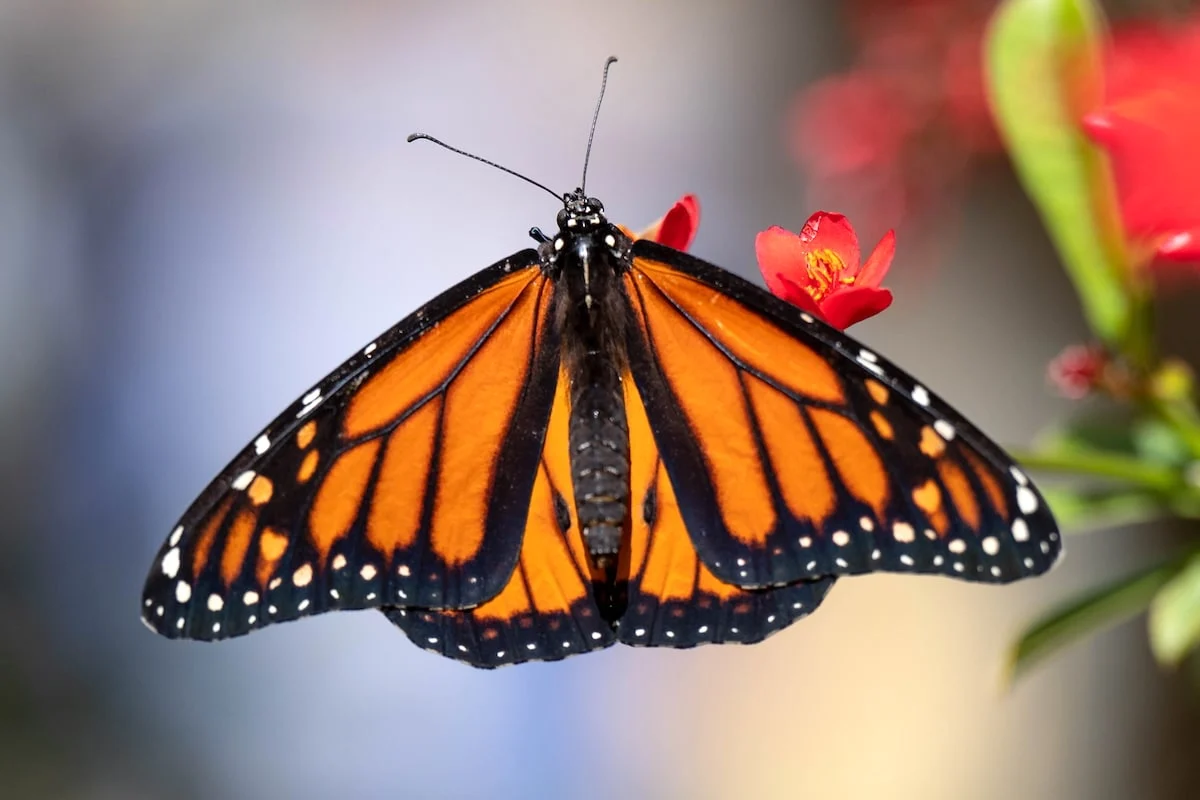
Los Angeles, California – [Insert Date] – A new, peer-reviewed study has provided compelling evidence linking pesticide exposure to the mass mortality of Western monarch butterflies observed in early 2024. The findings, published in the journal Environmental Toxicology and Chemistry, paint a grim picture for the already imperiled population, exacerbating concerns about their potential extinction.
In January of 2024, a disturbing discovery was made near the iconic Pacific Grove Monarch Sanctuary in California: hundreds of dead and dying monarch butterflies. This overwintering site, a vital haven for the Western monarch population, became a scene of ecological tragedy. Initial observations by researchers pointed towards a possible cause, with the butterflies exhibiting clear signs of neurotoxic pesticide poisoning. This prompted a detailed investigation, the results of which have now been rigorously analyzed and presented to the scientific community.
The study, conducted by a team of dedicated researchers, employed sophisticated analytical techniques, including liquid and gas chromatography coupled with mass spectrometry, to examine the deceased butterflies. The results were stark: a cocktail of 15 different insecticides, herbicides, and fungicides was detected on the specimens.
"We found an average of seven different pesticides per butterfly, including multiple insecticides that are highly toxic to insects," stated Staci Cibotti, lead author of the study and a pesticide risk prevention specialist at the Xerces Society for Invertebrate Conservation, in a press release. "Although a review by Monterey County could not determine the source of the chemicals, the high levels detected suggest that insecticides were likely responsible for the monarch deaths."
The research further revealed the presence of three specific human-made pyrethroid insecticides – bifenthrin, cypermethrin, and permethrin – at or near their lethal doses. Alarmingly, bifenthrin and cypermethrin were found in every single sample analyzed, while permethrin was present in all but two. These potent neurotoxins are known to disrupt the nervous systems of insects, leading to paralysis and death.
Western monarch butterflies undertake a remarkable migration each year, congregating in large numbers along the Pacific coast to overwinter. This inherent vulnerability, coupled with the widespread use of pesticides in nearby agricultural lands and urban areas, creates a perilous environment for these delicate creatures. "Western monarch butterflies overwinter along the Pacific coast, but they are vulnerable to pesticide residue and drift from nearby farms and urban areas," Cibotti explained.
A Precipitous Decline: The Grim Reality of Western Monarch Populations
The findings of this study arrive at a critical juncture for the Western monarch butterfly. Their populations have been in a steep and alarming decline for decades. The Xerces Society for Invertebrate Conservation’s annual Western Monarch Count has documented this devastating trend. In 2024, the population plummeted to the second-lowest number ever recorded. By the winter of 2025, the overwintering population had dwindled to a mere 9,119 individuals.
This represents a catastrophic loss, with the Western monarch butterfly population having declined by an estimated 95% since the 1980s. The International Union for Conservation of Nature (IUCN) has recognized the severity of this crisis by listing migratory monarch butterflies as endangered. The U.S. Fish and Wildlife Service has issued an even more dire warning, estimating that Western monarch butterflies face a staggering 99% chance of extinction by 2080.
Chronology of a Crisis: From Discovery to Scientific Scrutiny
The events leading to the current crisis can be traced back to the beginning of 2024.

- January 2024: Researchers investigating the Pacific Grove Monarch Sanctuary in California discovered a distressing scene: hundreds of dead and dying Western monarch butterflies. Initial observations suggested signs consistent with pesticide poisoning.
- Following the Discovery: An in-depth study was initiated to determine the cause of the mass mortality. Researchers collected samples from the deceased butterflies for detailed chemical analysis.
- [Insert Date of Study Publication]: The peer-reviewed study, published in the journal Environmental Toxicology and Chemistry, presented its findings, directly linking pesticide exposure to the die-off. The study detailed the presence of a significant number and concentration of various pesticides on the butterflies.
Supporting Data: A Chemical Assault on the Monarchs
The scientific evidence presented in the study is unequivocal. The comprehensive analysis of the deceased monarch butterflies revealed a complex web of chemical contamination:
- Average Pesticide Load: Each butterfly tested carried an average of seven different types of pesticides.
- High Toxicity Insecticides: The study identified multiple insecticides that are known to be highly toxic to insects.
- Lethal Levels of Pyrethroids: Three specific pyrethroid insecticides – bifenthrin, cypermethrin, and permethrin – were found at concentrations at or near their lethal doses for monarch butterflies.
- Bifenthrin and Cypermethrin: These were present in 100% of the analyzed samples.
- Permethrin: This insecticide was detected in all but two of the samples.
- Widespread Contamination: The presence of these chemicals across numerous specimens strongly suggests a widespread environmental contamination event.
This data underscores the devastating impact that even seemingly small amounts of these potent chemicals can have on a fragile insect population, especially when they are exposed in high concentrations during critical life stages.
Official Responses and Expert Recommendations: A Call for Urgent Intervention
The implications of this study extend far beyond the immediate tragedy at Pacific Grove. They highlight the pervasive threat of pesticides to monarch butterfly populations across their entire range. In response to the study’s findings, conservation organizations and experts are issuing urgent calls for action.
The Xerces Society for Invertebrate Conservation, a leading organization in pollinator conservation, has outlined a series of critical recommendations to safeguard monarch butterflies from the deadly effects of pesticides:
- Enhanced Public Education: Increasing awareness among the public, land managers, and agricultural professionals about the risks associated with pesticide use and promoting the adoption of safer alternatives.
- Establishment of Pesticide-Free Zones: Creating designated areas around monarch overwintering sites and migratory corridors where pesticide application is strictly prohibited. This would provide vital refuges for these vulnerable butterflies.
- Strengthened Protections in Conservation Plans: Incorporating robust pesticide exposure protections into all monarch butterfly conservation and recovery plans. This includes evaluating the impact of pesticides on all life stages of the monarch.
- Improved Coordination and Tracking: Public officials must enhance coordination and tracking of pesticide risks to ensure that potential threats are identified and mitigated proactively. This involves better monitoring of pesticide applications and their potential impact on sensitive ecosystems.
Emily May, co-author of the study and agricultural conservation lead at the Xerces Society, emphasized the dual nature of the solution: "Protecting monarchs from pesticides will require both public education and policy change. We are committed to working with communities and decision-makers to ensure that overwintering sites are healthy refuges for these butterflies."
In an update to the original reporting, Staci Cibotti further elaborated on the widespread nature of the threat: "Although this incident occurred in California, pesticide exposure is a widespread threat to monarchs across their range. These chemicals are commonly used not only in agriculture, but also across developed landscapes for structural pest control, home gardening, landscaping, turf management, mosquito abatement and more. Pesticides are even applied in some natural areas to manage things like forest pests and disease vectors. All of these uses can pose risks to monarchs and other pollinators."
Cibotti also highlighted the particular vulnerability of monarchs during their migratory and overwintering phases: "Another key takeaway from this incident is just how vulnerable monarchs are to these types of incidents during migration and overwintering. These are times when butterflies gather in large numbers, meaning even a single pesticide application has the potential to kill hundreds of individuals at once. This was seen not only in Pacific Grove in 2024, but also in a similar event in North Dakota in September 2020, when hundreds of monarchs were found dead following a mosquito control spray that occurred during their annual migration. Because migration and overwintering are particularly sensitive phases of the monarch’s migratory cycle, reducing pesticide exposure during these windows is critical. Not only to prevent immediate losses, but also to support the population’s ability to rebound in the spring and recover over the long term."
Implications for the Future: An Existential Threat to an Iconic Insect
The mass die-off of Western monarch butterflies in 2024, now directly linked to pesticide poisoning, serves as a stark warning. It underscores the interconnectedness of our ecosystems and the profound impact human activities can have on even the most resilient species. The potential extinction of the Western monarch butterfly would represent not only an ecological tragedy but also the loss of an iconic symbol of nature’s beauty and migratory wonder.
The scientific community, conservationists, and concerned citizens are now faced with a critical imperative: to implement effective strategies that reduce pesticide exposure and create a safer environment for these beleaguered insects. The future of the Western monarch butterfly hangs precariously in the balance, and the time for decisive action is now. The findings of this study provide the scientific basis and the urgent impetus for widespread policy changes and a fundamental shift in how we approach pest management in our landscapes. Without these interventions, the enchanting flight of the Western monarch may soon become a memory.


 Rifan Muazin
 Azzam Bilal Chamdy