




 Asep Darmawan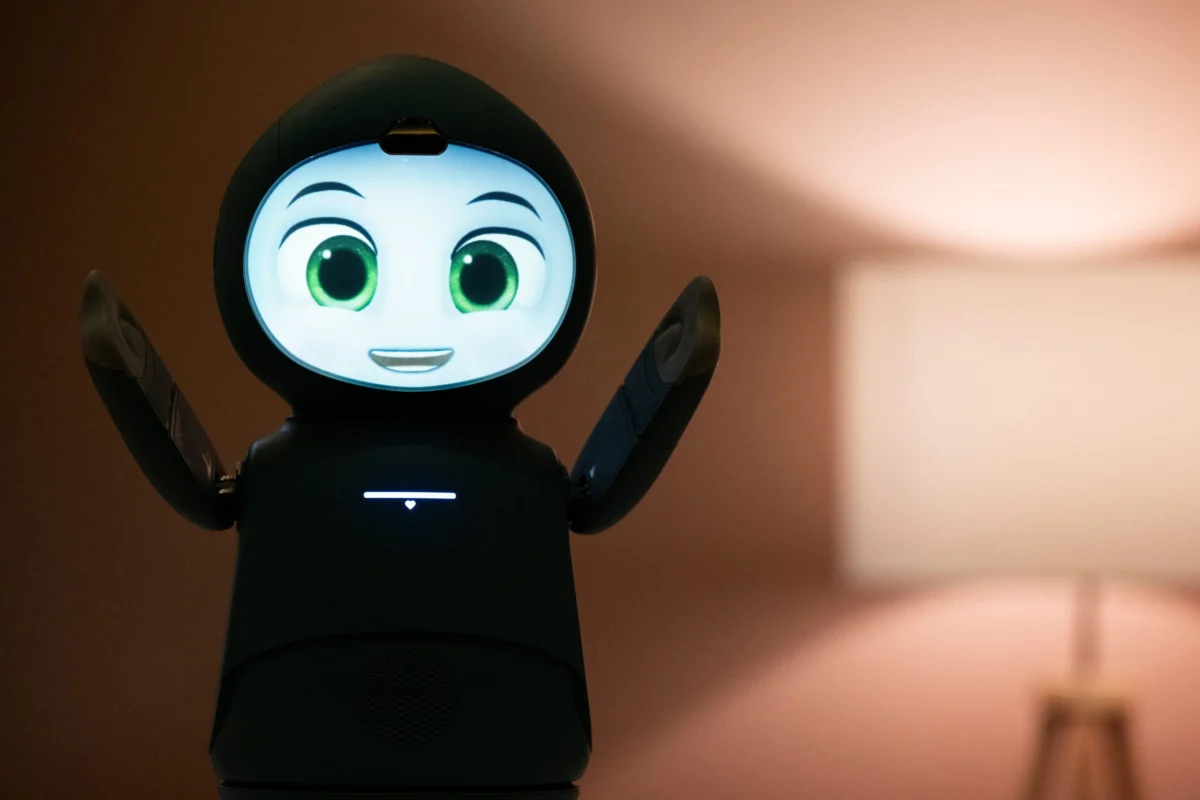
In the landscape of modern parenting, the line between helpful innovation and developmental interference is increasingly blurring. When Embodied, Inc. introduced "Moxie"—a 14-inch, teal-colored robot equipped with artificial intelligence—it was marketed as a revolutionary companion designed to bolster social and emotional learning in children. For four years, it succeeded, becoming a fixture in thousands of households. Then, in 2024, the company behind the $799 companion abruptly shuttered.
The aftermath was not merely a logistical headache for parents; it was a psychological crisis for children. Viral social media footage captured the raw grief of kids mourning the "death" of their digital best friend. For many, the shutdown was an abrupt introduction to the fragility of AI-driven emotional bonds. However, for experts like Dr. Dana Suskind, a professor of surgery and pediatrics at the University of Chicago, the incident was a clarion call. It highlighted a fundamental tension: as we rush to integrate artificial intelligence into the earliest stages of human life, are we inadvertently eroding the very "messy" human interactions that build a child’s brain?
The Rise and Fall of the AI Companion
The chronology of the Moxie phenomenon serves as a case study in the rapid adoption of AI in the domestic sphere. Launched in 2020, Moxie was designed to simulate empathy, engage in interactive games, and provide a judgment-free space for children to practice social cues. It was, in many ways, the ultimate "frictionless" interaction—an entity that was always available, always patient, and always programmed to respond positively.
When the company folded, the resulting emotional fallout revealed the depth of the attachment children had formed. The sight of children sobbing over a deactivating toy ignited a fierce debate about the ethics of "deceptive" AI in early childhood. While manufacturers argue that these tools provide companionship and educational support, critics point to the artificial nature of that companionship. When the machine turns off, the child is left to reconcile with the reality that their "best friend" was, in fact, a piece of consumer hardware—a realization that can be profoundly disorienting for a developing mind.
Data and the New Digital Reality
The integration of AI into childhood is no longer limited to high-end toys. According to a 2025 study by Common Sense Media, the reach of AI into the lives of children under eight is significant and growing.
Key Findings from the 2025 Common Sense Media Census:
- Academic Reliance: 29% of young children have already used AI tools to assist with schoolwork.
- Creative Engagement: 24% of children are utilizing AI to generate stories, artwork, and digital content.
- Direct Interaction: 10% of children aged 5 to 8 report having engaged in text-based or vocal conversations with chatbots.
Beyond these statistics, the infrastructure of the home is changing. Modern parents are increasingly using AI-driven apps to track infant respiration, analyze crying patterns, and automate parenting logistics. Simultaneously, the market is flooded with AI-embedded plush toys and dolls that act as persistent conversational partners. The ubiquity of these tools suggests that we are witnessing the first generation of "AI-raised" children, a demographic shift that remains largely unstudied in terms of long-term neurobiological outcomes.
The Neurobiology of "Human-Raised" Development
Dr. Suskind’s latest work, Human Raised: Nurturing Connection, Curiosity & Lifelong Learning in the Age of AI, serves as a bridge between developmental psychology and the digital age. Her core argument rests on decades of research regarding the architecture of the early childhood brain.
"In those early years, talk and interaction—true human interaction—is the instruction guide for the brain," Suskind explains. The development of a child’s prefrontal cortex, their capacity for empathy, and their ability to navigate complex social environments depend on "serve-and-return" interactions. This is the biological process where a child expresses a need or a thought, and a caregiver responds with emotional intelligence and nuance.
AI, by contrast, is fundamentally "deferential." It is programmed to please, to agree, and to provide the user with the most satisfying answer. It lacks the capacity for the "productive struggle" that happens when a child has to navigate a disagreement with a sibling, negotiate a rule with a parent, or cope with a teacher’s unexpected reaction. These moments of friction are not failures of interaction; they are the catalysts for cognitive and emotional growth.
The Implications: Why Friction Matters
The danger of AI, according to Suskind, is its "frictionless perfection." When a child interacts with an AI, they are not learning the hard-won skills of human compromise. They are learning how to manage a machine.
The Developmental Costs of Over-Reliance on AI:
- Stunted Conflict Resolution: Human relationships require compromise and the recognition of another person’s subjective reality. AI reinforces the child as the center of the experience.
- Diminished Curiosity: AI provides answers instantly. It removes the necessity for the "I don’t know" phase, which is vital for developing critical inquiry and deep research skills.
- Artificial Emotional Regulation: Relying on an AI to soothe a child or regulate their behavior prevents the child from developing their own internal mechanisms for processing big emotions.
- The Loss of Human Presence: The presence of an adult—someone who is fallible, tired, and complex—teaches a child about the human condition.
"AI use will not lead to critical thinking," Suskind notes. "It will not lead to the ability to deeply connect with other people. It will not lead to creativity and curiosity, because all of those experiences take human presence, messy interaction and productive struggles. AI is the antithesis of that."
A Nuanced Path Forward
It is a mistake, however, to label the anti-AI stance as "anti-technology." Suskind is clear that artificial intelligence has a place in the modern household and classroom, provided its role is subservient to human agency.
Promising applications include AI tools that can listen to a child read aloud—an activity that often causes anxiety when performed in front of human peers—or administrative tools that help parents manage the overwhelming cognitive load of school calendars and meal planning. By delegating the "frictionless" tasks to AI, parents may actually free up more time and mental bandwidth for the high-value, high-friction work of human connection.
The responsibility, therefore, lies with the adults. Educators, parents, and caregivers must be the gatekeepers, discerning the difference between a tool that assists human development and a tool that attempts to replace human presence.
Conclusion: The Choice Ahead
We have entered an era where the fundamental nature of child-rearing is being challenged by the promise of convenience. For the first time in human history, we are outsourcing the companionship and instruction of our children to algorithms.
"We’ve never ever questioned, ‘Are children raised by humans?’" Suskind remarks. "And now, with the age of AI and technology really seeping into all facets of our lives, the idea of children being human-raised, you can’t bank on that."
As we move forward, the lesson from the Moxie collapse is clear: machines can be programmed to mimic affection, but they cannot replace the messy, imperfect, and essential architecture of human relationship. The development of a child’s brain is an investment that requires the presence of another human being. In an age of synthetic intelligence, our most valuable asset remains our natural humanity. We must ensure that, in our rush to automate, we do not automate away the very experiences that make us human.


 Neng Nana
 Nana
Nana