



 Rifan Muazin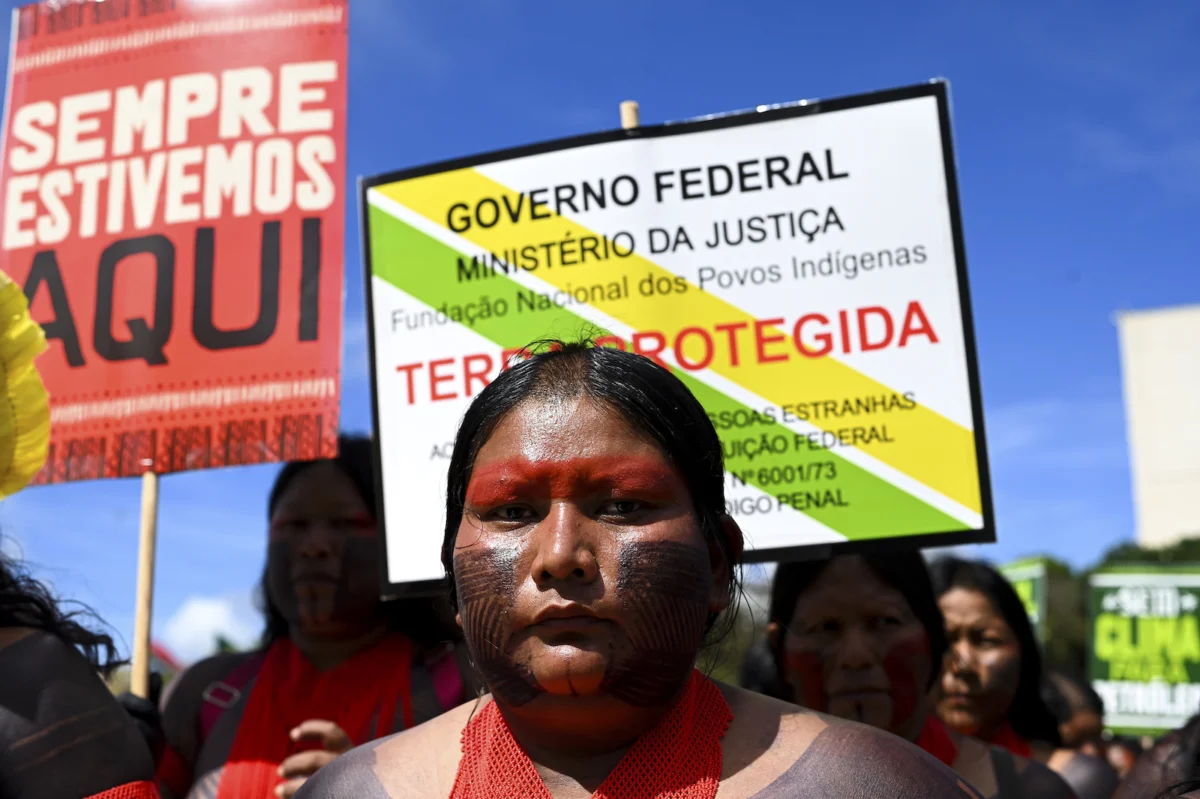
For decades, the global narrative surrounding the world’s most pristine forests and vibrant ecosystems has been framed by a persistent, romanticized myth: that these lands remain lush and biodiverse simply because they are remote, untouched by human hands, and shielded by the isolation of "wilderness." However, a groundbreaking body of research is dismantling this "pristine myth," revealing that the health of the planet’s most critical carbon sinks is not an accident of geography, but the direct result of millennia of active, intentional stewardship by Indigenous Peoples.
As the climate crisis accelerates, scientists and policymakers are increasingly looking toward Indigenous-managed lands as a gold standard for biodiversity conservation and carbon sequestration. Yet, as a new comprehensive study from Conservation International highlights, there remains a staggering disconnect between the recognition of Indigenous success and the provision of legal rights, financial resources, and political representation for the people behind that success. The research suggests that the global community’s failure to secure Indigenous land rights is not just a human rights issue—it is a strategic failure that undermines the very foundations of global climate mitigation.
Main Facts: Stewardship as a Climate Solution
The core finding of the recent research, led by Sushma Shrestha, an Indigenous Newar scientist from Nepal, is that Indigenous knowledge and community protocols are the primary drivers behind the environmental integrity of their territories. The study, published in Nature and accompanied by a detailed narrative report, argues that the "remoteness" of Indigenous lands is a secondary factor to the sophisticated management systems employed by local communities.
Indigenous-managed lands cover approximately one-quarter of the Earth’s land surface but intersect with about 40% of all terrestrial protected areas and ecologically intact landscapes. More importantly, these lands hold an estimated 80% of the world’s remaining biodiversity. The Conservation International study underscores that this is not a passive phenomenon. Through practices such as controlled burning, rotational harvesting, and the maintenance of sacred groves, Indigenous Peoples have created resilient ecosystems that absorb vast quantities of atmospheric carbon.
However, the study also highlights a grim reality: despite their outsized contribution to the planet’s health, Indigenous communities are being left to fight the climate crisis on two fronts with almost no institutional support. On one side, they are experiencing the direct, devastating impacts of a warming world—droughts, floods, and shifting seasons. On the other, they are facing an onslaught of extractive industries, including mining, logging, and industrial agriculture, which threaten to dismantle the very stewardship practices that have protected these lands for generations.
Chronology: From Marginalization to Belated Recognition
The journey toward recognizing Indigenous Peoples as central actors in climate policy has been long and fraught with exclusion. For much of the late 20th century, the "fortress conservation" model dominated international policy. This approach viewed humans as inherently destructive to nature and often led to the forced displacement of Indigenous Peoples from their ancestral lands in the name of creating "protected" national parks.
By the early 2000s, the discourse began to shift as satellite data and ecological surveys consistently showed that Indigenous-managed territories often had lower deforestation rates than government-run protected areas. This realization led to the emergence of the "Rights-Based Conservation" movement. Despite this, the 2015 Paris Agreement and subsequent COP (Conference of the Parties) summits have been criticized for offering Indigenous leaders a "seat at the table" that is often more symbolic than substantive.
In the last five years, the urgency has reached a breaking point. The 2022 Kunming-Montreal Global Biodiversity Framework set a goal to protect 30% of the planet’s land and oceans by 2030 (the "30 by 30" goal). This has brought the role of Indigenous Peoples to the forefront of the international agenda. The Conservation International study arrives at this critical juncture, providing the empirical evidence needed to move from rhetorical praise to policy-driven action. It marks a transition from viewing Indigenous Peoples as "vulnerable victims" to recognizing them as "essential experts" whose traditional knowledge is a sophisticated science in its own right.
Supporting Data: The Evidence of Indigenous Efficacy
The research conducted by Shrestha and her team involved in-depth interviews with 49 Indigenous leaders representing 43 distinct communities across six continents. The geographical diversity of the study—ranging from the dense Amazon rainforest and the savannas of East Africa to the remote islands of the Pacific—allowed researchers to identify universal themes in stewardship.
The Threat Landscape
The data reveals a community under siege. Every single one of the 43 surveyed communities reported experiencing adverse climate impacts, with drought and extreme weather topping the list. Furthermore:
- 61% of respondents cited extractive industries (mining, logging, and commercial agriculture) as a primary threat to their territory.
- More than half of the communities are currently battling incursions from outsiders who do not respect traditional protocols.
The Stewardship Toolkit
The study quantified how traditional practices translate into environmental protection.
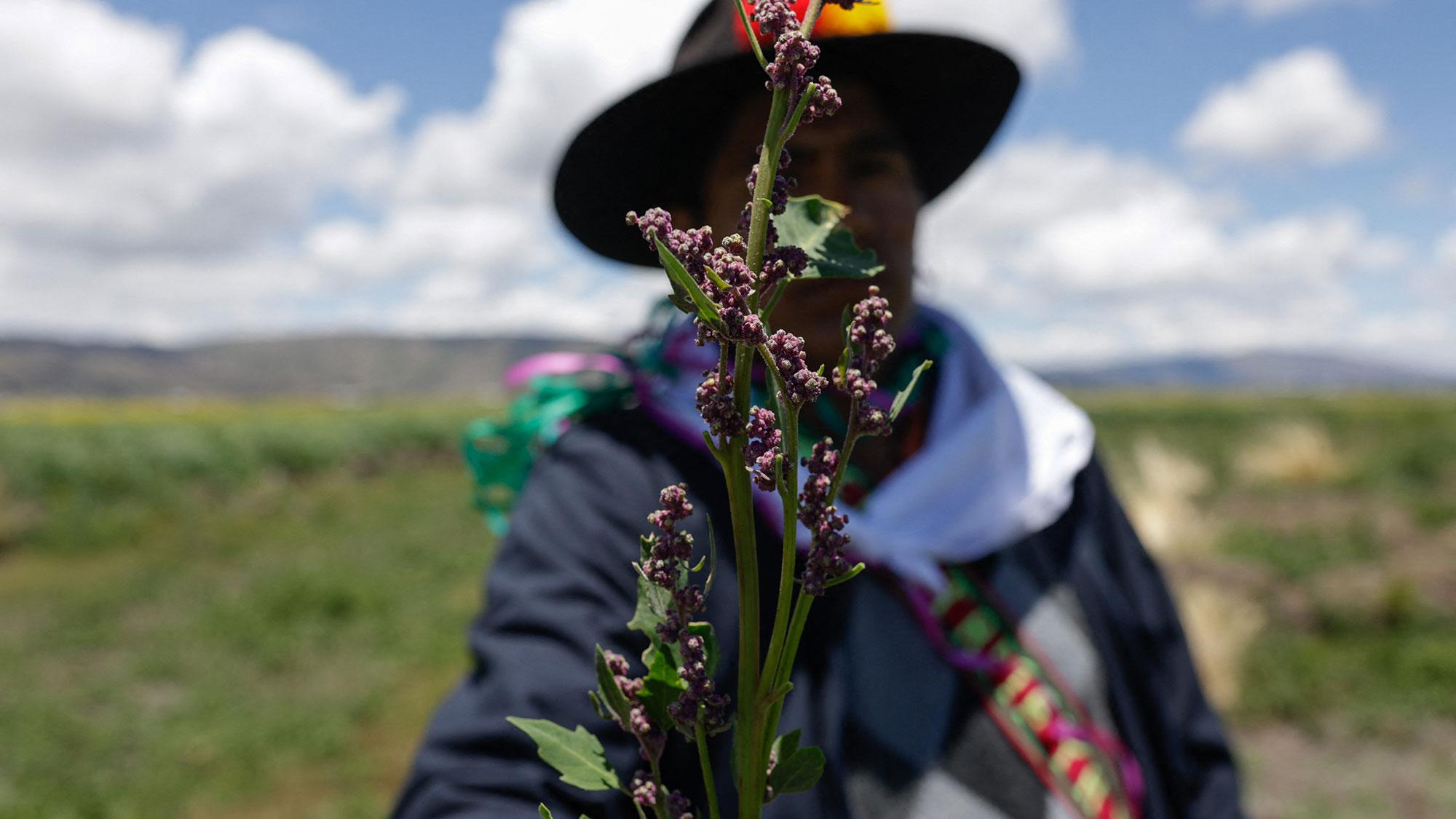
- 96% of respondents reported having land set aside for "special uses," such as spiritual or cultural practices. These "sacred spaces" act as de facto high-protection zones where hunting, fishing, or harvesting are strictly limited, allowing ecosystems to regenerate.
- Community Monitoring: A majority of the communities use "community patrols" or traditional monitoring systems to detect early signs of fire, illegal logging, or changes in wildlife populations.
- Resource Management: Specific examples cited in the research include the Kichwa people of Ecuador, who strictly limit the hunting of female tapirs to ensure population stability, and the Tacana people of Bolivia, who prohibit tree clearing along riverbanks to prevent erosion and preserve water quality.
The report argues that these practices are not merely "traditions"; they are evidence-based management strategies refined over millennia. When these practices are supported by legal land tenure, the environmental outcomes consistently outperform those of state-managed lands.
Official Responses: A Call for Rights and Resources
The release of the report has elicited strong responses from Indigenous advocates and international climate experts. Hindou Oumarou Ibrahim, an Indigenous Mbororo woman from Chad and a former chair of the United Nations Permanent Forum on Indigenous Issues, provided a powerful forward to the report. She emphasized that traditional knowledge cannot be extracted or utilized in isolation from the people who hold it.
"Indigenous Peoples’ Knowledge cannot exist without Indigenous Peoples or without the ecosystems where we live," Ibrahim wrote. She argued that the international community’s fascination with "Indigenous solutions" is hypocritical if it does not come with the legal recognition of land rights. "To protect our knowledge, there is an urgent need to recognize us, and our rights and lands must be secured."
Sushma Shrestha echoed these sentiments, noting that the global community is essentially "free-riding" on the labor and risks taken by Indigenous Peoples. "All of humanity relies on everything that Indigenous peoples have to contribute and offer in terms of their lands, in terms of carbon storage, in terms of biodiversity conservation," Shrestha stated. She called for a massive shift in how climate finance is distributed. Currently, less than 1% of global climate resilience funding reaches Indigenous-led organizations directly. Shrestha and other leaders are demanding that this funding be unlocked to provide legal aid, community-led monitoring technology, and economic alternatives to extractive industries.
Implications: The Path Forward for Global Policy
The implications of this research are profound for the future of climate policy. If the goal of the international community is to limit global warming to 1.5 degrees Celsius, the protection of Indigenous lands is not optional—it is a physical necessity. The carbon sequestered in Indigenous territories is so vast that its release, caused by deforestation or land degradation, would render most other climate targets unachievable.
1. Legal Recognition as Climate Mitigation
The study suggests that the most effective climate policy a nation can enact is the formalization of Indigenous land titles. When communities have legal security, they are empowered to resist the incursions of illegal loggers and miners. This "legal shield" is a low-cost, high-impact tool for carbon preservation.
2. Redefining Conservation
The findings challenge the "30 by 30" movement to move away from state-run parks and toward "Indigenous-led conservation areas." This shift would require international bodies like the UN and the IUCN to recognize Indigenous governance as a valid and superior form of environmental management.
3. Direct Financing
There is an urgent need for "direct-to-community" funding mechanisms. By bypassing central governments—which are often the same entities granting mining concessions on Indigenous lands—the international community can ensure that resources reach the frontline defenders of the forest.
4. Knowledge Integration
Finally, the research calls for a humble approach from Western science. Integrating Indigenous knowledge into climate models and adaptation strategies requires a partnership of equals, not a colonial extraction of "data points."
As Sushma Shrestha concluded, the window of opportunity is closing, and the stakes could not be higher. "It’s a time where all hands need to be on deck," she said. "Collectively, actions need to be taken, and Indigenous peoples have been doing this on their own for a very long time." The message from the forests and savannas of the world is clear: to save the planet, we must first secure the rights of its most effective guardians.


 Azzam Bilal Chamdy
 Asro
Asro