

 Ali Ikhwan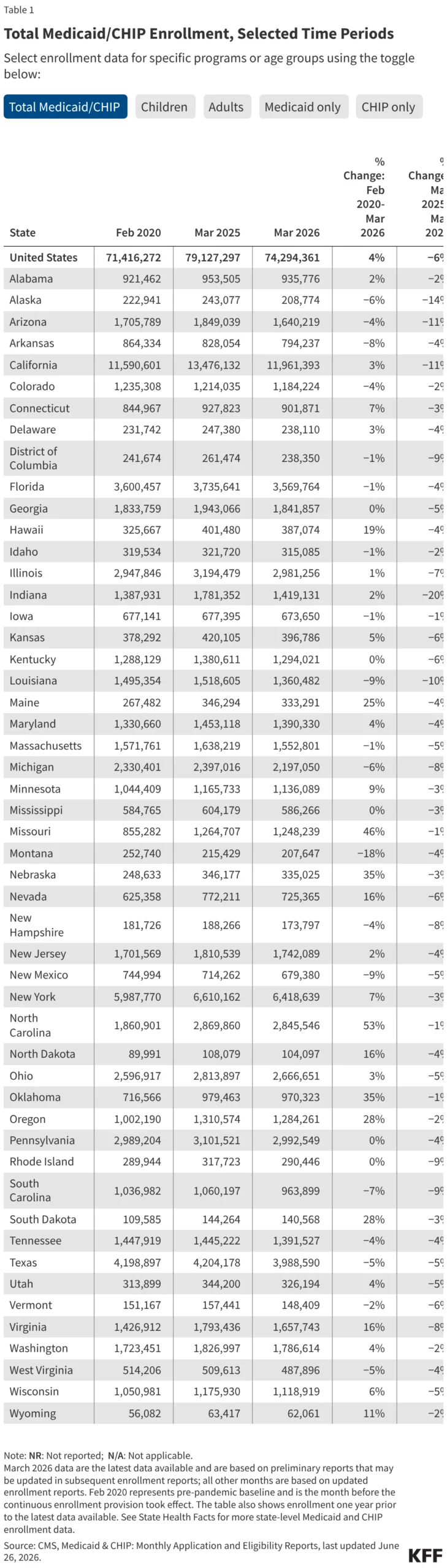
As of March 2026, the American public health safety net finds itself at a critical crossroads. Following an unprecedented period of expansion, stabilization, and subsequent contraction, the national Medicaid and Children’s Health Insurance Program (CHIP) landscape is undergoing a fundamental restructuring. Driven by the conclusion of pandemic-era protections and the enactment of rigorous new federal mandates, the program is bracing for a decade of significant shifts in coverage and eligibility.
Main Facts: The Current State of Enrollment
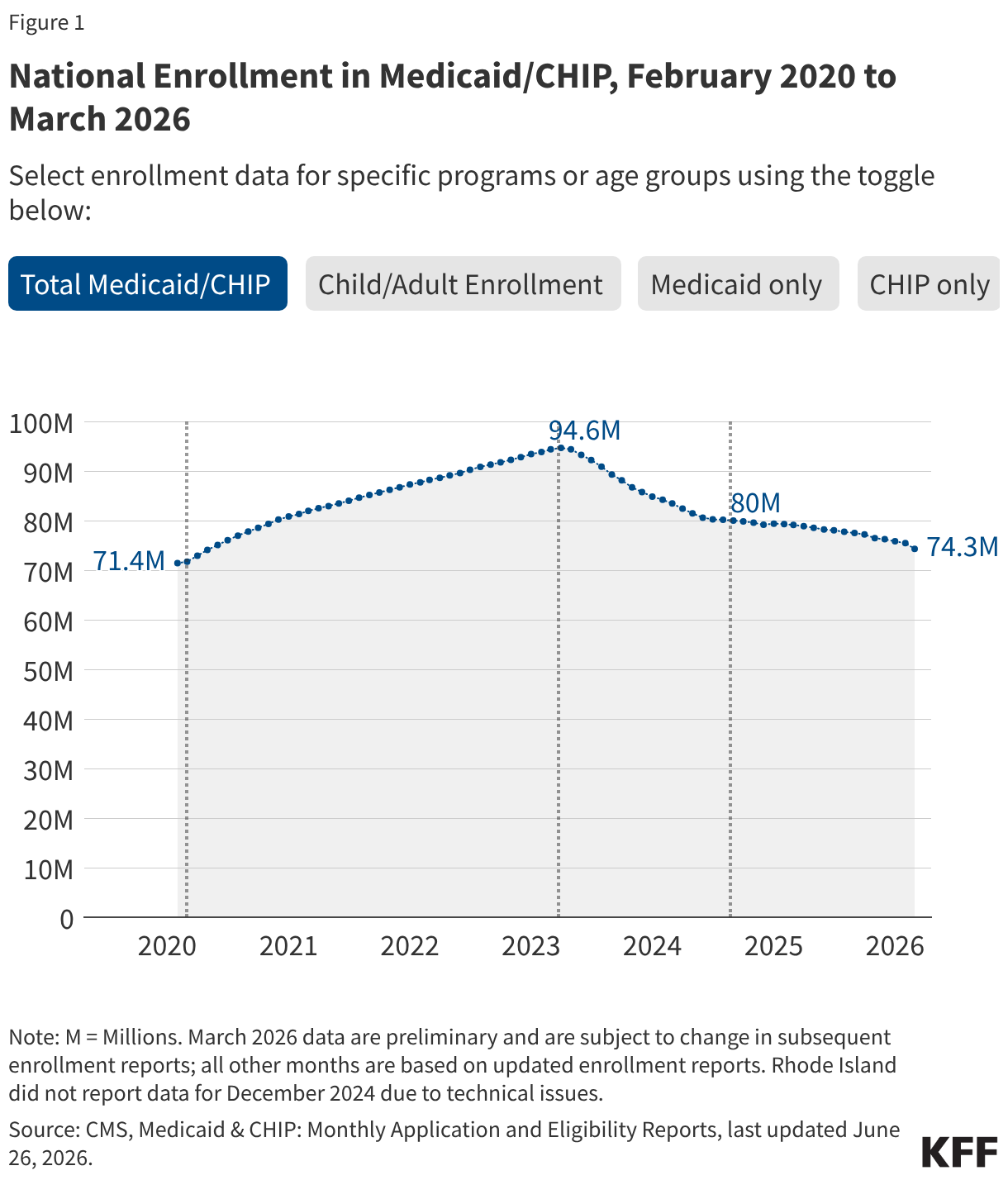
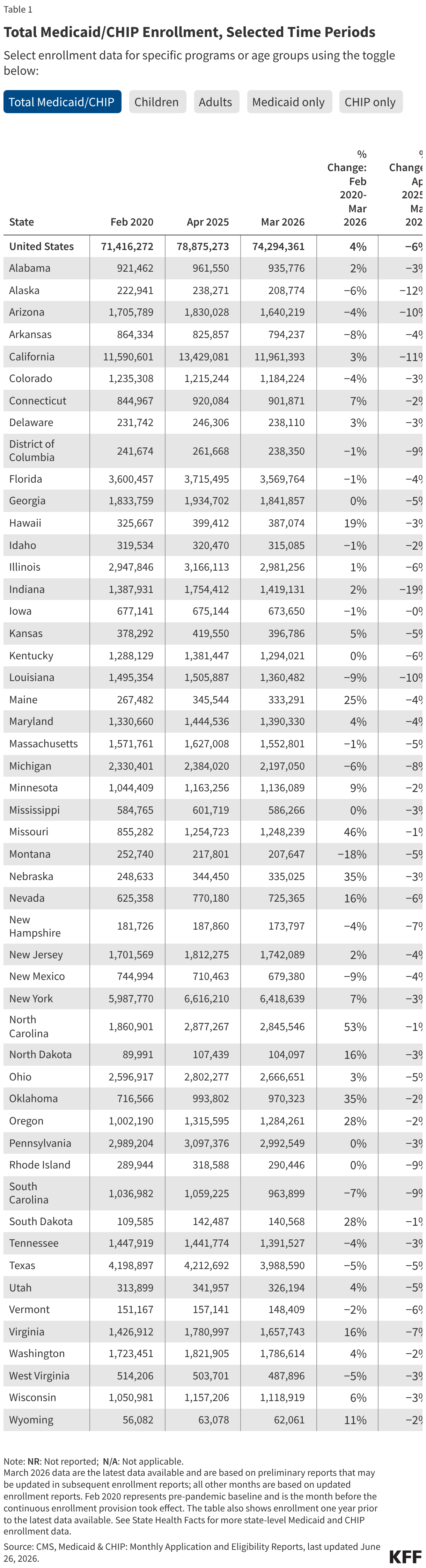
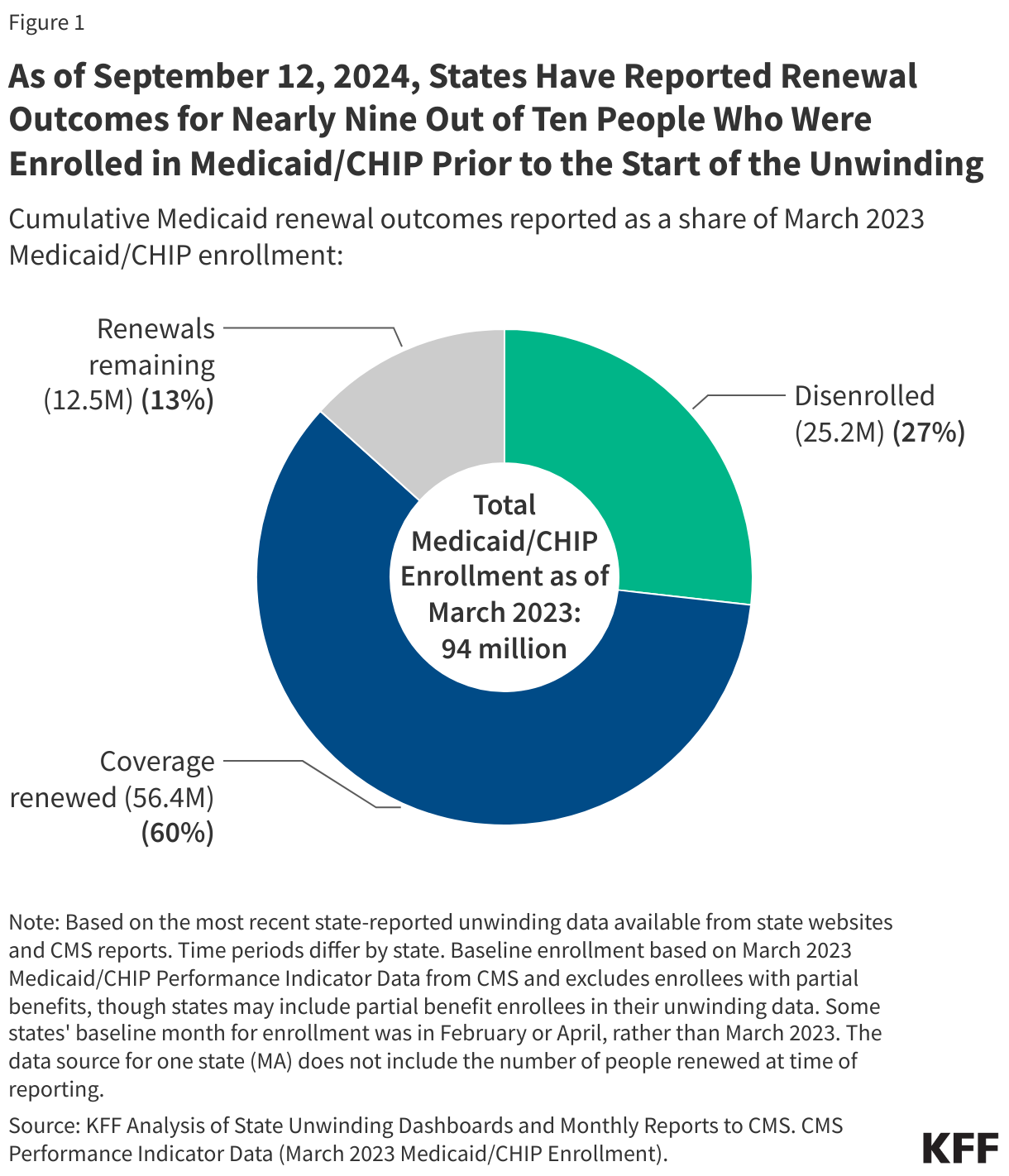
The latest data from the Centers for Medicare & Medicaid Services (CMS) reveals a landscape defined by volatility. After reaching a historic peak of 94 million enrollees in March 2023—a surge fueled by the "continuous enrollment" provision enacted during the COVID-19 public health emergency—the rolls have contracted sharply.

As of September 2024, national enrollment had fallen to 80 million, and recent data from early 2026 indicates that this downward trend has resumed following a brief period of stabilization. It is essential to note that these figures, while illustrative of national trends, represent only "full-benefit" enrollees. They exclude individuals receiving limited services, such as those strictly for family planning, meaning the actual number of Americans interacting with the Medicaid system remains higher than the headline figures suggest.
Chronology: From Pandemic Expansion to 2026 Contraction
To understand the current enrollment decline, one must view it through the lens of legislative history over the past decade.
The ACA Era (2014–2019)
Following the Affordable Care Act’s (ACA) Medicaid expansion in 2014, the program saw a massive influx of adults with incomes up to 138% of the federal poverty level (FPL). Enrollment climbed steadily, hitting a pre-pandemic peak of 75 million in March 2017. As states adjusted to the new landscape, enrollment entered a gradual decline, dropping to 71 million by February 2020.
The Pandemic Surge (2020–2023)
The onset of the COVID-19 pandemic triggered a swift legislative response. Congress mandated that states keep Medicaid enrollees covered continuously in exchange for enhanced federal funding. This "continuous enrollment" provision successfully prevented mass disenrollments during the most uncertain months of the health crisis, pushing enrollment to an all-time high of 94 million by the time the provision was sunset in March 2023.
The "Unwinding" (2023–2024)
Beginning April 1, 2023, states were tasked with the "unwinding"—a massive administrative effort to re-verify the eligibility of every Medicaid and CHIP enrollee. Over the next 16 months, the system processed tens of millions of cases. By September 2024, the majority of states had completed this process, resulting in the disenrollment of millions.
The New Legislative Era (2025–2026)
The passage of the 2025 federal budget reconciliation law marks the most recent chapter. This legislation introduced structural changes that are expected to dampen enrollment numbers for the next ten years. With new work requirements looming and tightened eligibility for specific immigrant populations, the trajectory of the program has shifted from one of expansion to one of targeted restriction.
Supporting Data: Dissecting the "Unwinding"
The process of disenrolling millions of Americans during the 2023–2024 unwinding period revealed significant systemic vulnerabilities. According to data finalized in September 2024, nearly nine out of ten individuals who were enrolled prior to the unwinding had their status resolved.
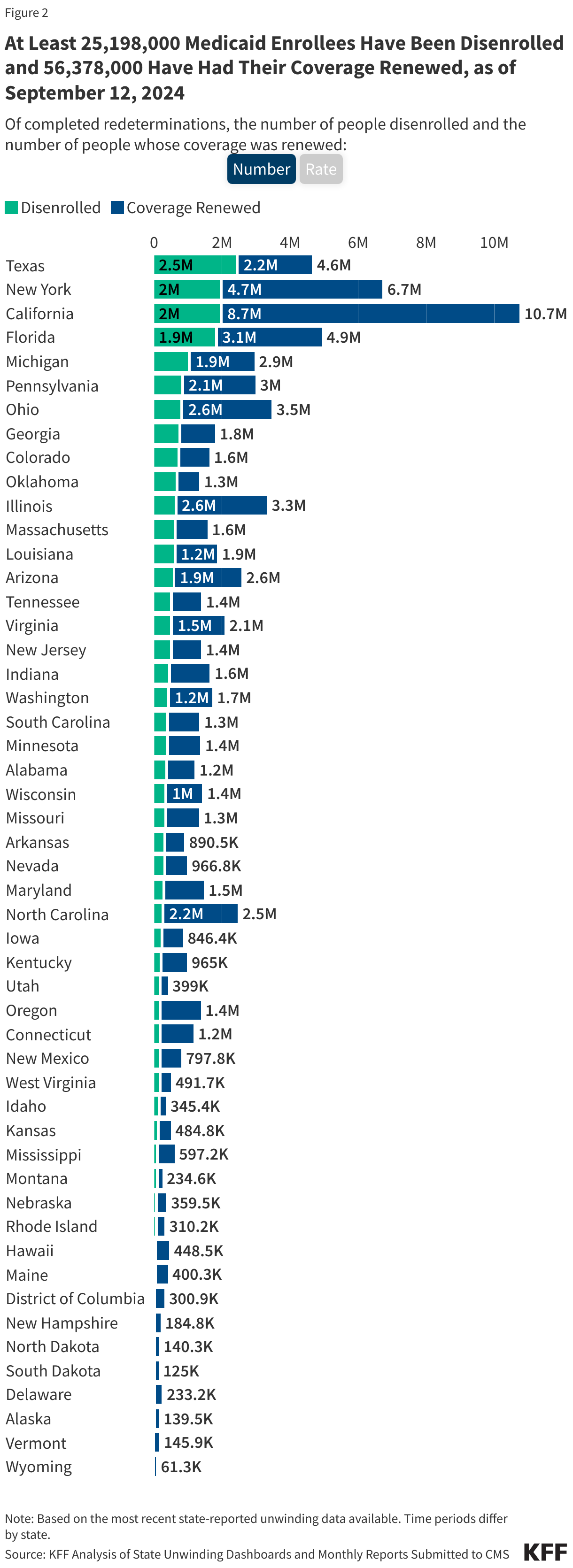
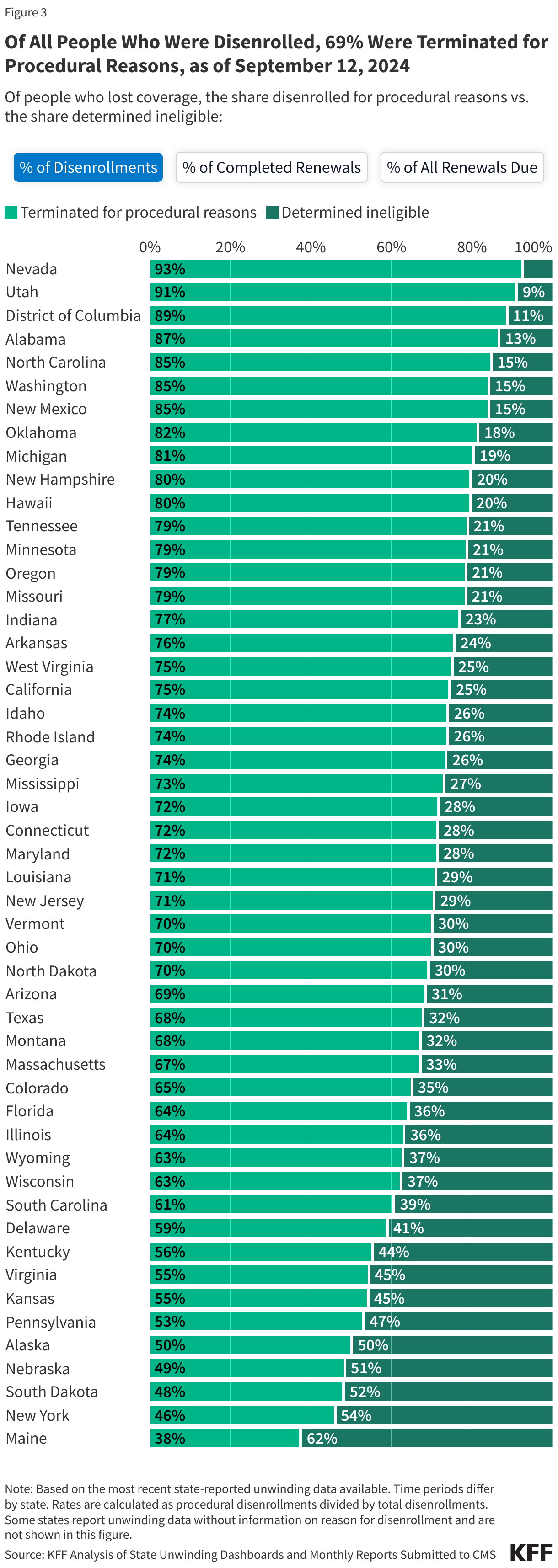
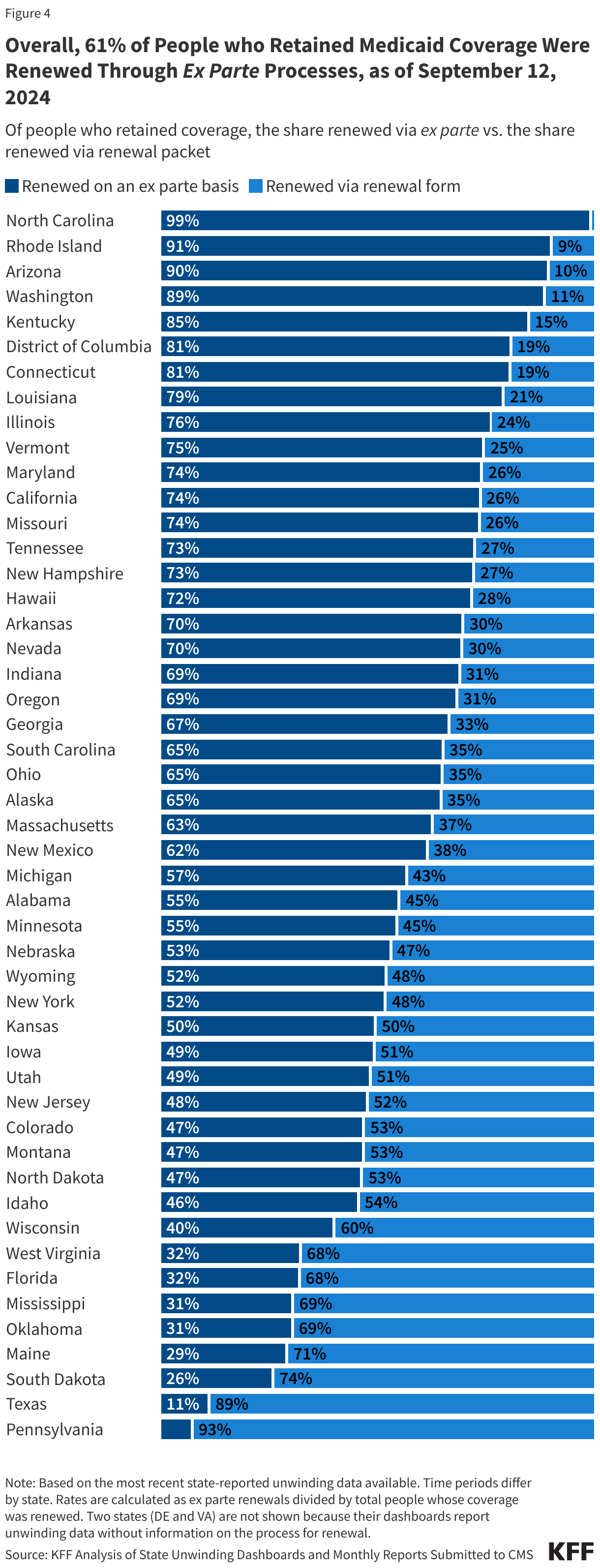
However, the nature of these disenrollments sparked intense debate among policy experts. Of the more than 25 million people disenrolled by late 2024, a staggering 69% were removed for "procedural reasons." This indicates that these individuals did not necessarily lose eligibility; rather, they failed to navigate the complex administrative renewal process, often due to missed notices, language barriers, or bureaucratic delays. Conversely, 56 million people successfully renewed their coverage, with 61% of these renewals completed through ex parte processes—automated systems that verify eligibility without requiring the enrollee to take action.
Official Responses and Policy Implications
The implementation of the 2025 reconciliation law has drawn both praise from fiscal conservatives and intense criticism from health equity advocates.
The Impact of Work Requirements
The most controversial element of the 2025 law is the requirement that Medicaid expansion enrollees meet specific work and reporting mandates. Set to go into effect in January 2027—though states have the option to trigger them sooner—these requirements are widely projected to be the primary driver of enrollment decline in the coming decade. Proponents argue that these mandates encourage workforce participation and move enrollees toward private insurance. Critics, however, argue that such requirements create "red tape" that disproportionately harms low-income workers in volatile job markets, often leading to coverage gaps for the most vulnerable.
Restrictions on Immigrant Eligibility
Starting in October 2026, the law further restricts eligibility for certain immigrant populations. This shift reflects a broader federal effort to limit the scope of taxpayer-funded health benefits. Healthcare policy analysts at organizations like KFF have noted that these restrictions are likely to exacerbate existing disparities in health outcomes, as immigrant populations frequently face significant barriers to accessing alternative private or employer-sponsored coverage.
Administrative Strain on States
State Medicaid agencies, which were already exhausted by the 16-month unwinding process, now face the daunting task of implementing these new federal requirements. The need for updated IT systems, expanded outreach teams, and complex eligibility verification software places an immense administrative burden on states. The federal government’s role in providing guidance will be critical, yet many states have already expressed concerns about the timeline for implementation.
Implications for the Future of Public Health
The long-term implications of these policy changes are profound. If the 2025 law achieves its stated goal of reducing enrollment, the state-level fiscal impact may be mitigated in the short term, but the public health impact remains to be seen.
- Increased Uninsured Rates: With millions being disenrolled—many for procedural reasons—there is a significant risk that a portion of the population will remain uninsured, potentially leading to delayed care, increased emergency room utilization, and worse long-term health outcomes.
- Shift to Alternative Markets: For those who lose Medicaid eligibility due to the new work requirements or immigrant restrictions, the challenge will be transitioning to the ACA Marketplace. However, for many low-income families, the cost of premiums and deductibles remains a prohibitive barrier.
- Data Transparency and Monitoring: As the program moves into 2027, the reliance on accurate data will be more critical than ever. The Performance Indicator Project by CMS will continue to be the primary tool for tracking these shifts. However, as the law mandates more granular reporting on work status, the complexity of these datasets will increase, requiring researchers and policymakers to be more vigilant in their analysis.
Conclusion: A System in Flux
The Medicaid and CHIP programs, once symbols of federal commitment to universal health coverage, are currently entering a period of deliberate contraction. The transition from a "continuous enrollment" model to one defined by work requirements and stricter eligibility thresholds marks a pivot in American social policy.
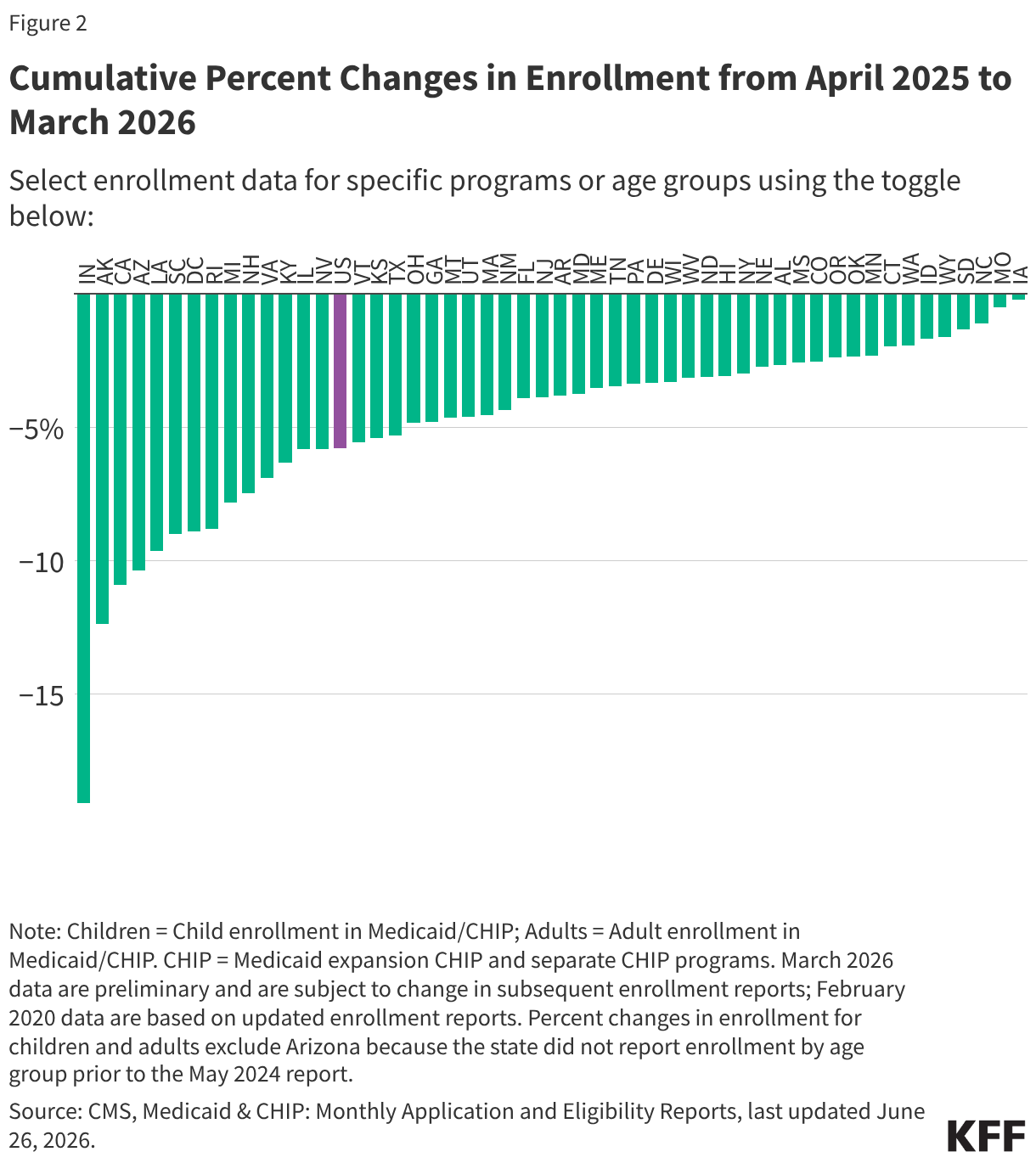
As of March 2026, the enrollment numbers confirm that the era of pandemic-level coverage is firmly in the past. Whether the coming changes to work and reporting requirements will lead to a more efficient program or merely increase the number of uninsured Americans remains the central question for the remainder of the decade. For now, states, healthcare providers, and the millions of Americans reliant on these programs are bracing for a landscape that is increasingly difficult to navigate and significantly more restrictive than it has been in years.
For those seeking to monitor these developments, ongoing reports from the Centers for Medicare & Medicaid Services and independent analyses from health policy research organizations will remain essential resources in tracking the evolving status of the nation’s health safety net.


 Reynand Wu
 Rifan Muazin