


 Rifan Muazin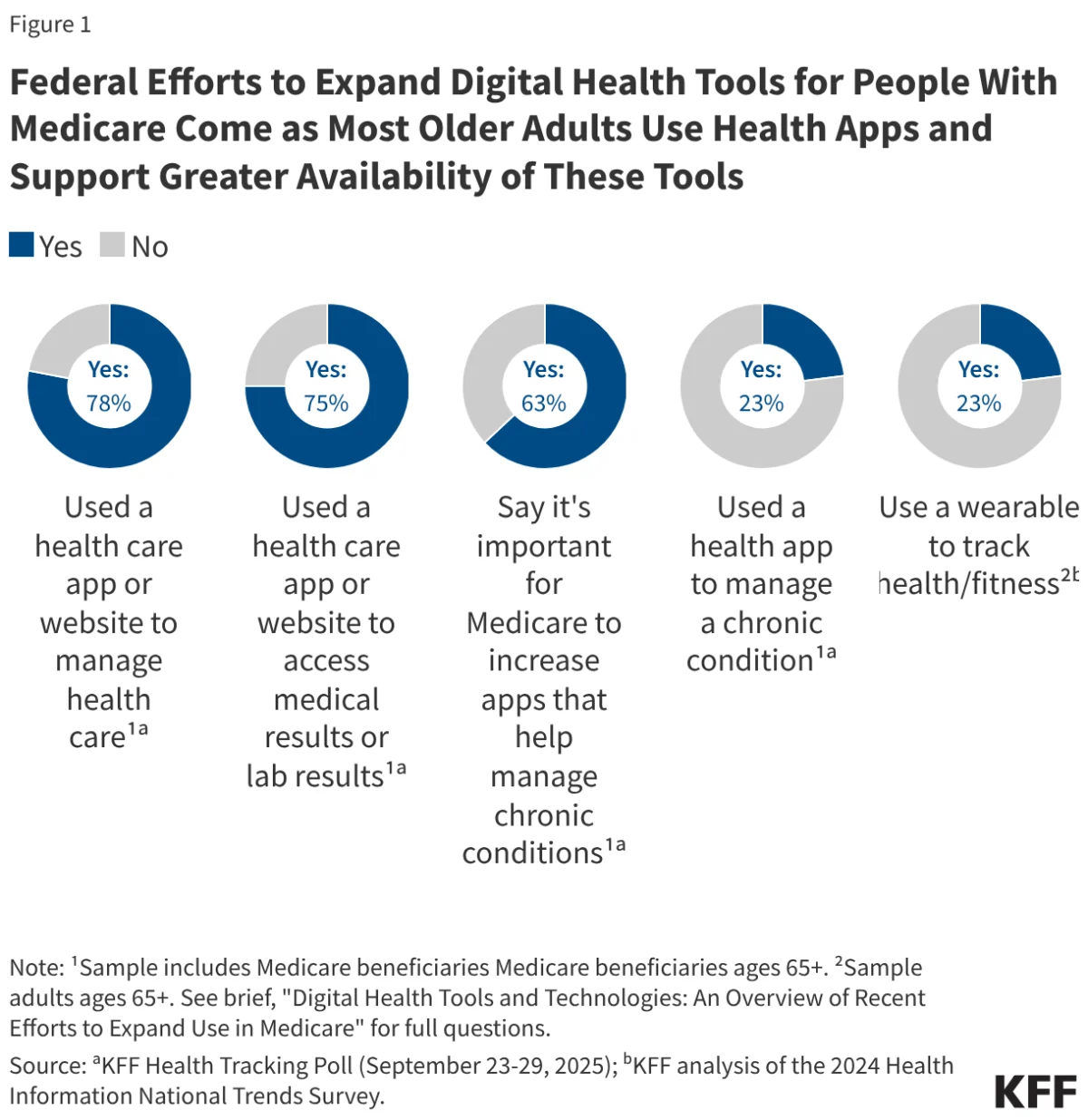
The landscape of American healthcare is undergoing a seismic shift, driven by a demographic imperative and a technological revolution. As the Medicare-eligible population continues to grow, the Centers for Medicare & Medicaid Services (CMS) is aggressively pivoting toward a digital-first strategy. By integrating health-related applications, wearable technology, and AI-driven decision-making tools into the bedrock of the Medicare program, federal regulators are attempting to bridge the gap between traditional clinical care and the modern digital health ecosystem.
This transformation is not merely an administrative update; it represents a fundamental change in how the federal government interacts with beneficiaries, moving away from passive coverage toward active, technology-enabled health management.
Main Facts: The Pillars of CMS’s Digital Strategy
The current CMS strategy rests on three primary initiatives launched between 2025 and 2026, all designed to increase the "digital literacy" and health outcomes of Medicare beneficiaries.
- The Health Tech Ecosystem: Launched in 2025, this initiative creates a standardized framework for private-sector organizations—including health app developers and electronic health record (EHR) vendors—to ensure their tools are interoperable and secure.
- The Medicare App Library: Debuting in April 2026, this digital repository serves as a "walled garden" for beneficiaries. It provides access to third-party health applications that have passed rigorous, independent reviews regarding privacy, security, and clinical efficacy.
- The ACCESS Model: Scheduled to commence in July 2026, this 10-year payment model incentivizes healthcare providers to incorporate digital tools into the treatment of chronic conditions, shifting the financial focus toward measurable health outcomes rather than just the volume of services provided.
Chronology: A Roadmap of Recent Developments
The rapid rollout of these tools reflects a concerted effort by CMS to catch up with the high adoption rates of digital tools among older adults.
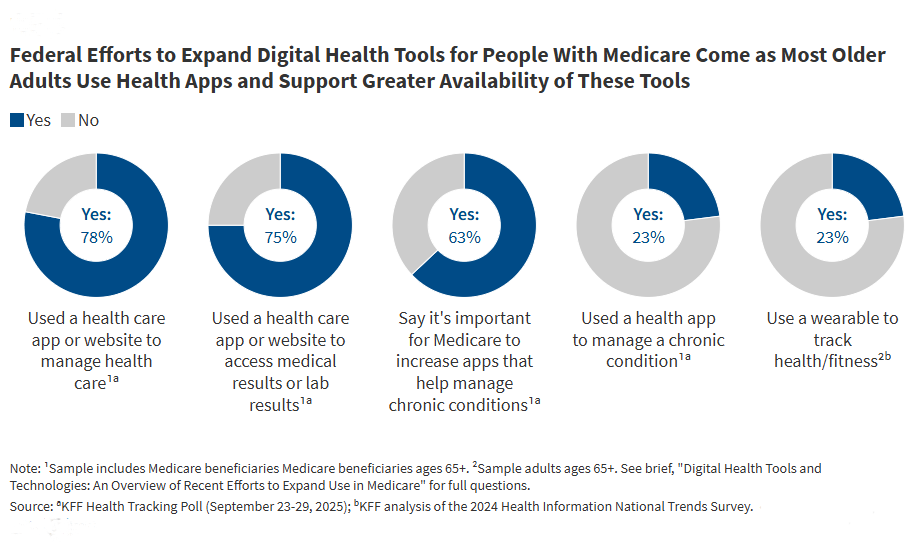
- September 2025: KFF Tracking Polls reveal that 78% of Medicare beneficiaries have utilized a health app or website within the past year, signaling a widespread, latent readiness for more formal integration of these tools into their care.
- December 2025: The CMS Innovation Center formally announces the ACCESS Model, setting the stage for a decade-long experiment in technology-supported chronic care.
- April 2026: The official Medicare App Library goes live, providing a curated list of vetted, patient-facing applications.
- June 2026: The library reaches its initial milestone with five active apps and eight in the final stages of onboarding, featuring a search tool that allows users to filter by condition, cost, and device compatibility.
- July 2026 (Forthcoming): The official launch of the ACCESS Model, accompanied by a public directory allowing beneficiaries to identify participating organizations and the specific health conditions they are equipped to manage.
- 2028 and Beyond: CMS plans to integrate risk-adjusted outcome measures into the ACCESS directory, allowing for a more granular assessment of which digital interventions are actually improving patient health.
Supporting Data: The Patient Reality
While CMS is building the infrastructure, the success of these initiatives depends entirely on the willingness and ability of Medicare beneficiaries to adopt them. Data from the 2025 KFF Health Tracking Polls provides a nuanced view of the current landscape.
The Usage Gap
While nearly eight in ten beneficiaries use digital health tools, their application is often superficial. The most common use case remains checking lab results or medical records. In contrast, only 23% of older adults report using a health app to manage a chronic condition in partnership with their provider. This suggests a significant opportunity for the ACCESS Model to normalize the "clinical" use of apps, moving them from peripheral tools to central components of disease management.
The Wearable Divide
The adoption of wearable technology—such as smartwatches or fitness trackers—remains lower than that of general health apps. Only 23% of adults aged 65 and older utilized a wearable device in 2024. However, the data reveals a high "willingness-to-share" rate: 85% of those who do use wearables are prepared to transmit that data to their physicians. This indicates that the barrier is not necessarily a lack of trust, but a lack of systemic integration.
The Medicare Plan Finder Challenge
CMS’s efforts to improve the Medicare Plan Finder are timely, yet they face a significant hurdle: inertia. With 53% of beneficiaries having never visited the Medicare website and fewer than 30% comparing coverage options during open enrollment, the new "AI-powered" prescription drug search tool will need to overcome substantial user-experience barriers to be effective.
Official Responses and Strategic Rationale
CMS leadership has framed these initiatives as a response to the "digitalization" of modern life. By creating a standardized ecosystem, CMS is effectively acting as a quality-control gatekeeper.
"Our goal is to ensure that when a Medicare beneficiary opens an app to track their blood pressure or glucose levels, they aren’t just using a generic consumer tool, but a piece of technology that is secure, private, and connected to their broader care plan," a CMS spokesperson noted during the announcement of the Health Tech Ecosystem.
The ACCESS Model, in particular, addresses the fragmented nature of current digital health offerings. By paying providers for achieving health outcomes—such as maintaining a specific blood pressure range—CMS is incentivizing the use of technology that actually works. The inclusion of 190 organizations in the first cohort, many of whom are new to the Medicare ecosystem, demonstrates a strong private-sector appetite for this transition.
Implications: The Future of Medicare
The implications of this digital shift are profound, impacting patients, providers, and the long-term solvency of the Medicare program.
For Beneficiaries: A Personalized Experience
The promise of the new, AI-driven drug search tool and the curated App Library is a more personalized healthcare experience. By allowing users to compare costs and features, CMS is attempting to empower the "consumer-patient." However, the risk remains that the "digital divide"—where lower-income or less tech-savvy seniors are left behind—could exacerbate existing health disparities.
For Providers: A Shift in Accountability
Providers participating in the ACCESS Model are entering a new paradigm of accountability. When compensation is tied to clinical outcomes, the burden is on the physician and their digital health partners to ensure that the patient is not only using the device but interpreting the data correctly. This will likely necessitate a surge in demand for "digital health navigators" or nurse educators who can bridge the technical gap between the patient and the data.
For the Medicare Advantage Market
While the ACCESS Model is currently limited to traditional Medicare, the pledge by 16 major insurers to adopt similar standards indicates that Medicare Advantage (MA) plans are preparing to follow suit. With 95% of MA enrollees already in plans offering fitness benefits, the transition to clinical-grade digital health management is a natural evolution. The challenge for researchers and regulators will be transparency; as these private plans integrate more technology, ensuring that the data regarding their performance is accessible will be crucial for maintaining a competitive, high-quality market.
Concluding Thoughts
The modernization of Medicare is not without its risks. The success of these programs relies on sustained user engagement, the security of sensitive health data, and the ability of the federal government to scale these initiatives across a massive, diverse population. Yet, as the data indicates, the era of the "Luddite" senior is largely a myth; older adults are increasingly ready to engage with technology. The challenge for the coming decade will be moving beyond simple adoption toward meaningful, outcomes-based utilization that fundamentally improves the quality of life for millions of Americans.


 Reynand Wu
 Laily UPN