


 Nana
Nana
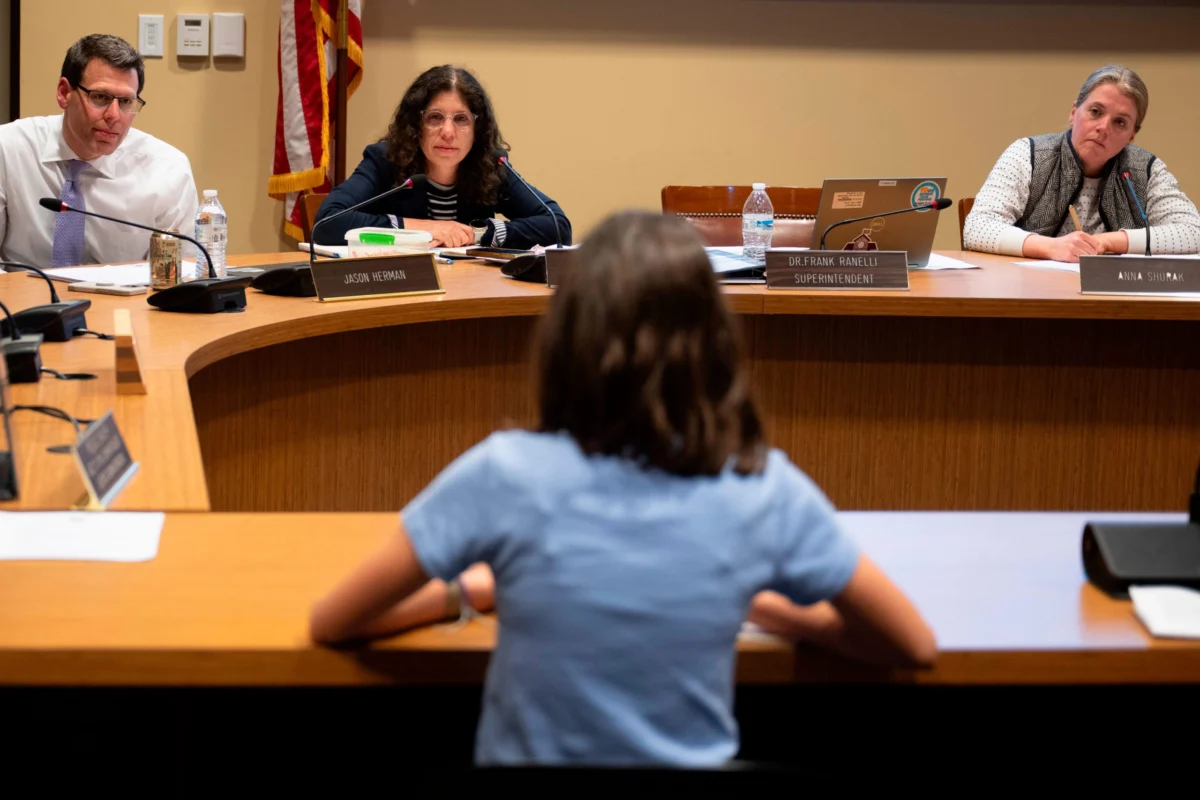
DEKALB, GA – In a high-stakes legal maneuver aimed at protecting the integrity of the upcoming November election, a broad coalition of civil rights organizations has filed a motion to intervene in a DeKalb County Superior Court lawsuit. The coalition, representing a diverse cross-section of voting rights advocacy groups, is seeking to dismiss a petition brought by the DeKalb County Republican Party and local activists that aims to force the removal of more than 5,000 voters from the county’s registration rolls.
The legal intervention, filed by a powerhouse group of organizations—including the Georgia State Conference of the NAACP, the New Georgia Project, the Georgia Coalition for the People’s Agenda, the A. Philip Randolph Institute, Common Cause Georgia, and the League of Women Voters of Georgia—seeks to prevent what they characterize as an eleventh-hour attempt to disenfranchise thousands of residents in one of the state’s most populous and predominantly Black counties.
Main Facts: The Conflict at a Glance
At the center of the dispute is a lawsuit filed by the DeKalb County Republican Party against the DeKalb County Board of Registration and Elections. The petitioners are demanding that the Board convene formal challenge hearings to purge over 5,000 voters from the rolls before the November election.
Advocates argue that these demands violate the National Voter Registration Act (NVRA) of 1993. The NVRA contains a "90-day quiet period" provision, which prohibits the systematic removal of voters from registration lists within 90 days of a federal election. By attempting to force these hearings now, the petitioners are allegedly creating a direct conflict with federal law.
DeKalb County election officials have, thus far, acted in accordance with the law by refusing to convene the requested hearings. They have explicitly rejected the petitioners’ unsubstantiated allegations that thousands of registered voters—many of whom are voters of color—are ineligible to participate. The civil rights coalition is now intervening to provide legal muscle to these officials and to ensure that the court does not order a process that would lead to mass, illegal voter purges.
Chronology: The Escalation of Voter Challenges
The current legal standoff is the culmination of a months-long pattern of mass voter challenges that have surfaced in various Georgia counties.
- Pre-2024: Following the passage of Senate Bill 202, which empowered private citizens to lodge an unlimited number of voter challenges, advocates began noting an uptick in organized, large-scale attempts to purge voter rolls.
- Federal Litigation: Two major federal cases, New Georgia Project v. Raffensperger and Georgia NAACP v. Raffensperger, were initiated to challenge the systemic removal of eligible voters in various counties under the guise of "address verification" challenges.
- October 2, 2024: The DeKalb County Republican Party and local activists filed a suit in DeKalb County Superior Court, demanding that the local board process thousands of challenges.
- October 2, 2024 (Concurrent): The coalition of civil rights groups, represented by the NAACP Legal Defense and Educational Fund (LDF), the Advancement Project, the Southern Poverty Law Center (SPLC), the Lawyers’ Committee for Civil Rights Under Law, and the law firm Arnold & Porter, filed their motions to intervene and dismiss.
Supporting Data and Legal Context
The coalition’s argument hinges on both the letter of the law and the practical realities of election administration. By forcing a massive administrative burden on the Board of Registration and Elections on the eve of the election, the petitioners risk creating administrative chaos.
The NVRA was designed specifically to prevent the type of last-minute "voter cleansing" that can disenfranchise citizens who have no time to re-register before the polls open. With early voting in Georgia set to begin in just two weeks, the potential for error—and the resulting loss of the right to vote—is extreme.
Furthermore, the demographic concentration of these challenges is statistically significant. By targeting a majority-Black county, the petitioners are engaging in a tactic that legal scholars and voting rights experts have long identified as a method of diluting the political power of specific communities.
Official Responses: A Unified Front Against Suppression
The legal filing has triggered a wave of condemnation from the leadership of the involved advocacy groups, who view the lawsuit as a coordinated effort to undermine public confidence in democratic institutions.
Janai Nelson, President and Director-Counsel of the Legal Defense Fund (LDF):
"The last-minute voter challenges cannot stand because they are barred by federal law under the National Voter Registration Act. These challenges are a suppression tactic aimed at sowing confusion and attempting to attack the right of voters in DeKalb County, which is majority-Black. LDF will continue to uphold the rights of Black voters and combat voter suppression tactics like baseless mass challenges."
Judith Browne Dianis, Executive Director of the Advancement Project:
"This last-minute attempt to purge more than 5,000 Georgia voters is simply a vehicle to sow chaos to undermine our election process. Demanding that DeKalb County hold public challenge hearings would give partisan operatives an opportunity to publicly air trumped-up charges of illegal voting—when in fact the petitioners are attempting to suppress the vote in a predominantly Black county."
Damon Hewitt, President of the Lawyers’ Committee for Civil Rights Under Law:
"It does not seem like mere coincidence that this eleventh-hour attempt to purge voters wholesale from the rolls is filed in a county where the majority of the population is Black. Whether this ploy is a desperate gambit to make it more difficult for people to vote for their candidates of choice or part of a plan to set up a challenge to the election if certain people are unhappy with the results, it cannot be tolerated."
Gerald Griggs, President of the Georgia State Conference of the NAACP:
"As home to one of the largest Black communities in the nation, Georgia is no stranger to voter suppression. We know the power we hold, and we’re prepared to exercise it. Whether it’s canvassing on the corner or filing suits to secure our votes, the NAACP will continue to ensure that our voices are heard."
Implications: Protecting Democracy at the Eleventh Hour
The implications of this case extend far beyond the borders of DeKalb County. If the court were to grant the petitioners’ request, it would set a dangerous precedent, effectively inviting partisan actors to use the legal system to harass local election boards and disrupt the voting process in the final weeks of a national election.
1. The Erosion of Public Trust
By flooding election boards with thousands of unverified challenges, petitioners create an atmosphere of doubt and fear. When voters hear reports of "massive voter fraud" or "invalid registrations," they may be deterred from going to the polls, even if those allegations are entirely meritless.
2. Administrative Strain
Election officials are tasked with the immense responsibility of facilitating a secure election. Forcing them to shift resources away from logistics, poll worker training, and ballot security to process thousands of frivolous challenges is a direct assault on the efficiency of the election process.
3. The "90-Day Rule" Precedent
The court’s decision will serve as a bellwether for the sanctity of the NVRA’s 90-day quiet period. If the court upholds the law and dismisses the suit, it reinforces the protection afforded to voters. If it fails to do so, it invites a future of chaotic, litigious election cycles where the courts, rather than the electorate, dictate who is eligible to vote.
4. A National Pattern
This litigation is part of a broader, national strategy to challenge the registration of voters in metropolitan, diverse areas. As legal experts note, these tactics are often used as a "test run" for post-election challenges. By creating a paper trail of "challenged" voters, groups hope to build a narrative of illegitimacy that can be used to contest election outcomes if the final tally does not align with their preferences.
The coalition remains resolute. As Helen Butler, executive director of the Georgia Coalition for the People’s Agenda, noted, "There has been an effective process in place for years to update the voter rolls, so their lawsuit is essentially much ado about nothing."
As the November election approaches, the eyes of the nation are on DeKalb County. The outcome of these motions will determine whether the fundamental right to vote is protected against partisan interference or if the democratic process will be subjected to the whims of those seeking to narrow the electorate through mass, late-stage purges. The coalition’s message is clear: they are ready to fight in court to ensure that every eligible voter can exercise their constitutional right.

 Raul Delapena Setiawan
 Ali Ikhwan