
 Azzam Bilal Chamdy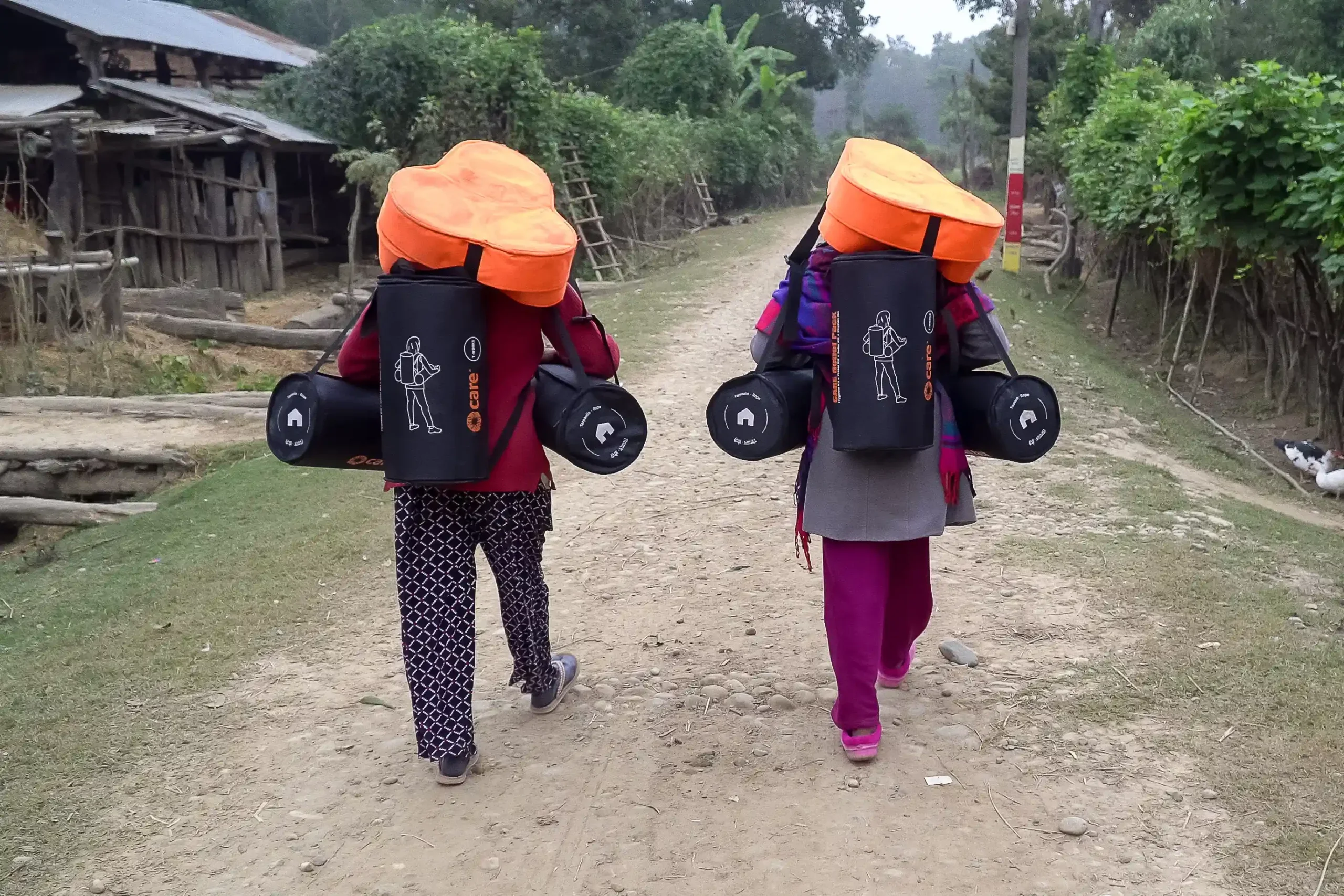
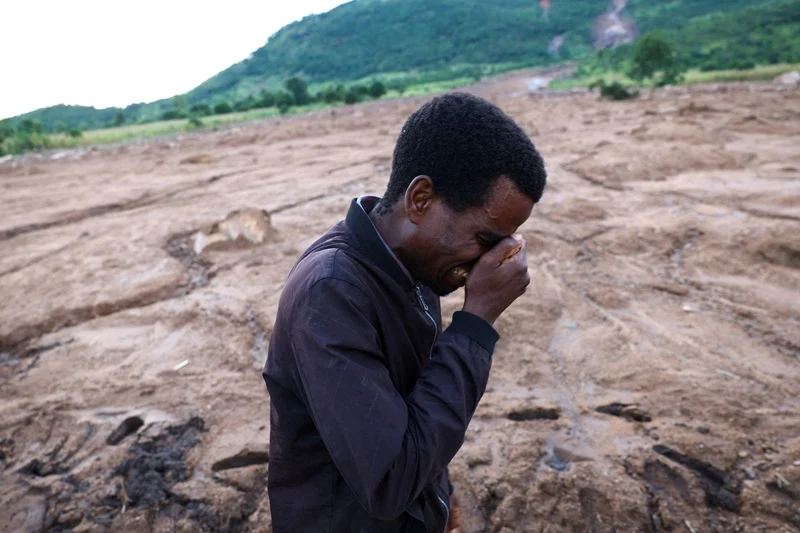
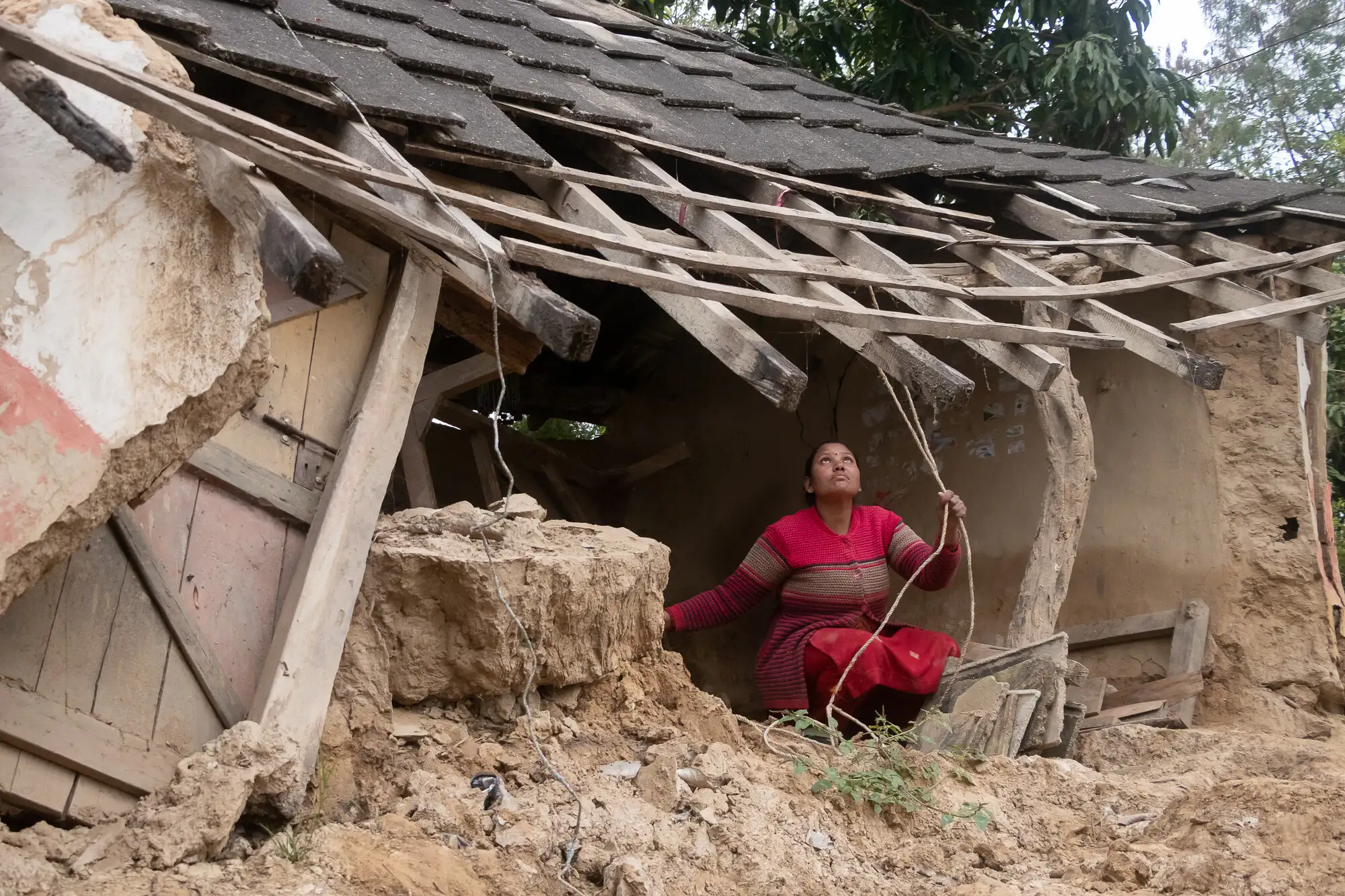
At 5:00 p.m. on September 10, 2025, the village of Bardiya, Nepal, was transformed by the sound of rushing water. There had been no rain in the village, no siren to warn the residents, and no time to prepare. Within minutes, the life that Sarita Pariyar had built for her family was submerged under two feet of thick, freezing mud.
"I was cooking when the floodwaters surged," Sarita recalls, tracing a faint, grim line on her kitchen wall where the water peaked. "The water reached here in minutes."
With her home rapidly filling with silt and her possessions being swept away, Sarita’s survival instinct took over. She grabbed her two children and fled to higher ground. By nightfall, the reality of the disaster had set in: nearly 600 households in the district were underwater, and 125 families were huddled in a nearby school, stripped of their belongings and their sense of security.
This is the frontline of the climate crisis in Nepal—a nation that contributes less than 0.03% of global greenhouse gas emissions yet remains one of the world’s most disaster-prone countries. As the planet warms, the melting ice and changing weather patterns in the Himalayas trigger erratic, extreme downpours, turning once-peaceful rivers into destructive torrents.
The Anatomy of a Modern Crisis
The destruction in Bardiya is not an isolated event; it is a recurring nightmare for thousands of Nepalese families. Between 2018 and 2024, Nepal recorded over 32,000 disaster events, including wildfires, landslides, earthquakes, and floods. These events claimed 3,672 lives and resulted in nearly $182 million in economic losses.
However, the raw data fails to convey the human cost. For families living on the edge, surviving on an average annual income of roughly $530, a single afternoon of flooding can erase a decade of incremental progress. When the water recedes, families are often left with nothing—no clean water, no way to cook, and no shelter.
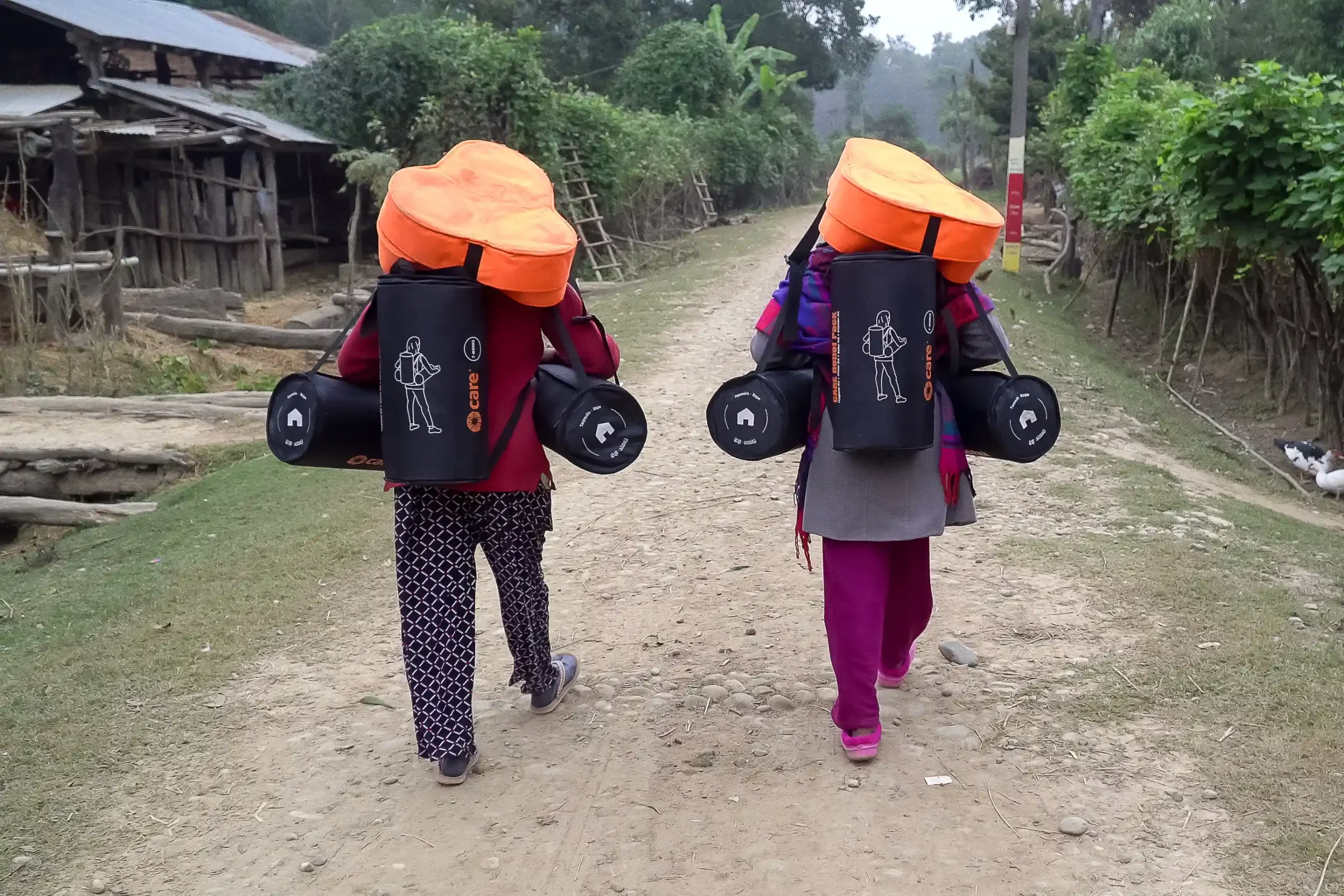
Historically, the humanitarian response to these disasters has been fragmented. Aid often arrived in stages: a tarp from one organization on Monday, cooking pots from another on Wednesday, and hygiene kits by the following week. For women and children, who often bear the brunt of the recovery, this meant trekking for hours across treacherous, mud-slicked mountain trails, attempting to piece together a basic survival kit while their families suffered in the interim.
The Evolution of the CARE Package®
To bridge this critical gap, CARE returned to its historic roots. Partnering with T-Works, India’s largest prototyping center, the organization sought to modernize the iconic post-WWII CARE Package® for the 21st century. The objective was simple but ambitious: design a lightweight, comprehensive, and portable solution that could sustain a family of four for the first 30 days of a disaster.
The result is a 30-pound, specialized backpack system. It is not merely a bag, but a modular survival unit. The load is split into a main, ergonomic backpack and two detachable side bags, ensuring the weight is balanced for the rugged, vertical terrain of rural Nepal.
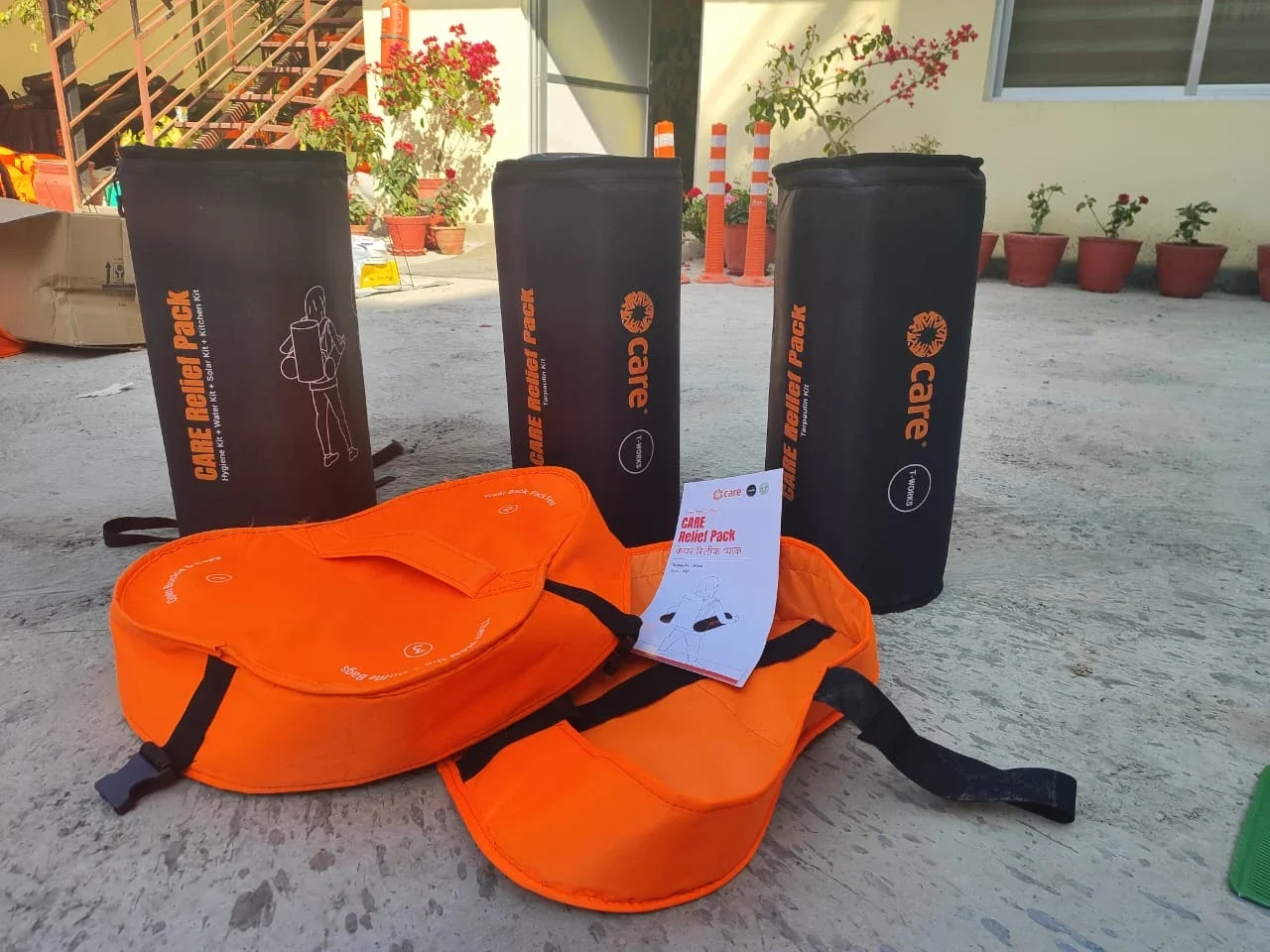
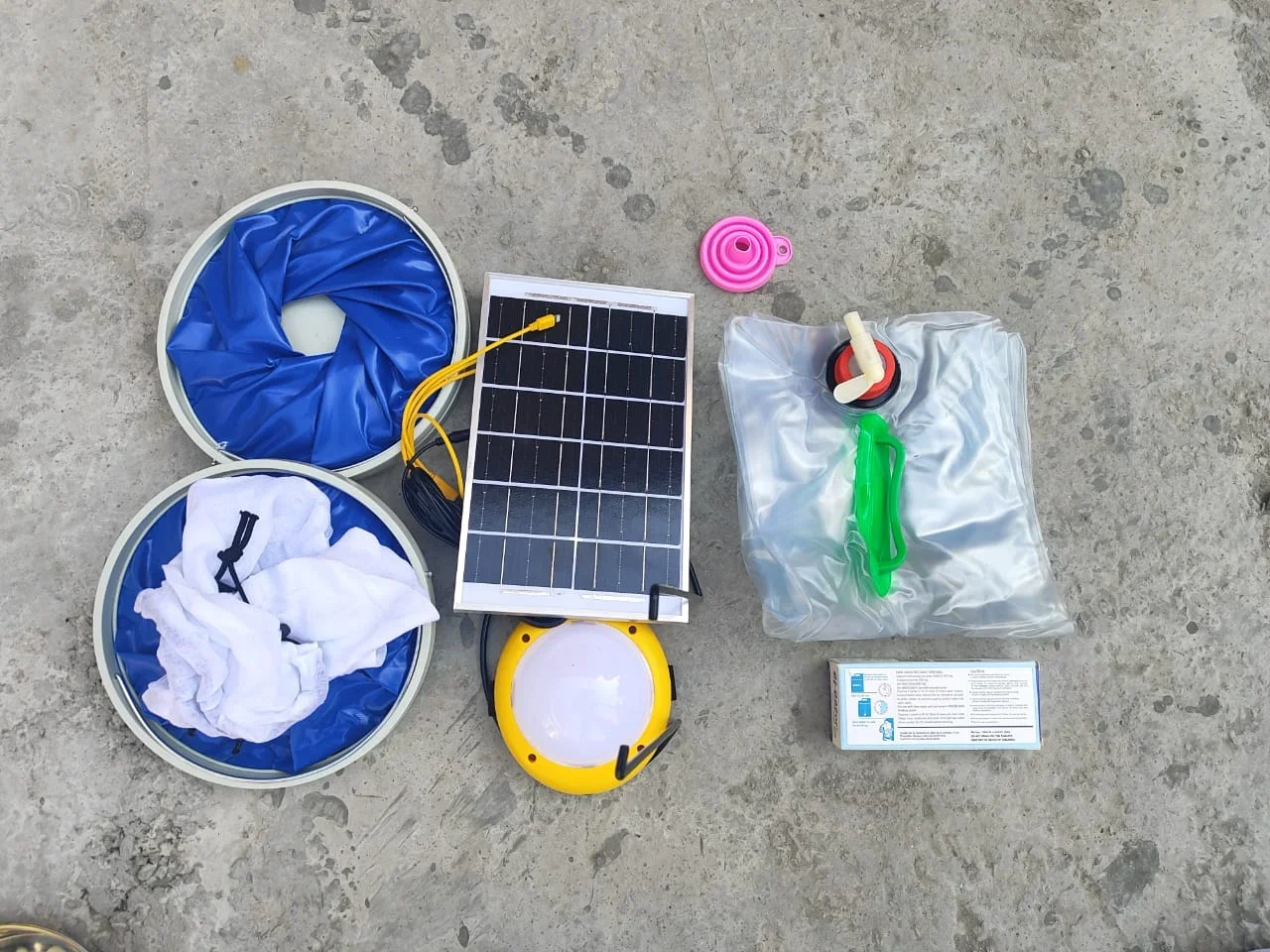
Inside are more than 35 essential items, meticulously curated based on feedback from field testing in the harsh Jajarkot region. These include:
- Shelter: Heavy-duty, waterproof tarpaulins and high-strength rope for immediate, durable housing repair.
- WASH (Water, Sanitation, and Hygiene): Collapsible buckets, water purification tablets, soap, sanitary pads, and hygiene essentials to prevent disease outbreaks.
- Kitchen & Energy: Stainless steel cookware, a portable stove, matches, and a solar-powered lighting kit.
"The core feature is portability," explains Suraj Shrestha, a coordinator at CARE. "When a woman can easily carry her family’s relief on her own terms, it protects both her safety and her dignity."
A 48-Hour Race Against Time
The effectiveness of this new system was put to the ultimate test in the aftermath of the September 10 floods. Because CARE Nepal had pre-positioned 500 of these kits in strategic hubs—including Nepalgunj, just 46 miles from the epicenter—the response time was cut from days to hours.
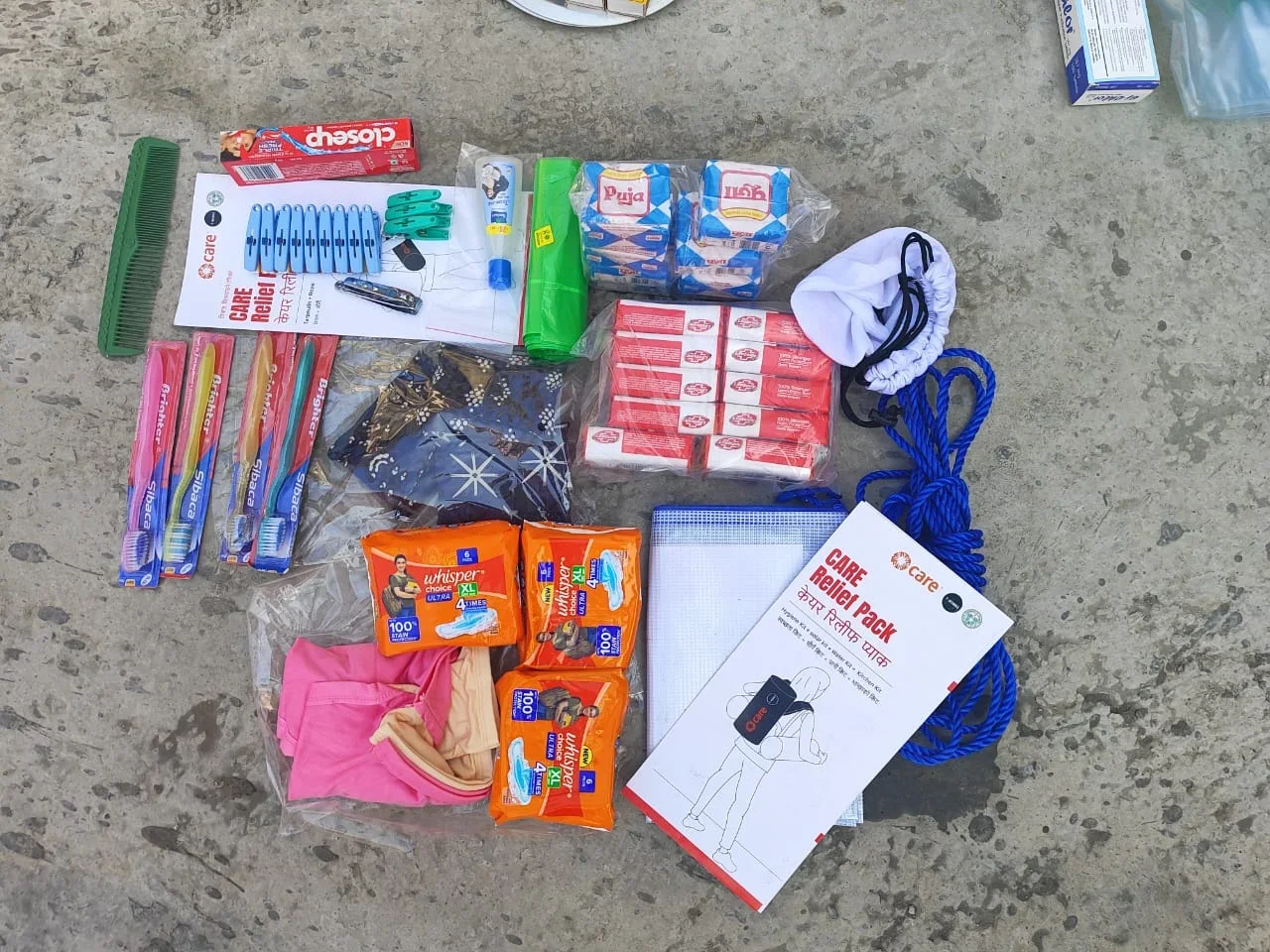
By September 13, just 48 hours after the initial surge, 121 families had received their kits.
"When all 35-plus items were unpacked and laid out together, people were just stunned and relieved," says Man Bahadur Dangi, a humanitarian specialist at CARE Nepal. "Everything they needed was right there, packed into a single, lightweight bag."
For survivors like Budhaniya Tharu, the kit was not just an assortment of goods; it was a lifeline. "The flood swept away absolutely everything we owned," she says. "We received utensils, a stove, women’s hygiene items, and soap. At a time when we had nothing, these items were a lifeline."
The Impact: Restoring Dignity and Light
Perhaps the most significant component of the kit, according to survivors, is the solar lighting system. In the wake of a flood, local power grids are often destroyed, leaving villages in pitch-black darkness.
"Everything around us went black after the flooding," recalls Chhabilal Acharya, who spent the first night of the disaster in fear. "The solar light helped us feel safe at night. All the materials were practical—exactly what we needed during those first days."
Beyond the immediate psychological relief, the kits have provided tangible economic stability. By providing cooking and shelter equipment immediately, CARE enabled families to avoid the debt cycles often triggered by disaster—where survivors are forced to take high-interest loans to buy basic necessities or borrow from neighbors.
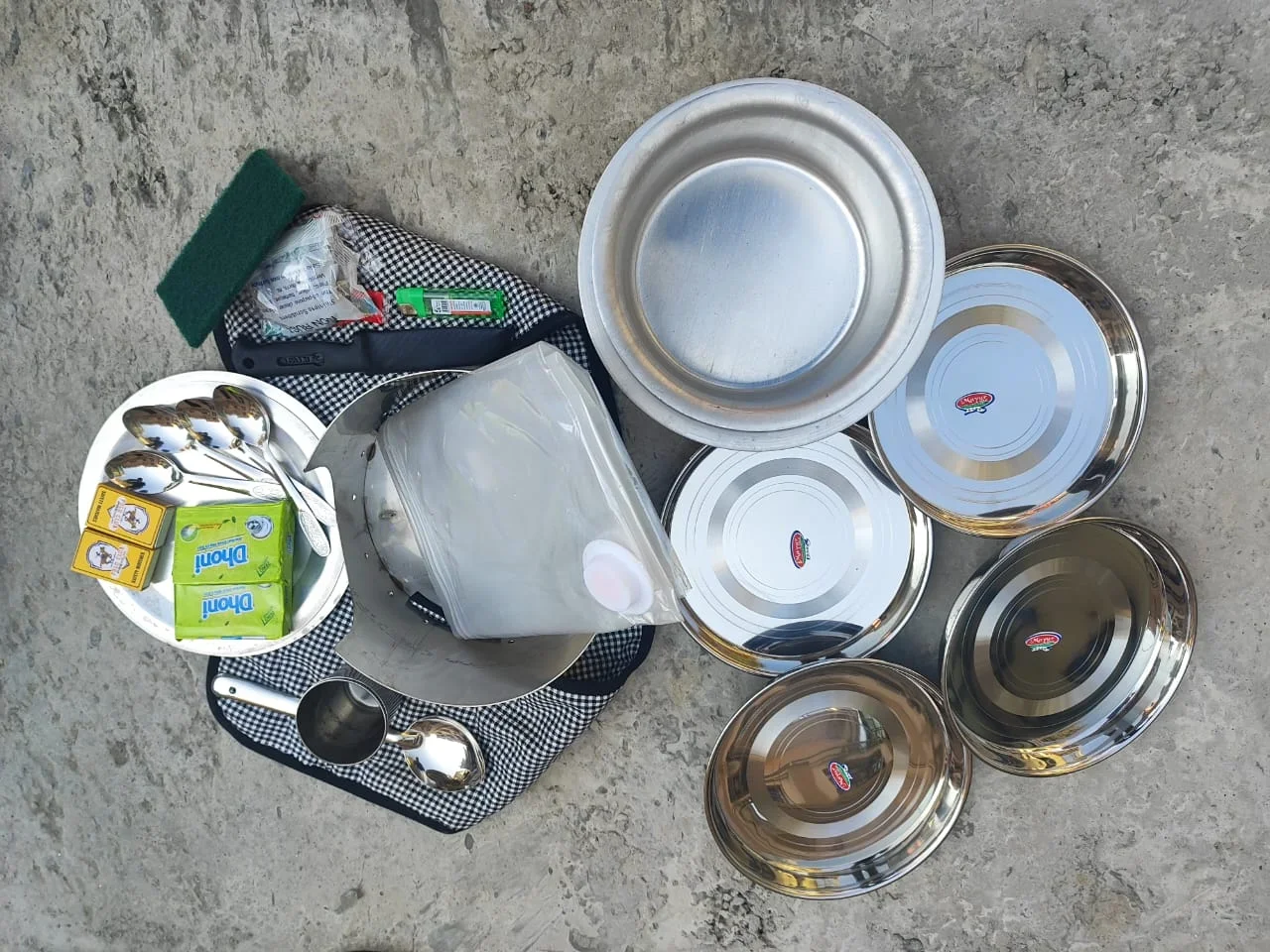
"The items we received will last for many years," Sarita says. "If that support had not come quickly, we would have had to beg, borrow, or take loans. My economic condition is weak, and it would have been very difficult. Now I look at my small children and think, I have to rebuild, for their future."
Official Perspectives and Future Implications
Local municipal authorities have lauded the initiative as a paradigm shift in disaster management. Bina Kumari Bhattarai, Deputy Mayor of Thakurbaba Municipality, noted that the bureaucratic hurdles of traditional aid usually stall recovery efforts.
"This relief pack is far better than anything we’ve been able to distribute before," she said. "Usually, we have to collect items from five different places and piece them together. This pack already includes everything, and it arrives when people need it most."
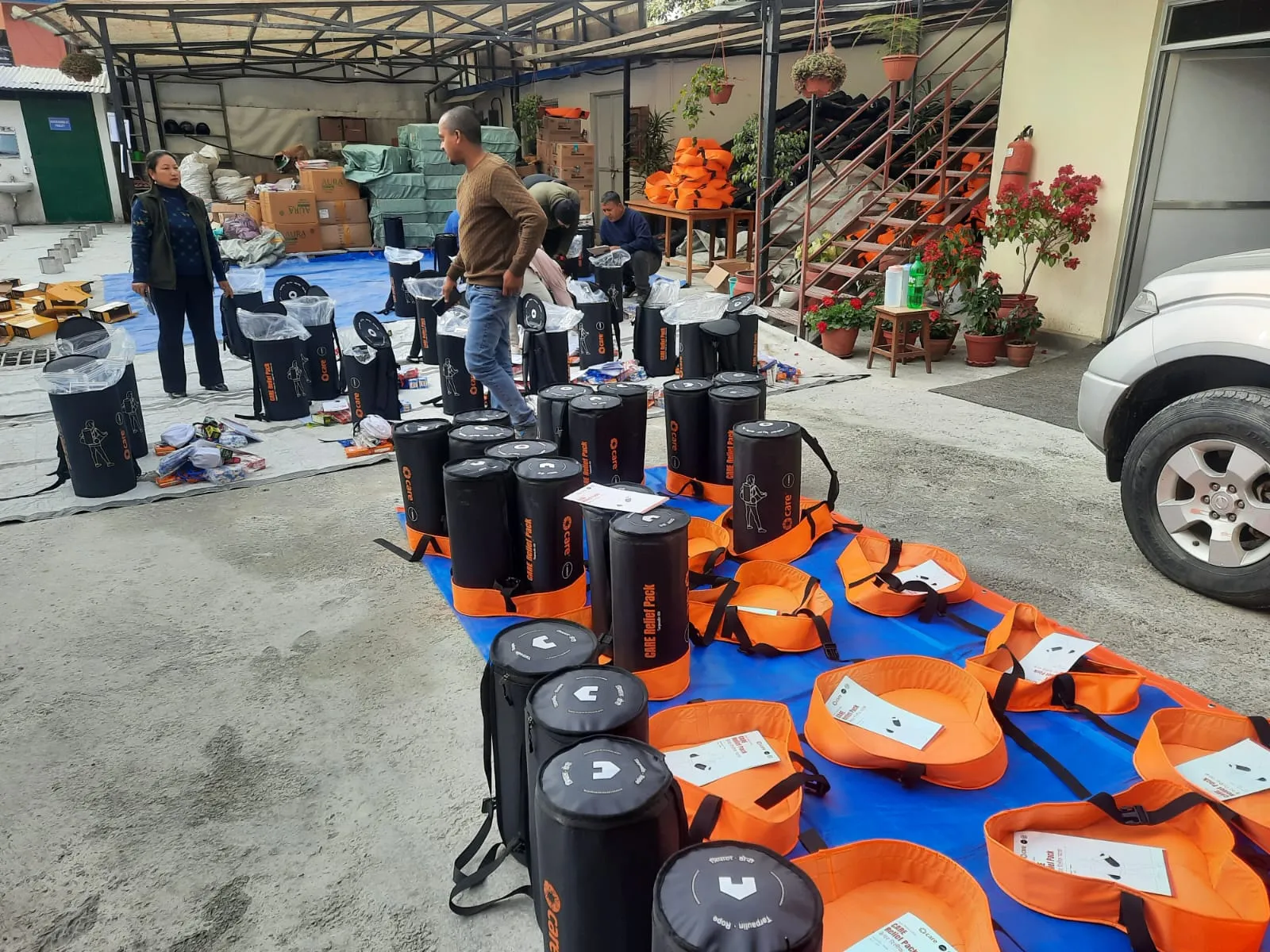
The success of the program is built upon the Humanitarian Partnership Platform (HPP), a network developed by CARE over the last decade. By fostering trust between local organizations, community groups, and municipal officials, the HPP ensures that aid is not just delivered, but delivered effectively.
As the climate crisis continues to intensify, the lessons from Bardiya provide a clear blueprint for the future. The strategy of pre-positioning supplies and empowering local networks can be scaled to protect thousands of families in other high-risk regions across Nepal.
"In every crisis, families lose more than possessions," says Mona Sherpa, CARE Nepal Country Director. "They lose stability, safety, and hope. CARE PACKAGE for Emergencies reflects our commitment to delivering faster, more inclusive, and life-saving humanitarian assistance. By investing in preparedness and locally led response systems, we can ensure that families receive the support they need when it matters most."
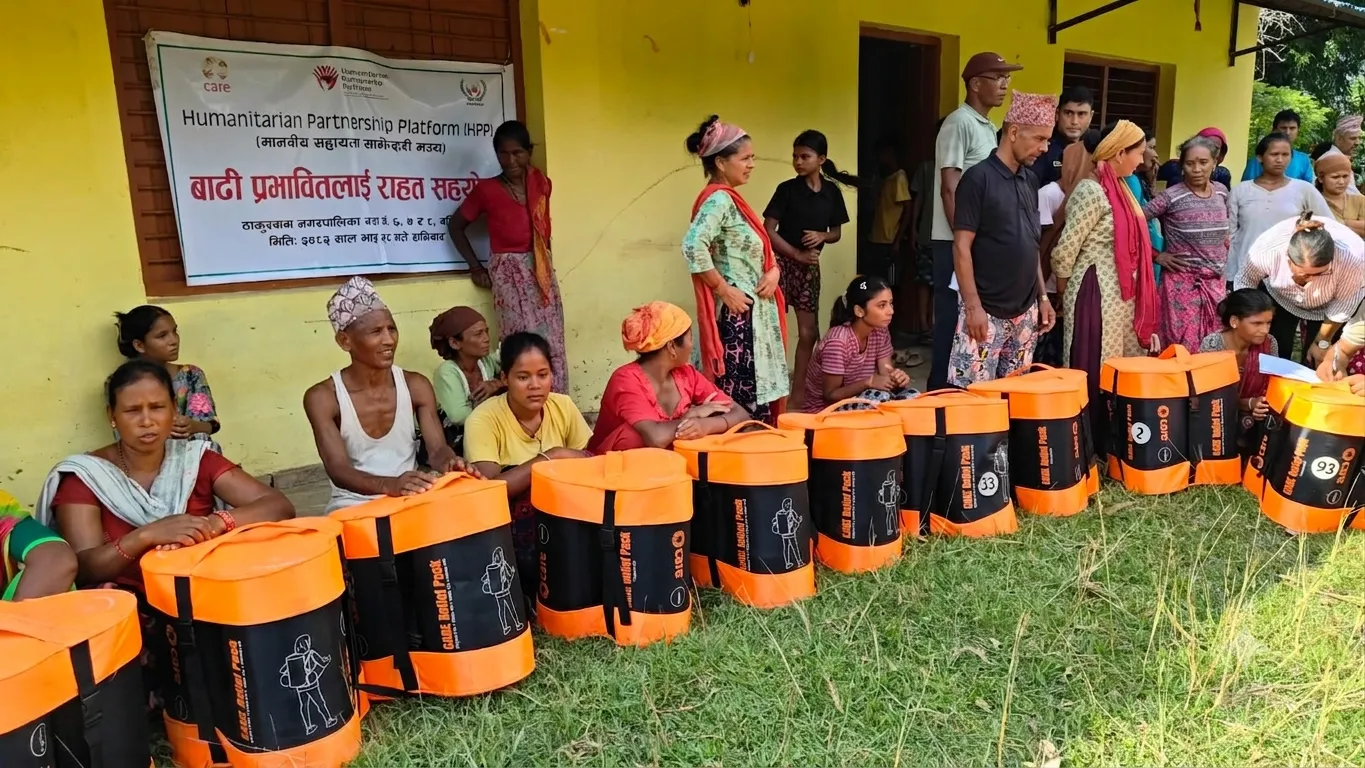
Conclusion: A Foundation for Resilience
The story of the CARE Package for Emergencies is one of innovation meeting necessity. While the physical items—the soap, the tarp, the solar light—are essential, the true value lies in the speed and dignity with which they are delivered.
For the families of Bardiya, the disaster of September 2025 was a moment of profound vulnerability. But thanks to a modernized approach to relief, it also became a moment of resilience. By providing the tools to cook, to light the dark, and to shelter against the elements within hours of a catastrophe, humanitarian actors are helping survivors do more than just endure; they are providing them the breathing room necessary to start the long, difficult work of rebuilding their futures.
As Nepal looks toward a future of increasing climate volatility, the success of this initiative serves as a powerful reminder: the most effective way to address the global climate crisis is to ensure that the most vulnerable communities are equipped, empowered, and ready for whatever comes next.
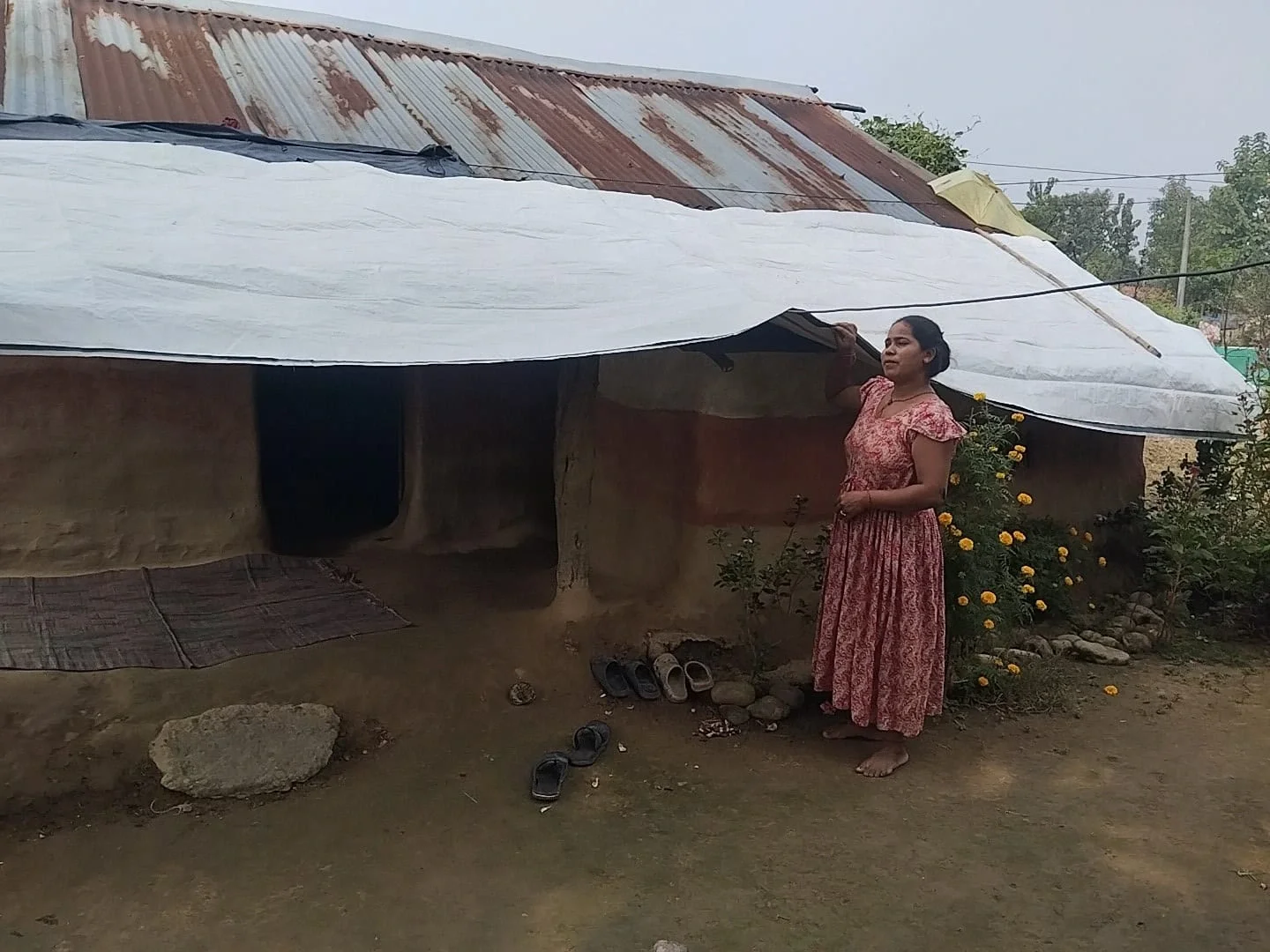
CARE has been active in Nepal since 1978, working to address the root causes of poverty and social injustice. In fiscal year 2025, the organization reached over 1.14 million people, focusing on disaster risk reduction, women’s empowerment, and health rights. To learn more about how you can support the delivery of these critical kits, visit the CARE website to donate today.


 Reynand Wu
 Muslim