



 Reynand Wu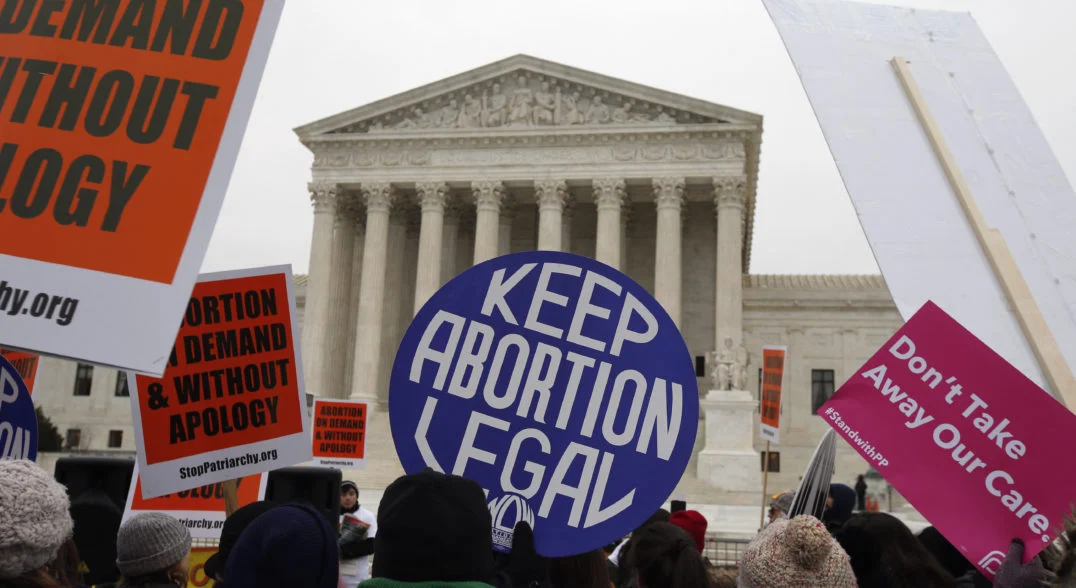
Nearly half a century has passed since the Supreme Court’s landmark 1973 ruling in Roe v. Wade, which enshrined the constitutional right to safe, legal abortion as a cornerstone of reproductive autonomy. Yet, as the nation moves further from that anniversary, the landscape of reproductive health care remains increasingly fractured. Despite persistent legislative attacks at the state level and a shift in the composition of the federal judiciary, public sentiment remains steadfast: a clear majority of Americans continue to support the principles established in Roe, affirming the right of individuals to make personal decisions regarding their reproductive futures.
However, the national discourse surrounding abortion has remained stubbornly narrow, often pitting "fetal rights" against "women’s rights" in a zero-sum game. A paradigm-shifting body of research, the Turnaway Study conducted by Advancing New Standards in Reproductive Health (ANSIRH), now suggests that this binary framing misses a critical piece of the puzzle: the profound impact that abortion access—or the denial thereof—has on existing children and the future stability of families.
A Chronology of the Debate: From Roe to the Turnaway Study
The legal protections established in 1973 were intended to protect the health and privacy of individuals seeking reproductive care. In the decades that followed, those protections became the target of a sophisticated, multi-pronged effort to erode access through Targeted Regulation of Abortion Providers (TRAP) laws, gestational limits, and mandatory waiting periods.
While political battles raged in statehouses and courtrooms, the scientific community began looking for objective data to understand the long-term consequences of these policies. The Turnaway Study emerged as the definitive longitudinal project of its kind. By following nearly 1,000 women across the United States—some who were able to obtain an abortion and others who were denied care because they were just past a facility’s gestational limit—researchers were able to map the trajectories of these families over several years.
The study’s findings, finalized and released recently, provide a stark counter-narrative to the rhetoric often employed by those seeking to restrict abortion access. It highlights that the decision to terminate a pregnancy is rarely made in isolation; rather, it is a calculation made within the context of a family unit, financial stability, and long-term parental capacity.
Supporting Data: The Economic and Developmental Reality
The data provided by the Turnaway Study is unequivocal regarding the socioeconomic repercussions of abortion denial. Because more than half of all people seeking abortion care are already parents, the implications for existing children are immediate and severe.
The Poverty Trap
Researchers found that individuals who were denied an abortion were significantly more likely to fall below the federal poverty line in the years following the denial. When a household is forced to absorb the costs of an unplanned birth—including prenatal care, delivery, and the lifelong expense of raising a child—without the financial runway to prepare, the entire family unit suffers. Existing children in these households are more likely to experience food insecurity, housing instability, and a lack of access to essential resources like transportation and quality childcare.
Developmental Impacts and Maternal Bonding
Perhaps most poignant are the findings regarding the emotional and developmental health of children. The study observed that parents who were forced to carry an unwanted pregnancy to term reported higher levels of "entrapment" and increased difficulty in fostering healthy maternal bonding.
In contrast, when individuals were able to access abortion care, they were statistically more likely to plan for subsequent pregnancies when their emotional, financial, and physical circumstances were more conducive to raising a child. These "later-born" children, conceived at a time chosen by their parents, experienced greater economic security and stability. The data suggests that when parents have the power to time their pregnancies, they are better equipped to provide the nurturing, consistent care that is essential for healthy child development.
The Three Generations: Who is Affected?
Lead researcher Dr. Diana Greene Foster frames the impact of abortion access through the lens of three distinct groups:
- Existing Children: The children already present in a household when a parent seeks an abortion. Their economic and emotional stability is directly linked to the parent’s ability to allocate limited resources.
- The Child of the Unplanned Pregnancy: The child born as a direct result of being denied an abortion, who may enter a home where the parents are struggling to meet existing obligations.
- Future Children: The children born later to parents who were able to time their pregnancies appropriately, and who often benefit from the stability the parent secured by having the right to choose.
By focusing on these three groups, the research clarifies that abortion is not merely an individual medical choice; it is a fundamental determinant of family health. When we restrict abortion, we do not simply "save a life"—we often place a significant, multi-generational burden on the family unit, hindering the wellbeing of children who are already here and those who will be born in the future.
Official Responses and the Reproductive Justice Framework
The "pro-life" movement has long anchored its messaging in the protection of children. However, proponents of reproductive justice argue that this framing is fundamentally flawed. Organizations like SisterSong define reproductive justice as the human right to maintain personal bodily autonomy, to have children, to not have children, and to parent the children we have in safe and sustainable communities.
From this perspective, the anti-abortion movement’s policies are inherently anti-family. By denying individuals the ability to determine the size and timing of their families, the state interferes with the parent’s capacity to fulfill their primary duty: providing for the children they are already responsible for.
Dr. Foster notes that the moral argument against abortion often ignores the reality of human life. "Many of us are alive today because our mothers were able to avoid carrying a prior unwanted pregnancy to term," she points out. This perspective shifts the debate from a moralistic, abstract stance on "potential life" to a grounded, ethical stance on the actual, lived experiences of children and parents.
Implications for Public Policy
The implications of the Turnaway Study for future policymaking are profound. If the goal of society is truly the "wellbeing of children," then public policy must reflect the realities identified by the researchers:
- Economic Stability: Access to reproductive health care is an economic imperative. Policies that expand access to abortion support the economic mobility of parents, which in turn reduces childhood poverty.
- Family Health: Policies that respect reproductive autonomy facilitate stronger, more resilient families. When parents are not forced into motherhood or parenthood before they are ready, they report higher levels of mental health and satisfaction, which are the bedrock of healthy child-rearing.
- Moving Beyond the Binary: Policymakers must move beyond the tired rhetoric of "pro-choice vs. pro-life." The data suggests that a truly "pro-life" agenda would include guaranteed access to family planning, contraception, and safe, legal abortion, as these are the tools that allow families to thrive.
Conclusion: The True Meaning of Being "Pro-Life"
The evidence is clear: the health and future of our children are inextricably linked to the reproductive autonomy of their parents. When individuals are empowered to control their reproductive lives, they are better parents, more stable providers, and more capable of creating the environments in which children can flourish.
To ignore this evidence is to accept a policy framework that harms the very people it claims to protect. If we are genuinely committed to the health, dignity, and future of children, we must recognize that abortion access is not an enemy of family life, but a prerequisite for it. True support for the next generation means ensuring that every child is born into a family that is ready, willing, and able to provide them with the best possible start in life. That is the essence of reproductive justice, and it is the only path toward a society that truly values the sanctity of life in all its complexity.


 Azzam Bilal Chamdy
 Muslim