




 Muslim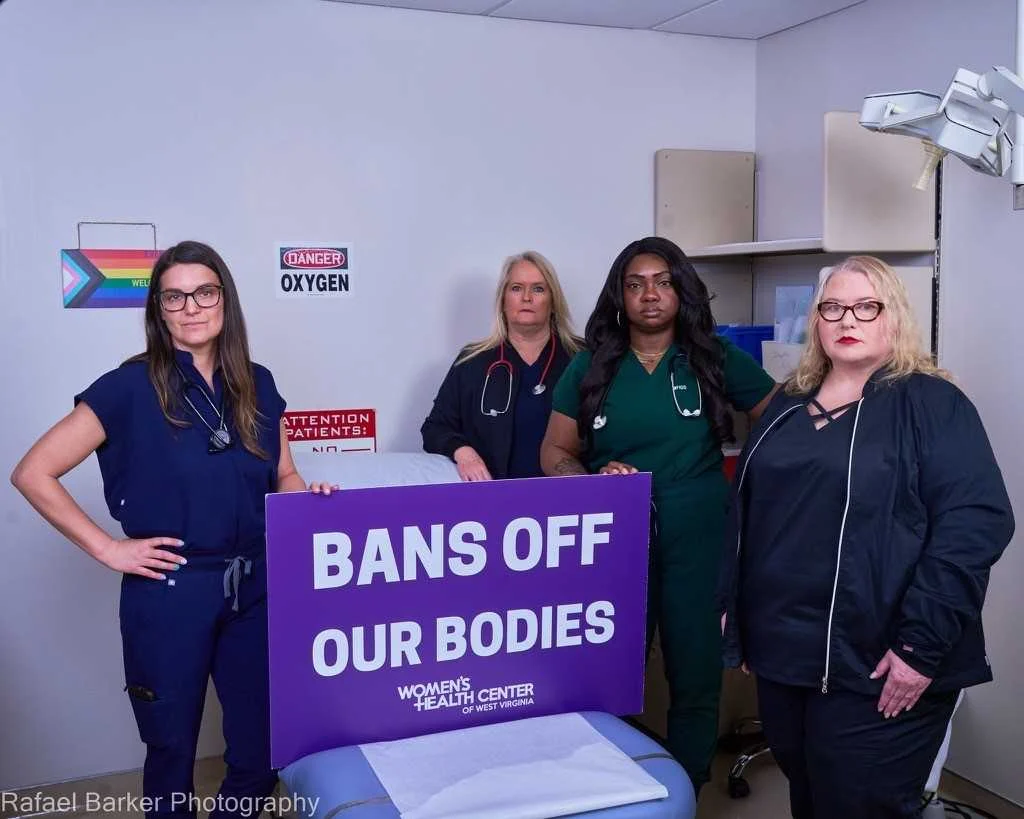
As June arrives, it brings with it the heavy anniversaries of two landmark U.S. Supreme Court decisions that have fundamentally reshaped the landscape of American healthcare: Dobbs v. Jackson Women’s Health Organization and U.S. v. Skrmetti. For the clinicians, advocates, and patients at the front lines of reproductive and gender-affirming care, these rulings are not merely legal precedents; they are strategic markers in a calculated, nationwide campaign to dismantle bodily autonomy.
In states where the political climate is most hostile, the playbook is identical. Whether the target is the right to terminate a pregnancy or the right to transition, the methodology of those seeking to restrict access remains the same: isolate the most vulnerable, test the legal waters in aggressive jurisdictions, and then export those restrictions across the country.
The Convergence of Care: A Historical Perspective
For providers like those at the Women’s Health Center (WHC) of West Virginia and the CHOICES Center for Reproductive Health in Tennessee, the artificial wall between "reproductive rights" and "LGBTQIA+ rights" has never existed. In the exam rooms of these clinics, the patient seeking an abortion and the patient seeking hormone replacement therapy (HRT) are often the same person, or members of the same interconnected community.
The struggle for bodily autonomy has always been a singular fight. Long before the legal challenges reached the Supreme Court, these clinics were providing comprehensive, whole-person care. They have functioned as safe harbors where patients could receive reproductive services and gender-affirming care under the same roof, treated by the same compassionate staff. This continuity of care is not a coincidence—it is a reflection of a core principle: when members of our community are targeted, we do not look away. We adapt, we listen, and we show up.
Chronology of Coordinated Restrictions
The trajectory of these legal attacks follows a clear, alarming pattern. The same legislative machinery that paved the way for the Dobbs decision is now driving the litigation surrounding Skrmetti.
- 2020: Idaho passes the nation’s first transgender athlete ban, signaling a shift in focus toward gender-segregated participation in sports as a precursor to broader medical restrictions.
- 2021: West Virginia follows suit with the "Save Women’s Sports Act," intensifying the political pressure on transgender youth and their families.
- 2022: The Supreme Court issues its ruling in Dobbs v. Jackson, effectively ending the federal constitutional right to an abortion and triggering a cascade of state-level bans.
- 2023–2024: Tennessee and other states move to restrict gender-affirming healthcare for minors, mirroring the state-by-state legislative strategy used to erode abortion access in the decade leading up to Dobbs.
This legislative "domino effect" demonstrates that the attacks on healthcare are not isolated incidents of moral posturing; they are a coordinated, state-by-state dismantling of the right to self-determine one’s own medical pathway.
Supporting Data: The Impact on Patients
The human cost of these policies is immense. For patients like Marty, a transgender individual from rural Maryland, the existence of clinics like the WHC has been a lifeline. "I learned to brace myself before every medical appointment," he recalls. "Finding healthcare that was both competent and affirming had always required a fight." At the Women’s Health Center, he found a staff that met him without conditions.
Similarly, for patients at CHOICES, the impact of HRT is transformative. One provider, who has cared for hundreds of patients across the South and Appalachia, notes the change in her patients after they begin treatment: "After patients start hormone replacement therapy, they come back as a much more energetic, vivacious person."
Despite this, the chilling effect of state restrictions is palpable. In Tennessee, following the implementation of bans on gender-affirming care for minors, clinicians report a surge in patient anxiety. The fear of losing access to life-saving, routine healthcare is forcing families into impossible positions, often necessitating travel across state lines—a logistical and financial burden that mirrors the experiences of abortion patients in the post-Dobbs era.
Official Responses and Clinical Stance
The clinics remain steadfast. Despite the intensification of legal, financial, and political pressure, organizations like CHOICES and the Women’s Health Center continue to provide care. Jennifer Pepper, president and CEO of CHOICES, has been a vocal advocate for maintaining these services, emphasizing that the clinic’s duty is to the patient, not to the political winds.
Medical providers argue that the politicization of these procedures is medically unfounded. As one CHOICES clinician stated, "Hormone replacement therapy is routine, like every other service we offer." The providers argue that if a service has a profound, positive impact on a patient’s well-being and is backed by medical consensus, there is no ethical reason to restrict it.
Implications for the Future of Bodily Autonomy
The ultimate implication of these battles is a fundamental question about the nature of rights in America. Bodily autonomy is the foundational principle of all reproductive and gender-affirming rights. If that right is conditional—granted to some based on their status or location and denied to others—it ceases to be a right and becomes a privilege.
History shows us that once the state begins issuing "permission slips" for bodily autonomy, those slips are eventually revoked. The forces working to end both abortion access and gender-affirming care understand this connection perfectly. They know that by targeting the most vulnerable first—those with the least political capital and the fewest resources—they can set a precedent that eventually applies to everyone.
The Power of Solidarity
As the Women’s Health Centers of West Virginia and Maryland celebrate their 50th anniversary on June 24—the same date Roe v. Wade was overturned four years ago—the irony is not lost on them. It is a reminder that the struggle for autonomy is generational.
The path forward requires a unified movement. The fights to protect abortion access and gender-affirming care are not parallel struggles that happen to share a moment; they are the same struggle, rooted in the same conviction. When clinics are forced to close or when care is restricted, it is the community that suffers.
"They come for the most vulnerable first, in the states where the political ground is most hostile, and they build from there," remains the guiding warning for activists. To counter this, supporters of human rights must prioritize:
- Direct Support: Sustaining independent clinics in "hard places" that provide essential, intersectional care.
- Resource Sharing: Recognizing that the legal and financial strategies used to defend abortion access are the same ones needed to defend trans healthcare.
- Broad-Based Advocacy: Refusing to accept the separation of these issues, as they are inextricably linked under the banner of bodily sovereignty.
In the face of systemic adversity, the resilience of these clinics serves as a beacon. They remind us that while those targeted first may be the initial casualties, they are also the ones who will lead the way in securing a future where medical care is treated as a fundamental human right, accessible to all, without shame, without fear, and without political interference.


 Azzam Bilal Chamdy
 Reynand Wu