

 Pevita Pearce
The bedrock of public health is built upon the trust between the citizenry and those tasked with safeguarding their well-being. However, recent data from the Kaiser Family Foundation (KFF) paints a portrait of a nation in the midst of a profound crisis of confidence. As health misinformation permeates digital discourse and political polarization seeps into scientific institutions, Americans are increasingly turning away from federal authorities in favor of individual providers, niche social media influencers, and even experimental artificial intelligence tools.
This report examines the complex architecture of health-related trust in the United States, exploring why the public is moving toward decentralized information sources and the potential consequences for long-term health outcomes.
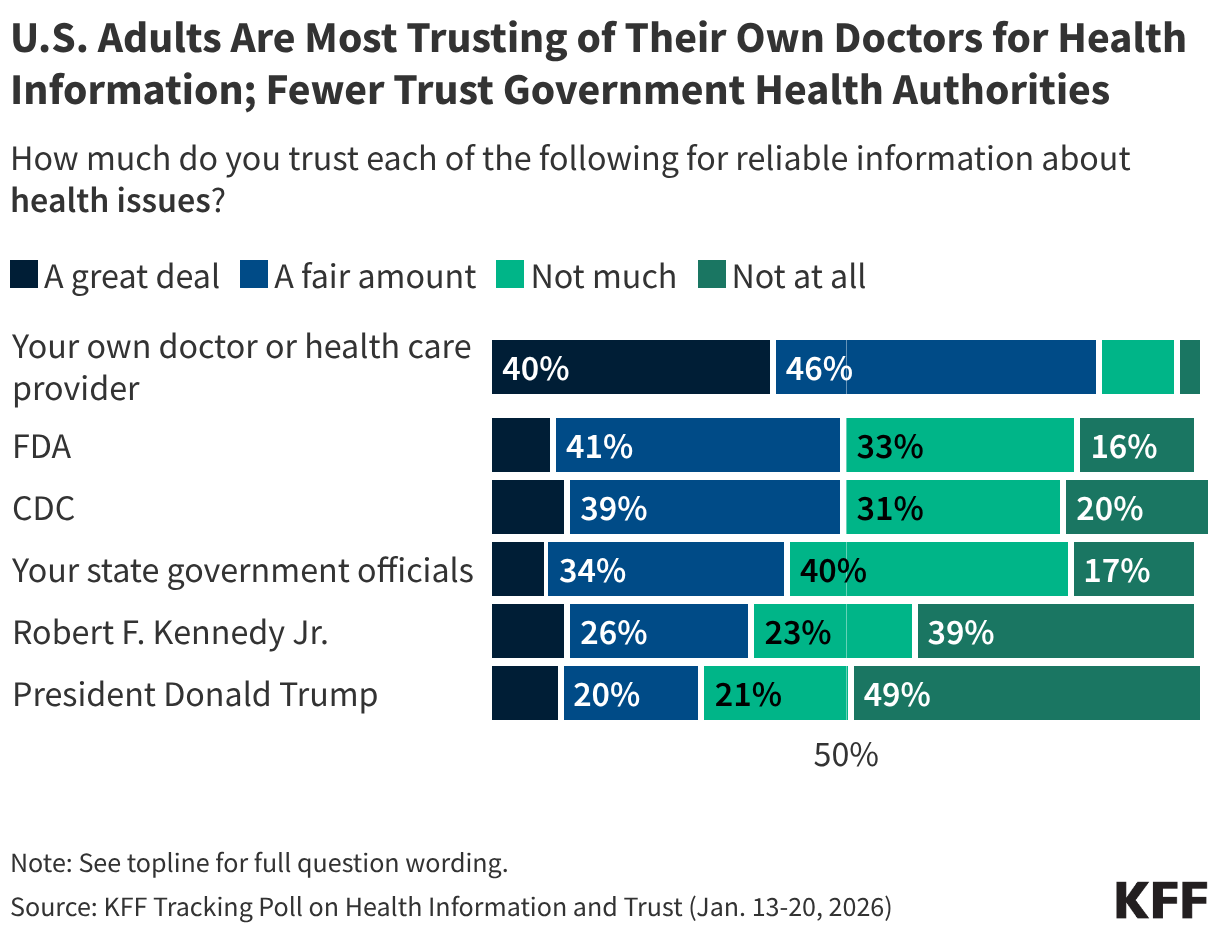
The Hierarchy of Trust: Where Americans Turn for Advice
At the core of the KFF findings is a persistent, if narrow, hierarchy of credibility. Despite the erosion of trust in public institutions, the doctor-patient relationship remains the most resilient pillar of the American health system. A substantial majority of adults continue to view their personal physicians and health care providers as their primary, most reliable source of health information.
The Divergence of Authority
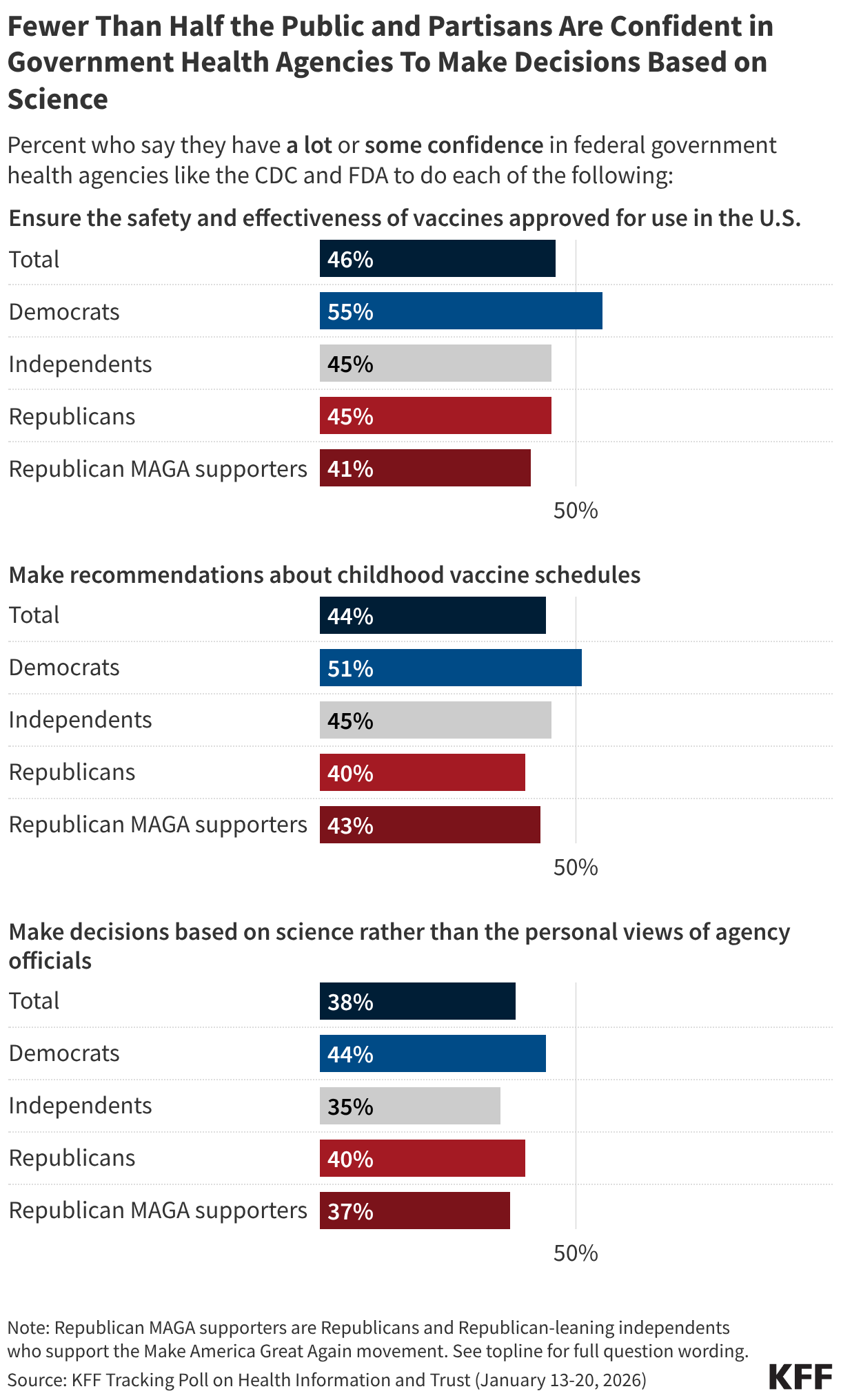
While individual practitioners remain trusted, the same cannot be said for the institutions that historically guided national health policy. Trust in government agencies—including the Centers for Disease Control and Prevention (CDC) and the Food and Drug Administration (FDA)—has become heavily bifurcated along partisan lines.
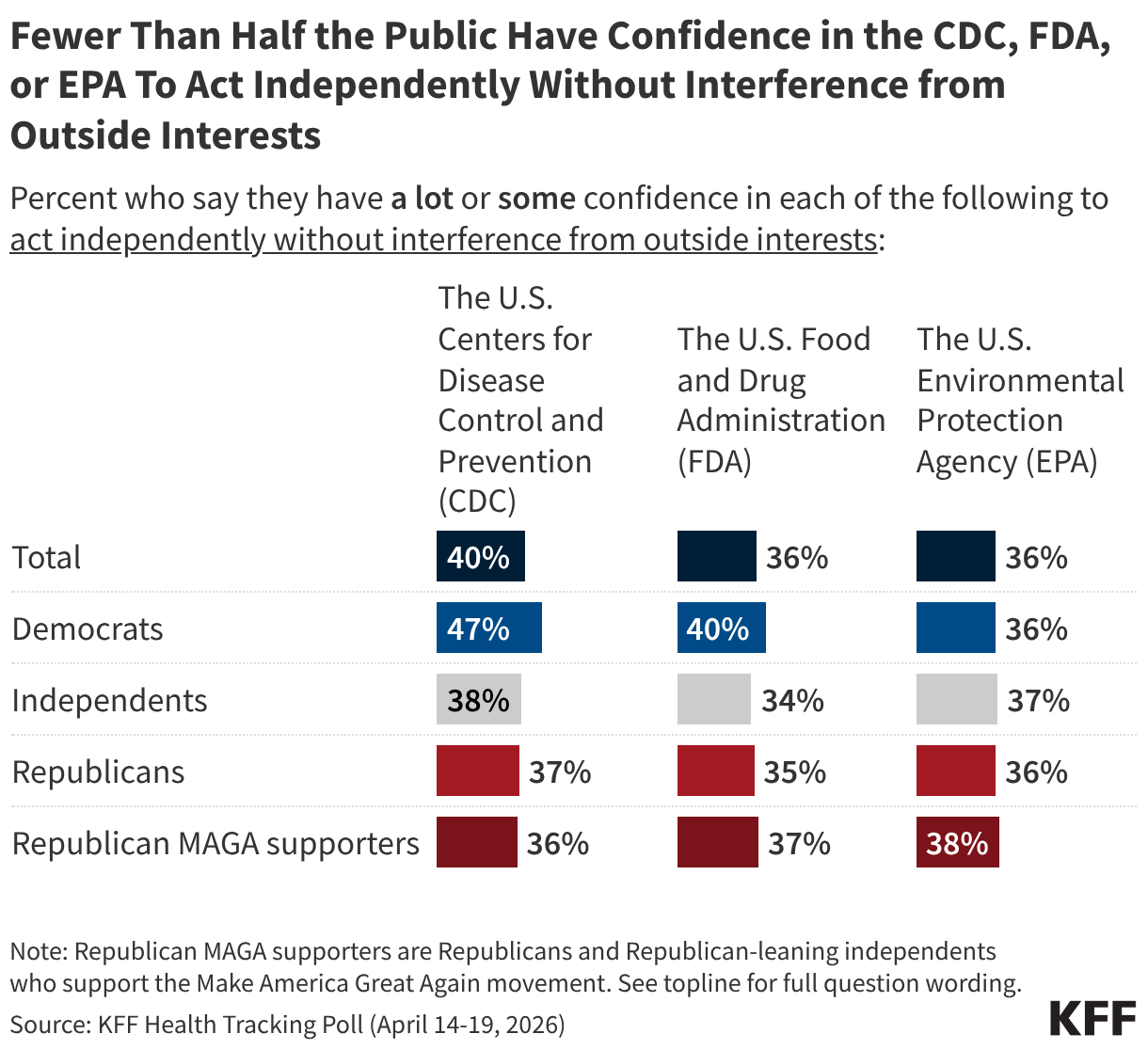
Recent polling indicates that only about half of the public expresses confidence in these agencies to provide reliable information. Even lower levels of trust are reserved for high-level political figures, including the Secretary of Health and Human Services (HHS), Robert F. Kennedy Jr., and former President Donald Trump. Notably, trust in these political figures is highly conditional; it is largely confined to specific ideological subsets, particularly those identifying with the "Make America Great Again" (MAGA) and "Make America Healthy Again" (MAHA) movements.
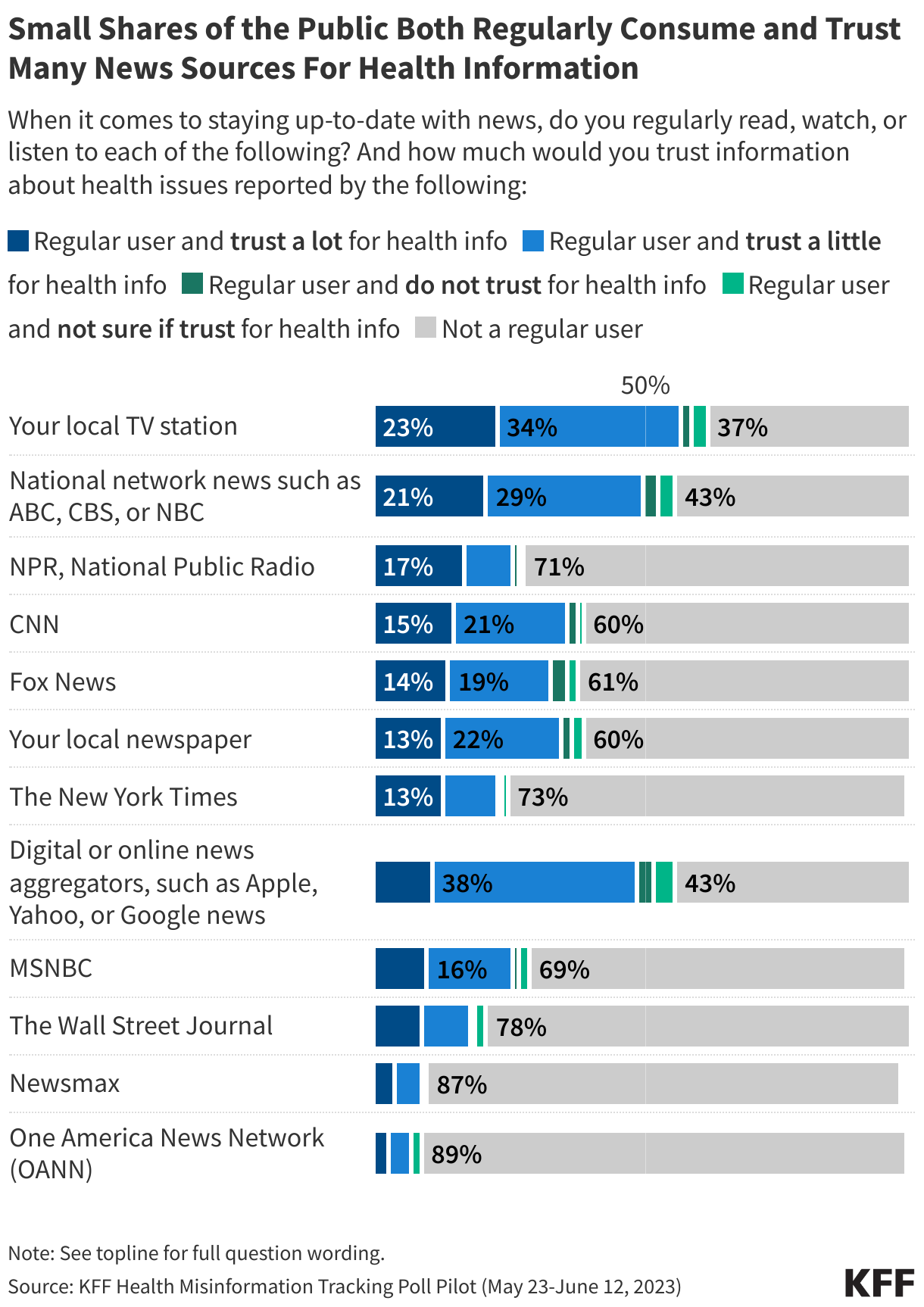
Chronology: The Erosion of Institutional Credibility
To understand the current state of skepticism, one must look at the timeline of the past five years.
- 2020–2021 (The Pandemic Peak): At the onset of the COVID-19 pandemic, there was a high degree of bipartisan consensus and trust regarding guidance issued by the CDC. This era represented the last period of broad, unified public reliance on federal health agencies.
- 2022–2024 (The Great Polarization): As the pandemic persisted, vaccine mandates and changing public health guidance became flashpoints for political disagreement. Republican trust in the CDC and FDA saw a steep, sustained decline, while political rhetoric began to aggressively challenge the "scientific" consensus.
- 2025–2026 (The Institutional Shift): The period following the 2024 election cycle brought a significant shift in the landscape. The confirmation of Robert F. Kennedy Jr. as HHS Secretary and the subsequent political appointments within federal health agencies caused a secondary decline in trust—this time among Democrats—who grew skeptical of the agencies’ perceived independence under new leadership.
Today, we see a "malleable middle"—a segment of the population that is not necessarily ideologically entrenched but is deeply uncertain, viewing institutional messaging with a healthy dose of skepticism.
Supporting Data: The Anatomy of Skepticism
KFF’s tracking data reveals that the lack of confidence is not just a general feeling; it is specific to the core competencies of federal agencies.
Confidence in Scientific Independence
Fewer than half of all U.S. adults believe that the CDC, FDA, or EPA can act independently of outside interests or political interference. When asked about specific responsibilities—such as determining the childhood vaccine schedule or ensuring vaccine safety—the public remains divided.
The Influence of Misinformation
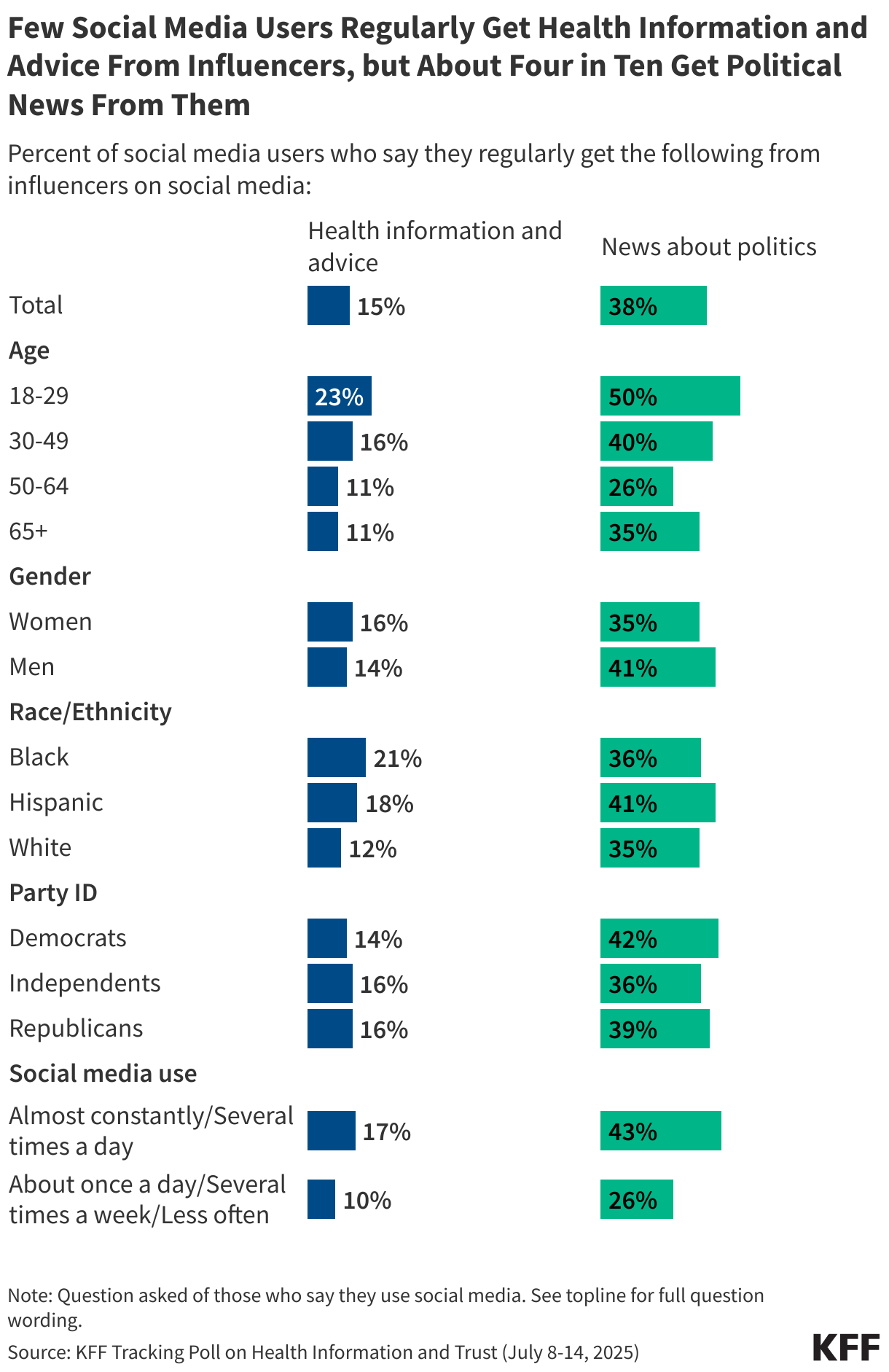
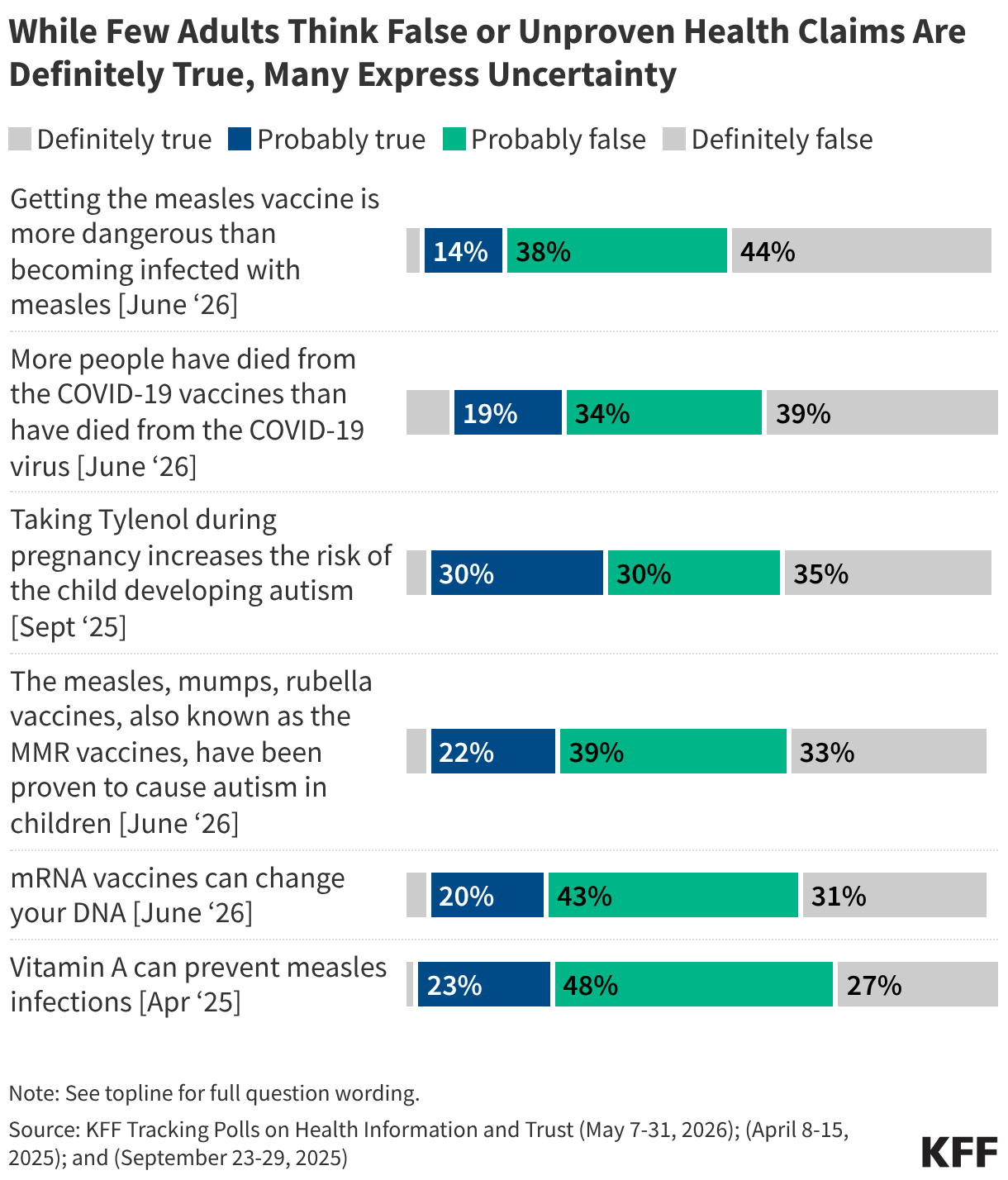
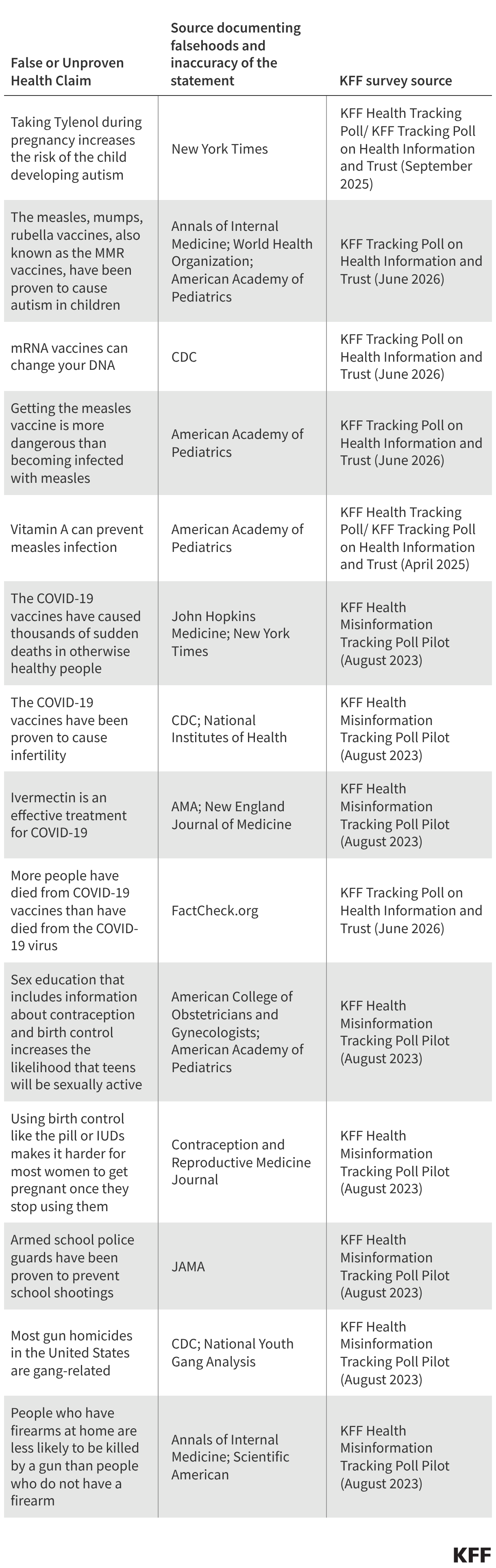
Data shows that exposure to health misinformation is widespread, but belief is nuanced. A significant portion of the public falls into the "malleable middle," where they are not certain that false claims (such as a link between Tylenol and autism) are true, but they are also not convinced they are false. This uncertainty creates a vacuum often filled by social media algorithms.
Digital Consumption Patterns
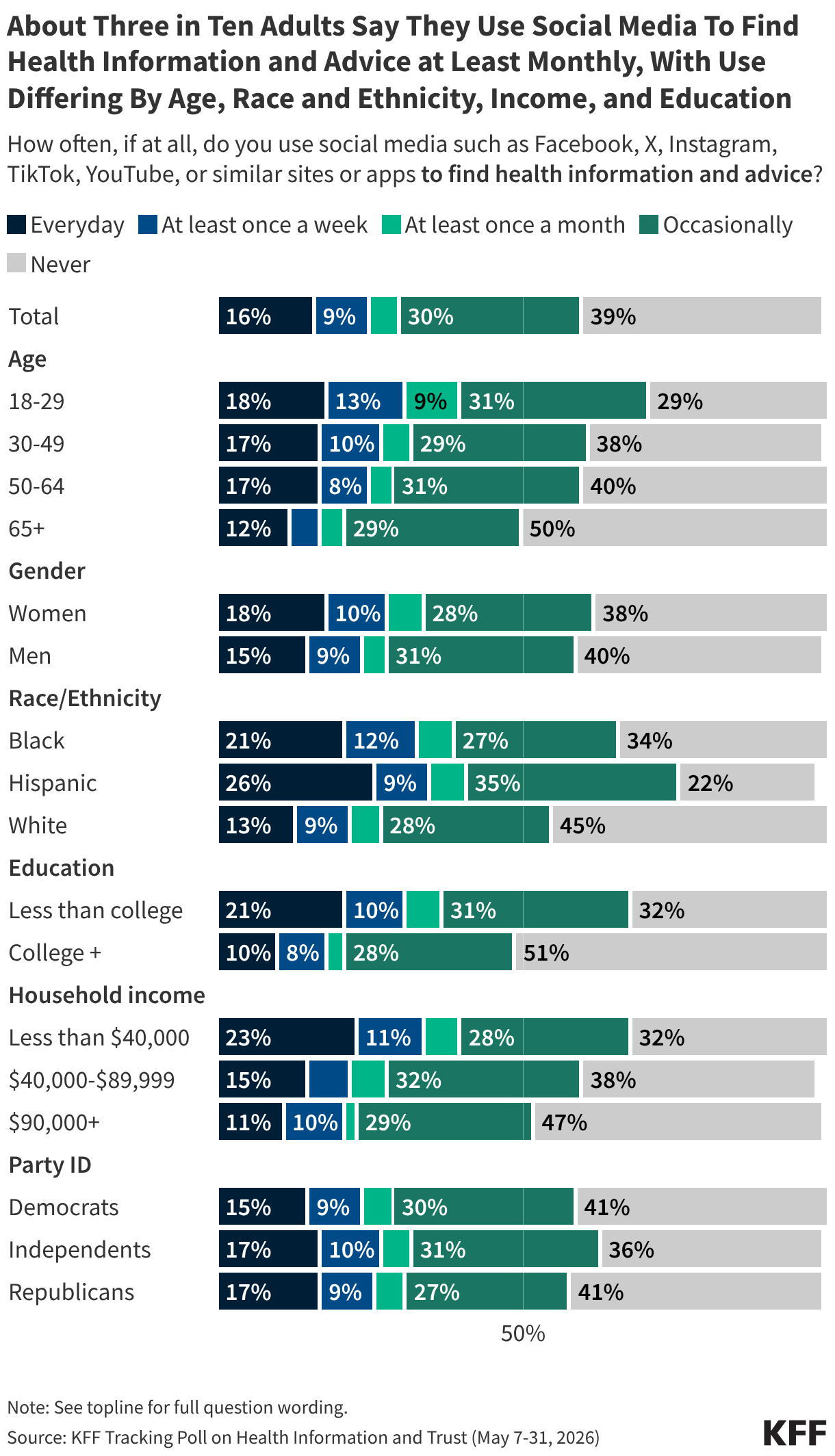
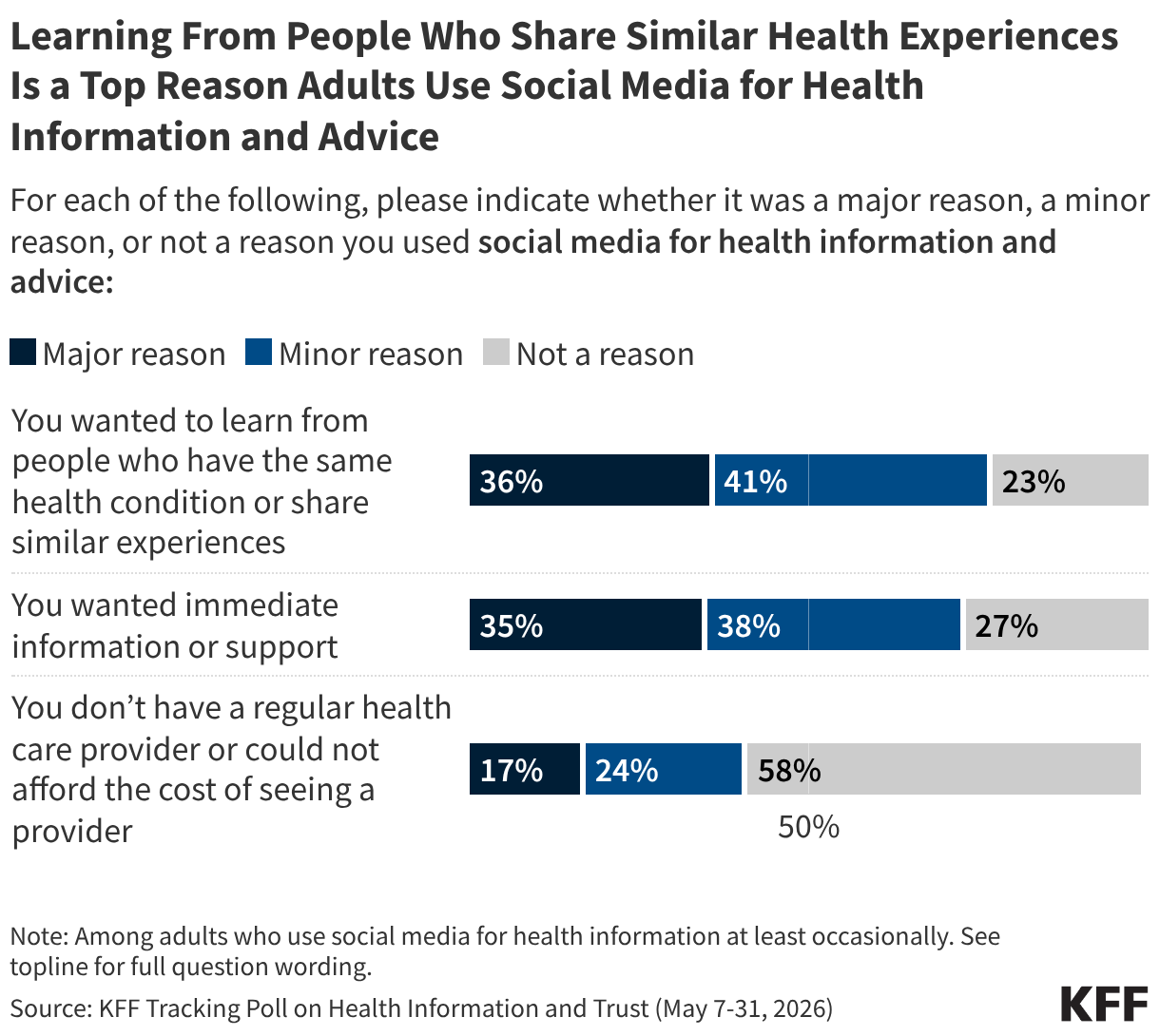
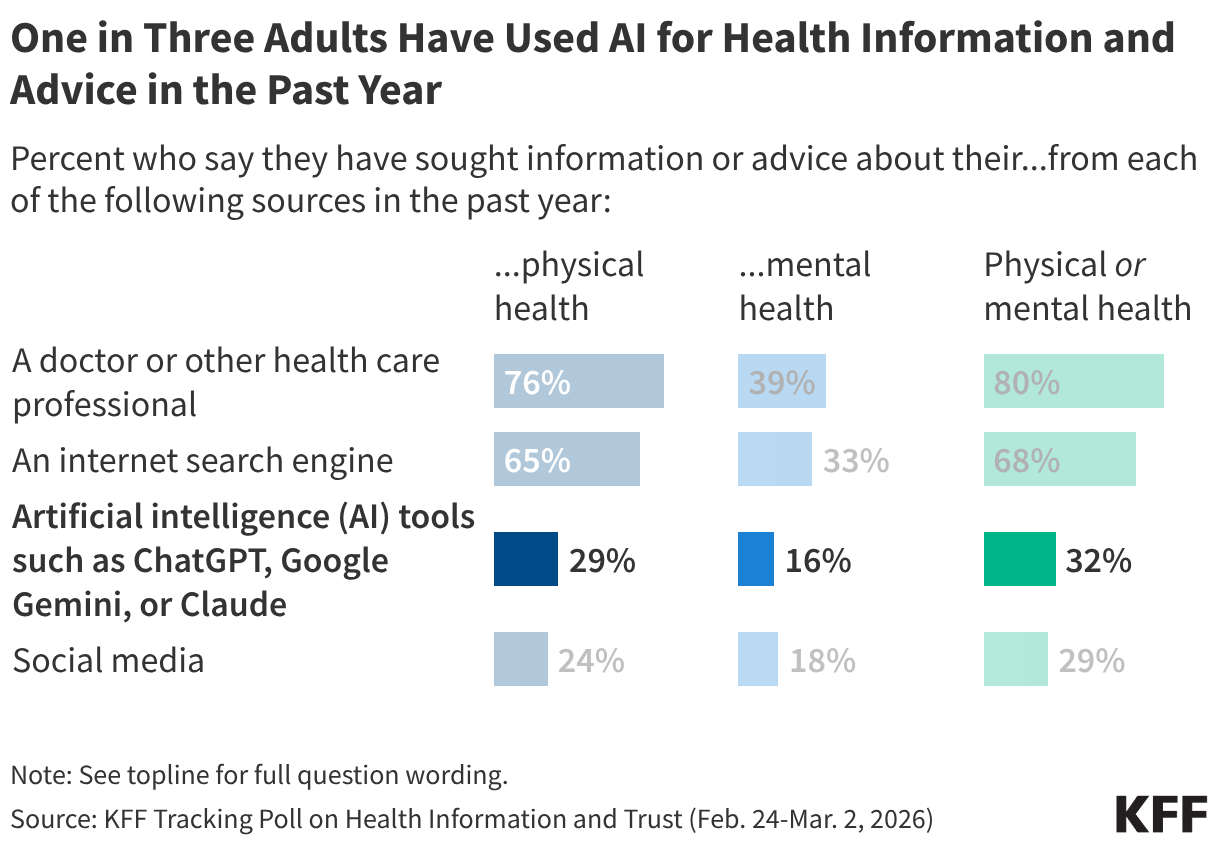
- Social Media: Roughly 30% of adults turn to social media for health advice monthly. This is driven by a desire for immediate information and a sense of community, particularly among those who feel marginalized by the traditional medical system.
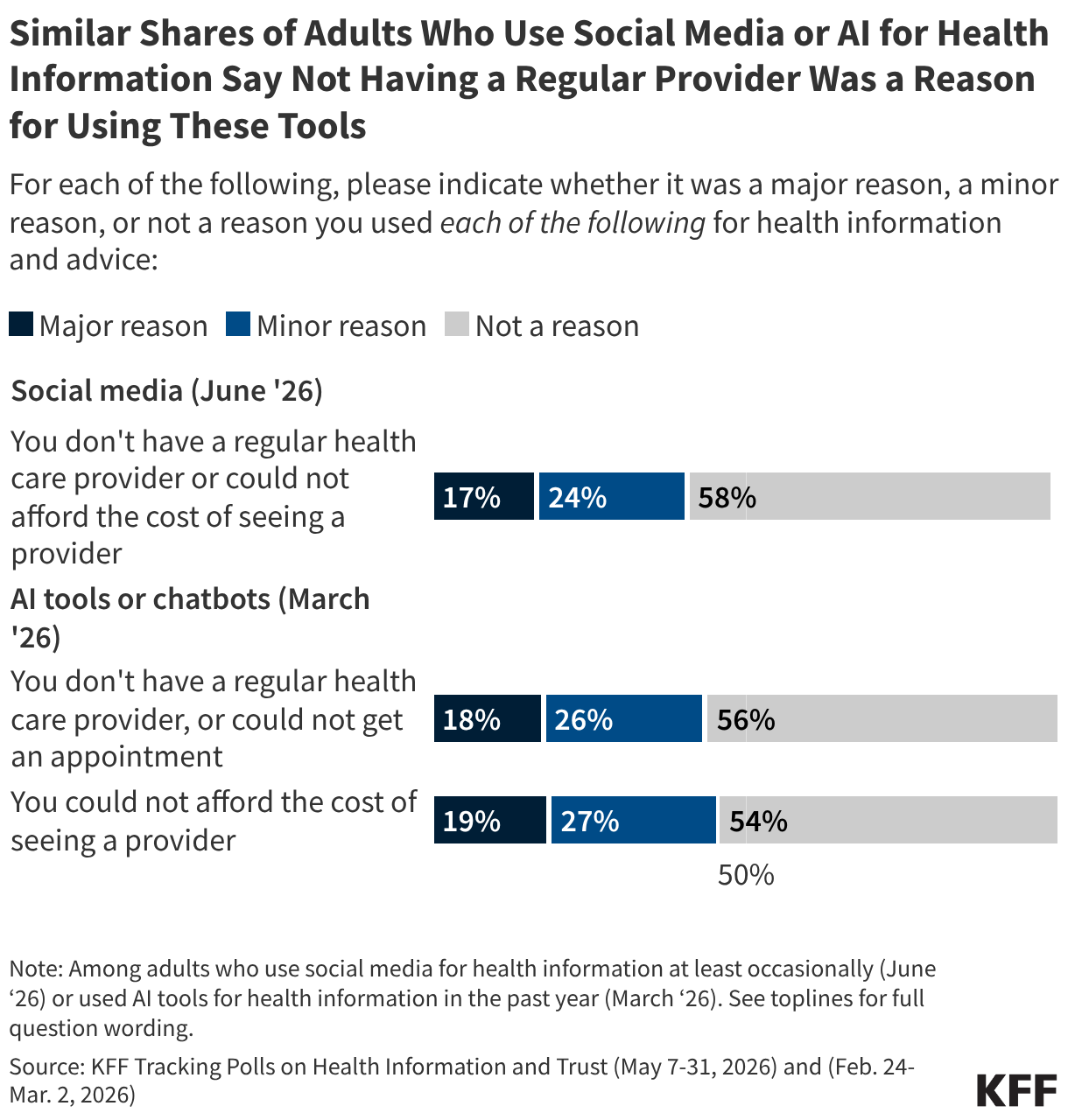
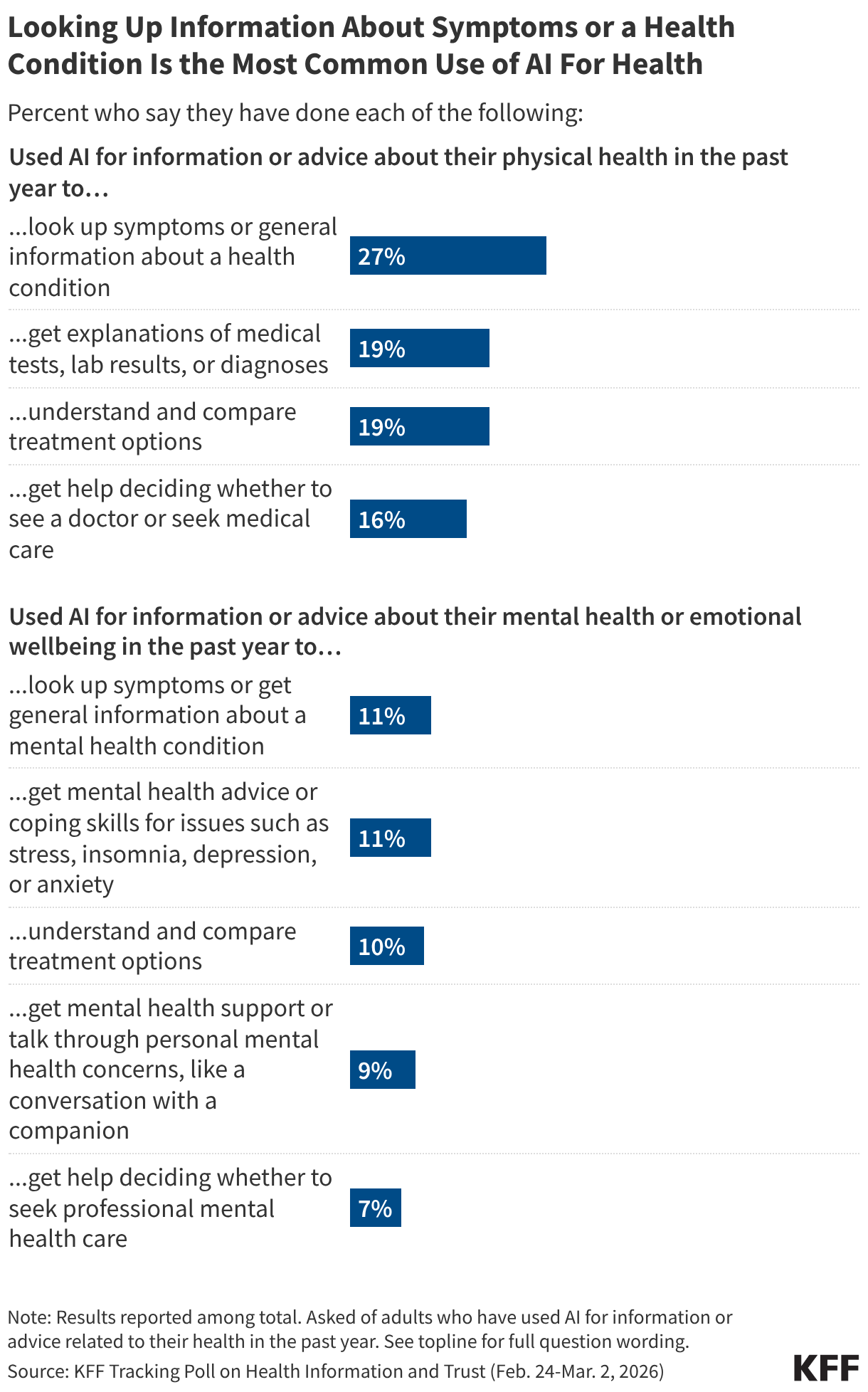
- Artificial Intelligence: In the past year, approximately 32% of the public has turned to AI chatbots for health queries. This usage rivals traditional media and is particularly prevalent among younger, uninsured, or minority populations who cite difficulty in accessing traditional care as a primary reason for seeking AI-based advice.
Official Responses and Institutional Challenges
Federal health agencies find themselves in a "Catch-22." If they respond to every piece of misinformation, they risk appearing overly political; if they remain silent, they cede the narrative space to influencers and, increasingly, to AI models that may lack medical oversight.
Recent internal reports from health agencies have emphasized the need for "proactive communication." However, the effectiveness of these efforts is hampered by a lack of trust. When the CDC or FDA issues a correction, the public’s response is often filtered through the lens of political identity. For many, the agency is no longer seen as a neutral arbiter of science, but as a political actor, which renders traditional public health communication efforts significantly less effective than they were a decade ago.
Implications: The Future of Public Health
The consequences of this shifting landscape are profound and multifaceted.
1. The Fragmentation of Care
When patients bypass their doctors to seek advice from influencers or unverified AI chatbots, the continuity of care is broken. Physicians report that they are increasingly spending their limited time during patient visits debunking misinformation gathered from the internet rather than focusing on diagnostic or preventative care.
2. Vaccine Hesitancy as a Symptom
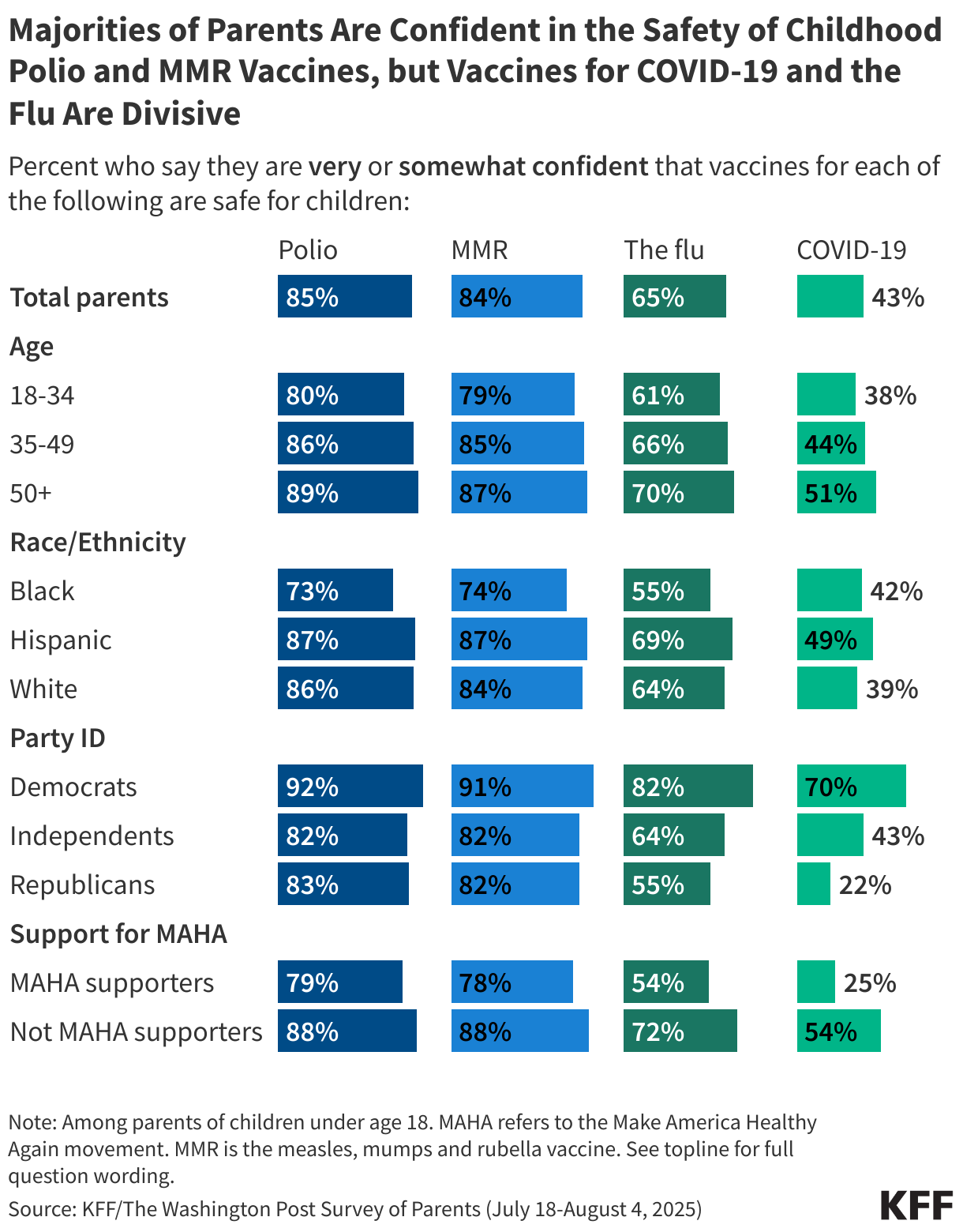
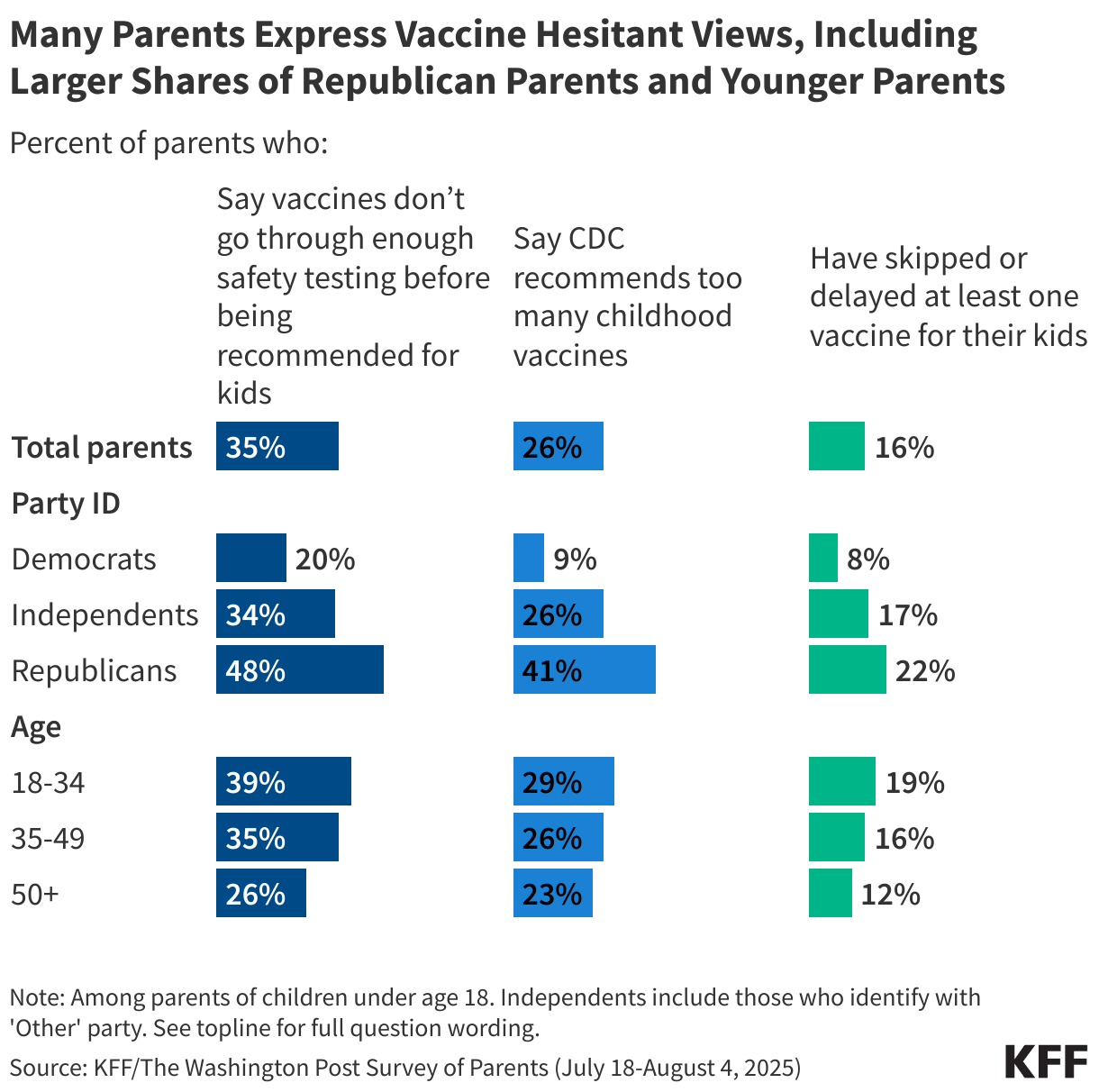
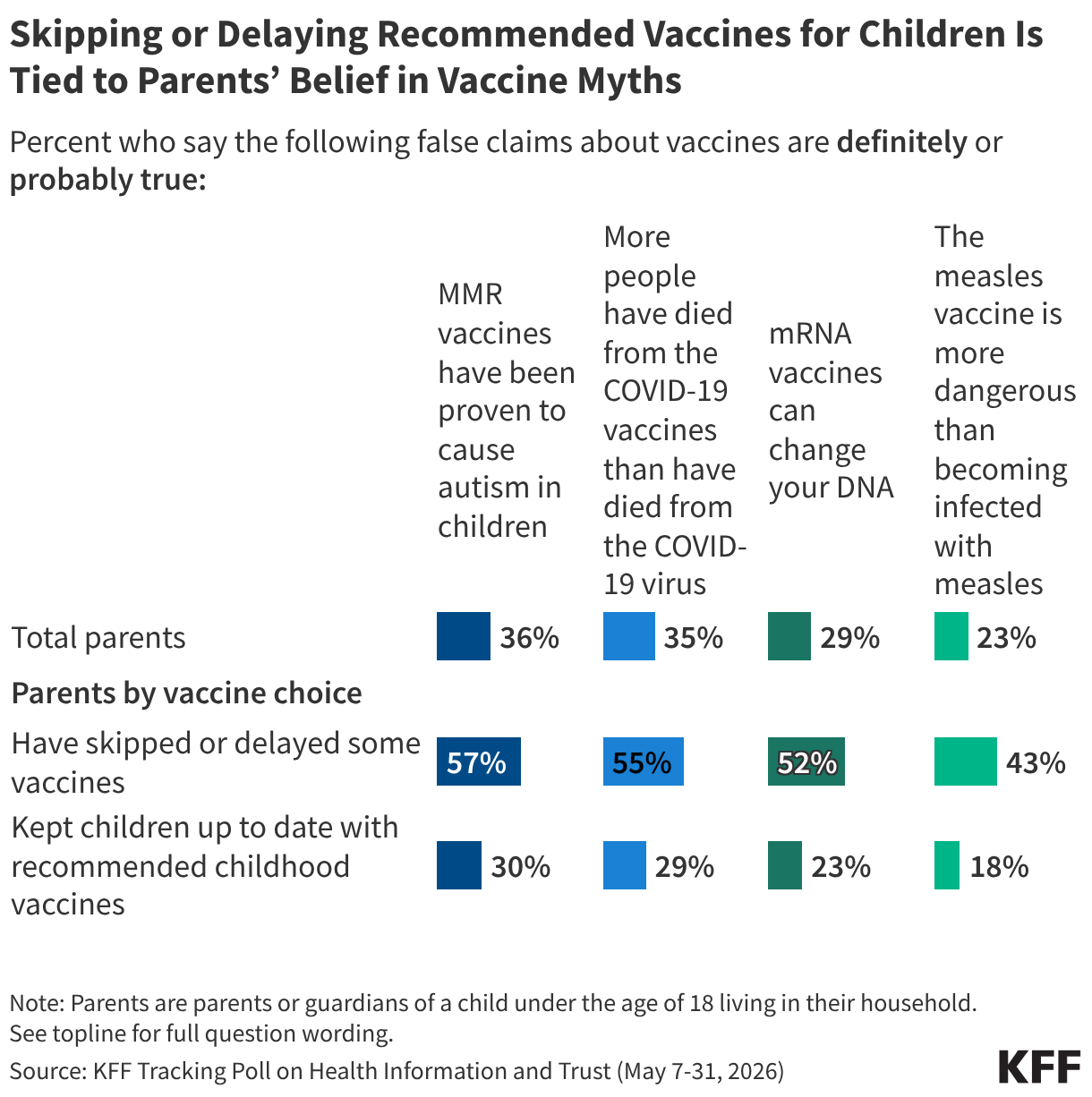
The decline in trust is perhaps most visible in the context of childhood immunizations. While the majority of parents remain confident in standard vaccines like polio or MMR, the increased polarization surrounding COVID-19 and flu vaccines has created a spillover effect. Parents who are skeptical of institutional authority are now questioning the entire childhood vaccine schedule, a trend that poses a significant threat to herd immunity and the long-term control of preventable diseases.
3. The "Access Gap"
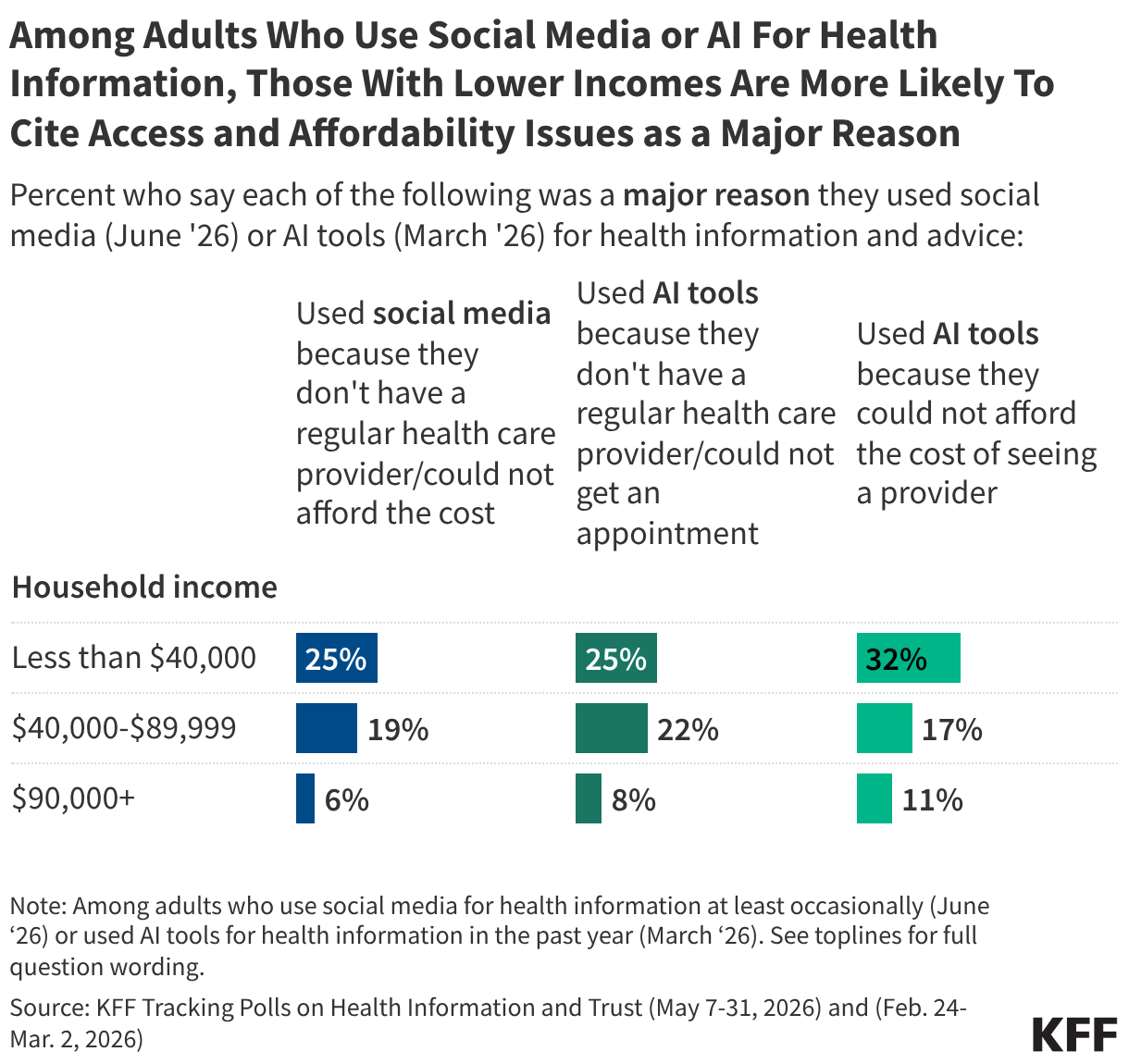
It is critical to note that for many, the turn toward social media and AI is not a rejection of science, but a response to a system they find inaccessible or unaffordable. The data shows that individuals who struggle to find a regular provider are the most likely to turn to AI for health guidance. This suggests that the crisis of trust is inextricably linked to a crisis of access. If the medical establishment cannot provide accessible, empathetic, and affordable care, the public will continue to seek alternatives, regardless of the risks involved.
4. Navigating the AI Frontier
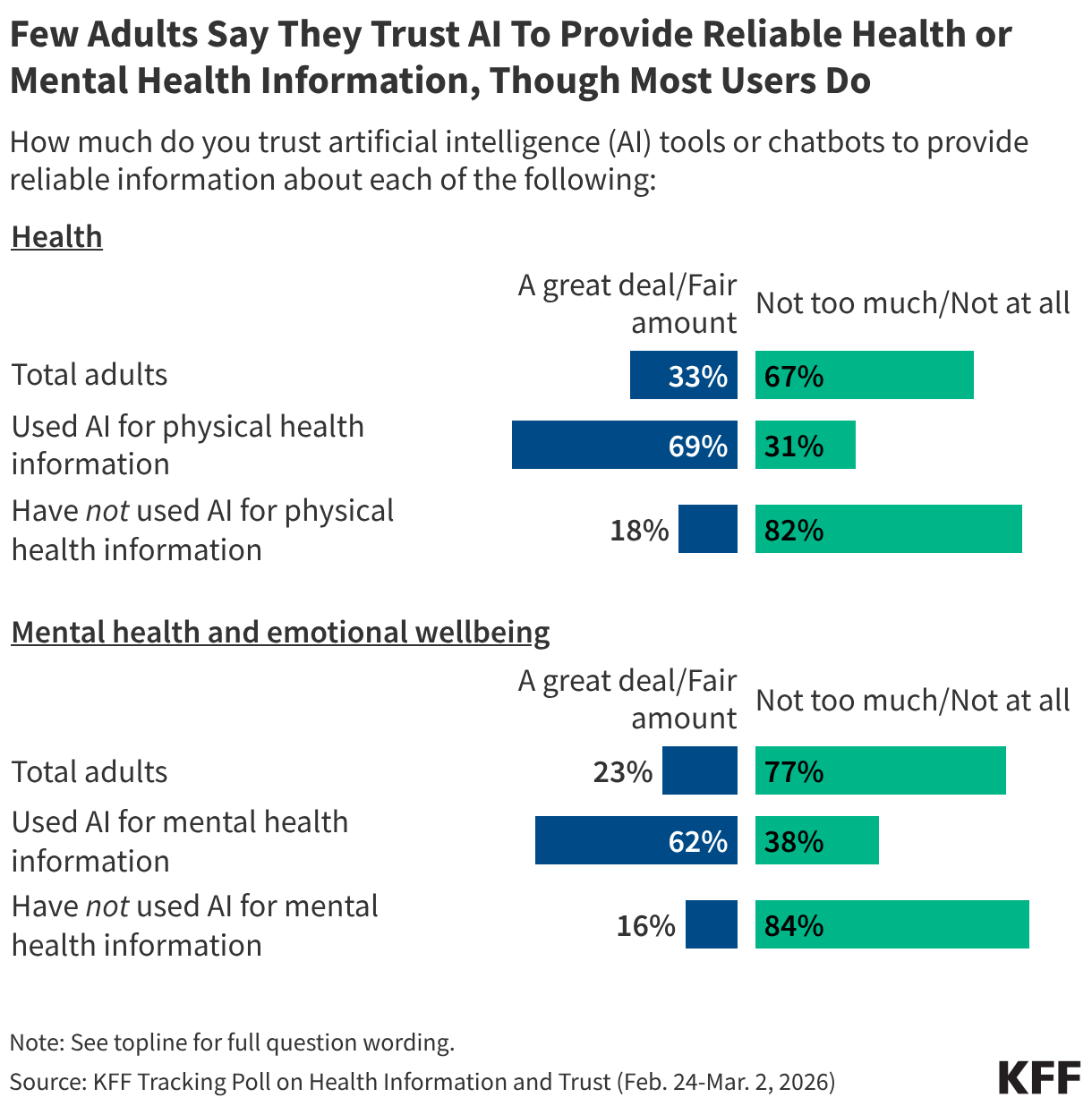
The rise of AI as a primary health information source represents a new, largely uncharted territory. While current users report high levels of trust in AI chatbots, these tools are often trained on the same internet datasets that contain the very misinformation health authorities are trying to combat. The potential for AI to scale the reach of inaccurate health claims is a significant risk that policy makers and technology firms have yet to adequately address.
Conclusion
The KFF polling data serves as a sobering reminder that public health is not merely a scientific endeavor; it is a social contract. The current erosion of trust is a symptom of a larger, systemic breakdown in how information is disseminated and consumed in the 21st century.
Rebuilding this trust will require more than better messaging; it will require a fundamental reassessment of how health institutions engage with a skeptical public. Without clear, transparent, and non-partisan leadership, and without addressing the underlying issues of access that drive patients toward digital substitutes, the trend of declining institutional confidence is likely to continue, with serious implications for the health and safety of the American public.

 Reynand Wu
 Rifan Muazin