


 Lina Irawan
Main Facts: The Staggering Cost of the "Strawberry Graveyard"
In the modern American household, a recurring tragedy unfolds behind the gleaming stainless steel doors of the refrigerator. It begins with the purchase of fresh produce—vibrant strawberries, crisp kale, and firm avocados—and ends, more often than not, in a slimy, mold-covered heap at the bottom of a trash bin. While individual instances of tossed leftovers may seem negligible, the cumulative effect is a national crisis of economic and environmental proportions.
According to data from the Environmental Protection Agency (EPA) and various consumer advocacy groups, the United States wastes approximately 40 percent of its entire food supply. For the average American household, this inefficiency translates to a direct financial loss of roughly $2,913 annually. Nationally, this equates to over $161 billion worth of food being discarded every year, even as food insecurity remains a pressing issue for millions of citizens.
Experts argue that this waste is not merely a symptom of over-purchasing, but a fundamental failure in storage literacy. The reliance on single-use plastics and a misunderstanding of refrigeration microclimates have created a "perfect storm" for decomposition. Furthermore, the chemical composition of modern storage—specifically the use of plastics containing potential endocrine disruptors—has raised health concerns, prompting a movement toward glass, silicone, and traditional textile-based preservation methods.
Chronology: From Root Cellars to the Plastic Revolution and Back
The history of food storage is a narrative of shifting priorities, moving from long-term preservation to immediate convenience, and now, toward sustainable longevity.
The Pre-Industrial Era: Natural Preservation
Before the advent of mechanical refrigeration, households relied on the inherent properties of food and earth. Root cellars utilized the natural insulation of the soil to maintain cool, humid environments for tubers and pomaceous fruits. Herbs were dried or kept in water, and textiles were used to manage moisture levels. Storage was a high-touch, intentional process dictated by the seasons.
The Mid-20th Century: The Rise of the Plastic Era
The 1950s and 60s saw a paradigm shift. The introduction of polyethylene bags and rigid plastic containers promised a "modern" way to keep food. Plastic became the default because it was cheap, lightweight, and ostensibly airtight. However, this era also introduced the unintended consequence of accelerated rot. Plastic traps ethylene gas—a natural ripening agent emitted by many fruits—effectively "suffocating" produce and speeding up the decay process.
The Present Day: The Re-evaluation of "Convenience"
In the last decade, the intersection of the "Zero Waste" movement and clinical research into microplastics has sparked a resurgence in traditional storage techniques. Consumers are increasingly abandoning the "plastic-wrap-and-forget" mentality in favor of specialized tools like beeswax wraps, borosilicate glass, and dampened cotton bags. This shift marks a return to science-based storage that respects the biological needs of different food groups.
Supporting Data: The Science of Spoilage and Material Safety
To understand why food fails, one must look at the biological and chemical interactions occurring within the refrigerator.
The Ethylene Factor
Many fruits, such as apples, bananas, and stone fruits, produce ethylene gas as they ripen. When these items are stored in enclosed plastic bags alongside ethylene-sensitive items like leafy greens or carrots, the gas is trapped, causing the greens to turn yellow and slimy within days. Data suggests that simply separating ethylene producers from sensitive produce can extend shelf life by up to 150 percent.
The Humidity Paradox
The modern refrigerator is a complex ecosystem of varying humidity levels.
- High-Humidity Drawers: Ideal for thin-skinned vegetables and leafy greens that are prone to wilting.
- Low-Humidity Drawers: Necessary for fruits that emit ethylene, as the vent allows the gas to escape, preventing premature rot.
Research indicates that most consumers do not utilize these settings, often filling drawers to capacity, which restricts airflow and creates "hot spots" of bacterial growth.
Health and Chemical Implications
The push away from plastic is not solely environmental; it is physiological. Many plastics contain Bisphenol A (BPA) and phthalates, which are classified as endocrine disruptors. When fatty foods or acidic produce are stored in low-quality plastics, these chemicals can leach into the food. This has led to a surge in the popularity of "platinum-grade" silicone and borosilicate glass, materials that are chemically inert and can withstand extreme temperature fluctuations without degrading.
Official Responses: Government and NGO Initiatives
The scale of food waste has prompted official intervention from both federal agencies and international non-profits.
The EPA and USDA Joint Goal
In a rare collaborative effort, the EPA and the U.S. Department of Agriculture (USDA) have set a national goal to reduce food loss and waste by 50 percent by the year 2030. Their "Wasted Food Scale" prioritizes source reduction—teaching consumers how to buy only what they need and store it correctly—over composting or landfilling.
The NRDC’s Stance on Consumer Education
The Natural Resources Defense Council (NRDC) has frequently pointed out that "sell-by" and "best-by" dates are largely unregulated and lead to premature disposal of perfectly edible food. Their experts advocate for a "sensory-based" approach to food safety, backed by proper storage. "We are seeing a massive disconnect between how food is produced and how it is preserved at the finish line," an NRDC spokesperson noted in a recent report. "Better storage isn’t just a kitchen hack; it’s a climate solution."
Industry Innovations
Private sector responses have included the development of "smart" storage solutions. Companies like OXO and Stasher have entered the market with products designed to mimic the breathability of traditional materials while offering the durability of modern engineering. These products are often marketed with "life-cycle assessments" to prove their long-term environmental benefits over single-use alternatives.
Implications: The Triple Bottom Line of Better Storage
The move toward sophisticated, plastic-free food storage carries significant implications for the economy, the environment, and public health.
Economic Impact: Recapturing the $2,913
For the individual household, reclaiming nearly $3,000 a year is equivalent to a significant salary raise. On a macroeconomic level, reducing food waste could lower the demand-side pressure on food prices, potentially stabilizing costs for lower-income populations who are most vulnerable to inflation.
Environmental Consequences: Methane and Landfills
Food waste is the single largest component taking up space in American landfills. As food decomposes in an anaerobic (oxygen-free) environment, it produces methane—a greenhouse gas 25 times more potent than carbon dioxide at trapping heat in the atmosphere. If food waste were a country, it would be the third-largest emitter of greenhouse gases in the world. By extending the life of a head of lettuce by two weeks, a household directly reduces its carbon footprint.

A New Standard for Kitchen Management
The transition to plastic-free, organized storage necessitates a change in consumer behavior. The following strategies are becoming the new standard for the "proactive kitchen":
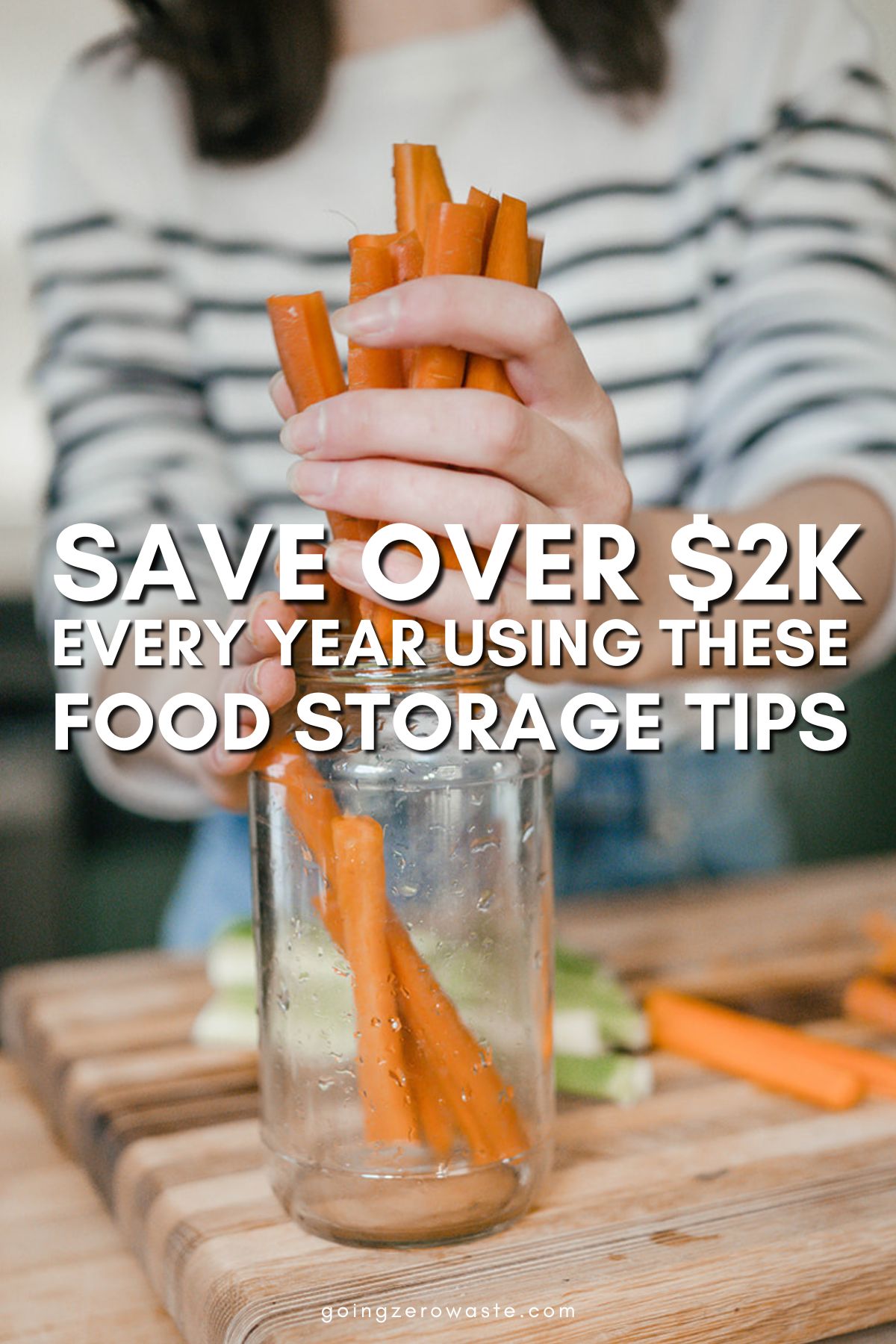
- The "Bouquet" Method: Storing herbs like cilantro and parsley in jars of water, much like fresh flowers, to maintain turgidity.
- The Vinegar Rinse: Washing berries in a diluted vinegar solution to kill mold spores before storing them in vented glass containers.
- Strategic Refrigeration: Moving highly perishable items like milk and eggs away from the "danger zone" of the fridge door (the warmest area) and onto the colder back shelves.
- Textile Integration: Utilizing "Swag" bags or dampened cotton towels to provide the hydration leafy greens need without the suffocation of plastic.
- The "First In, First Out" (FIFO) System: Borrowing a page from professional kitchens, households are implementing "Use It Up" bins to ensure older produce is consumed before newer purchases.
Conclusion: The Path Forward
The "moldy strawberry" is more than a minor annoyance; it is a symbol of a systemic inefficiency that costs the American public billions. However, the solution does not require radical technology. By returning to scientifically sound storage principles—prioritizing airflow, moisture control, and inert materials—consumers can effectively "stop the clock" on decomposition.
As we look toward 2030, the shift from a culture of disposal to a culture of preservation will be a defining metric of national sustainability. The professionalization of the home kitchen, through better storage and smarter organization, remains the most effective tool in the fight against the $161 billion food waste epidemic. Through intentionality and the abandonment of the "plastic default," the American household can finally close the lid on the era of the strawberry graveyard.


 Reynand Wu
 Lina Hope