

 Asep Darmawan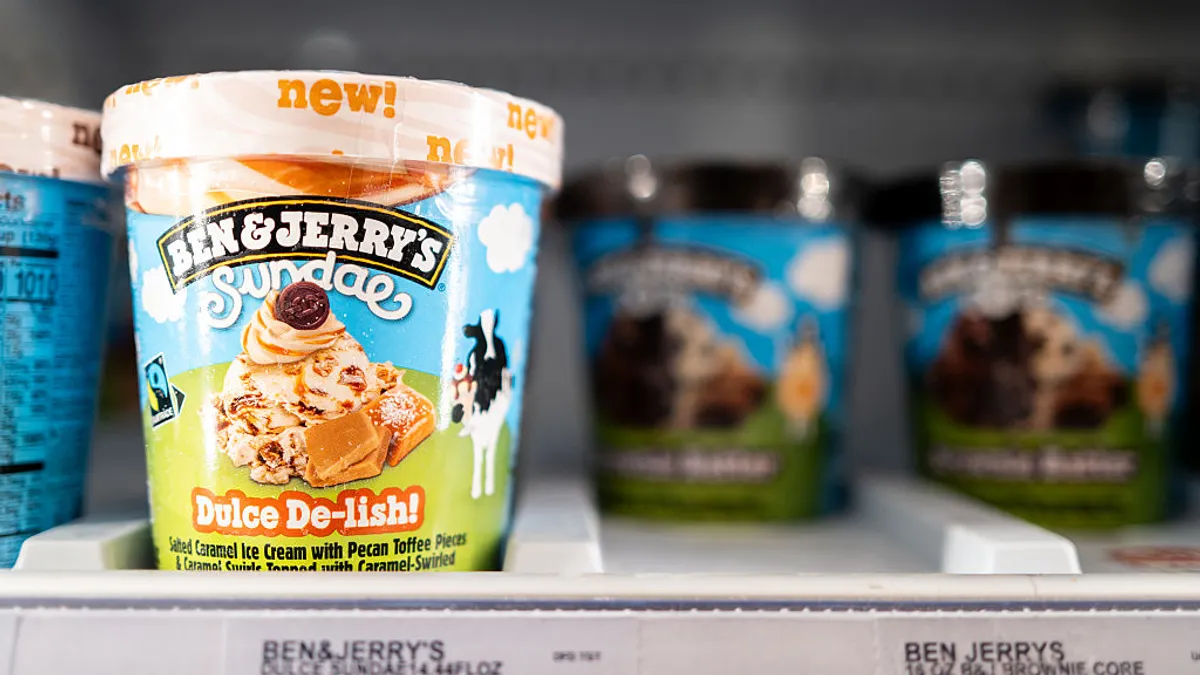
In a move signaling a fundamental shift in how premium ice cream brands reach their audience, Magnum—the iconic frozen dessert brand that recently spun off from its parent conglomerate, Unilever—has announced a strategic partnership with Mini Melts. This collaboration is designed to bypass the traditional grocery store freezer aisle and place Magnum products directly into the hands of consumers in high-traffic, experiential settings, such as sports arenas, shopping malls, and entertainment hubs.
This partnership, announced in May 2026, is a cornerstone of Magnum’s new “out-of-home” growth strategy. By leveraging Mini Melts’ established national network of 35,000 locations, Magnum aims to transform from a "stock-up-at-the-supermarket" staple into an "impulse-buy" lifestyle brand.
The Evolution of Indulgence: A Chronology of Change
The journey to this partnership began with a broader industry realization: the traditional retail landscape for ice cream was becoming saturated and increasingly competitive.
- December 2025: Magnum successfully completes its spin-off from Unilever, gaining operational independence. This allowed the brand to pivot its focus toward agile, high-growth channels without the constraints of a massive, multi-category conglomerate.
- Early 2026: Under new leadership, Magnum began re-evaluating its product formats. Recognizing that consumers were shifting toward experiential spending, the brand prioritized R&D for on-the-go consumption.
- April 2026: During a quarterly earnings call, CEO Peter ter Kulve noted that the company’s innovation strategy was shifting away from the standard pint format, which is often ill-suited for mobile consumption.
- May 13, 2026: The official partnership between Magnum and Mini Melts is formalized, marking a significant entry for Magnum into the “frozen vending” and kiosk-based retail model.
Supporting Data: Why "Out-of-Home" is the New Frontier
The decision to pivot toward away-from-home retail is backed by a shift in consumer behavior. Despite the pervasive influence of health-and-wellness trends, including the rise of GLP-1 weight-loss medications and the "Make America Healthy Again" movement, the indulgence category has remained surprisingly resilient.
Data from the first quarter of 2026 shows that Magnum experienced a 4.5% organic sales growth. Market analysis suggests this growth is fueled by a psychological phenomenon: consumers view dessert not as a daily dietary staple, but as a reward attached to a specific experience.
When a consumer visits a zoo, a Dave & Buster’s, or a major sporting event, they are already in a “spending mindset.” In these environments, the price point of an ice cream bar is secondary to the immediate gratification it provides. Mini Melts, which built its reputation as a direct competitor to Dippin’ Dots by aggressively securing contracts in convenience stores and entertainment venues, provides the perfect logistical backbone for Magnum’s expansion.
Mini Melts’ existing infrastructure—which includes specialized frozen vending technology—allows Magnum to deploy its products into these high-traffic environments with minimal friction, effectively piggybacking on a network that already captures millions of foot-traffic impressions annually.
Official Responses and Executive Strategy
The strategic rationale behind this partnership is clear: scale and accessibility.
"This partnership is an important step in expanding Magnum Ice Cream’s ability to reach consumers beyond the traditional aisle," said Bryce Carroll, Magnum’s senior commercial development manager. "Mini Melts gives us the scale and footprint to extend our brands into everyday moments and unlock new consumption occasions across the country."
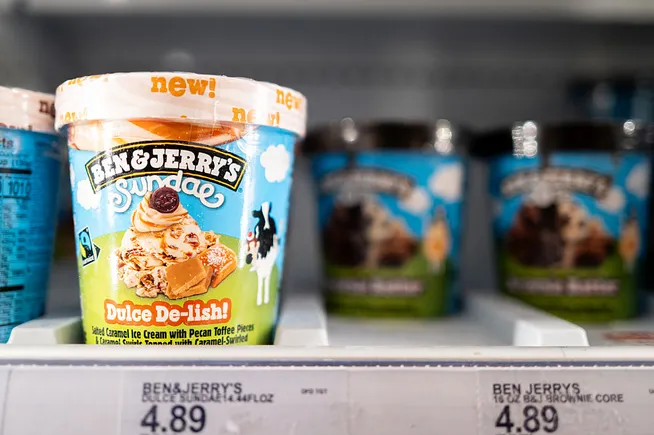
The executive team at Magnum is clearly signaling that the "pint era" is evolving. During last month’s earnings call, CEO Peter ter Kulve was candid about the limitations of the company’s legacy products. "It is very difficult to eat a Ben & Jerry’s pint when you are driving a car," Ter Kulve noted, highlighting the impracticality of traditional packaging for the modern, mobile consumer.

By diversifying into bars and other handheld formats—and then placing those products in front of consumers who are already "out and about"—the company is attempting to future-proof its portfolio. The strategy is to ensure that even if a consumer skips the ice cream aisle at the grocery store, they are still met with a Magnum product while they are at the movies or waiting for a concert to start.
Implications: The Future of Frozen Retail
The partnership carries significant implications for the broader frozen food industry, particularly regarding how legacy brands compete with niche, experience-driven competitors like Dippin’ Dots.
The Death of the "Pint-Only" Strategy
Magnum’s pivot underscores a growing recognition that consumer mobility is driving consumption patterns. The industry is moving away from the "large format" grocery model. We are likely to see more legacy brands following suit, attempting to condense their products into formats that are easier to handle, eat, and dispose of while on the move.
The Power of Experiential Retail
The success of J&J Snack Foods (the parent company of Dippin’ Dots) has proven that consumers do not stop buying ice cream just because of dietary trends—they just change how and where they buy it. By tying the product to a memory or an experience, brands can effectively insulate themselves from the "health-conscious" consumer sentiment. If a consumer is at an aquarium, the perceived "health cost" of an ice cream is lower than it would be on a Tuesday night at home in front of the television.
Logistical Innovation
Mini Melts is not just providing a shelf; they are providing a distribution ecosystem. As Magnum integrates its products into the Mini Melts vending network, the brand will gain access to granular, real-time data on consumption patterns in specific geographies and venues. This allows for hyper-targeted marketing and inventory management that is simply not possible in a traditional supermarket setting.

Challenges and Competitive Landscape
Despite the optimism, the strategy is not without its risks. The "out-of-home" space is highly fragmented. Managing a supply chain that reaches thousands of independent kiosks, zoos, and arenas is significantly more complex than shipping bulk pallets to a central supermarket warehouse.
Furthermore, Magnum must ensure that its premium brand identity is maintained in these environments. A high-end Magnum bar sold out of a vending machine must deliver the same quality experience as one bought in a premium grocery store. If the cold-chain integrity is compromised—a common challenge in outdoor or mobile retail—it could damage the brand’s reputation for quality.
Conclusion
Magnum’s partnership with Mini Melts is more than just a distribution agreement; it is a declaration of intent. As the CPG (Consumer Packaged Goods) landscape continues to fracture under the weight of changing demographics and shifting health priorities, the brands that win will be those that meet the consumer where they live—not just in the kitchen, but in the stadium, the shopping mall, and the park.
By embracing the "on-the-go" philosophy, Magnum is positioning itself to capture the "everyday moment," proving that even in a world obsessed with health and wellness, there is always room for a bit of indulgence—provided it’s convenient enough to grab while you’re on your way to the next big experience. As the company continues to iterate on new formats and occasions, the industry will be watching closely to see if this shift to out-of-home retail becomes the new standard for the frozen dessert sector.


 Dwi Wanna