



 Azzam Bilal Chamdy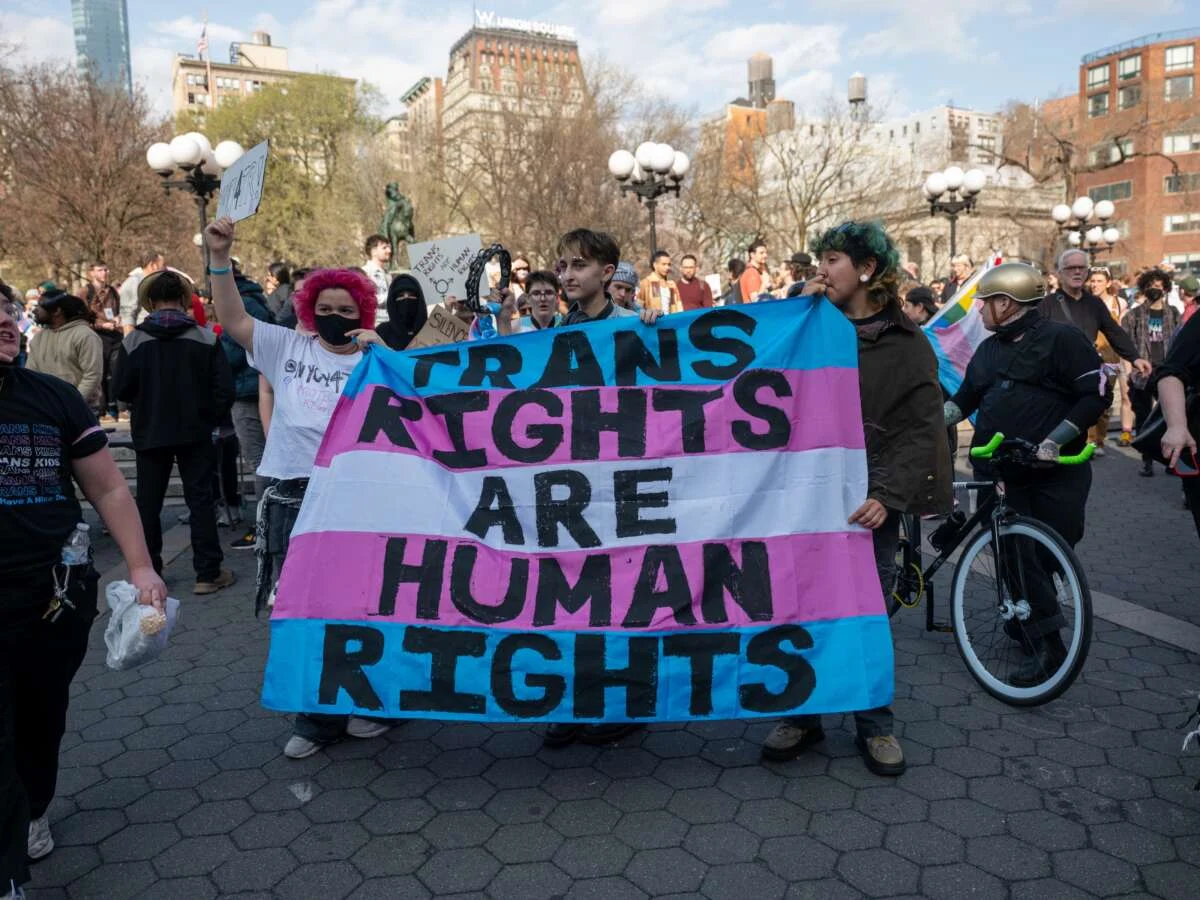
The United States federal government, in coordination with several state attorneys general, has launched an unprecedented legal and administrative offensive against the World Professional Association for Transgender Health (WPATH) and the broader medical infrastructure supporting gender-affirming care. Legal experts and civil rights advocates are drawing increasingly sharp parallels between this campaign and the McCarthyist "Red Scare" of the 1950s, arguing that the government is weaponizing regulatory agencies and the judicial system to purge a disfavored group from public life.
At the center of this storm is a lawsuit filed in the Northern District of Texas by the Federal Trade Commission (FTC) and the attorneys general of Texas, Alaska, Iowa, and Nebraska. The action marks a significant escalation in the government’s efforts to criminalize or otherwise eliminate transgender healthcare, moving beyond state-level bans into the realm of federal consumer protection law.
Main Facts: The FTC’s Novel Legal Offensive
The lawsuit against WPATH represents a radical departure from traditional applications of the Federal Trade Commission Act. Historically, the FTC Act has been used to prosecute commercial entities for "deceptive acts or practices"—specifically targeting companies selling fraudulent products, such as "snake oil" cures or deceptive financial services. However, the current complaint alleges that WPATH, a nonprofit professional medical organization, has engaged in deceptive commerce by providing clinical guidelines for pediatric gender-affirming care.
The government’s central argument is that WPATH "provided the means for medical providers to make false and unsubstantiated claims to parents" regarding the safety and efficacy of transition-related treatments. By framing medical guidelines as "deceptive marketing," the administration is attempting to subject scientific discourse and clinical advocacy to the same regulatory scrutiny as commercial advertising.
WPATH itself does not sell medical services or pharmaceuticals. It is an international multidisciplinary professional organization that publishes the "Standards of Care," which are utilized by hospitals, insurance companies, and healthcare providers worldwide. Its advocacy has been instrumental in the recognition of gender-affirming care as "medically necessary" by major American medical bodies, including the American Medical Association and the American Academy of Pediatrics. Critics argue that by targeting WPATH, the government is attempting to decapitate the organizational leadership of transgender medicine to trigger a collapse of the entire field.
Chronology of the Legal Escalation
The campaign against WPATH and gender-affirming care providers has followed a strategic, multi-stage progression:
- Initial Investigative Phase (2024-Early 2025): Federal agencies began issuing broad subpoenas to medical organizations and hospitals, seeking internal communications and patient data related to gender-affirming care.
- The D.C. Legal Setback: The FTC initially sought to enforce its investigative demands in Washington, D.C. However, District Judge James Boasberg rebuffed the agency, noting "extensive evidence of animus" and "wafer-thin justifications" for the government’s aggressive pursuit of WPATH’s internal documents.
- Strategic Forum Shopping (Mid-2025): Following the failure in D.C., the federal government shifted its strategy to the Northern District of Texas. Despite WPATH being headquartered in Illinois, the government justified the Texas venue based on a 46-year-old incorporation filing from 1980.
- The Texas Lawsuit (June 2026): The FTC and four state attorneys general filed their formal complaint in a jurisdiction known for its concentration of conservative, Trump-appointed judges, such as Reed O’Connor and Mark Pittman.
- Grand Jury Escalation: Simultaneously, the Department of Justice (DOJ) began utilizing a Texas-based grand jury to subpoena medical records from hospitals in "sanctuary" states like New York and Rhode Island, effectively bypassing local judicial protections.
Supporting Data: Judicial Engineering and Forum Shopping
The government’s reliance on "forum shopping"—the practice of choosing a court where the judge is likely to rule favorably—is a cornerstone of the current strategy. Data indicates that the Northern District of Texas has become a centralized hub for anti-transgender litigation. By filing in divisions where a single judge hears nearly 100% of civil cases, the administration has ensured that its challenges to transgender rights are heard by jurists who have historically ruled against the validity of gender-affirming care.
For instance, the DOJ’s use of a Texas grand jury to demand records from NYU Langone in Manhattan and hospitals in Providence, Rhode Island, has been characterized by legal scholars as a "jurisdictional end-run." While local judges in New York and Rhode Island have criticized the subpoenas as overbroad and politically motivated, the centralization of the investigation in Texas allows the government to consolidate its power under a sympathetic judicial umbrella.
Alejandra Caraballo, a clinical instructor at the Harvard Law School Cyberlaw Clinic, described the tactic as "a blatant unlawful effort by the DOJ to intimidate providers… by engaging in judge and forum shopping." This strategy mirrors the McCarthy era’s use of the Senate Permanent Subcommittee on Investigations, which Senator Joseph McCarthy chaired to ensure he had total control over the questioning and the narrative.
Official Responses and Administrative Purges
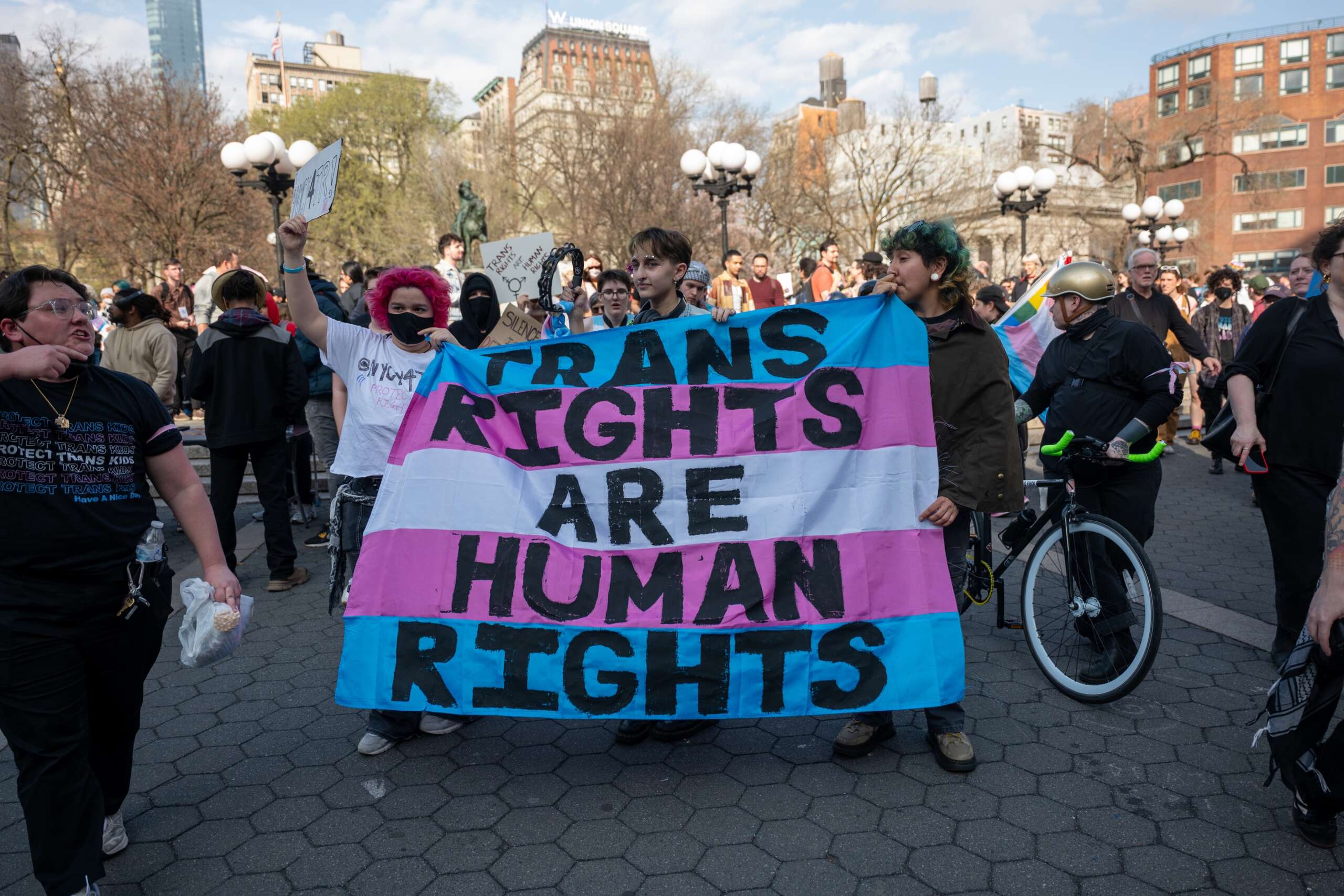
The campaign is not limited to the courtroom; it has permeated the entire federal bureaucracy. Through executive orders and new regulatory rules, the administration is moving to erase transgender identity from federal data and grant-making processes.
The "Gender Ideology" Rule:
A newly proposed federal rule would require an evaluation of all federal grant recipients—ranging from universities to social service nonprofits—to ensure they do not promote what the administration calls "gender ideology." This is defined as any acknowledgement that gender identity can differ from the sex assigned at birth.
Institutional Pressure:
- NCMEC: The National Center for Missing and Exploited Children was recently ordered by the DOJ to remove all references to transgender identity from its materials and to "deadname" (use the birth names of) transgender children in missing persons reports.
- RAINN: The Rape, Abuse & Incest National Network, the nation’s largest anti-sexual-violence organization, was pressured into scrubbing LGBTQ+-specific support resources from its public-facing platforms.
- Stonewall National Monument: Federal authorities have removed the word "transgender" from official descriptions and signage at the monument, despite the historical role of transgender women of color in the Stonewall Uprising.
These actions represent an "administrative erasure," where the government uses its power as a primary funder and regulator to force private and quasi-governmental organizations to adopt its ideological stance on gender.
Implications: The Threat to Medical Autonomy and Civil Liberties
The implications of the WPATH lawsuit and the broader federal crackdown extend far beyond the transgender community. If the government is successful in using consumer protection laws to dismantle WPATH, it establishes a precedent that could be used against any medical or scientific organization whose findings are politically inconvenient.
1. The Erosion of Medical Expertise:
If professional guidelines can be litigated as "deceptive trade practices," any medical body—such as those advocating for vaccinations, reproductive healthcare, or climate-related health interventions—could find itself targeted by a future administration. This subordinates scientific consensus to political and regulatory whim.
2. The Return of the Blacklist:
Much like the Hollywood blacklist of the 1950s, the current campaign seeks to make it professionally and financially impossible to support transgender people. By threatening the funding of any organization that acknowledges transgender identity, the government is creating a "loyalty oath" environment where compliance is the only path to institutional survival.
3. Privacy and the Surveillance State:
The DOJ’s pursuit of private medical records via out-of-state grand juries signals a collapse of medical privacy. Parents and doctors are being placed under a microscope, with the threat of federal investigation serving as a deterrent to providing or seeking standard medical care.
4. A Structural Identity with McCarthyism:
The parallels to the Red Scare are not merely rhetorical; they are structural. In the 1950s, the government did not need to win every criminal case to be successful; it succeeded by destroying reputations, draining the resources of its targets through endless litigation, and instilling enough fear to force the public into silence. The current campaign against WPATH follows this exact blueprint.
Conclusion
The legal assault on WPATH and the administrative purge of transgender identity represent a significant shift in American governance. By weaponizing the FTC and the DOJ to target scientific discourse and medical advocacy, the federal government has moved into a territory where ideological purity is enforced through the machinery of the state.
As this chapter of American history unfolds, the outcome of the Texas litigation will likely determine whether professional medical organizations can continue to operate independently of political interference. For the transgender community, the stakes are existential: a systematic effort to remove them from the public record and the healthcare system. For the broader public, the question remains whether the judicial and legislative checks on executive power will be sufficient to halt what many are calling a modern-day inquisition.

 Reynand Wu
 Lina Hope