



 Neng Nana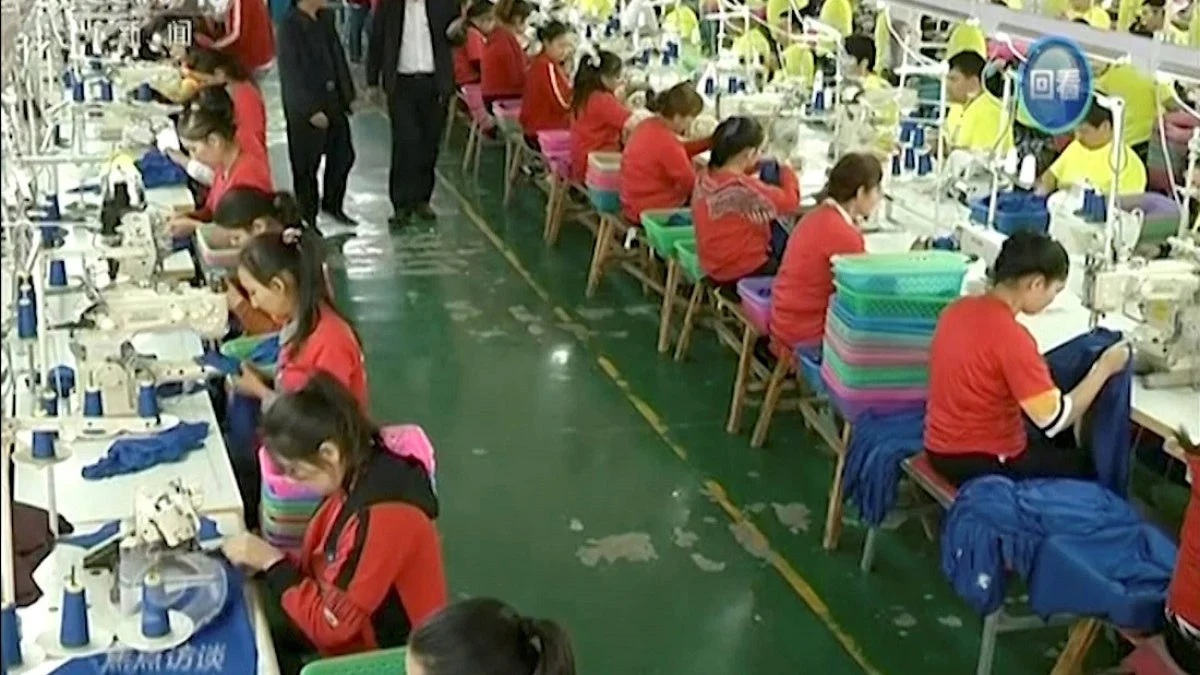
In a move that has sent shockwaves through the international human rights community, the Canadian government announced on June 11 the formal elimination of the Canadian Ombudsperson for Responsible Enterprise (CORE). The decision, spearheaded by Prime Minister Mark Carney, effectively dismantles the primary federal mechanism designed to hold Canadian-based multinational corporations accountable for human rights abuses occurring in their overseas operations.
While the administration has framed the dissolution of the office as a pragmatic pruning of an "ineffective" bureaucracy, critics argue that the move is a profound abdication of responsibility. By shuttering an office that was already struggling under the weight of systemic government neglect, Ottawa has signaled a retreat from the global stage on the critical issue of corporate due diligence, leaving thousands of victims of alleged human rights violations without a path to justice.
A Chronology of a Slow-Motion Collapse
To understand the demise of the CORE, one must look at the trajectory of the office since its inception. The timeline reveals a pattern of institutional hobbling rather than a genuine attempt at oversight.
- 2019: The Promise of Accountability. The Liberal government established the CORE office with a mandate to investigate complaints of human rights abuses linked to Canadian companies operating abroad, specifically targeting the high-risk sectors of mining, oil and gas, and garment manufacturing.
- 2020–2023: The Investigative Stagnation. Almost immediately, civil society organizations pointed out that the office lacked the "teeth" necessary for success. The government refused to grant the Ombudsperson the power to compel the production of documents or the testimony of witnesses—a standard requirement for investigating secretive multinational entities.
- 2025: The Leadership Vacuum. The position of Ombudsperson became vacant, and for more than a year, the government failed to appoint a successor. This left the office in a state of suspended animation, unable to issue final reports or move substantive complaints forward.
- June 11, 2026: The Final Blow. Prime Minister Mark Carney formally announced the elimination of the office, citing a lack of tangible results and "ineffectiveness" as the primary drivers for the decision.
- June 12, 2026: A Pivot to Trade Controls. One day after the elimination, the government announced new, narrower legislation aimed solely at strengthening the ban on the import of goods produced via forced labor, a move that critics suggest is a superficial attempt to appease international trade partners while avoiding broader corporate accountability.
Supporting Data: The Cost of Inaction
The failure of the CORE was not a failure of the concept, but a failure of the political will to support it. At the time of its closure, the office was processing a backlog of at least 36 formal complaints. These cases represented real-world harms, often in jurisdictions where the rule of law is weak and the power of Canadian corporations is absolute.
The Human Toll
The cases pending before the CORE were not abstract; they represented documented allegations of severe rights violations:
- Uyghur Forced Labor: Several complaints involved high-profile Canadian garment and mining firms with supply chains allegedly linked to state-sponsored forced labor programs in China.
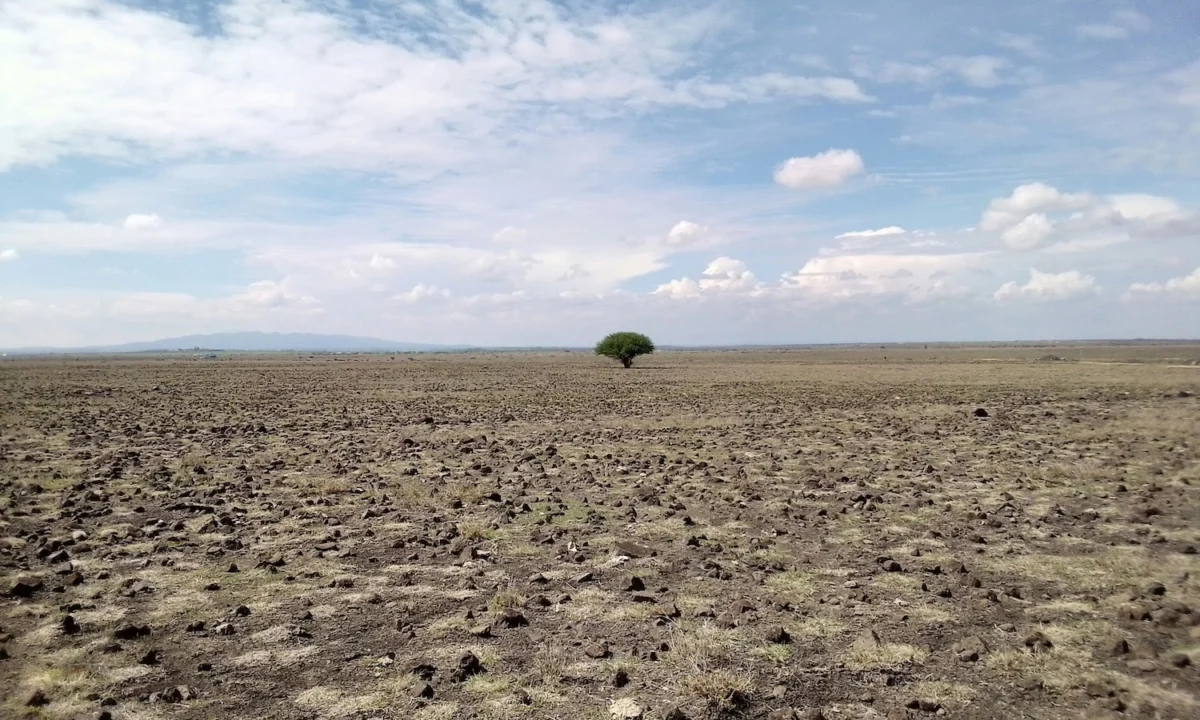
- Extractive Industry Abuses: In Namibia, complaints detailed human rights violations stemming from oil and gas exploration, where local communities alleged that their livelihoods were decimated without adequate compensation or consultation.
The Power Imbalance
The Canadian mining sector represents one of the largest concentrations of capital in the world. As of 2024, Canadian mining companies held over $200 billion in assets abroad. Despite this outsized influence, the government’s refusal to grant the Ombudsperson the power to subpoena records meant that investigators were forced to rely on voluntary cooperation—a strategy that failed consistently when companies chose to stonewall the process.
Official Responses and Political Justifications
The government’s narrative has centered on fiscal responsibility and the pursuit of "results-oriented" policy. Prime Minister Mark Carney defended the decision in Parliament, stating that "Canadians expect their government to invest in programs that deliver clear, measurable outcomes." He argued that the CORE had become a "symbolic gesture that failed to provide resolution for complainants," suggesting that the resources could be better utilized through targeted trade enforcement and diplomatic channels.
However, opposition parties and human rights advocates view this as a disingenuous argument. "The government starved the office of the tools it needed to succeed and then complained that it wasn’t successful," said a representative from a leading human rights NGO. "It is the equivalent of taking the wheels off a car and then declaring that the car is a failure because it cannot reach its destination."
The Ministry of Global Affairs has suggested that the new legislation regarding forced labor imports will be more effective than the CORE because it uses the "power of the border." By blocking goods, the government argues it can force corporate compliance more effectively than a complaint-based investigative office.
Global Implications: Canada’s Diminishing Credibility
The closure of the CORE has significant international implications, particularly as Canada attempts to maintain its image as a global leader in human rights and democratic norms.
A Signal of Impunity
By eliminating the oversight body, the Canadian government has effectively signaled to its multinational corporations that they can continue to operate with a high degree of impunity in the Global South. For countries struggling with the environmental and social impacts of Canadian-led extractive projects, this move is a betrayal of the promise that Canadian businesses would operate to a higher standard.
The Legislative Gap
The lack of mandatory human rights due diligence legislation remains a glaring hole in Canadian law. While European nations have moved toward strict "Human Rights Due Diligence" (HRDD) laws that legally require companies to audit their entire supply chain, Canada remains a laggard. The government’s recent announcement on forced labor is viewed by many as a "narrow band-aid" that fails to address the full spectrum of abuses, such as land displacement, environmental degradation, and union busting.
Civil Society’s Next Move
Civil society groups, including labor unions and international law experts, have vowed to challenge the decision. The argument is that the CORE represented a vital, if flawed, check on corporate power. By removing it, the government has removed the only venue where victims of corporate abuse could theoretically seek a public airing of their grievances.
The focus of advocacy groups is now expected to shift toward the courts. With the administrative route closed, affected communities may turn to domestic litigation in Canada, seeking to hold parent companies liable for the actions of their overseas subsidiaries—a path that is notoriously expensive, slow, and uncertain.
Conclusion: A Step Backward for Global Justice
The elimination of the Canadian Ombudsperson for Responsible Enterprise is a cautionary tale of how institutional design can be undermined by political indifference. While the office was far from perfect, its existence provided a critical, albeit limited, platform for the marginalized to speak truth to power.
The government’s justification—that the office was ineffective—ignores the reality that its ineffectiveness was a product of the government’s own design choices: specifically, the denial of subpoena powers and the failure to fill the Ombudsperson seat.
As Canada looks toward its future economic partnerships, it faces a fundamental choice: will it continue to prioritize the unbridled expansion of its extractive industries, or will it join the international movement toward genuine corporate accountability? The decision to dismantle the CORE suggests that, for now, the path of least resistance is the one being chosen. For the communities in China, Namibia, and beyond who were waiting on the CORE for a sense of justice, the silence from Ottawa is deafening.
True leadership in the 21st century requires more than just trade agreements; it requires the courage to regulate the giants of industry and ensure that prosperity is not built on the exploitation of the world’s most vulnerable. By closing the doors of the CORE, the Canadian government has turned its back on that responsibility.


 Ali Ikhwan
 Lina Irawan