
 Layla Zulfa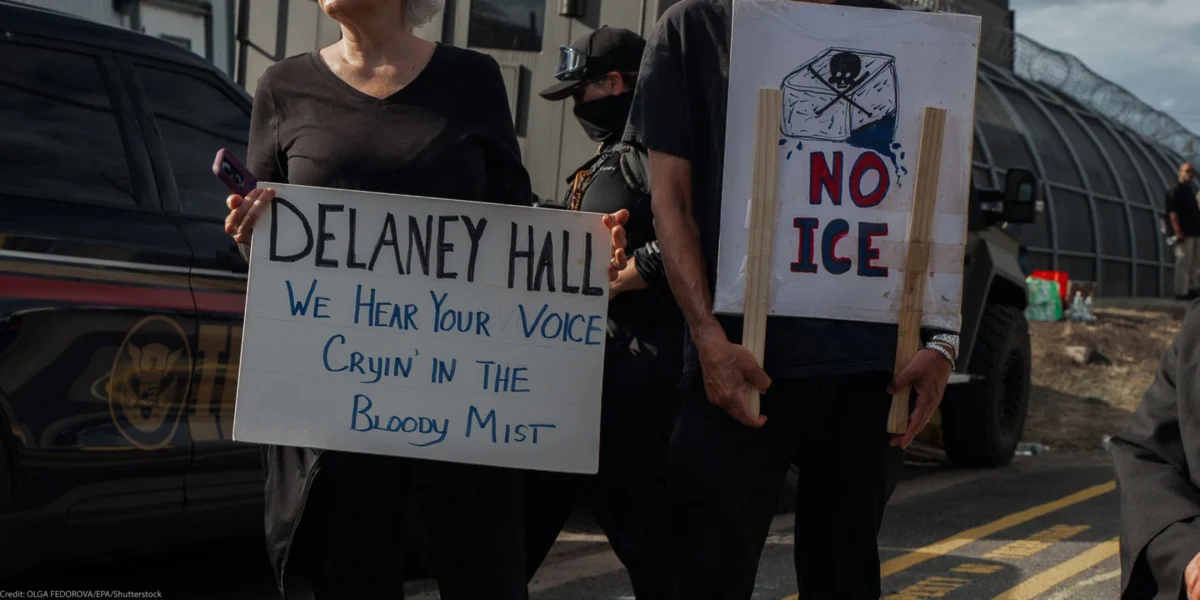
By Haddy Gassama, Senior Policy Counsel, ACLU
June 11, 2026
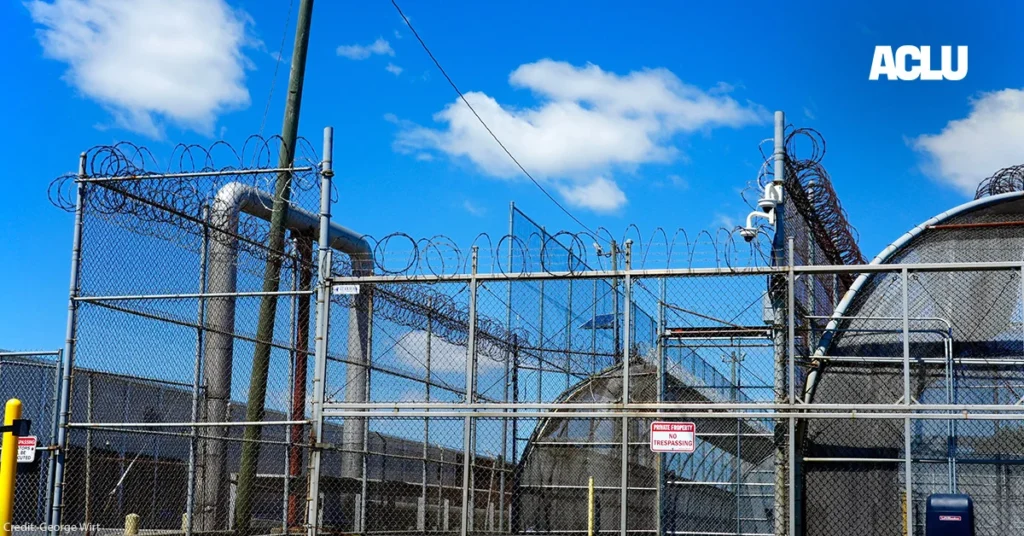
In detention facilities from New Jersey to Washington state, the American immigration system is facing an unprecedented wave of resistance. Hundreds of individuals, stripped of their liberty and subjected to what they describe as "torturous" conditions, have launched coordinated hunger and labor strikes. These protests, centered at the Delaney Hall Detention Facility in New Jersey, are not isolated outbursts of frustration; they are a collective, desperate plea for dignity and a fundamental indictment of a detention apparatus that advocates and lawmakers say has spiraled into a humanitarian catastrophe.
The Crucible at Delaney Hall
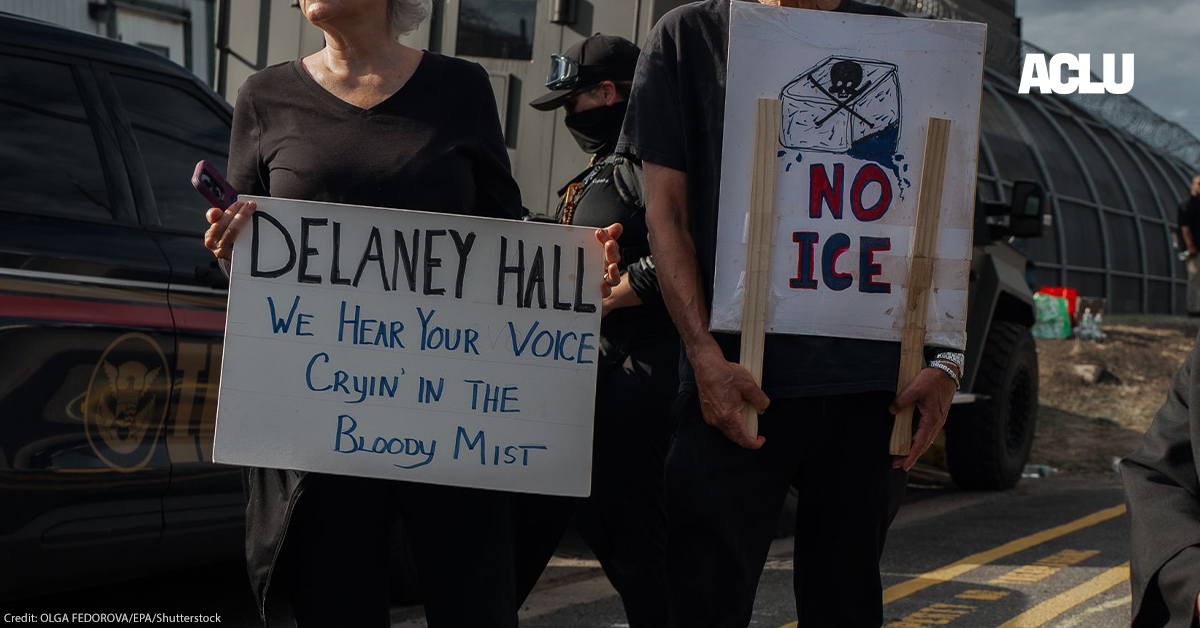
The situation at Delaney Hall has reached a boiling point. Nearly 300 detainees signed an open letter detailing a litany of abuses, ranging from chronic medical neglect to the regular provision of spoiled, inadequate food. For those trapped inside, the facility is described not as a processing center, but as a site of physical and psychological trauma.
"We feel vulnerable and, in a way, kidnapped," one detainee stated in a message relayed to legal counsel. "We are being detained without justification, not to mention that we are being tortured physically and psychologically due to the poor food resources and living conditions provided."
The response from Immigration and Customs Enforcement (ICE) has been characterized by observers as overtly hostile. Reports from the ground indicate that agents have employed pepper spray against detainees and peaceful protesters alike. Further, the agency has allegedly retaliated against those leading the strike by placing them in solitary confinement or transferring them to distant facilities, a tactic often used to fracture the solidarity of organized groups.
Chronology of a Growing Rebellion
The unrest at Delaney Hall is merely the most visible manifestation of a broader, nationwide crisis. The timeline of this year’s dissent reveals a pattern of systematic failures:
- Mid-April 2026: Hunger and labor strikes emerge in Phillipsburg, Pennsylvania, and Baldwin, Michigan, signaling a growing realization among detainees that their only recourse for visibility is to put their own bodies at risk.
- May 19, 2026: Detainees in Adelanto, California, launch a coordinated strike, citing similar demands for due process and basic human care.
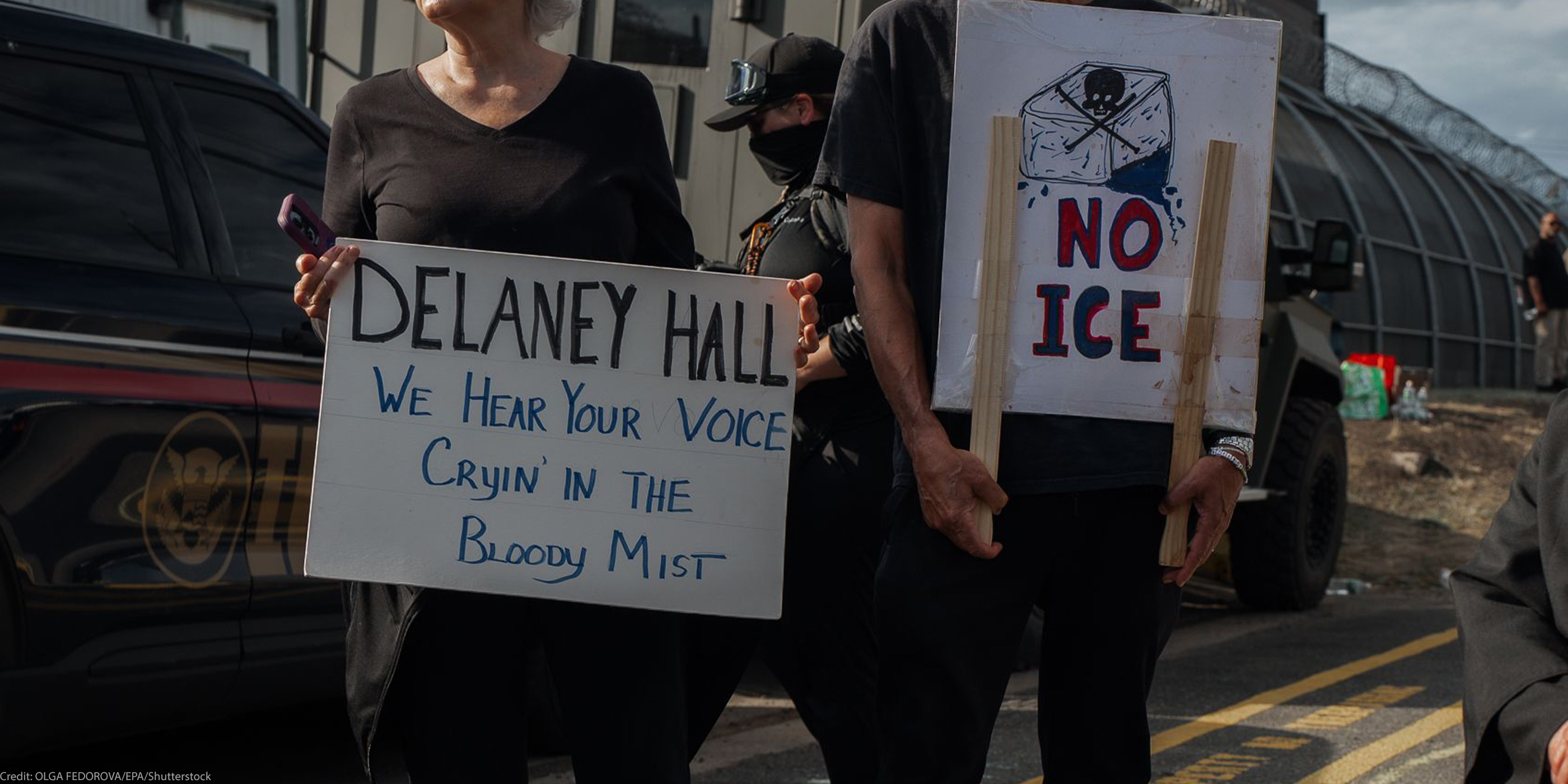
- Early June 2026: The Delaney Hall protests escalate. Solidarity demonstrations outside the facility draw community members and high-profile elected officials, leading to aggressive confrontations with ICE agents.
- June 2026 (Ongoing): At least five major strikes are currently active across six states, including a facility in Tacoma, Washington, which has now seen nine distinct strikes since the start of the year.
This rapid succession of protests underscores a fundamental truth: the detention system is no longer functioning as a temporary administrative measure, but as an expansive, opaque machine that treats oversight as an obstacle to its own expansion.
Supporting Data: A System "Falling Apart at the Seams"
The scale of the crisis is supported by recent government findings. A landmark report from the Government Accountability Office (GAO) recently scrutinized Camp East Montana, the nation’s largest detention facility located on the Fort Bliss military base. The report identified "significant, pervasive issues" regarding the treatment of migrants, including a failure to conduct mandatory health assessments within the required 14-day window and the shocking mismanagement of security, such as a lost loaded firearm on the premises.
Furthermore, the fiscal reality of this system is deeply troubling. Five of the six facilities currently experiencing strikes are operated by private, for-profit prison corporations. The GEO Group alone, which manages four of these sites, collected over $1 billion in federal contracts last year. The revolving door between these corporations and federal oversight bodies is a point of intense scrutiny; the current acting director of ICE is a former executive of a company deeply embedded in the detention industry.
The human cost of this profit-driven model is staggering. Since January 2025, 50 people have died in ICE custody. Advocates argue that these deaths are not anomalies, but the "entirely predictable consequence" of an administration that has set a goal to detain up to 100,000 people simultaneously, prioritizing rapid expansion over the safety of those in its care.
The Fight for Oversight and Accountability
The attempts to silence the strikers have been met with a defiant pushback from Congress. Congressional oversight visits have become the primary mechanism for truth-telling in an environment where ICE has attempted to enforce a near-total information blackout, including blocking families from visitation and denying health inspectors entry.
However, these visits have come at a high personal cost. During recent demonstrations at Delaney Hall, federal agents were seen using batons and even physically shoving protesters—including members of the public—into the path of oncoming traffic. Senator Andy Kim was pepper-sprayed while attempting a routine oversight visit, and Representative LaMonica McIver has faced federal charges linked to her persistent efforts to document the conditions inside.
House Minority Leader Hakeem Jeffries, following his own visit to the facility, offered a sobering assessment: "This is not America," he remarked. The testimony of these officials provides an essential, independent layer of verification, piercing the veil of secrecy that the administration has sought to maintain.
Official Responses and Implications
The administration’s official stance remains one of denial, treating the crises as localized disruptions rather than systemic failures. Yet, the detainees’ demands are remarkably consistent and clear. They are not asking for preferential treatment; they are asking for the rule of law.
Their core demands include:
- Immediate release of the medically vulnerable, elderly, pregnant, and young.
- Meaningful case review by immigration judges, ending the reliance on indefinite detention.
- Habeas corpus rights, ensuring that federal courts can properly review the legality of their detention.
- An end to coercion, specifically stopping the practice of pressuring detainees into signing voluntary departure agreements or deportation papers under duress.
The broader implication of these strikes is an indictment of a detention system that treats human lives as administrative commodities. The reliance on private contractors, coupled with a lack of transparency, has created an environment where abuse flourishes unchecked. The administration’s current strategy of "information blackouts" and "punitive transfers" serves only to exacerbate the underlying tensions.
A Call to Action
As the hunger strikers at Delaney Hall and across the country continue to put their health and lives on the line, the responsibility shifts to the public and lawmakers. The ACLU and other human rights organizations are calling for an immediate pivot away from this culture of mass detention.
The demands of those on strike are not radical—they are the basic requirements of human dignity. We are at a critical inflection point. The money of the American taxpayer is currently funding a system that has proven itself incapable of basic accountability. Every day that the administration ignores these protests, the credibility of the immigration system erodes further.
The people on strike have done their part by making their suffering visible despite the immense risks of retaliation. It is now incumbent upon the rest of us—and particularly those in the halls of power—to match that courage with substantive action. This means more than just conducting oversight visits; it means closing facilities that have proven to be sites of torture, ending the practice of coerced deportation, and ensuring that every individual caught in the web of the American immigration system is afforded the fundamental due process they are owed.
The crisis is not just one of logistics or policy; it is a moral test. As long as the detention system remains "rife with abuse," as the GAO report suggests, the struggle for accountability will continue, fueled by the voices of those who refuse to be silenced, even in the "bloody mist" of a detention center.

 Ali Ikhwan
 Lina Irawan