
 Lina Irawan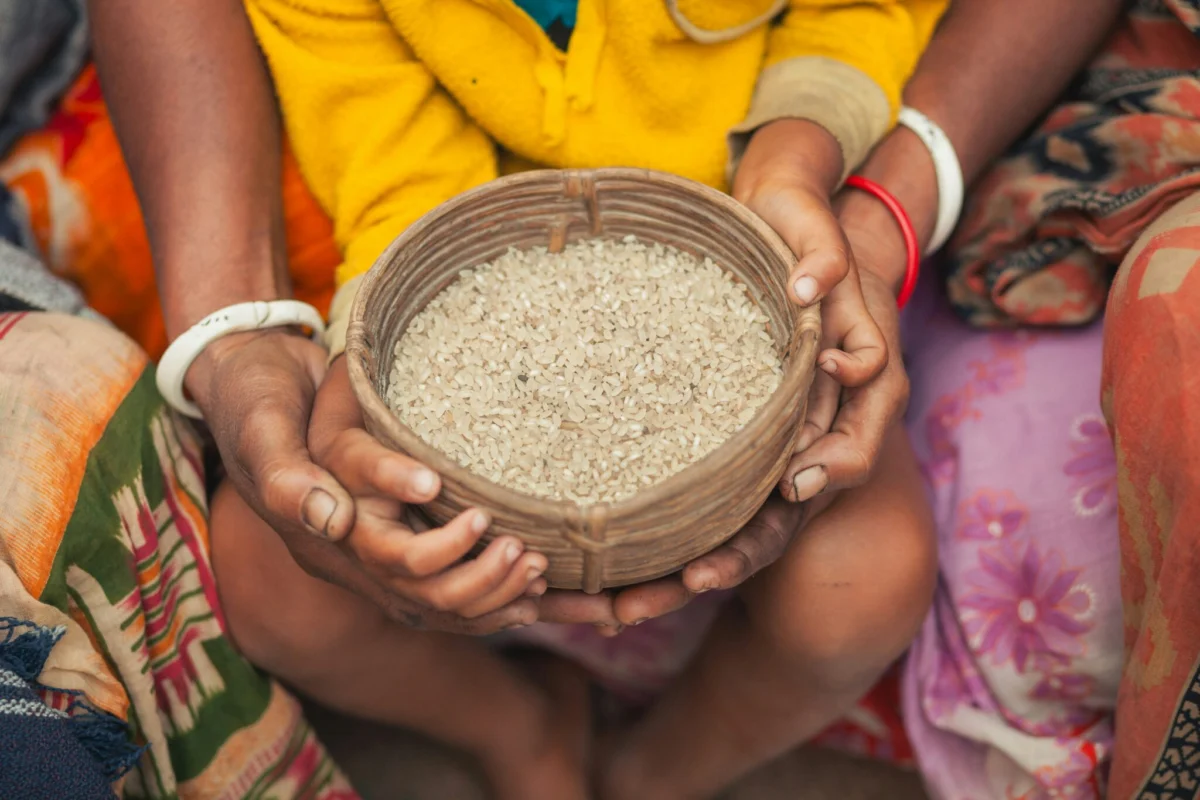
In March 2025, the landscape of American foreign policy and international development underwent a seismic shift—not through diplomatic negotiation, but through a systematic, top-down dismantling of the United States Agency for International Development (USAID). Among the few at the center of this storm was Nicholas Enrich, a career official who served under four presidential administrations.
Faced with what he describes as the deliberate shredding of the nation’s humanitarian infrastructure by the Trump-Vance Administration and the Department of Government Efficiency (DOGE), led by Elon Musk, Enrich made the agonizing decision to go public. His whistleblowing, documented in his new book, “Into the Wood Chipper: A Whistleblower’s Account of How the Trump Administration Shredded USAID,” offers a harrowing look at how institutional expertise was replaced by ideological expediency, leaving a vacuum in global health and food security that may take decades to recover from.
The Anatomy of an Institutional Collapse
A Chronology of the Dismantling
The erosion of USAID did not happen overnight, but the pace accelerated drastically following the inauguration of the current administration. By early 2025, the administration’s focus shifted toward extreme austerity and the outsourcing of government functions to private, often ideological, entities.
- Early 2025: The Department of Government Efficiency (DOGE) issues the first of a series of mandates targeting "non-essential" foreign aid programs, characterizing them as bureaucratic bloat.
- February 2025: High-level career officials begin to face pressure to prioritize isolationist policies, leading to a wave of resignations among senior technical experts in epidemiology and famine prevention.
- March 2025: Nicholas Enrich releases a series of internal memos detailing the specific operational impacts of these cuts. He warns of imminent, large-scale threats to global security and preventable mortality.
- April–June 2025: Field offices across the Global South report the shuttering of immunization clinics, the cessation of agricultural research, and the abrupt halt of emergency food distribution networks.
The Role of "Efficiency" as a Disruption Tool
The administration’s rhetoric centered on the idea of "efficiency," suggesting that USAID had become an inefficient vehicle for foreign influence. However, as Nabeeha Kazi Hutchins, President and CEO of PAI, noted in a recent interview, the reality was not an improvement in service delivery, but a complete "dismantling of systems that advance health, human rights, and economic development."
The shift replaced long-term strategic investments—such as climate-resilient farming and maternal health programs—with short-term, politically palatable projects, or in many cases, total abandonment.
Supporting Data: The Cost of Inaction
The consequences of this policy shift are not merely theoretical; they are reflected in shifting metrics of global health and stability. The removal of U.S. funding and logistical support for vaccination programs has already left a generation of children vulnerable to preventable diseases that were previously on the verge of eradication.
Impact on Public Health
Enrich points to the abandonment of immunization initiatives as his primary concern. USAID had long been the backbone of global efforts to combat HIV/AIDS and malaria. The withdrawal of this support has created a catastrophic gap in regional health coverage.
- Immunization Gaps: Millions of children in underserved regions have missed their routine vaccinations, triggering fears of resurgent polio and measles outbreaks.
- Research Stagnation: Scientific research conducted by the agency, which once provided the data necessary to predict and prevent epidemics, has been effectively paralyzed.
Agricultural and Food Security
Food Tank’s ongoing investigation into the agency’s closure highlights a dire reality: the loss of USAID’s agricultural research and development arm. As climate change continues to impact crop yields, the loss of U.S.-backed technology and expertise in climate-resilient farming is expected to lead to localized food shortages and, inevitably, mass migration, further destabilizing regions already fragile from political conflict.
Official Responses and Internal Resistance
The official stance from the administration has remained consistent: that the cuts were necessary to reduce the federal deficit and prioritize the domestic agenda. However, this narrative is sharply contested by those who saw the inner workings of the agency.
The Whistleblower’s Warning
Nicholas Enrich’s testimony serves as the primary counter-narrative to the administration’s official messaging. He argues that the decision to cut these programs was not a calculated fiscal policy but an act of "willful neglect."
"I don’t think anybody expected that the rug would be pulled out from under humanity in an instant," Enrich stated during a recent podcast appearance. "The result is not just a smaller budget; it is preventable death, destabilization, and a direct threat to national security on a massive scale."
The Call for Ethical Governance
Enrich’s book serves as a blueprint for civil servants who find themselves caught between their oath to the public and the dictates of an administration they believe is acting unethically. He argues that the "someone else will fix it" mentality is a trap. He asserts that the bureaucratic machinery of the United States, when weaponized, can destroy more in months than it took decades to build.
Global Implications: A World Without U.S. Leadership
The void left by USAID is being watched closely by the international community. Other nations are struggling to pick up the slack, but the sheer scale of the U.S. commitment—which, despite its flaws, provided the largest share of global humanitarian aid—cannot be easily replaced by private philanthropy or fragmented international cooperation.
A New Era of Vulnerability
The absence of the U.S. as a reliable partner in development has signaled a shift in global power dynamics. As countries that once relied on USAID look elsewhere for support, the U.S. is losing its "soft power" influence. Beyond the humanitarian tragedy, there is a geopolitical cost: the destabilization caused by these cuts often leads to political volatility, which in turn fosters environments where extremism can take root.
The Power of the "Citizen Eater"
Despite the grim outlook, there is a growing movement of advocates, including the team at Food Tank, who are working to map the path toward rebuilding. The consensus among experts, including food and nutrition economist Patrick Webb and global food policy researcher Caitlin Grady, is that the reconstruction of these systems will require a profound shift in public consciousness.
The argument is that if one administration’s decision-making can cause such sweeping, destructive change, then a motivated global community of "citizen eaters"—individuals who recognize the interconnectedness of food, health, and policy—can exert an equal and opposite force.
Rebuilding the Future: Courage as a Policy Tool
As the summer of 2025 progresses, the conversation around the dismantling of USAID is shifting from shock to strategy. The focus has turned to:
- Protecting Remaining Institutions: Identifying and insulating other vital government agencies from similar political dismantling.
- Building Independent Networks: Creating resilient aid structures that are not solely dependent on the whims of a single administration.
- Encouraging Professional Courage: As Enrich noted, "Courage is contagious." By sharing the stories of those who stood up for the truth, there is hope that future whistleblowers will feel empowered to act before irreversible damage is done.
Conclusion: We Cannot Be Bystanders
The story of the dismantling of USAID is a cautionary tale about the fragility of public institutions. When the safeguards of transparency and ethical oversight are stripped away, the institutions that protect the most vulnerable often become the first to crumble.
Nicholas Enrich’s final message to the public is one of urgency: "You cannot wait for somebody else to take responsibility… You need to speak out when you’re being asked to do things that you know are not right."
While the damage to USAID is profound, the resilience of the global community remains the final line of defense. As we move forward, the challenge is not just to mourn what has been lost, but to re-engage with the idea that our common humanity is a project worth defending—and that, in a precarious moment in history, silence is not an option.


 Dwi Wanna
 Asep Darmawan