




 Asro
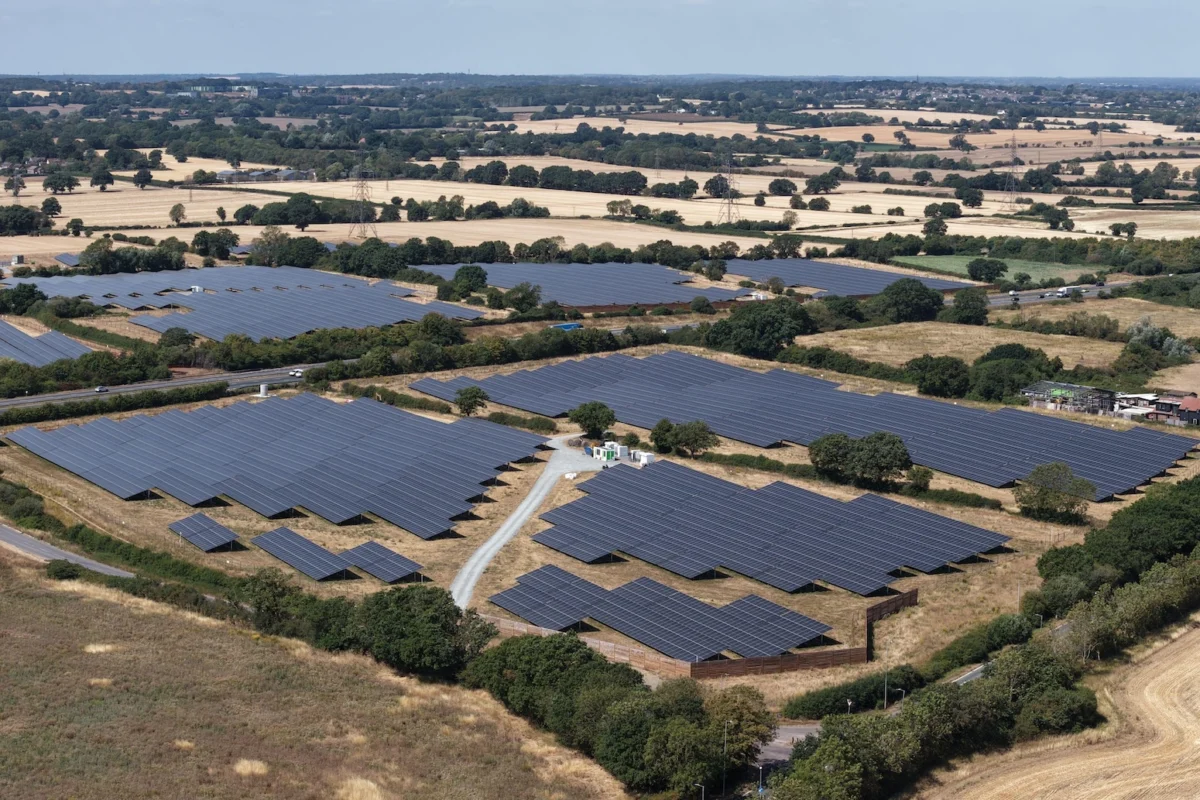
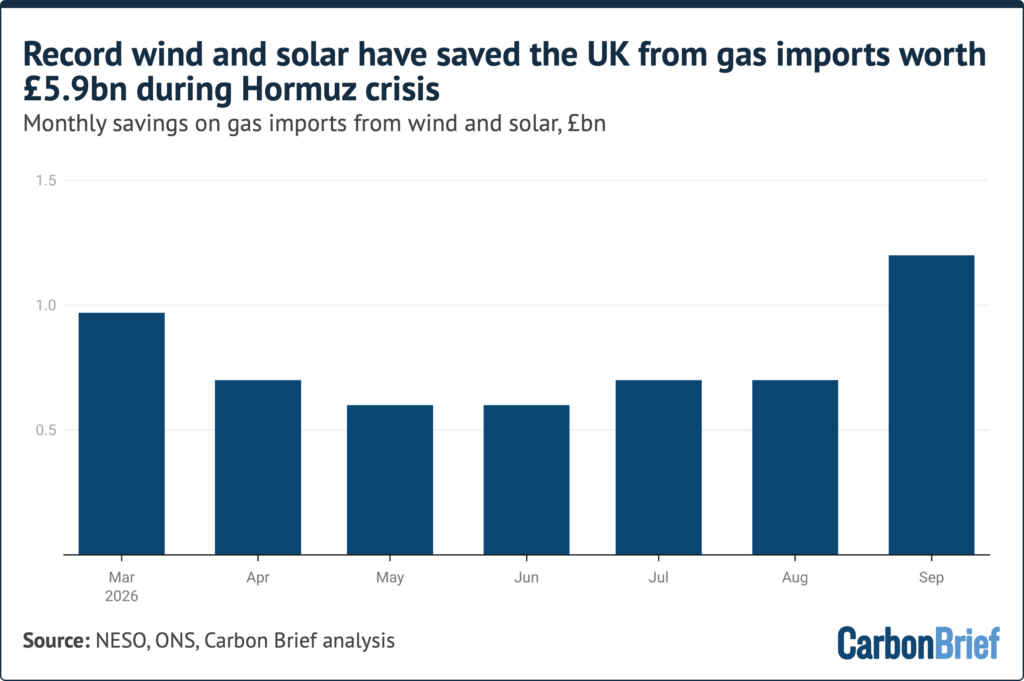
As geopolitical instability rocks global energy markets, the United Kingdom has found a vital, if unexpected, economic buffer in its transition to green energy. New analysis from Carbon Brief reveals that record-breaking generation from wind and solar power has shielded the British economy from £5.9 billion in potential gas import costs since the onset of the Hormuz crisis in February 2026.
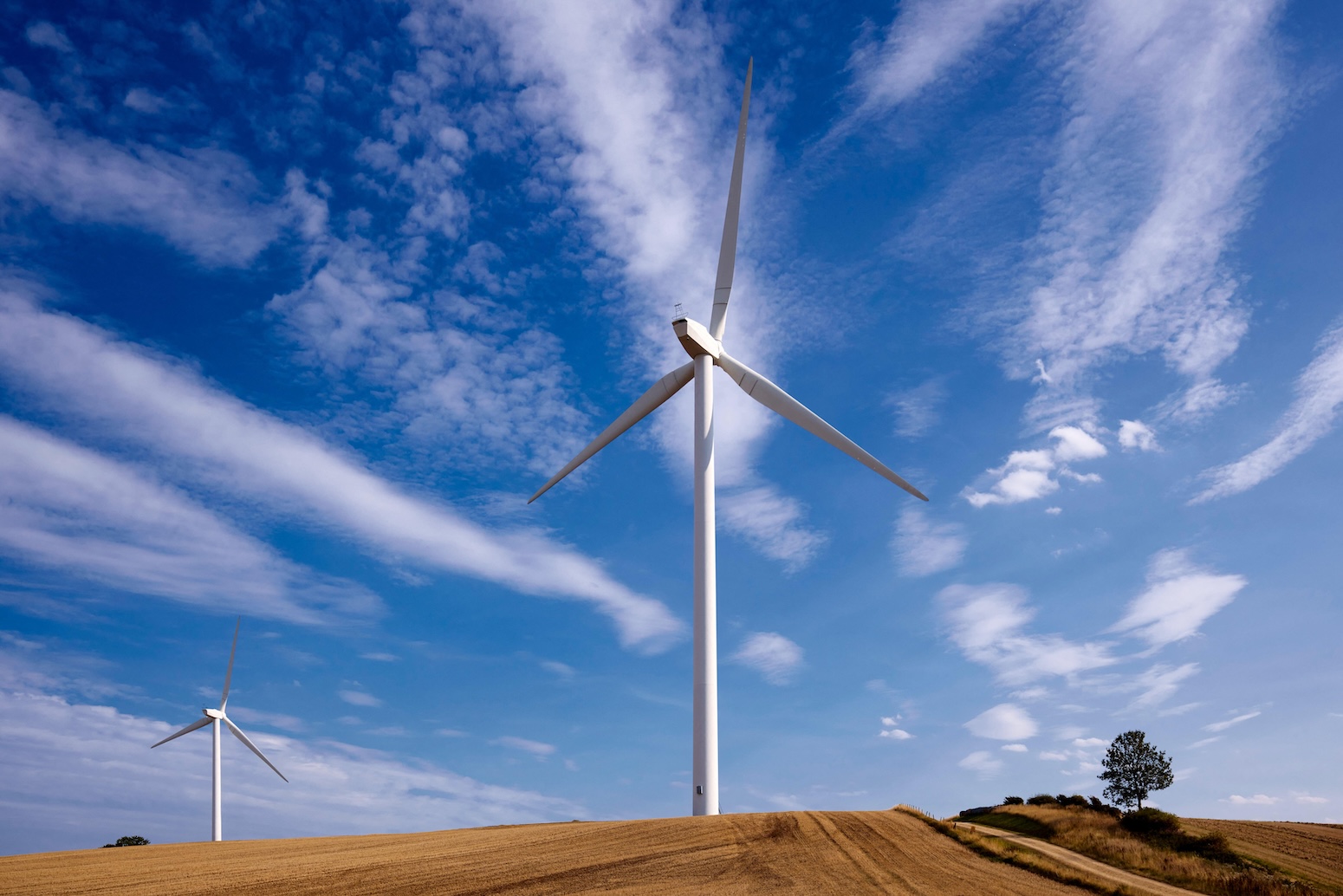
This financial insulation comes at a critical juncture. As global gas prices soar to levels unseen since the 2022 energy crisis, the UK’s commitment to wind and solar—which together generated a record 41% of the nation’s electricity in 2026—has prevented the need for over 100 additional liquefied natural gas (LNG) tanker deliveries.
The Economic Context: A Crisis of Supply
The global energy landscape shifted violently in early 2026 when war broke out between the United States and Iran, precipitating the Hormuz crisis. This conflict, centered on one of the world’s most vital oil and gas transit chokepoints, sent tremors through international markets.
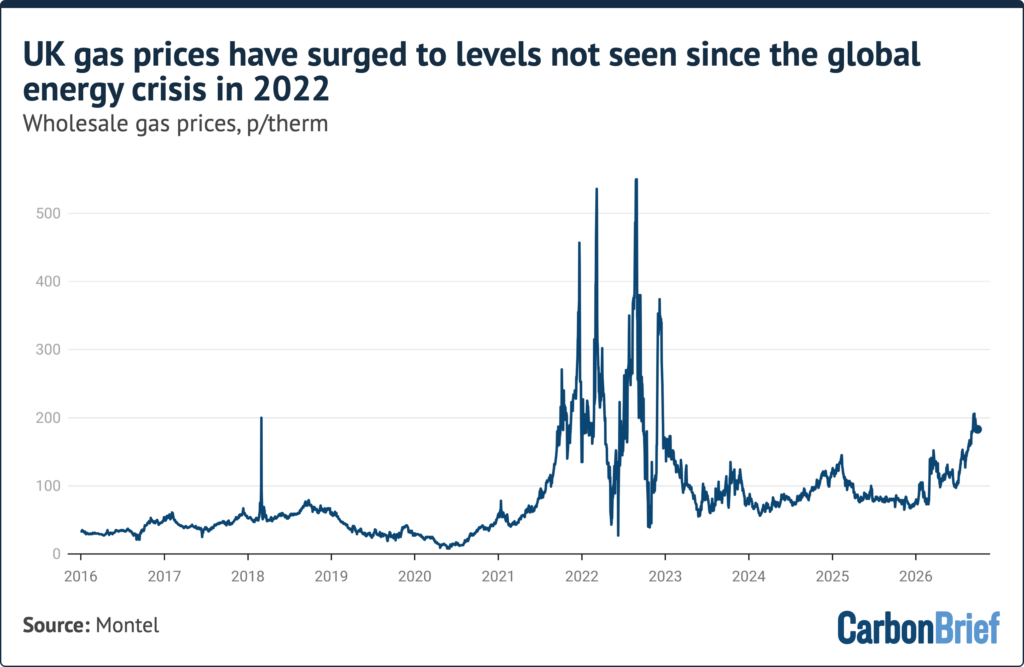
Since the outbreak of hostilities, gas prices have been on a relentless upward trajectory. In September 2026 alone, wholesale gas prices averaged 189p per therm—a stark contrast to the pre-2022 baseline. While the 2022 invasion of Ukraine by Russia first exposed the fragility of Europe’s energy dependence, the 2026 crisis has pushed prices to nearly four times the levels observed in 2019.
The current surge is exacerbated by seasonal demand. With winter approaching, the Northern Hemisphere is bracing for higher heating requirements. Compounding this, European gas reserves remain historically low, forcing the UK and its neighbors into a desperate, high-stakes competition with Asian markets to secure limited LNG supplies.
Chronology: From Stability to Global Volatility
To understand the significance of the current energy landscape, one must look at the timeline of the last four years:
- 2019–2021 (The Pre-Crisis Baseline): Gas prices remained relatively stable, averaging roughly 30-40p per therm.
- 2022 (The Ukraine Shock): Russia’s invasion of Ukraine and the subsequent curtailment of gas supplies to Europe caused prices to spike. Prices averaged 90p per therm from 2023 through the start of 2026.
- February 2026 (The Hormuz Crisis Begins): The outbreak of conflict in the Middle East introduced new, acute volatility into the global energy supply chain.
- March–May 2026: Initial analysis from Carbon Brief indicated early savings as renewables began to ramp up, with £1.7 billion saved in the first few months of the conflict.
- September 2026: Prices hit an average of 189p per therm, yet the record-breaking output of wind and solar—reaching nearly 10 terawatt hours (TWh) for the month—resulted in a single-month saving of £1.3 billion.
Supporting Data: The Renewable Revolution
The data demonstrates a clear decoupling of electricity generation from natural gas. While gas-fired electricity generation has fallen by nearly 10% year-on-year in 2026, renewable output has surged by 14%.
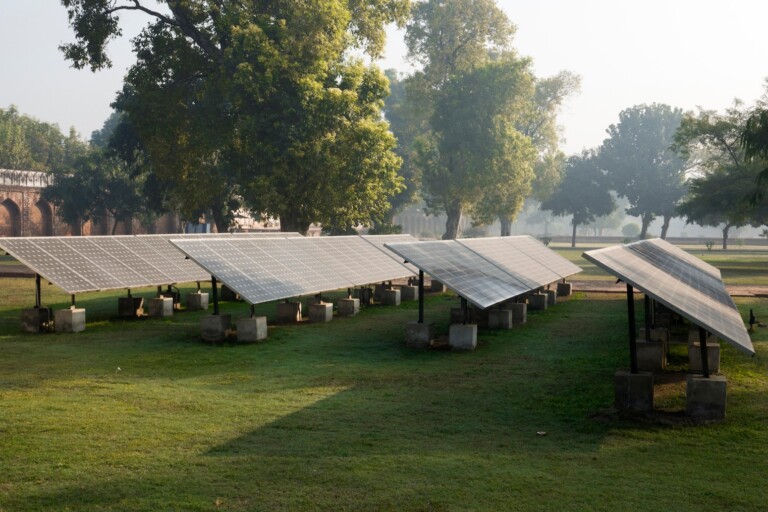
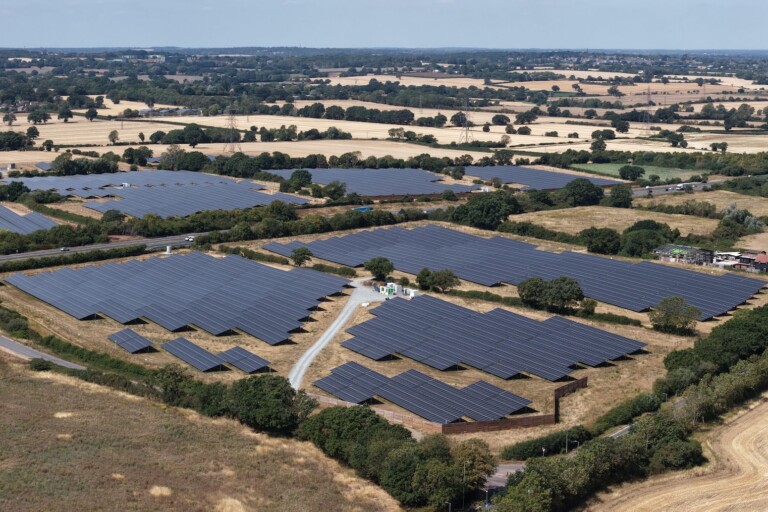
According to the analysis, wind and solar have provided 41% of the UK’s total electricity needs thus far in 2026. This performance is a testament to the expansion of offshore wind and solar infrastructure, which has fundamentally changed the UK’s energy mix.
This shift has created a tangible disparity between gas and electricity bills. Because the UK electricity grid is increasingly supplied by renewables, electricity prices have remained relatively stable, rising only 4% in recent months. In contrast, domestic gas heating bills are projected to jump by 33%—an increase of approximately £200 per year—following the latest Ofgem price cap adjustments.
Official Responses and Political Implications
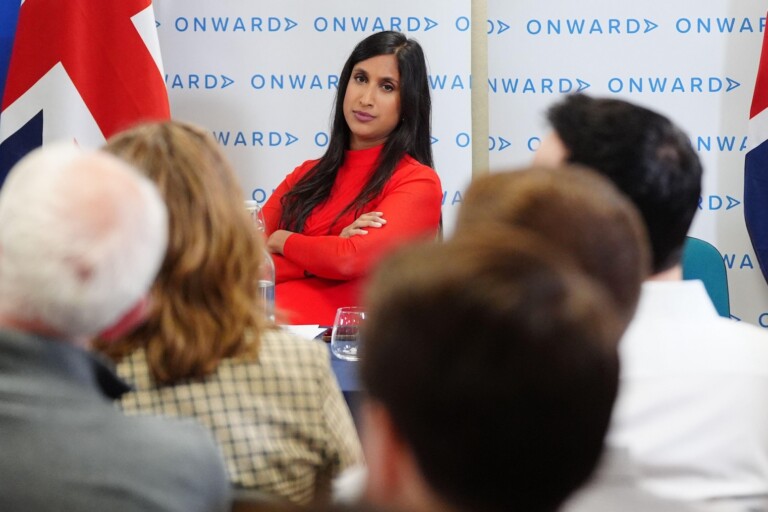
The UK government has acknowledged that the nation remains dangerously "exposed to global fossil-fuel markets," as stated by Energy Secretary Miatta Fahnbulleh during the recent Labour Party conference. Her assessment reflects the government’s recognition that while renewables are providing a safety net, the country is still far from energy sovereignty.
Prime Minister Andy Burnham echoed this sentiment, emphasizing that the government’s priority is to "break the link" between international gas prices and domestic electricity costs.
"We are already taking more control of our electricity prices with a massive expansion of home-grown renewables and nuclear," Burnham stated. "I have asked Miatta [Fahnbulleh] to speed up the breaking of the link between what we pay for power at home and the international gas market, to get bills down."
The political narrative is clear: the energy transition is no longer solely an environmental objective; it is a pillar of national security and economic stability. By reducing reliance on imported fuels, the government hopes to shield households from the whims of international conflicts and price gouging.
Implications for the Future
The implications of this analysis extend far beyond the current winter. If the Hormuz crisis persists, the UK’s reliance on renewables will only become more critical.
1. Breaking the Price Coupling
The current system, where the marginal price of electricity is often set by the price of gas, is under intense scrutiny. Economists and policymakers, including Andrew Sissons of the think-tank Nesta, have observed that the correlation between the two is beginning to fracture. Moving forward, the government is expected to explore market reforms that allow consumers to see the full financial benefit of cheaper renewable generation, regardless of the global gas price.
2. The Transportation Sector
The volatility of fossil fuel markets is not confined to the power sector. With diesel prices reaching record levels of approximately £2 per litre, the cost of personal and commercial transport has skyrocketed. Carbon Brief’s analysis highlights a silver lining: electric vehicles (EVs) are currently up to nine times cheaper to drive than their internal combustion counterparts. As fuel prices remain high, the economic case for rapid EV adoption is likely to gain significant momentum.
3. Global Equity and Climate Action
The UK’s ability to mitigate the financial impact of the crisis is a luxury not shared by all. Low- and middle-income countries, which lack the infrastructure to pivot quickly to renewables, have been hit disproportionately hard by the surge in fossil fuel import bills. The European Union alone has reportedly spent an extra €100 billion on fossil fuel imports since the crisis began, diverting funds that might otherwise have been invested in development or climate mitigation.
4. Storage and Reliability
As the share of intermittent renewables like wind and solar increases, the UK faces the challenge of maintaining grid stability. The need for "long-duration energy storage" (LDES) has become a primary policy focus. Without a robust strategy for storing clean energy during periods of high generation to use during lulls, the UK will continue to rely on gas peaker plants, keeping the link to the global gas market alive.
Conclusion: A Turning Point
The £5.9 billion in savings identified by Carbon Brief is more than just a statistic; it is a validation of the UK’s energy strategy. The "green shield" provided by wind and solar has acted as a critical economic stabilizer during a period of extreme geopolitical instability.
However, the path forward remains complex. The transition from a fossil-fuel-dependent economy to one powered by clean, home-grown energy is a monumental undertaking that requires not just the construction of turbines and solar arrays, but a fundamental overhaul of market structures, grid storage capabilities, and transport systems.
As winter approaches and the shadows of the Hormuz crisis lengthen, the UK’s experience serves as a case study for the rest of the world. The transition to clean energy is no longer a distant aspiration—it is the most effective tool currently available to secure affordable, reliable energy in an increasingly fractured global order. The government’s challenge now is to accelerate this transition, ensuring that the link between volatile international gas markets and the household electricity bill is severed for good.


 Nila Kartika Wati

 Dwi Wanna




