


 Ali Ikhwan
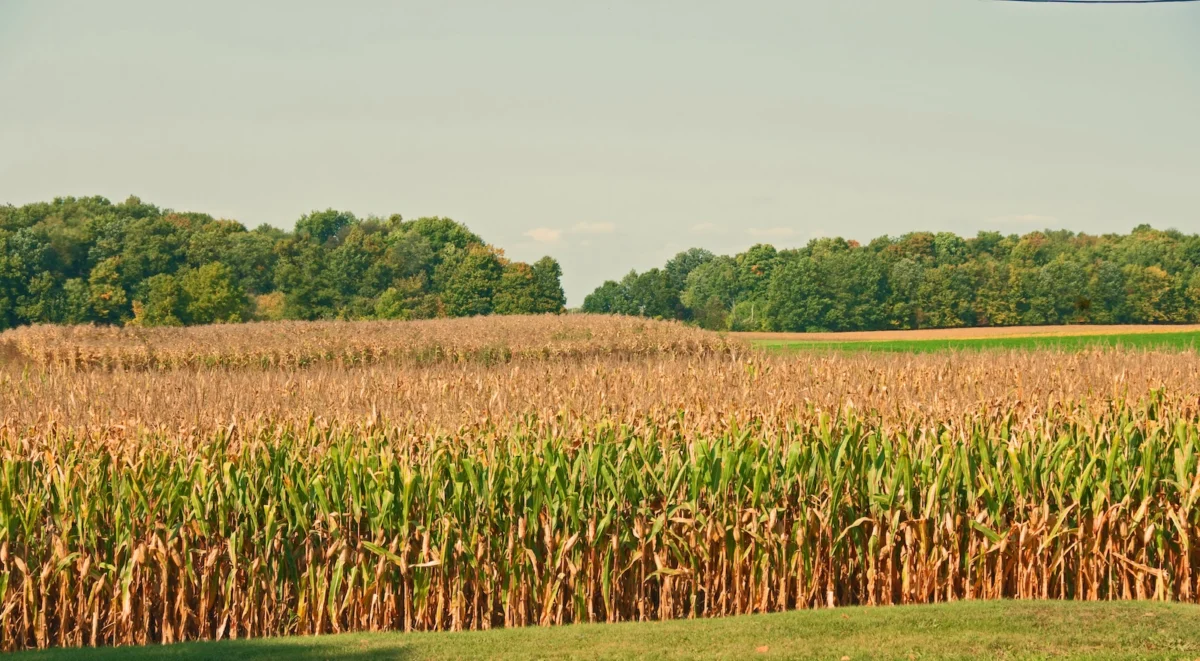
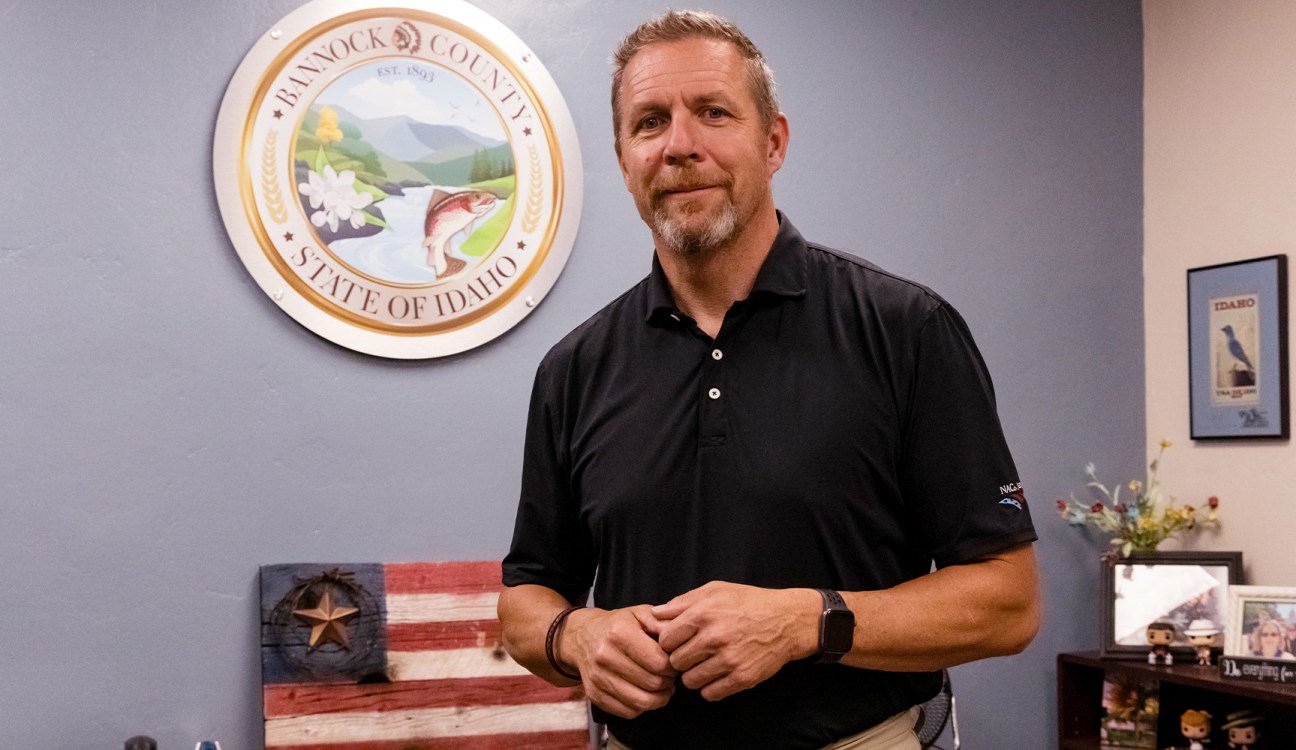
POCATELLO, IDAHO — In the heart of the American West, a quiet but fierce ideological struggle is reaching a fever pitch. Jeff Hough, the chair of the Bannock County Commission, stands at the center of a storm that encapsulates the broader national tension between traditional rural values, private property rights, and the urgent demands of a changing energy landscape.
Hough, a Republican, recently addressed a packed courthouse with an appeal rooted not in environmentalism, but in the founding documents of the United States. Invoking the Declaration of Independence, Hough argued that a blanket ban on utility-scale solar and wind development was more than just a local zoning issue; it was a violation of the fundamental right to exercise property ownership.
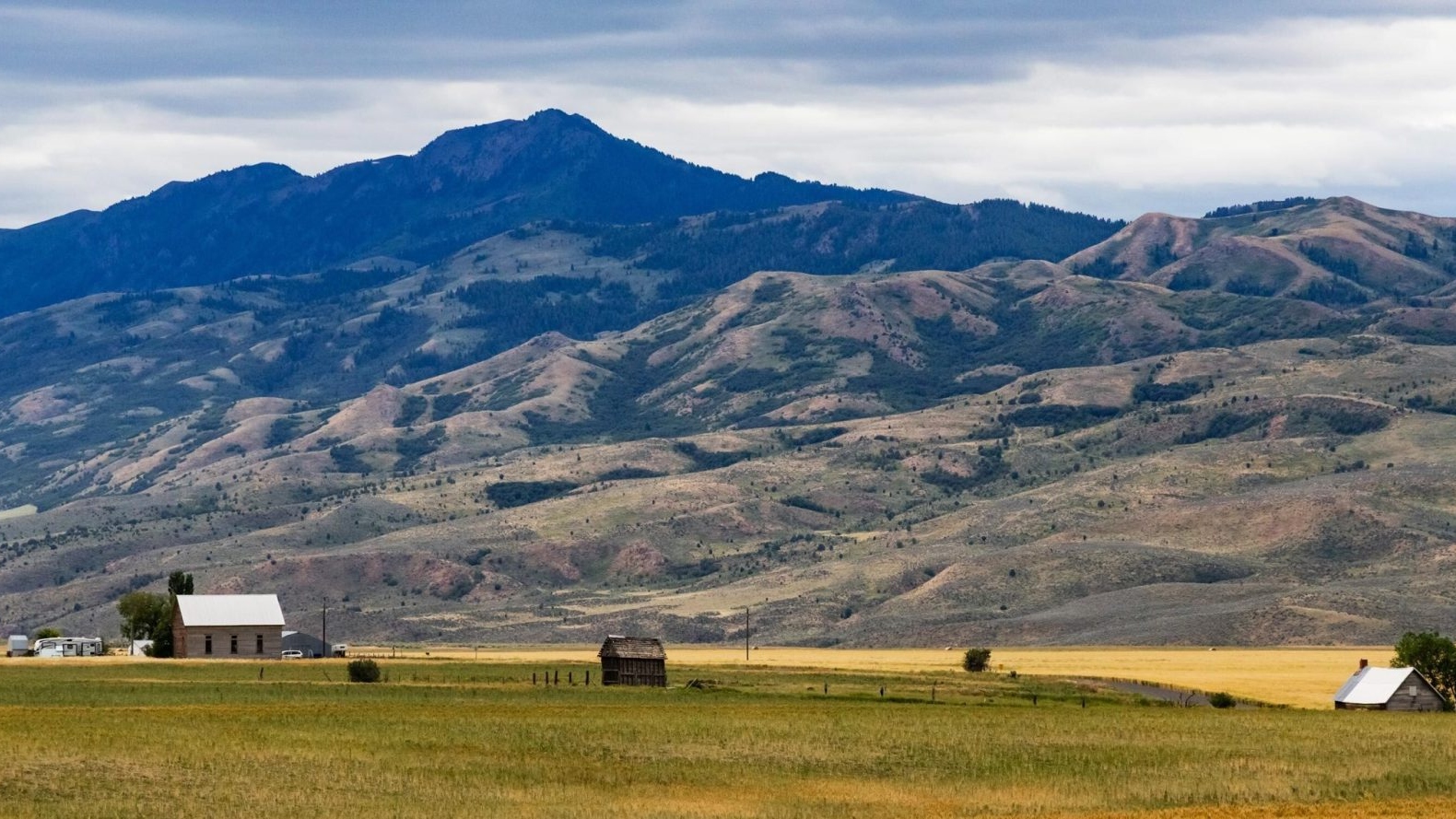
Despite his emphatic 2024 plea, the three-person commission initially voted 2–1 to ban large-scale renewable projects. However, the tide is turning. This fall, Bannock County is set to revisit that decision, voting on a new ordinance that would not only allow wind and solar but also integrate provisions for nuclear energy. This pivot represents a critical test case for rural America: Can a community that once swore off clean energy find a way to welcome it back?
Main Facts: The Current State of the Bannock Energy Dispute
The upcoming vote in Bannock County is not merely a local administrative change; it is a strategic reversal intended to position the county as an energy hub for the Pacific Northwest. The proposed ordinance introduces "new language" designed to mitigate previous concerns while opening the door to a multi-pronged energy strategy.
Key Elements of the New Ordinance:
- Repeal of the Ban: The ordinance would effectively end the 2024 prohibition on utility-scale wind and solar.
- Inclusion of Nuclear Energy: In a move to gain broader public support, the county is explicitly adding provisions for nuclear development, including Small Modular Reactors (SMRs).
- Regulatory Guardrails: Unlike the previous lack of oversight, the new draft includes strict requirements for decommissioning bonds—ensuring developers pay upfront for the eventual removal of equipment—and mandatory fire safety training for local departments.
- Economic Imperative: Idaho Power, the state’s primary utility, anticipates a 26 percent increase in electricity demand (approximately 1 gigawatt) by 2030. Proponents argue that Bannock County, with its critical Populus substation, is uniquely positioned to meet this demand.
Chronology: From Moratorium to Ban and Back Again
The path to the current stalemate began not with a desire to stop progress, but with a perceived need for a "pause."
October 2023: The Initial Moratorium
Following a conference in Boise where the controversial Lava Ridge Wind Project dominated headlines, Jeff Hough spearheaded a six-month moratorium on large-scale energy projects. His goal was to give the county time to draft regulations, fearing that without an ordinance, developers would "do whatever they wanted."
February 2024: The Public Outcry
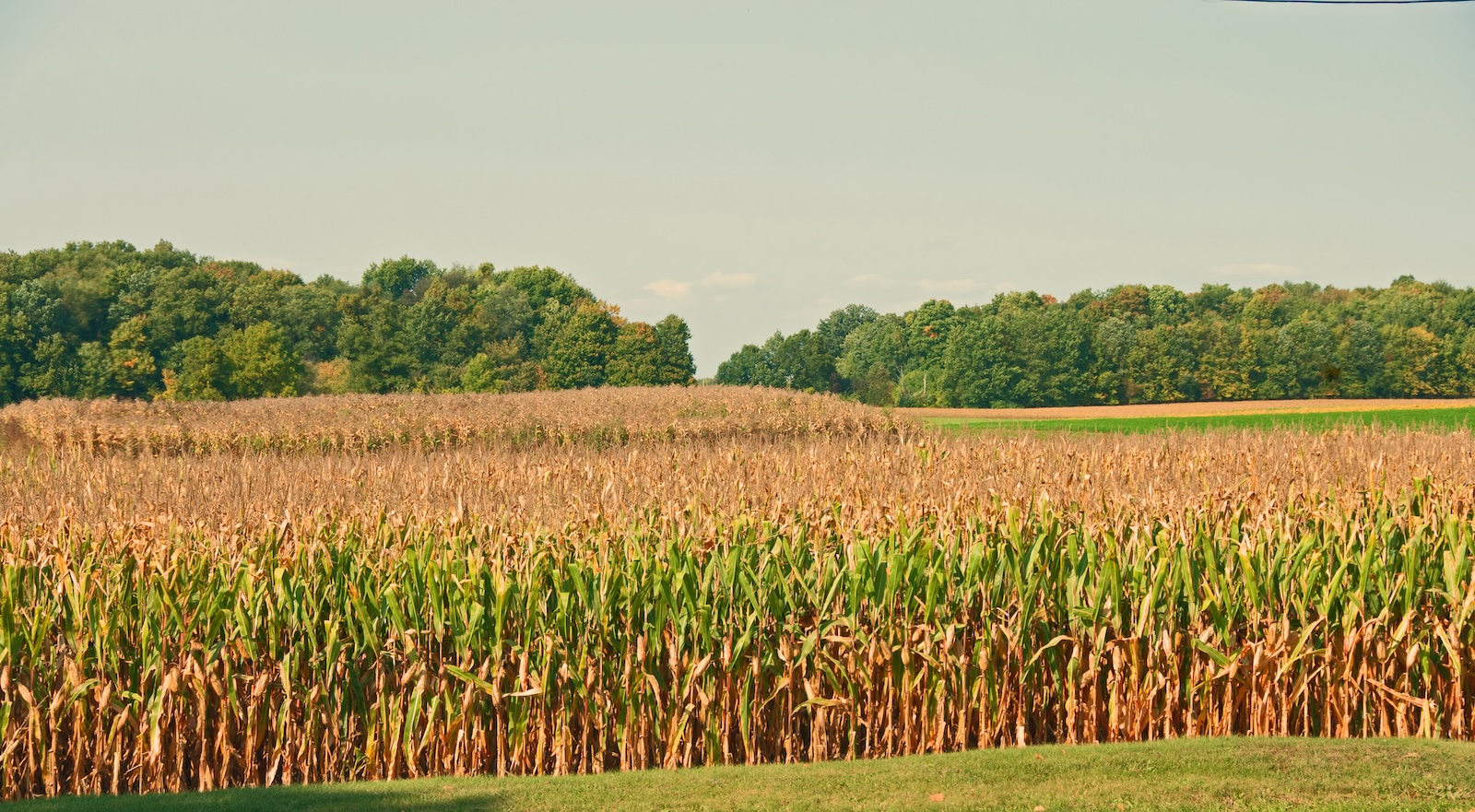
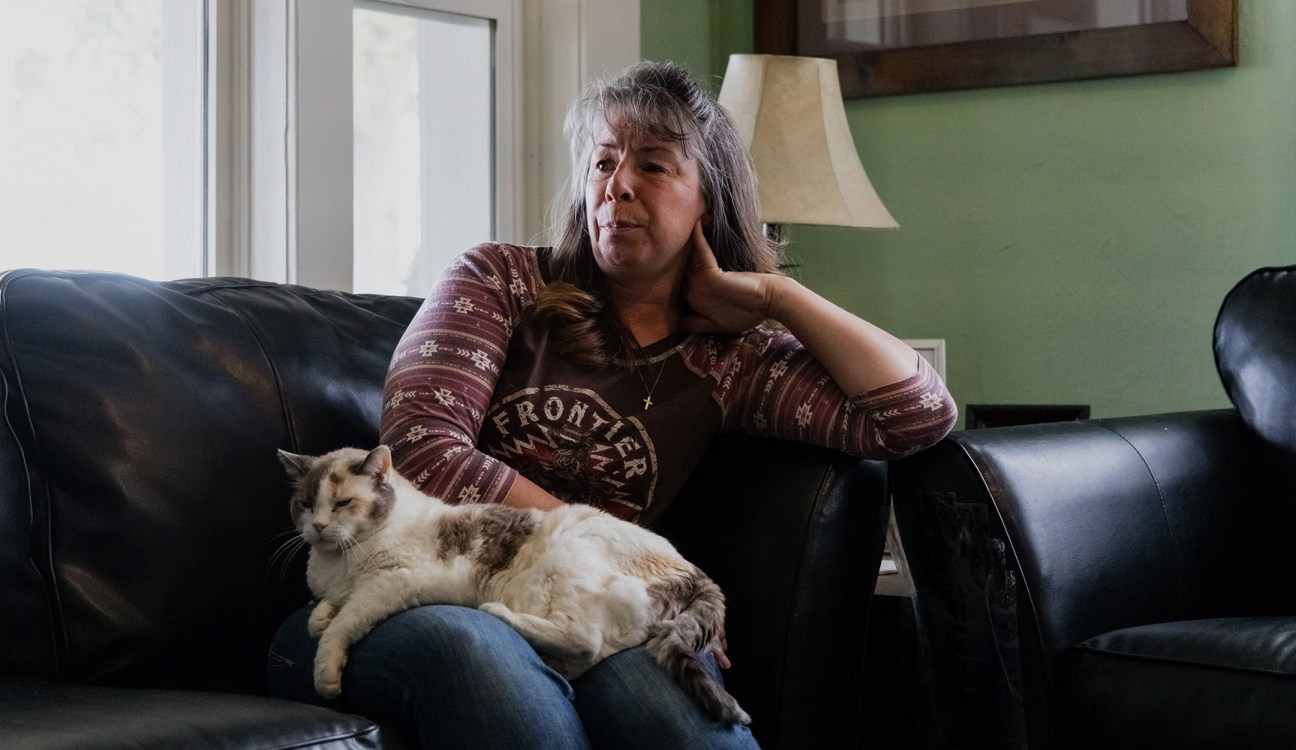
A public hearing held in a high school auditorium in south Bannock County revealed a deep rift. While farmers in the valley saw solar leases as a lifeline during a period of extreme drought, a vocal group of residents, led by local activists Rebecca Falcon and Dez Hauser, argued that solar panels would destroy the aesthetic of the "rolling hills and towering peaks" and pose safety risks.
March 2024: The Ban is Formalized
In a 2–1 vote, the commission extended the moratorium into a functional ban. Hough was the lone dissenter. This decision led several major developers, including Chicago-based Hecate Energy, to abandon their projects in the county.
May 2024 – May 2026: Political Shifts
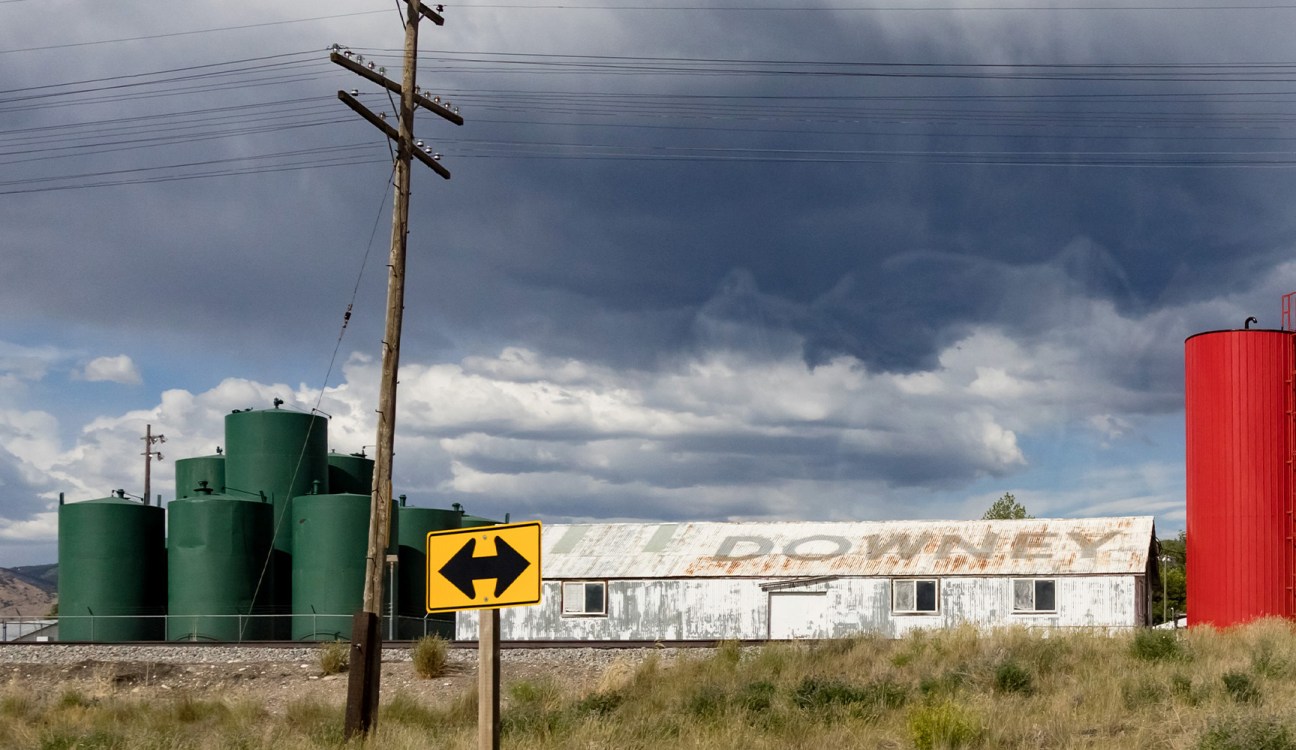
Primary elections served as a barometer for public sentiment. While Hough won his seat overall, his anti-solar opponents captured a staggering 70 percent of the vote in rural Downey. Despite this, the broader county-wide trend has moved toward a "regulate rather than ban" approach, leading to the current draft ordinance being prepared for a final vote this fall.
Supporting Data: The Economic and Environmental Crisis
The push to lift the ban is driven by two harsh realities: the economic decline of small-scale family farming and the looming energy deficit in Idaho.
The Agriculture Crisis
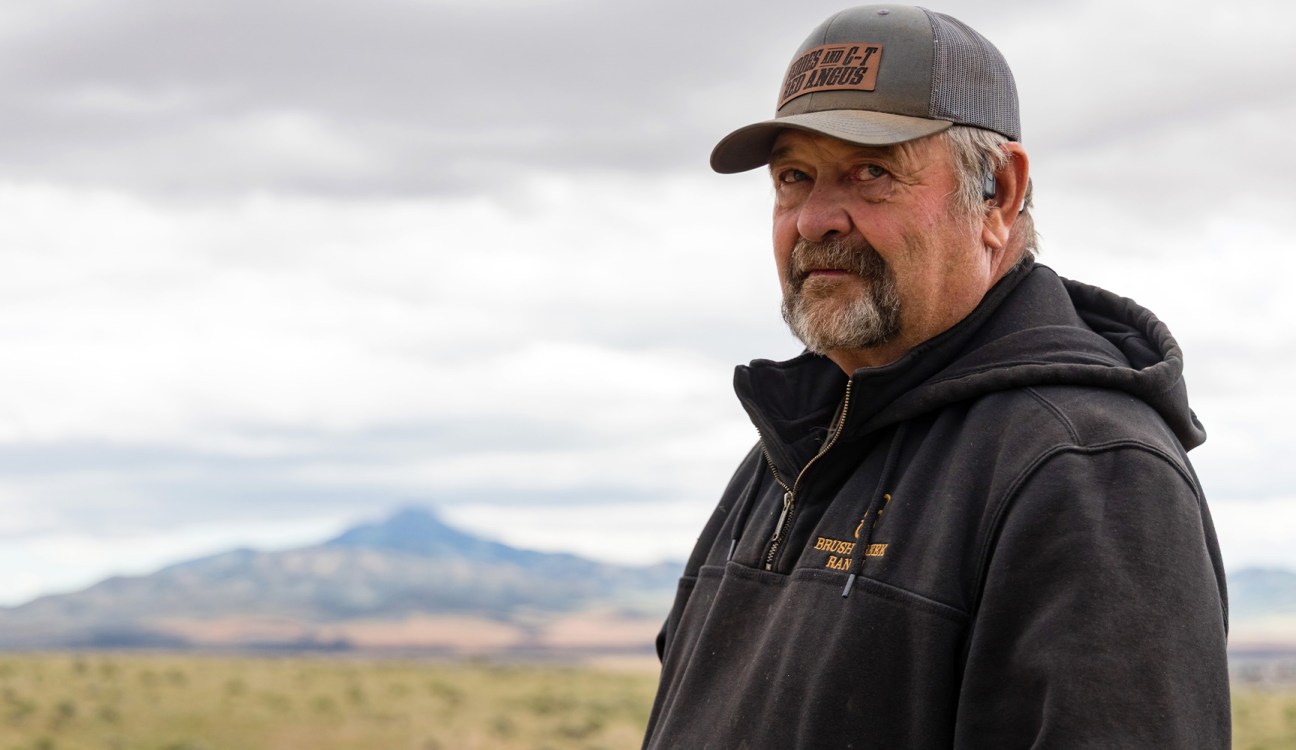
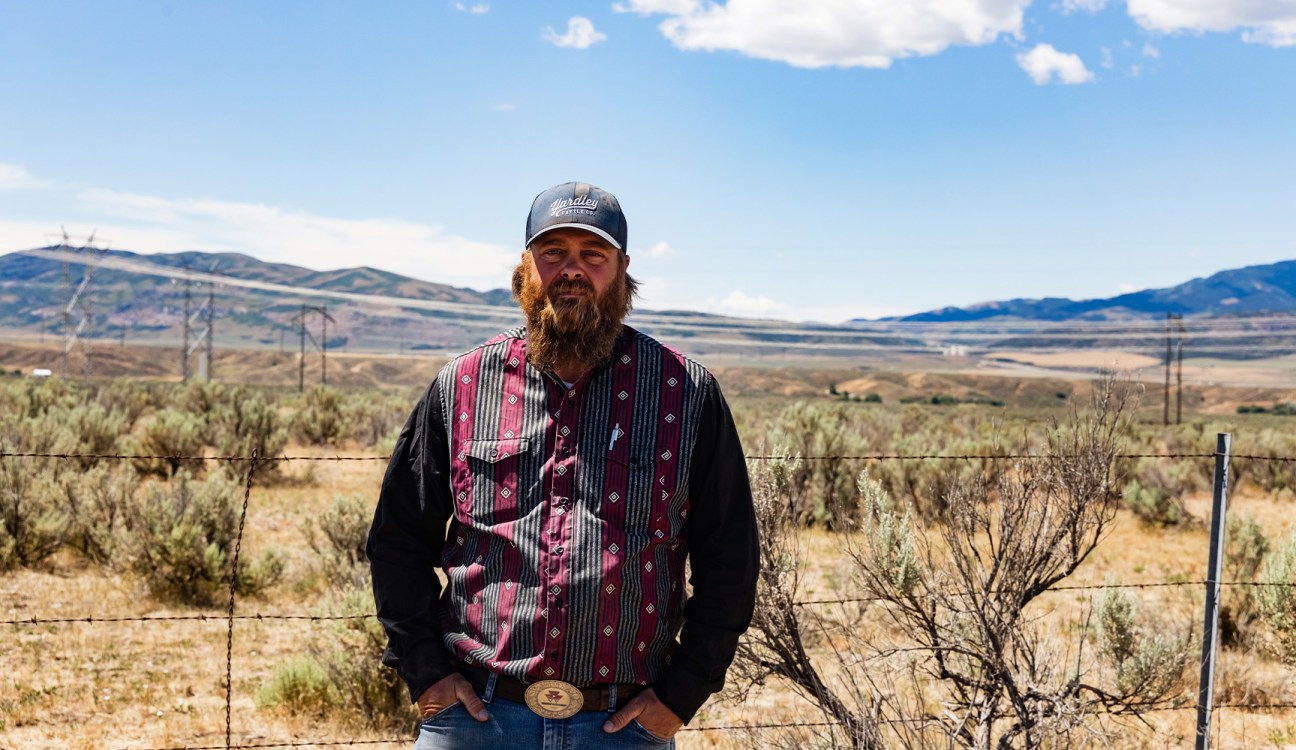
For lifelong farmers like Steve Criddle and Dale Lish, the debate is about survival. Bannock County is currently enduring "extreme drought conditions." Criddle noted that alfalfa fields that once produced 800 bales of hay now struggle to produce a dozen.
- Income Disparity: Solar leases offer per-acre income projections four to five times higher than traditional wheat farming.
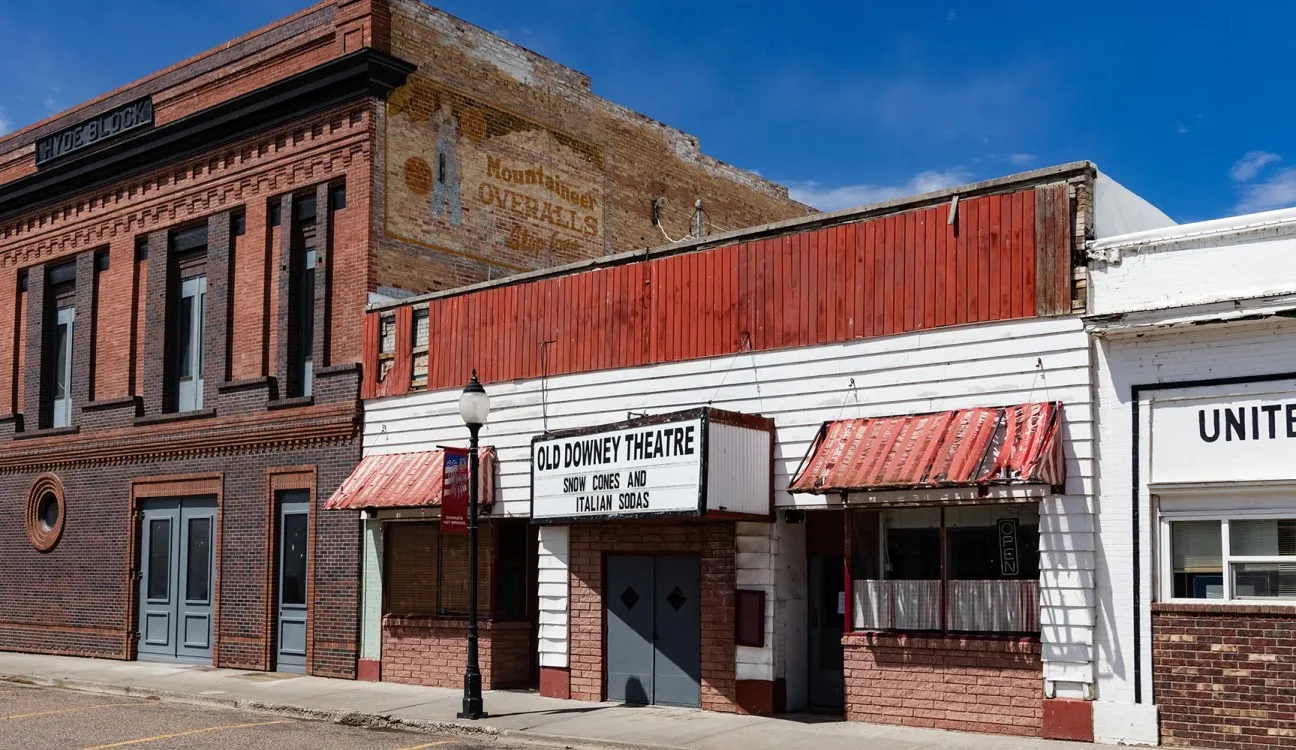
- Loss of Services: As family farms have disappeared, the town of Downey has lost its hospital, bank, pharmacy, and grocery store. Proponents argue that the tax revenue from renewable energy could fund the return of these essential services.
National and Regional Energy Context
Bannock County is a microcosm of a national trend. In 2025, nearly 1 in 4 U.S. counties had some form of impediment to clean energy, a significant increase from 15 percent in 2023.
- Tax Revenue Benchmarks: Neighboring Power and Bingham counties generated $909,000 and $639,000 in tax revenue respectively from renewable projects in 2024.
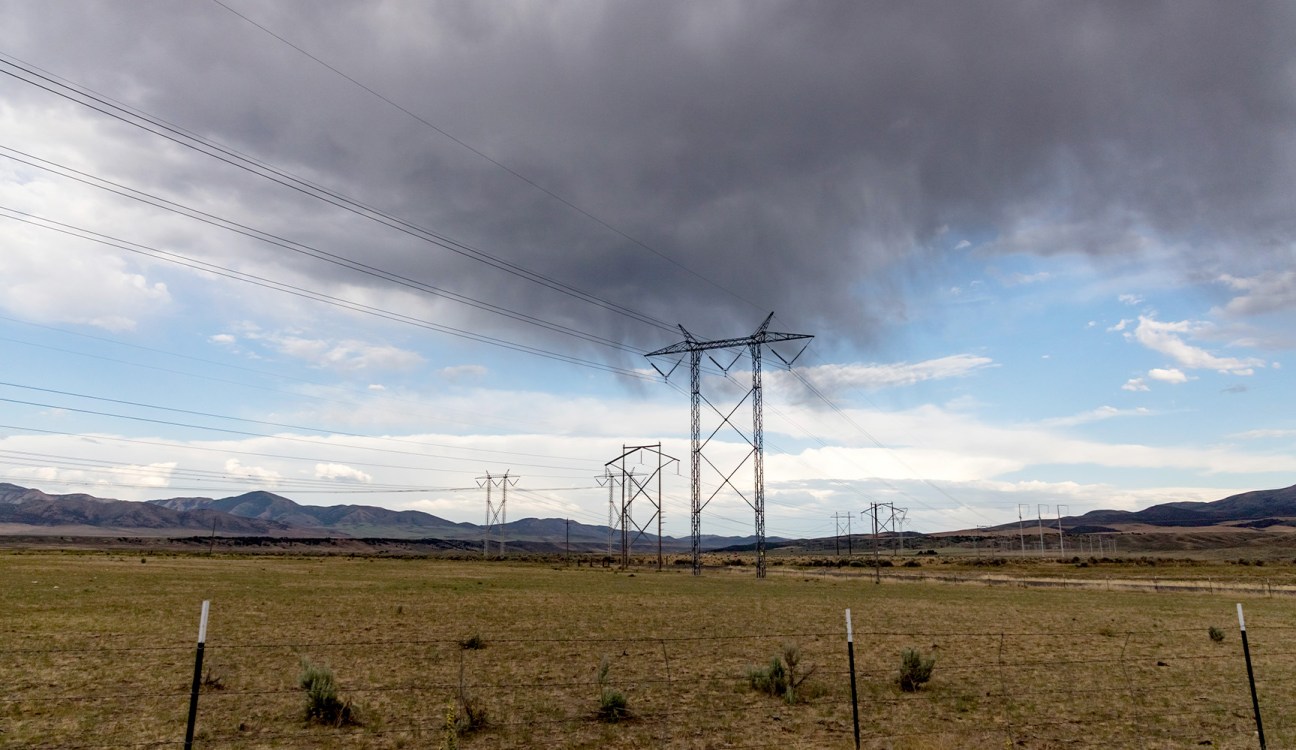
- Grid Infrastructure: The Populus substation in Bannock County is a critical juncture for the Energy Gateway project, a massive transmission expansion by PacifiCorp. Building power plants near this substation drastically reduces costs for utility customers.
Official Responses: Developers, Utilities, and Regulators
The response from the industry has been a mix of caution and continued interest.
Balanced Rock Power:
Katarina Bagri, a senior manager for Balanced Rock, confirmed that the 300-megawatt Harmon Solar Project is currently "on hold" pending the lifting of the ban. "If the ban is lifted, the short answer is yes, we will move forward," she stated. However, she also noted that the company had already withdrawn its application for a second project (Harmon II) on public land to focus on winning over the local community.
Idaho Power and Renewable Northwest:
Aaron Menenberg of Renewable Northwest emphasized the urgency of the situation, stating, "The need to build stuff now is critical to Idaho’s economic future. We can’t afford to say no to anything."
Local Fire Departments:
In a significant formal intervention, volunteer fire departments in Downey and Lava Hot Springs sent letters to the commissioners in late 2025. They warned that they lacked the equipment and specialized training to handle potential battery energy storage system (BESS) fires, a concern that has been integrated into the new ordinance’s requirements for developer-funded training.
Idaho National Laboratory (INL):
The INL has engaged with the county to discuss the feasibility of nuclear energy. While the community is 90 percent in favor of nuclear, experts warn that commercial microreactors and SMRs are likely a decade away from being a utility-scale reality in the county.
Implications: Property Rights vs. Community Character
The resolution of the Bannock County dispute will have far-reaching implications for how rural land-use policy is crafted in the 21st century.
The Property Rights Precedent
Jeff Hough and his supporters have framed the issue as a "fundamental American right." If the ban is lifted, it will signal a victory for the "private property" wing of the Republican party, which argues that the government should not prevent a landowner from using their ground for a legal and profitable enterprise, even if it is unpopular with neighbors.
The "Nuclear Compromise"
By including nuclear energy in the ordinance, Bannock County is attempting to bridge the gap between "clean energy" and "rural acceptance." Nuclear energy has a much smaller physical footprint than solar, addressing the aesthetic concerns of residents like Rebecca Falcon. However, the economic reality is that solar is ready to build today, while nuclear is a future prospect. This creates a "transition" period where the county must decide if it is willing to host solar as a bridge to a nuclear future.
Long-term Stewardship and Decommissioning
The debate has forced a more sophisticated approach to "end-of-life" planning for energy projects. The requirement for decommissioning bonds sets a precedent that could be adopted by other rural counties. It ensures that even if a developer goes bankrupt in 40 years, the community is not left with "a field of glass," but has the funds to restore the land to its pre-construction state.
As the fall vote approaches, the eyes of the renewable energy industry and rural advocates are fixed on Pocatello. The decision made by three commissioners in a small Idaho valley may well provide the roadmap for how America’s heartland navigates the transition from the agricultural past to a high-tech energy future. For the residents of Bannock County, it is no longer just about a view of the mountains; it is about who has the right to decide what the future looks like.


 Nana
 Ammar Sabilarrohman






